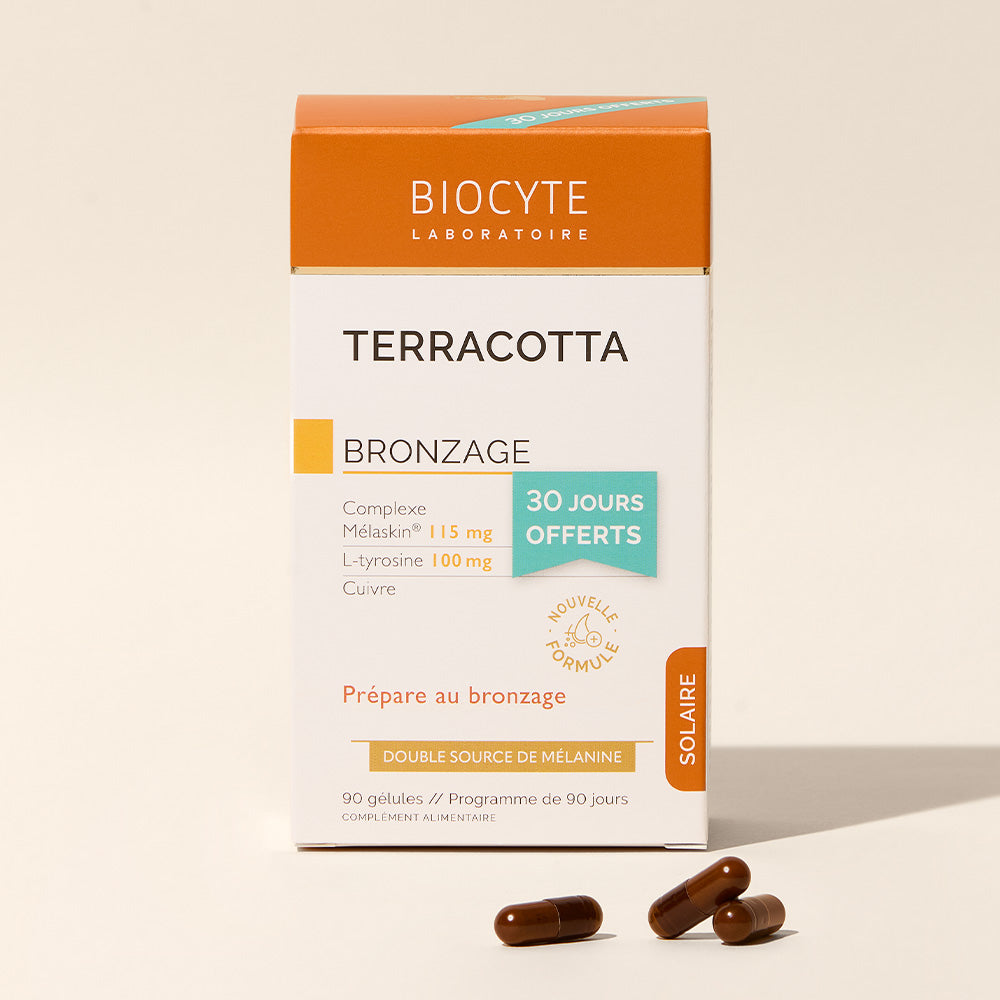
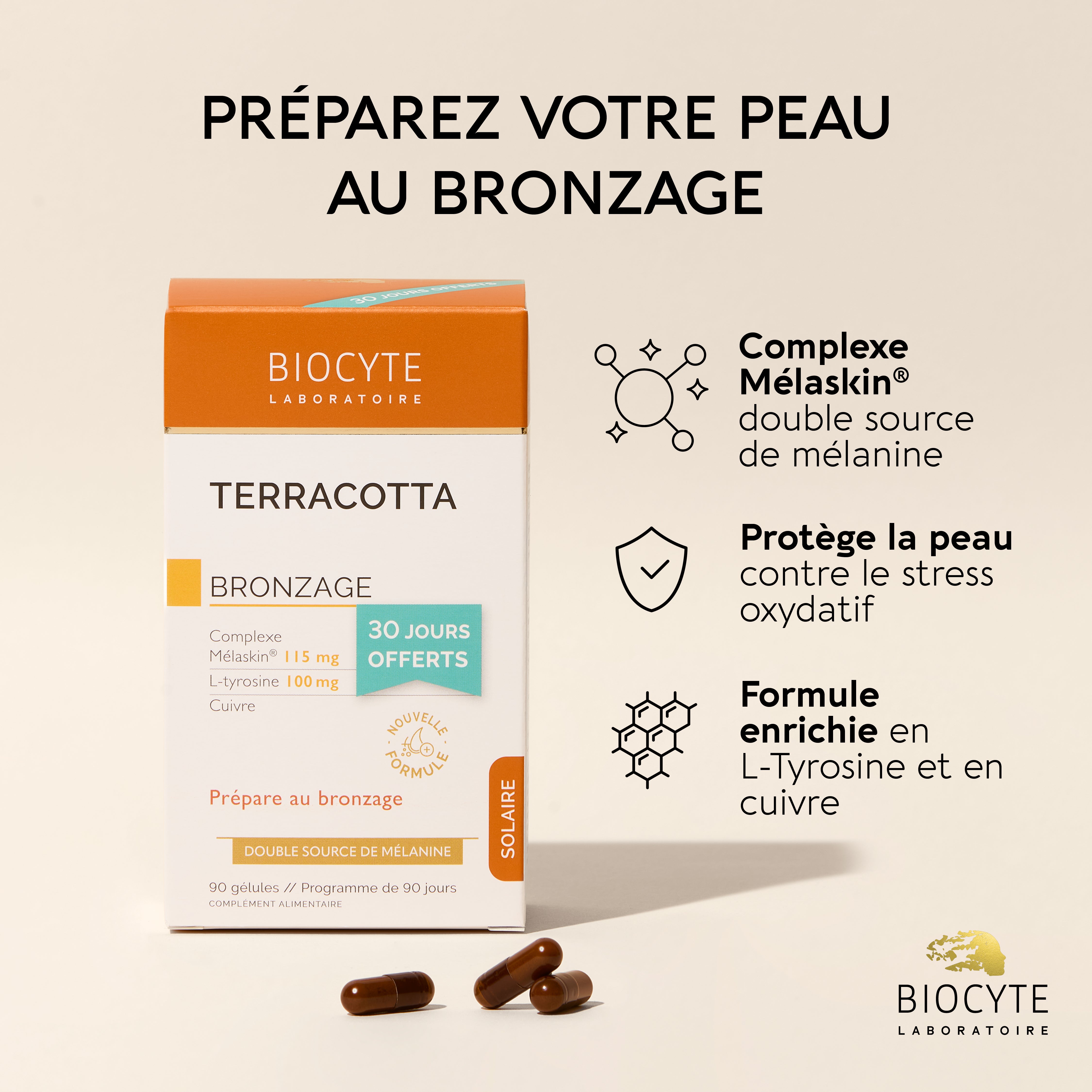
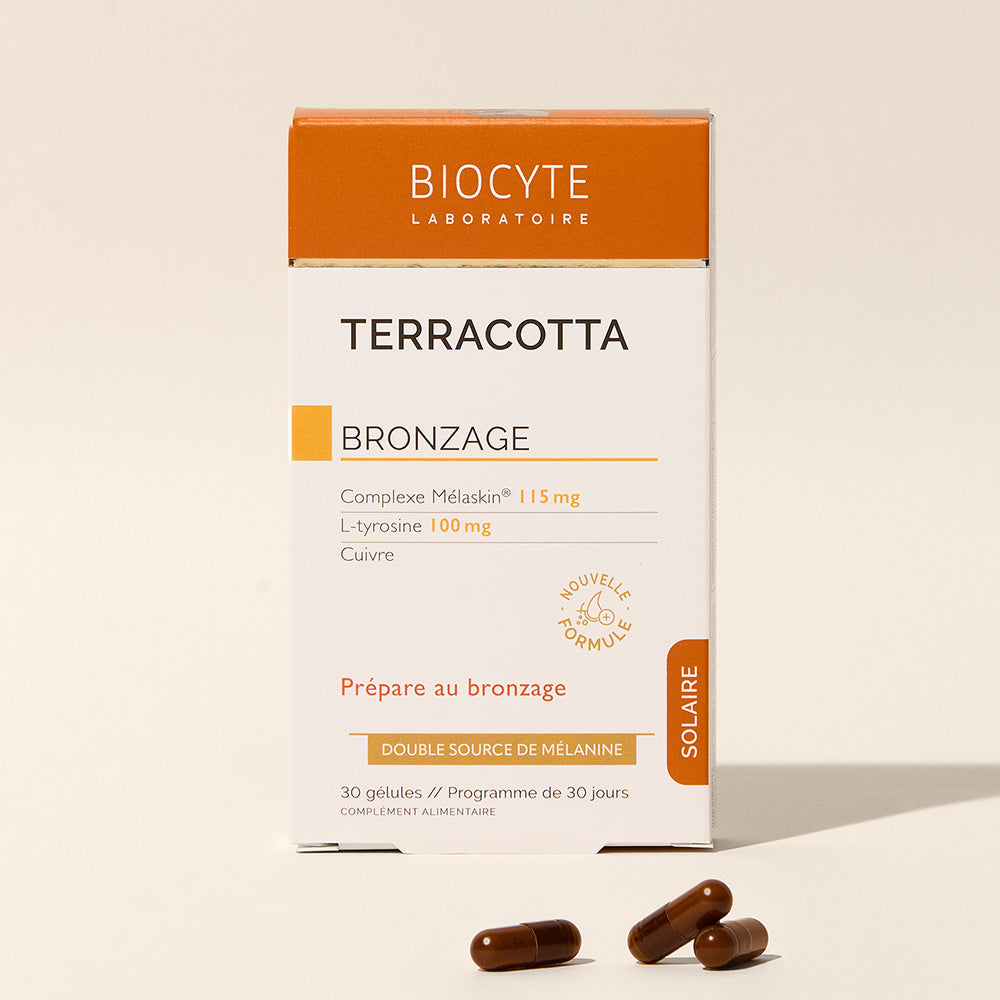
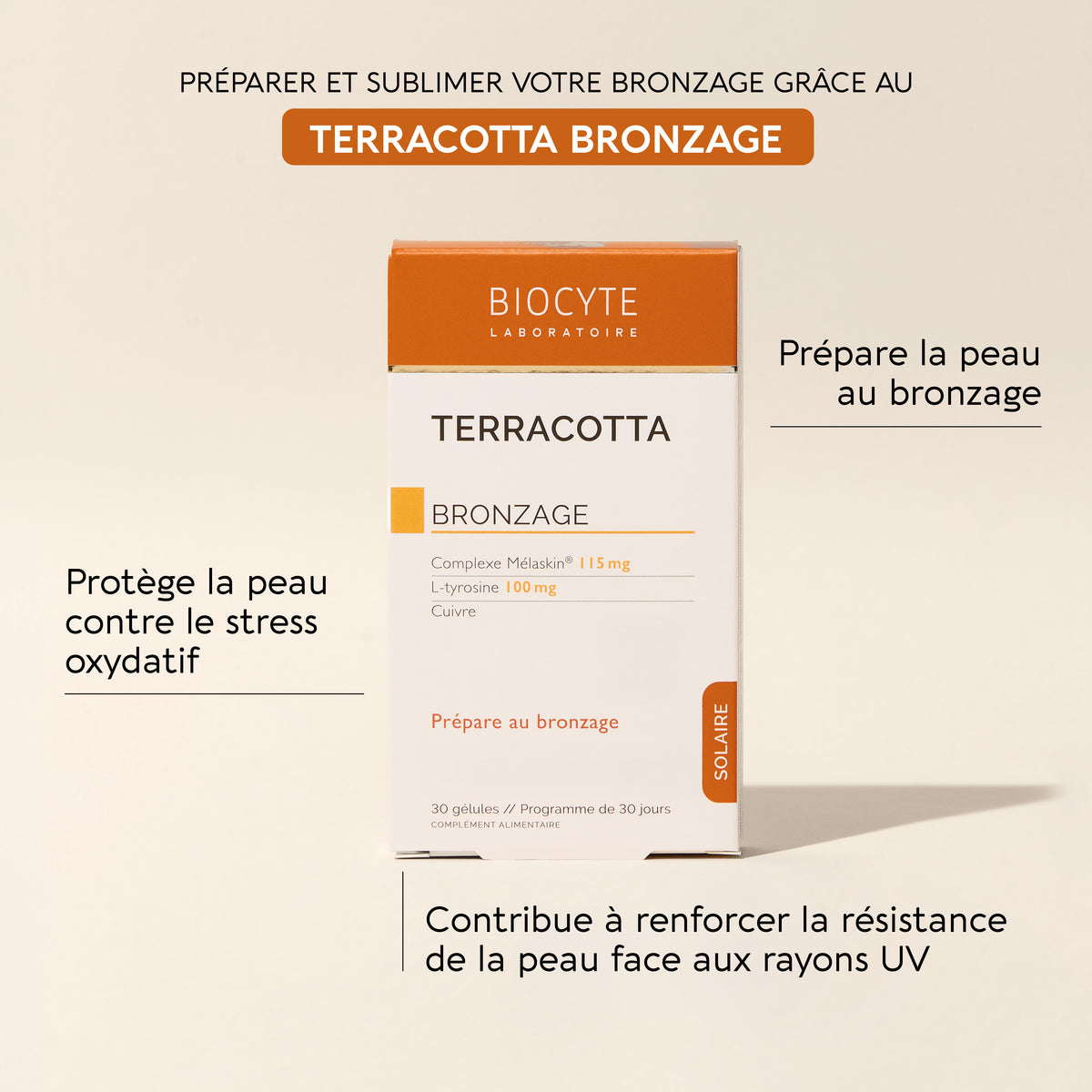
Why take a dietary supplement to get a tan?
Take adietary supplement for tanningThis often addresses the need for a more even tan, especially when the complexion tans unevenly (more exposed areas, friction, dryness). Sun exposure increases the formation of free radicals and can dull the skin's radiance: a targeted application ofantioxidantshelps to support the skin's natural defenses against this oxidative pressure, in a holistic approach.
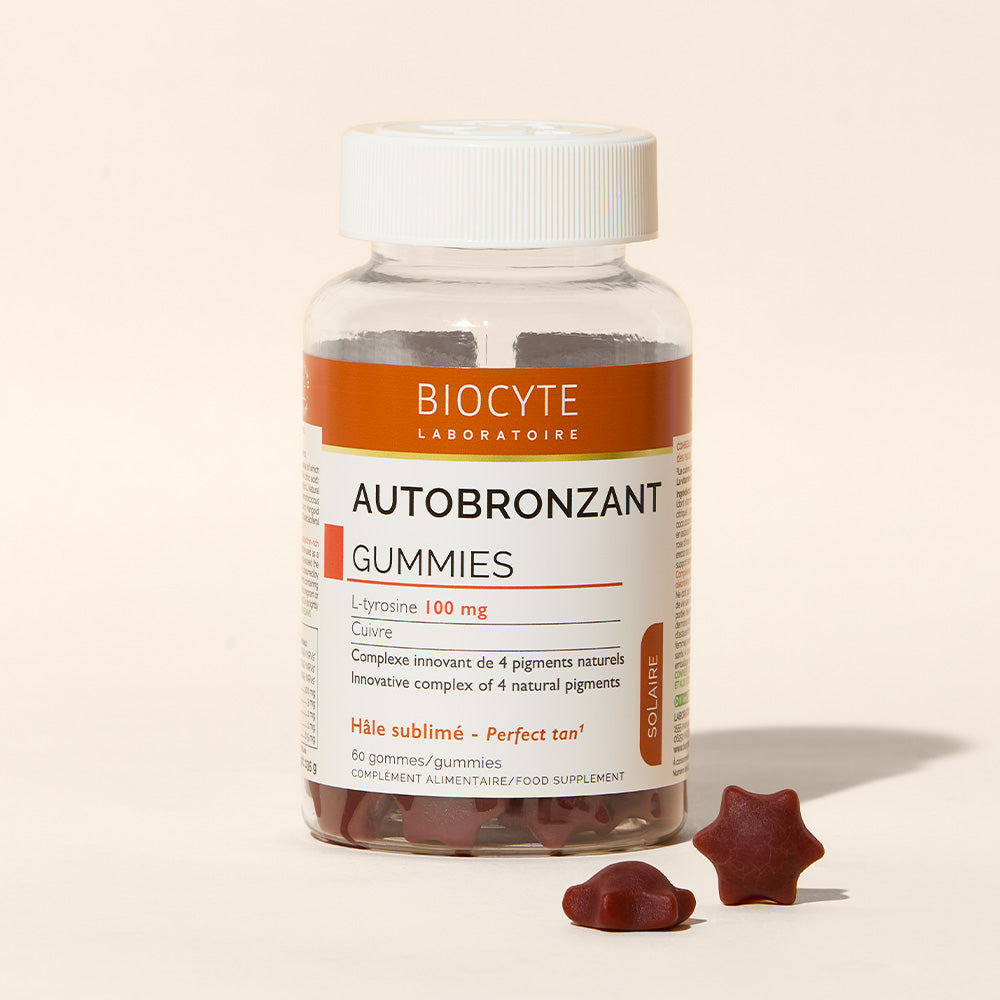
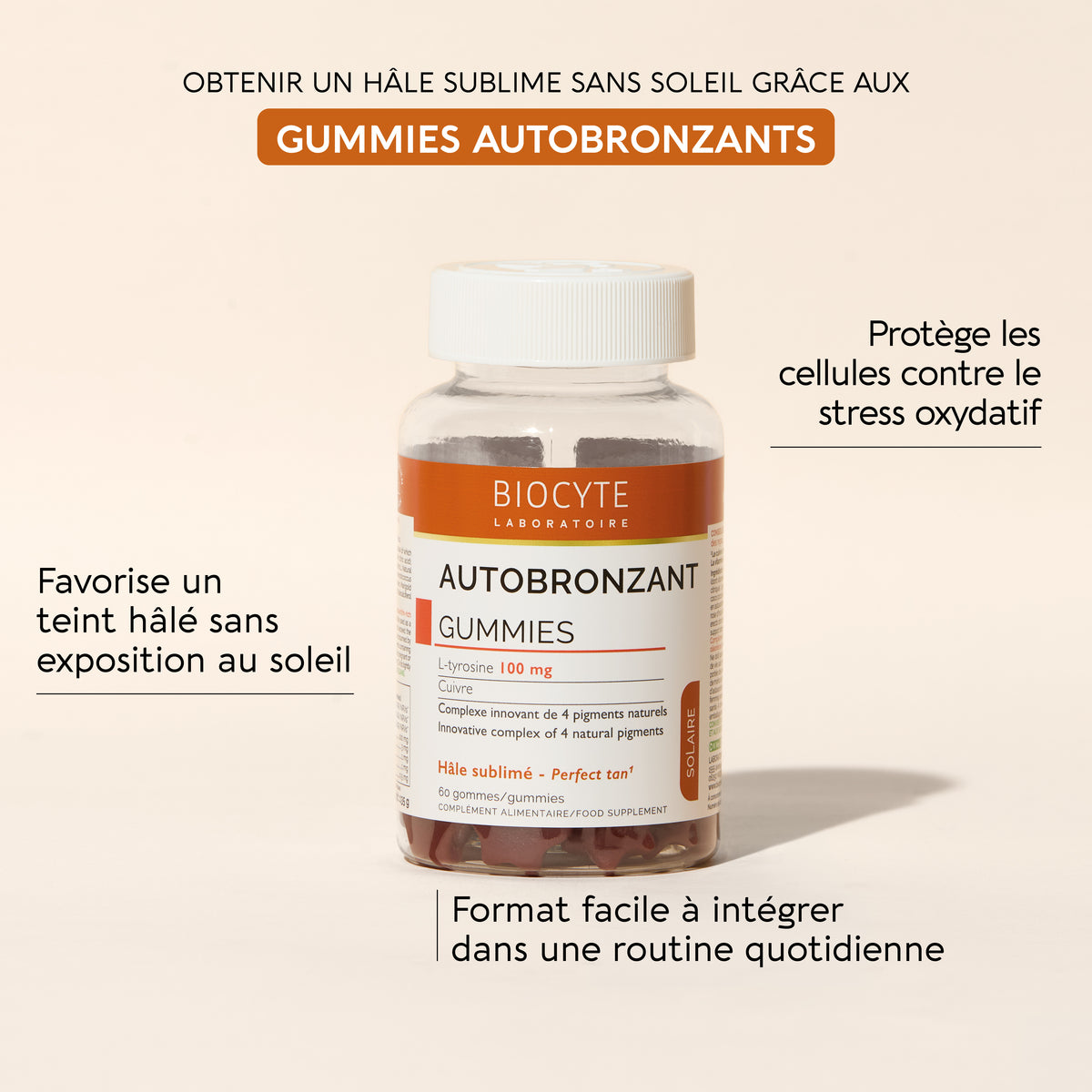
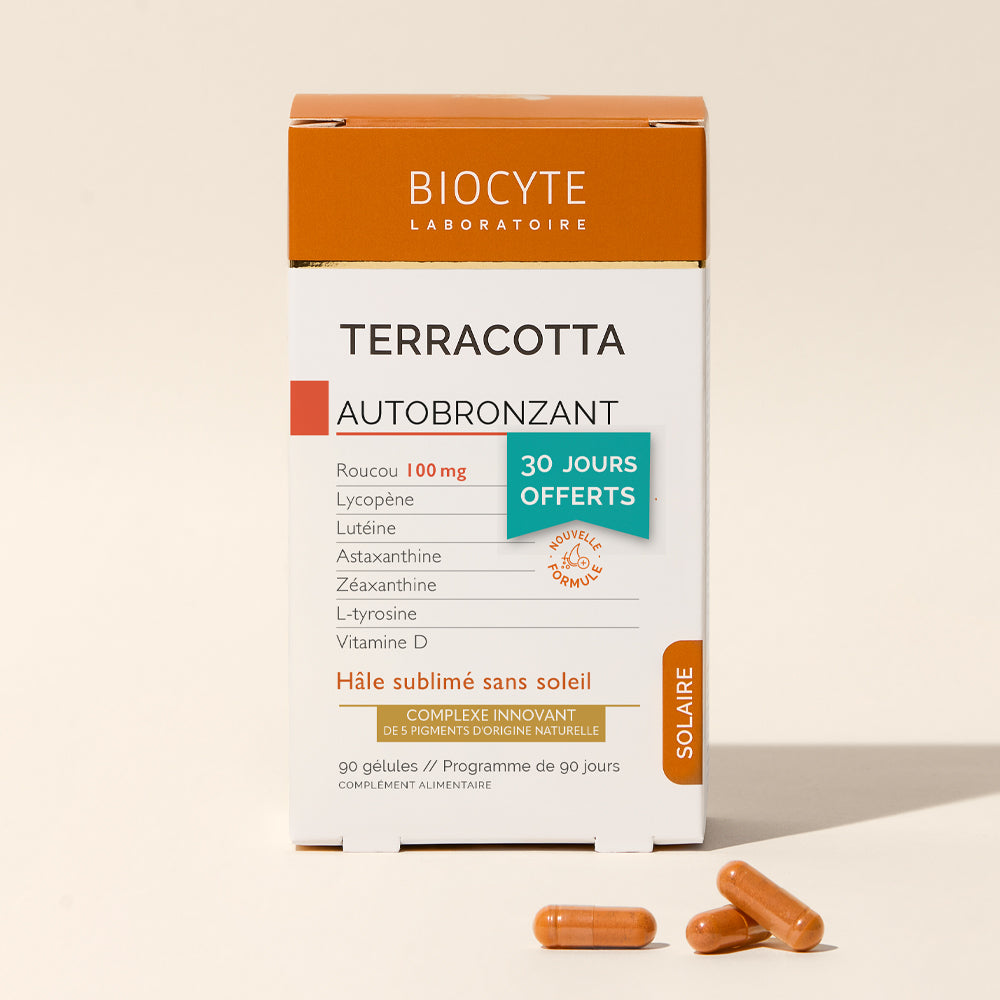
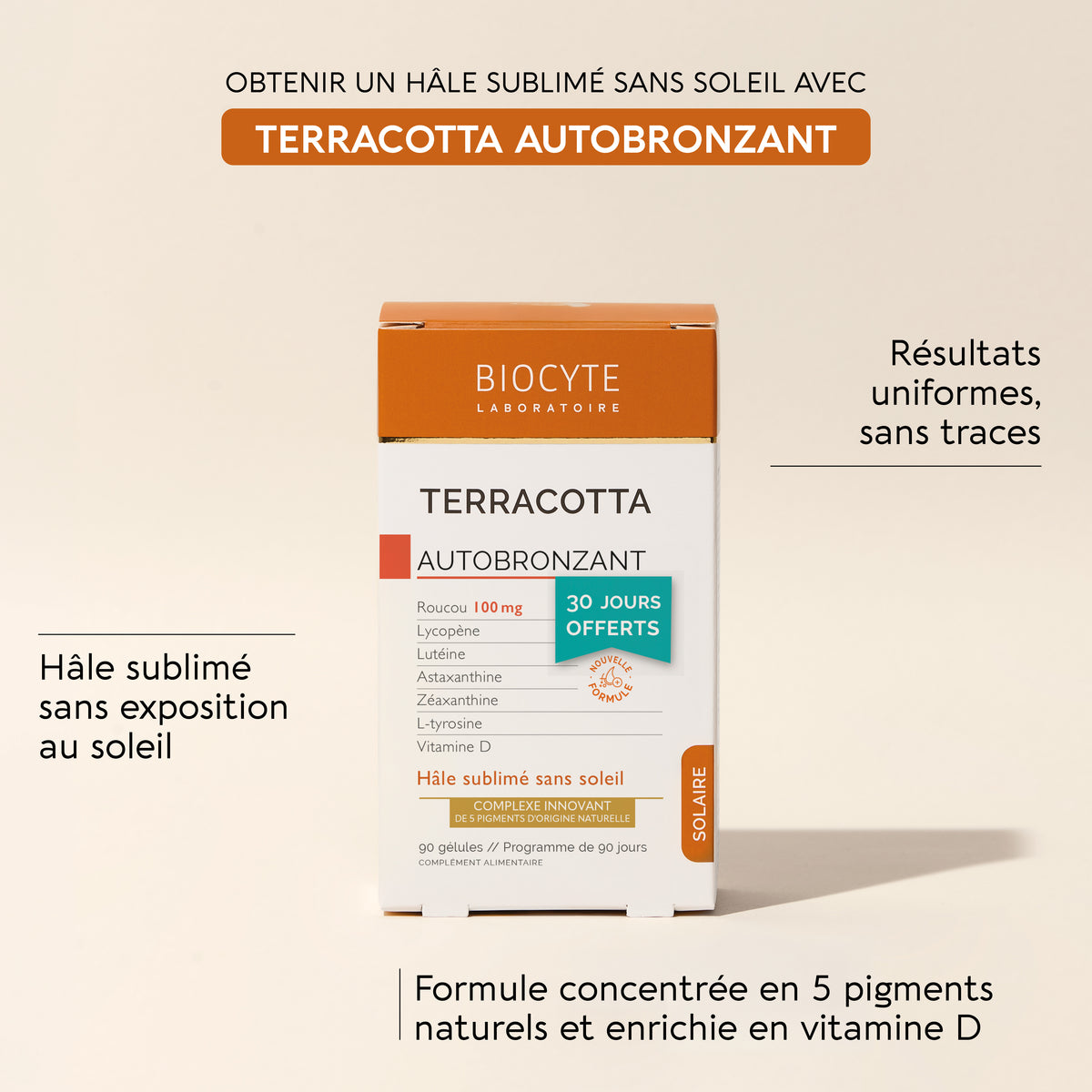
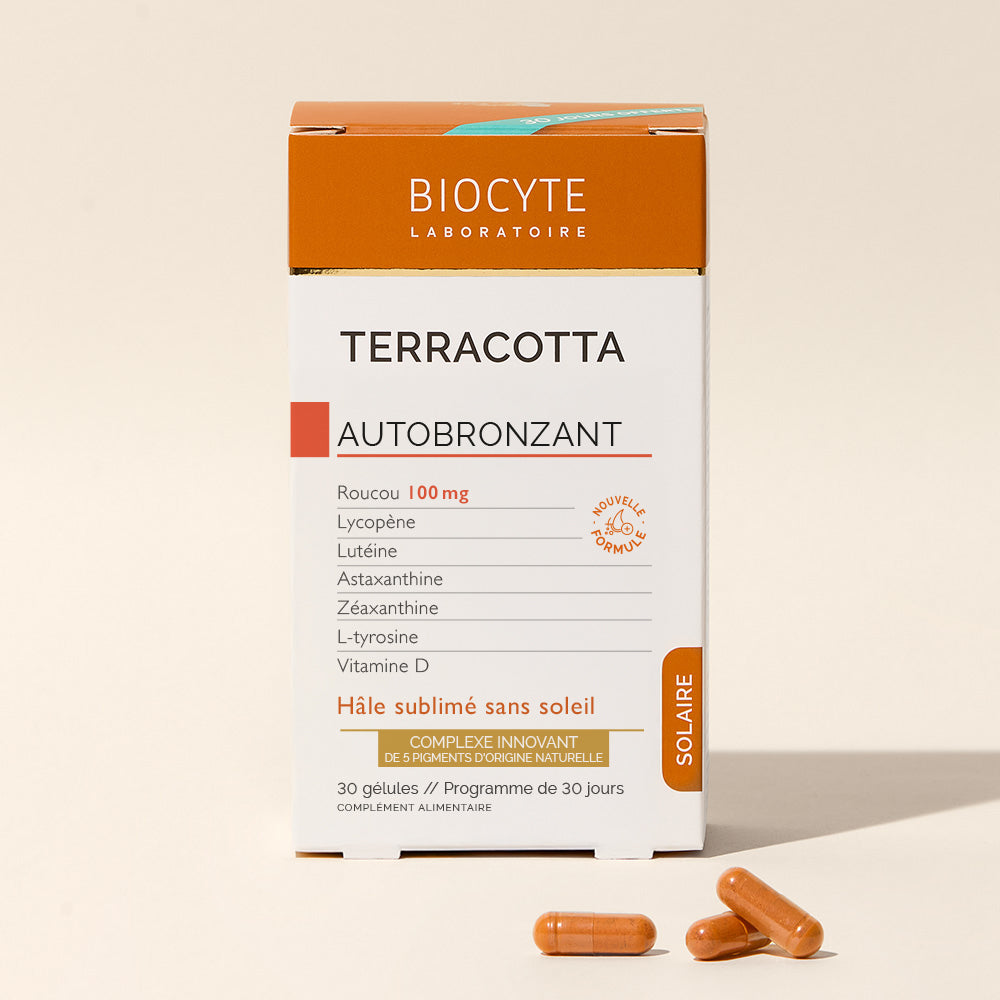
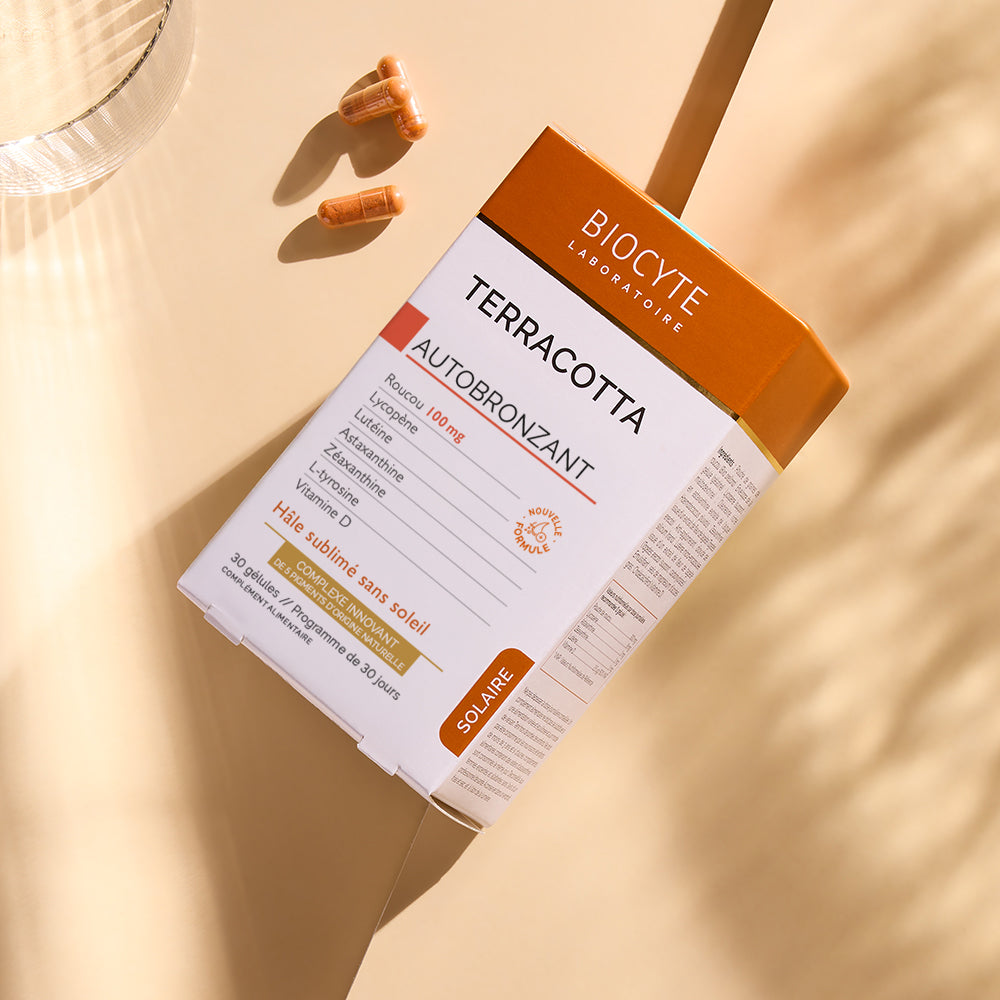
In addition, some people are looking for a "complexion" effect before summer, similar to anatural self-tannerIn a nutricosmetic sense: plant pigments that gradually accumulate and contribute to a brighter complexion. In this context, thetanning capsulesOrself-tanning gummiesintegrate easily into a routine, with the idea of aeven tanand improved skin comfort during periods of exposure.
How does a tanning supplement work?
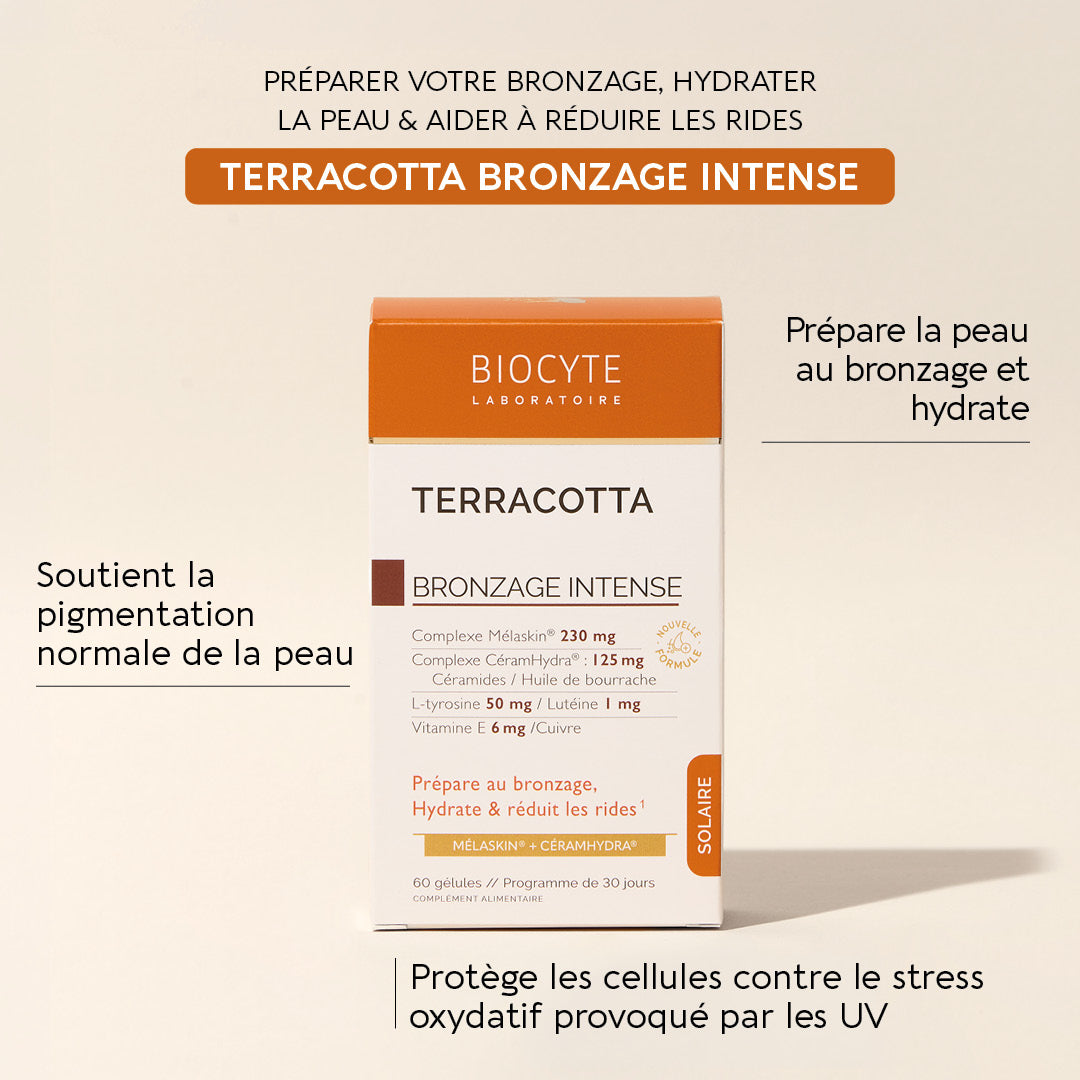
Tanning results from an adaptation: under the effect of UV rays, the skin increases melanin production, but this response varies according to phototype and exposure history.dietary supplement for tanningIt doesn't "activate" melanin like a switch; rather, it supports the body's natural processes, notably through fat-soluble pigments that are distributed throughout the body and gradually accumulate in the skin. This accumulation explains why asun preparationThis is planned in advance, and why regularity is crucial. In parallel, the antioxidant component aims to support the skin's oxidative balance during sun exposure. Finally, the comfort and radiance of the complexion also depend on the skin barrier: better hydrated and more supple skin reflects more light, which enhances the impression ofhealthy glow.
The key ingredients of a tanning supplement
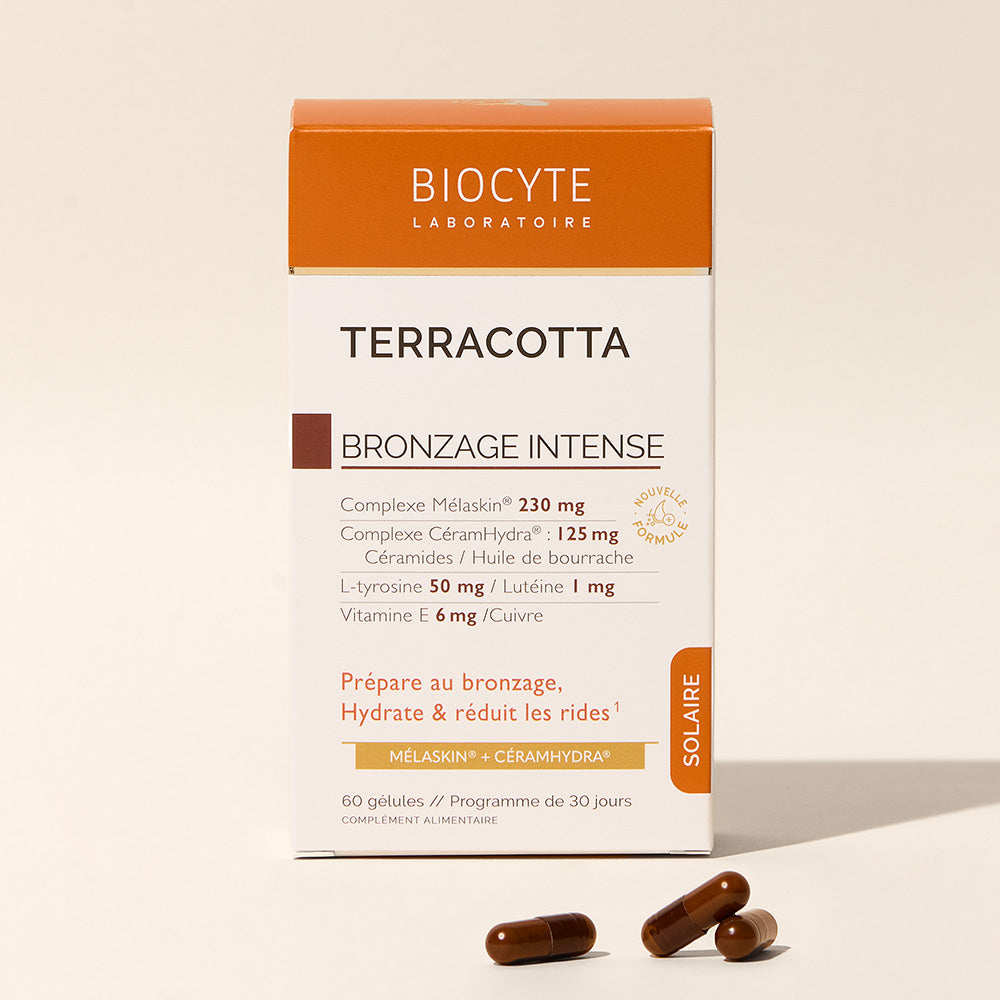
The foundation of a good tanning supplement lies in pigments and antioxidant support. The most sought-after pigments are...beta-caroteneand otherscarotenoidsThey often associate themselves withlycopene(tomato) and to thelutein(often derived from pigment-rich plants) for complementary profiles. The antioxidant component is traditionally based on thevitamin E(fat-soluble, membrane-bound) and thevitamin C(water-soluble, complementary), sometimes reinforced with mineral cofactors. Some formulas add plant extracts rich in polyphenols, consistent with a "terrain-oriented" sunscreen preparation. Depending on the needs, a "comfort" component can be provided by quality oils and lipids, useful when the skin dries out more easily in summer and when atanned skinIt quickly loses its luster.
How to choose your tanning supplement?
The choice is made first according to the objective: a typical "skin" finishnatural self-tanner(gradual radiance) or a more complete sun preparation formula (pigments + antioxidants + extracts). Then, quality is judged by the label: clearly indicated dosages, standardized extracts when possible, and coherent synergies rather than a long list of redundant ingredients. The format also matters: tanning capsules and self-tanning gummies are practical if taken daily and regularly, ideally with a meal containing some fat for the fat-soluble active ingredients. Terms liketanning acceleratorshould be interpreted with caution: the biology of tanning remains primarily dependent on phototype and exposure habits; supplementation accompanies homogeneity and radiance more than it “multiplies” the tan.
When should I start taking a tanning supplement and for how long?
For asun preparationThe most logical approach is to begin approximately 3 to 4 weeks before the first significant sun exposure, continue during the sunny period, and then extend the treatment for another 2 to 4 weeks afterward if the goal is to maintain radiance and comfort. This timeframe reflects the fact that oil-soluble pigments gradually accumulate in the skin, and their effectiveness depends on consistent application. During sun exposure, the strategy remains comprehensive: a colorful diet (natural sources of pigments), hydration, and an appropriate external skincare routine to preserve the skin barrier. Year-round use is generally unnecessary; it can only be considered if the primary objective is cosmetic (complexion) and if the diet is low in colorful vegetables, taking care to avoid combining similar products.
Precautions and tips for safe tanning
Adietary supplement for tanningNever replace sunscreen: it does not provide SPF and should not lead to longer sun exposure. Safety relies primarily on adequate external protection (appropriate SPF, reapplication, clothing, shade, timing). Certain situations warrant professional advice before starting: pregnancy/breastfeeding, smoking, long-term treatments, sensitive skin, or multiple supplements. To improve the tolerance of sun gummies or capsules and optimize the absorption of fat-soluble active ingredients, taking them with a meal containing some fat is often the best option. Finally, expectations should remain realistic: on very fair skin, the primary goal is not intensity, but an even tan, a more even and healthy complexion, and greater comfort, with impeccable external photoprotection.
FAQ— Dietary supplement for tanning
What is the best dietary supplement for tanning?
The best tanning supplement is the one that matches your goal: pigments for radiance, or pigments + antioxidants for more complete sun preparation. Key criteria include transparent dosages, consistent synergy (pigments, vitamin E, vitamin C), and an easy-to-follow format (often tanning capsules or self-tanning gummies).
When should I start taking a tanning supplement before my vacation?
Ideally 3 to 4 weeks before departure, then during exposure, with a possible extension 2 to 4 weeks afterwards if the goal is to maintain a luminous tanned skin and skin comfort.
Can a tanning supplement replace sunscreen?
No. A tanning supplement is not sunscreen and should never replace SPF. It's part of a comprehensive strategy, but external sun protection remains essential.
Does a tanning supplement work on very fair skin?
Yes, especially for radiance and an even complexion, but the intensity of the tan remains limited by skin type. The goal is to achieve a uniform tan and a gradual, healthy glow, withoutexcessive exposure.
Can you take a dietary supplement to get a tan all year round?
Most often, a seasonal routine is sufficient. Prolonged use can be discussed for a "complexion" goal, but it is best to check total intake (especially if other supplements already contain carotenoids or vitamins) and to favor a diet rich in natural pigments.

 Skin
Skin Hair & Nails
 Sun Care
 Slimming
 Health
 K-Biocyte
 Clinical