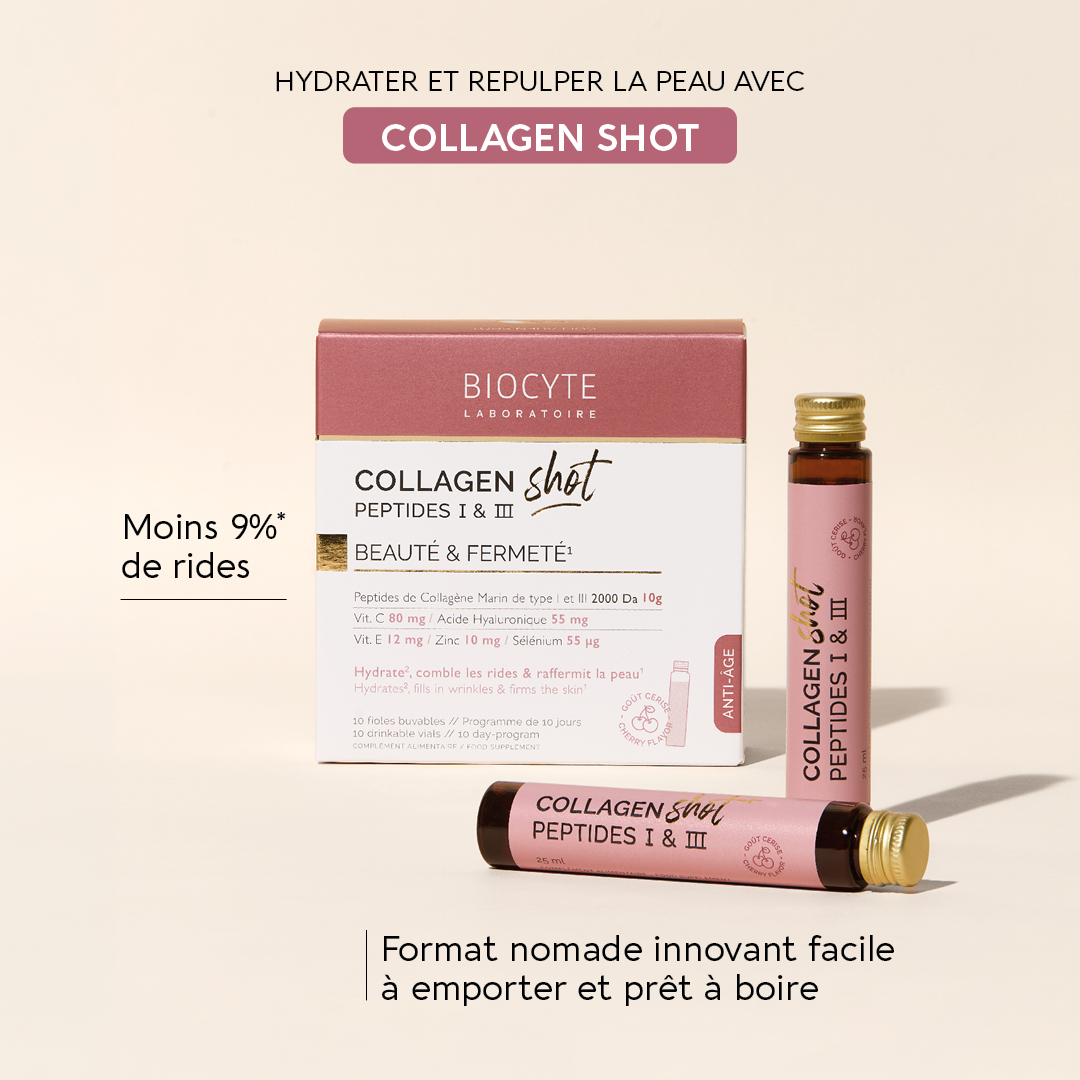
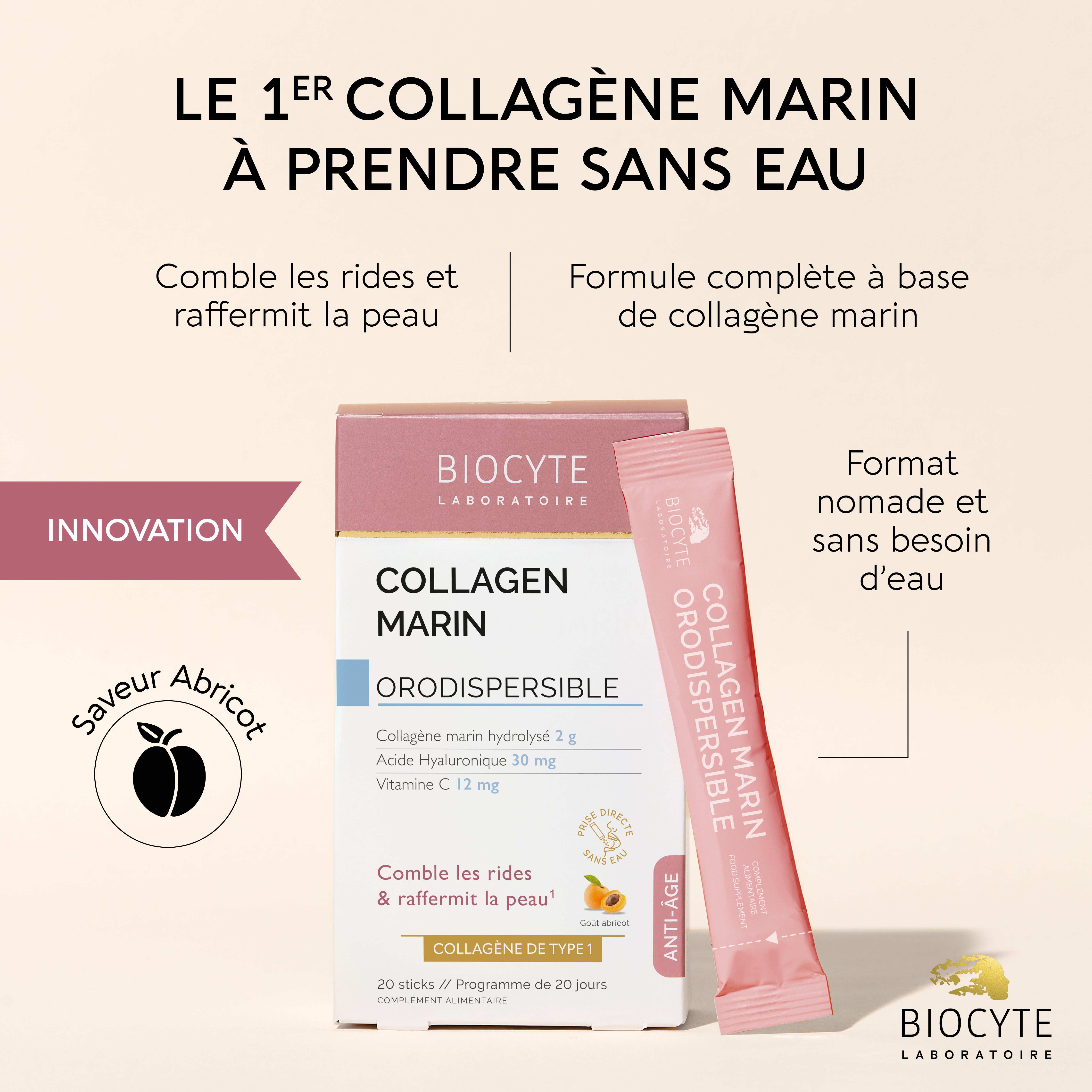
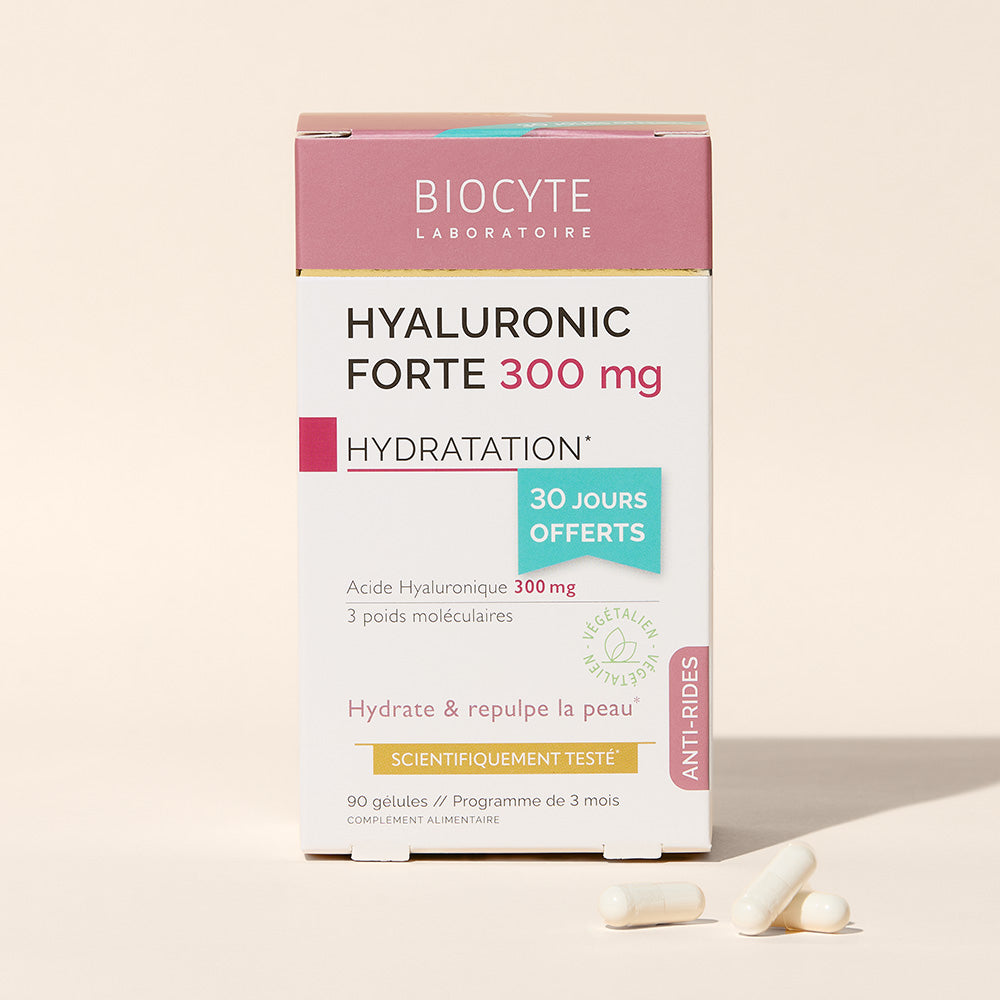
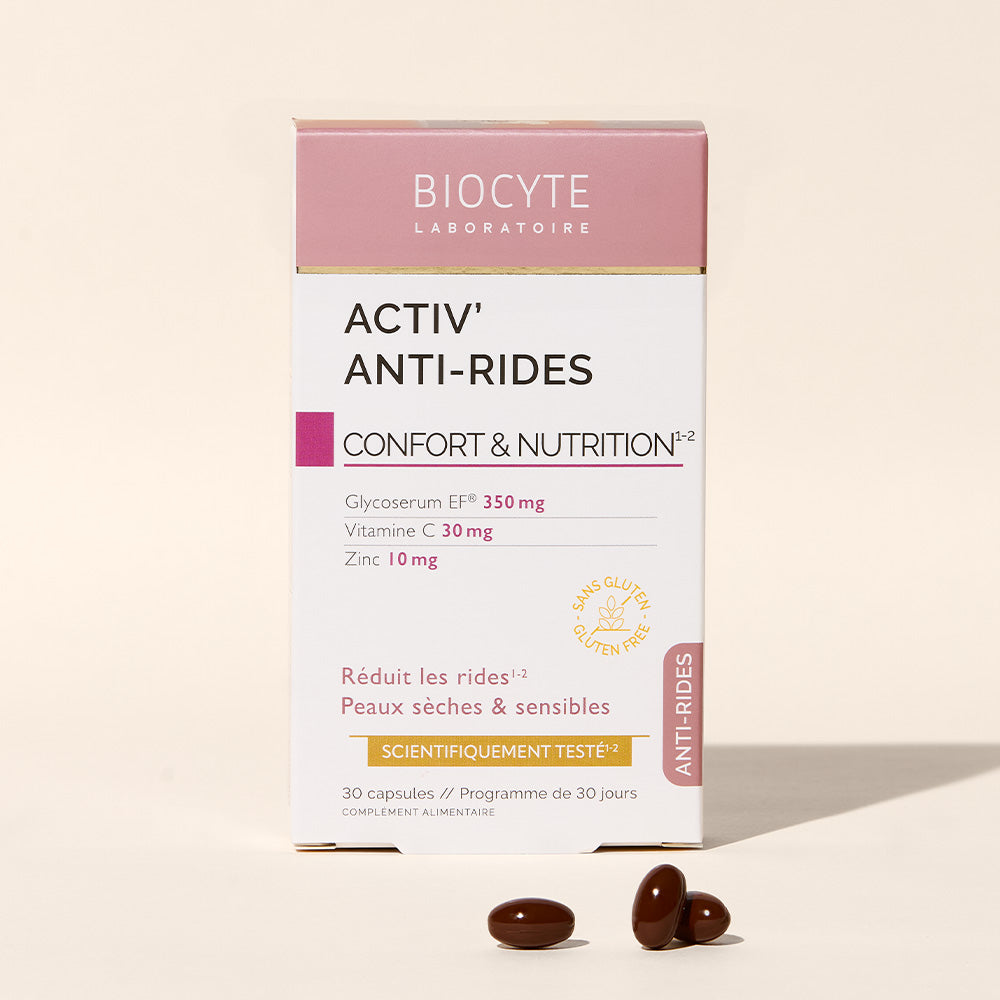
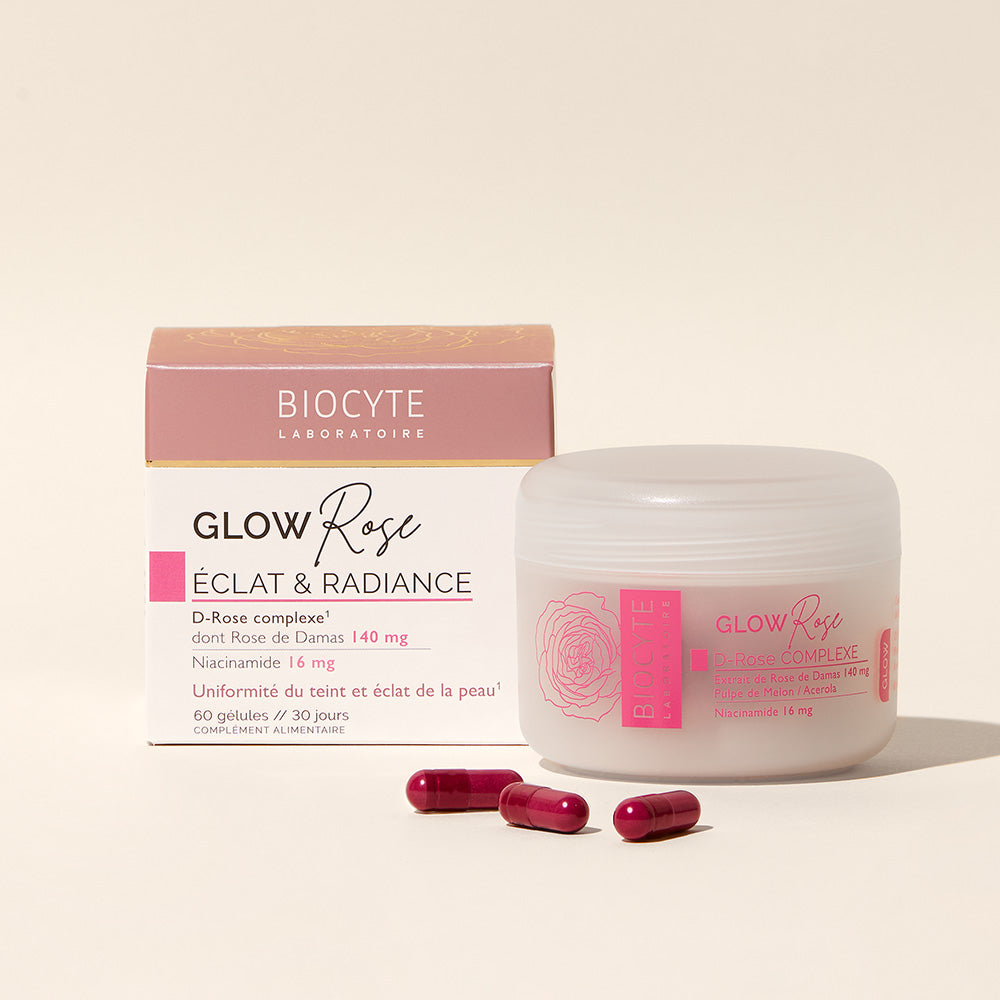
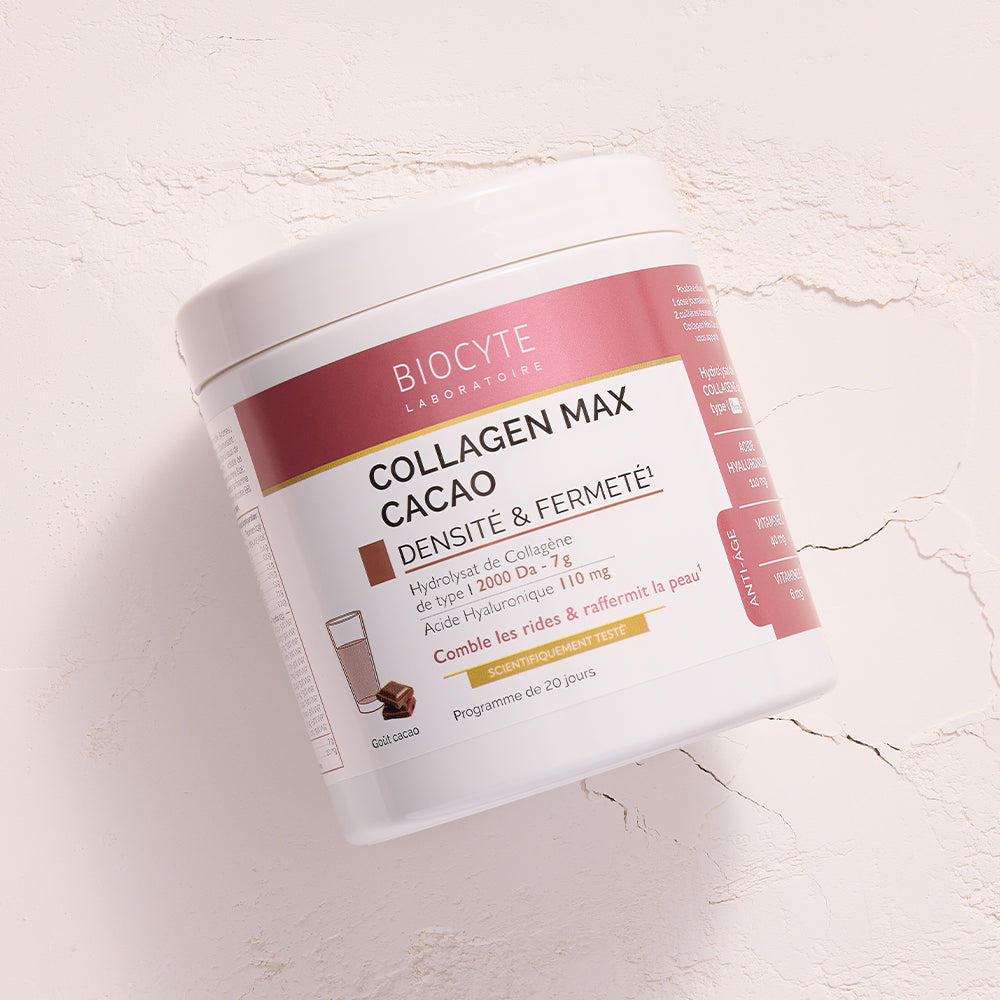
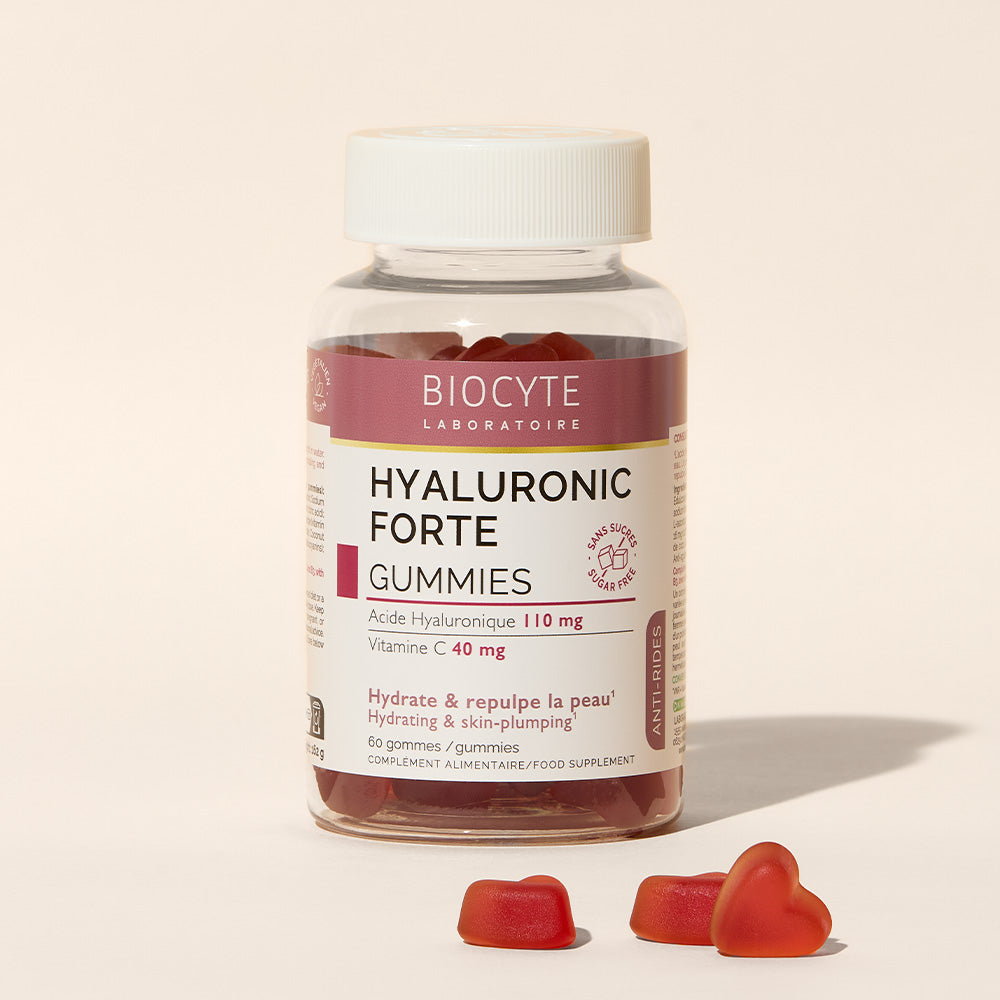
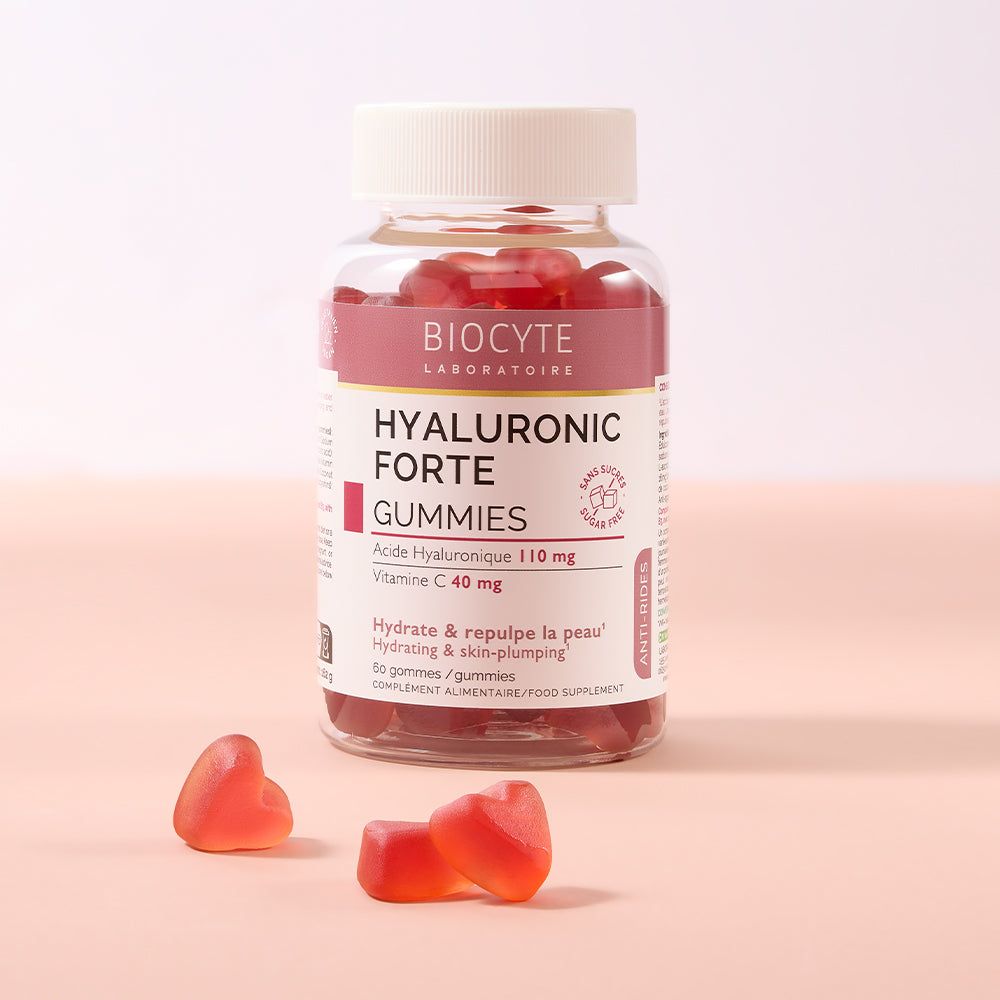
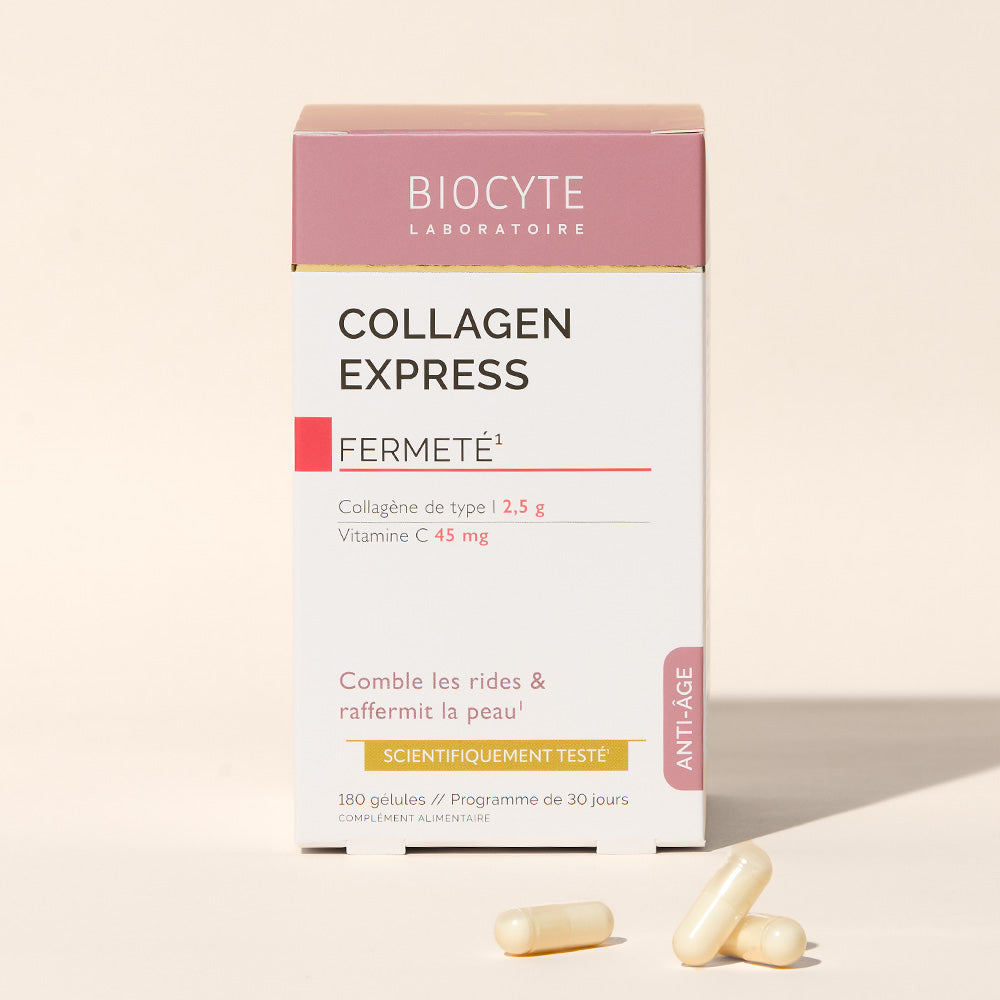
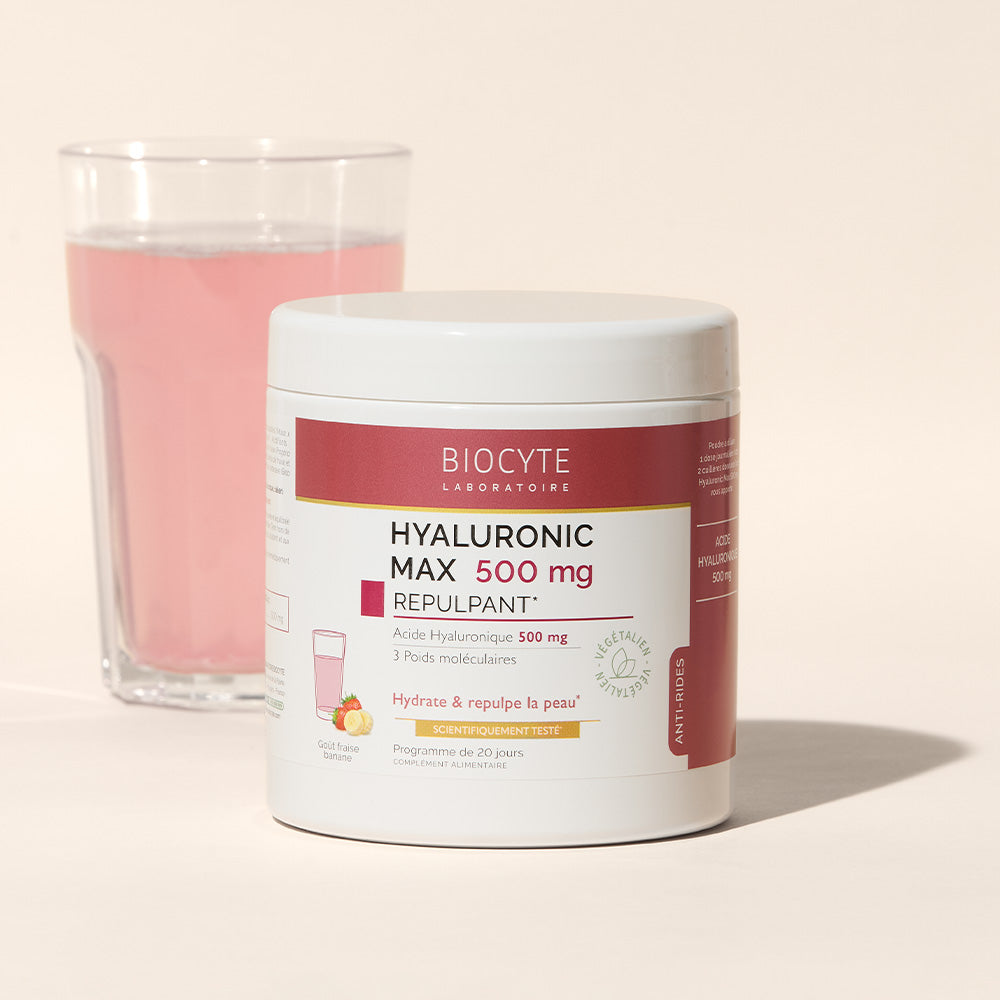
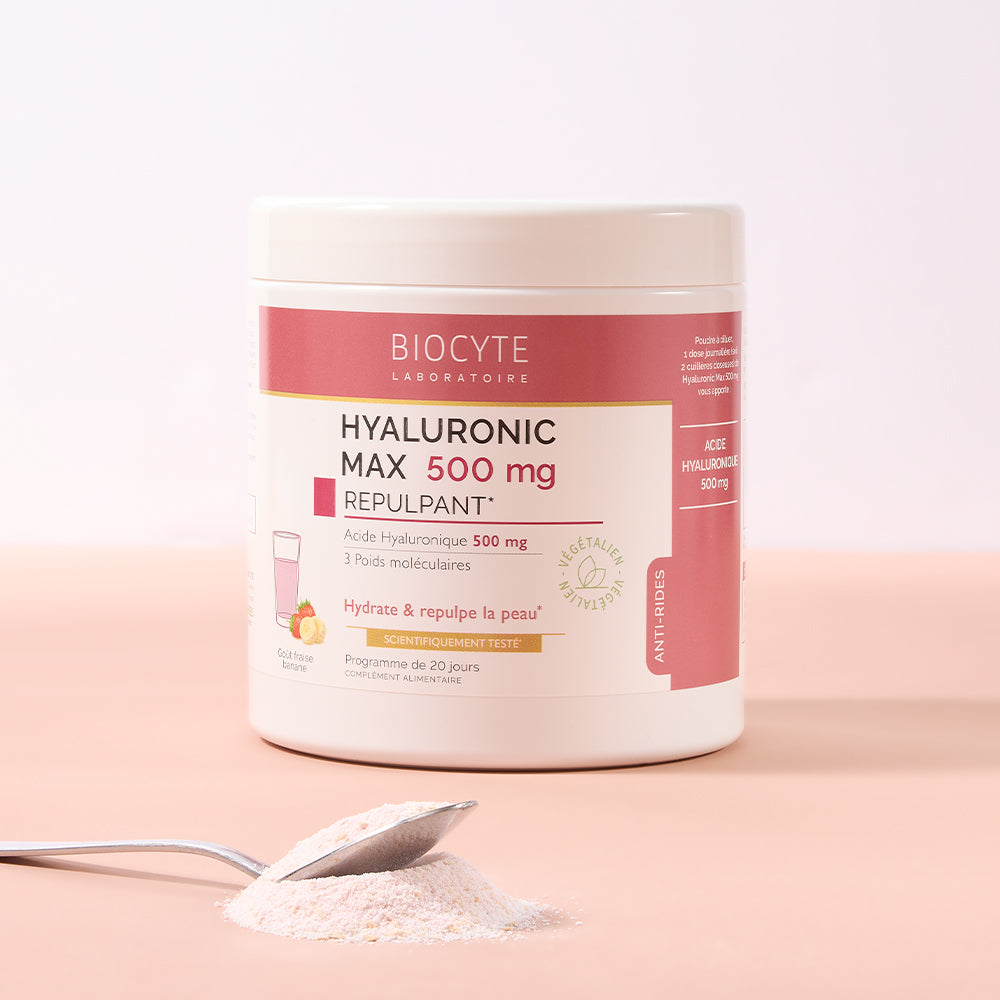
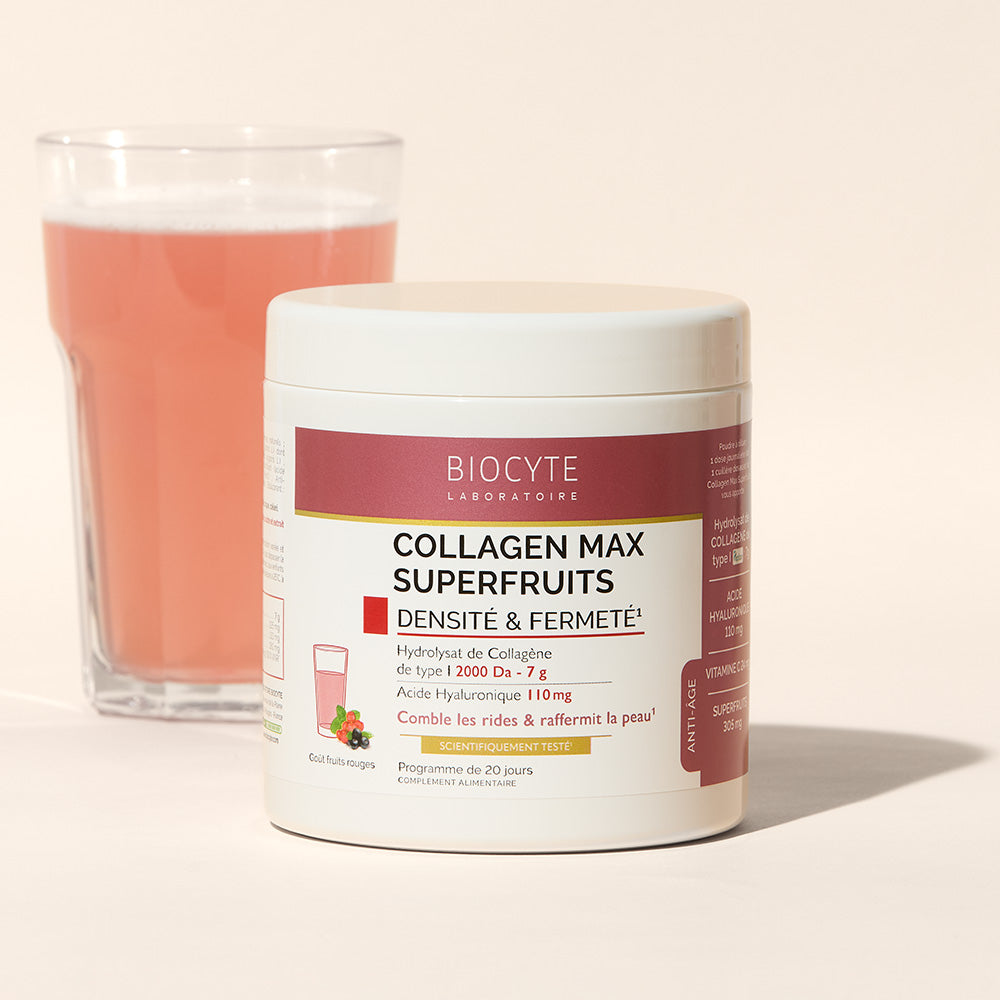
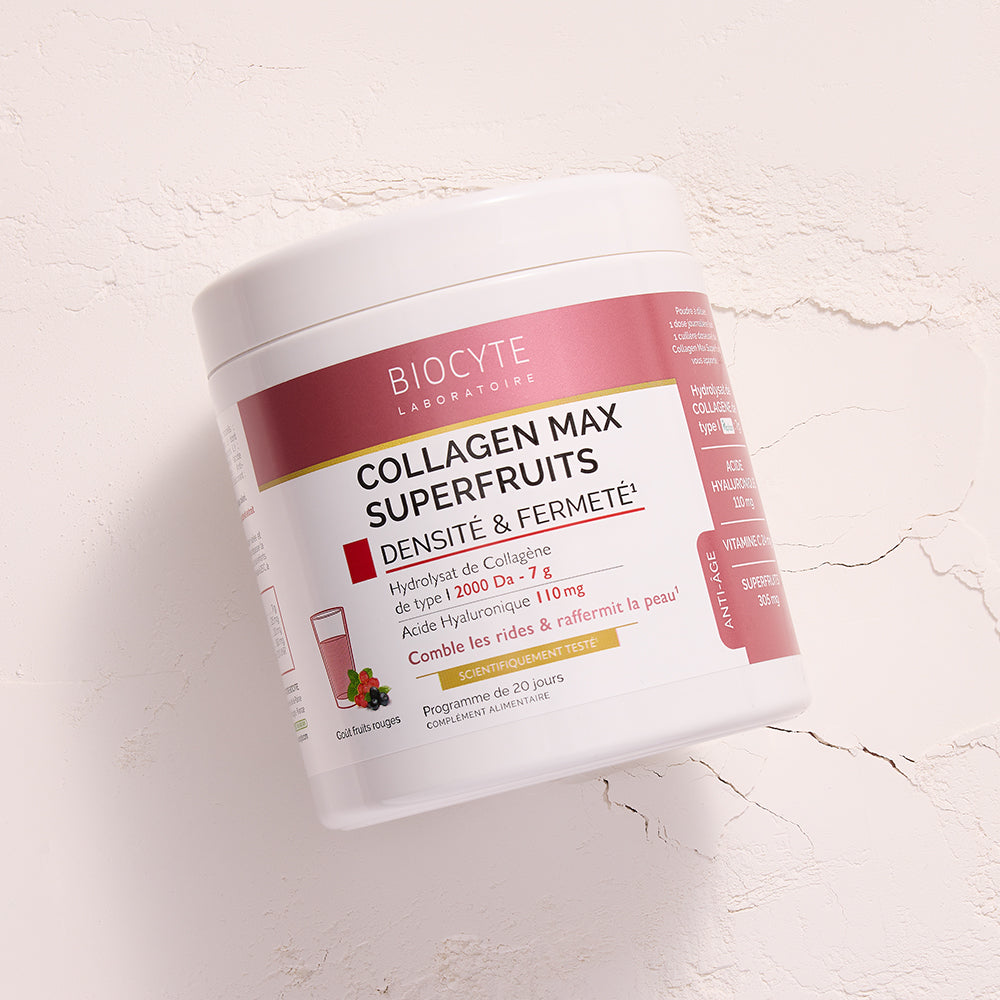
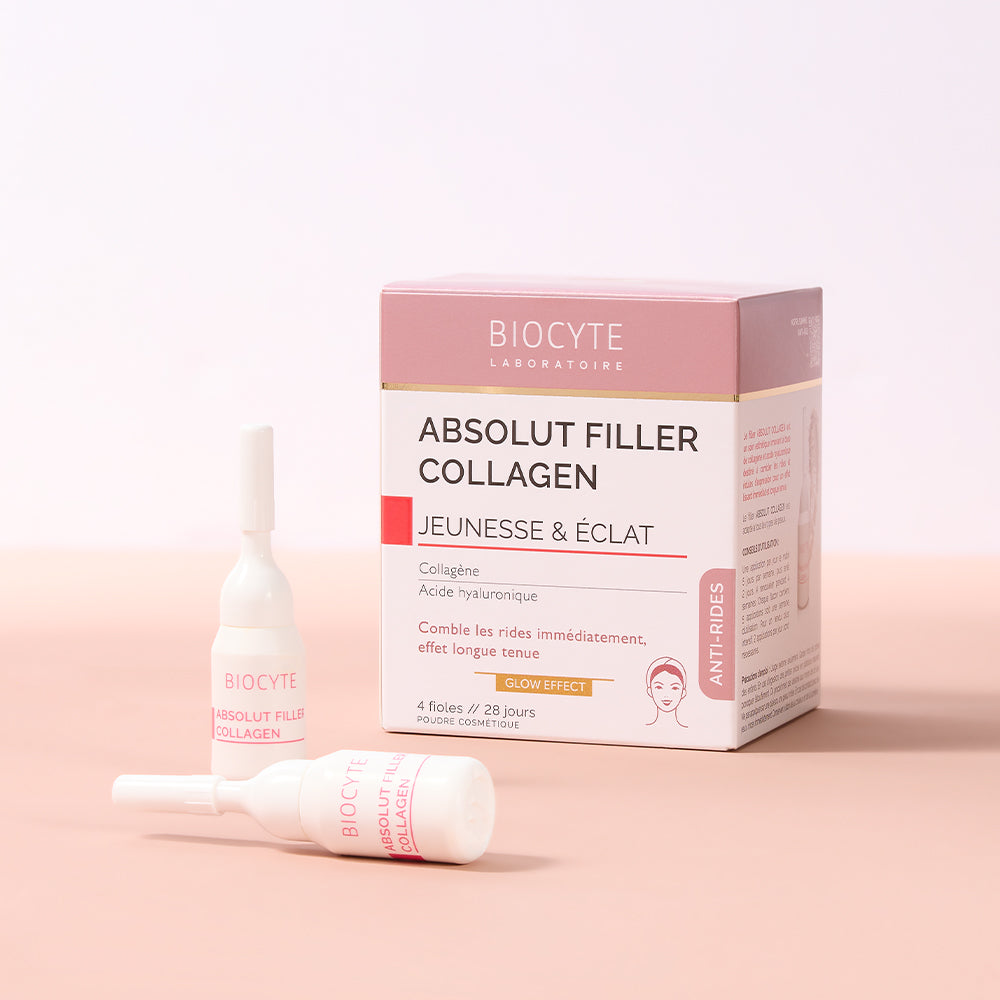
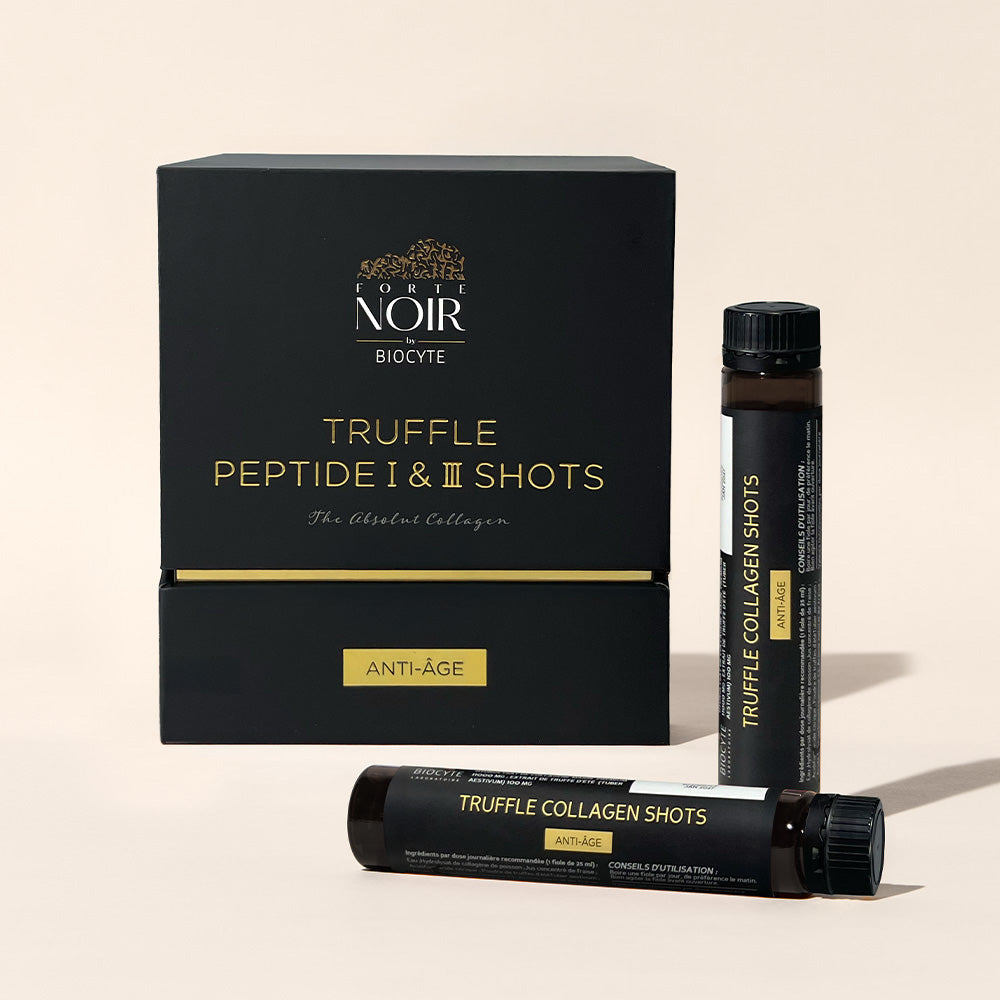
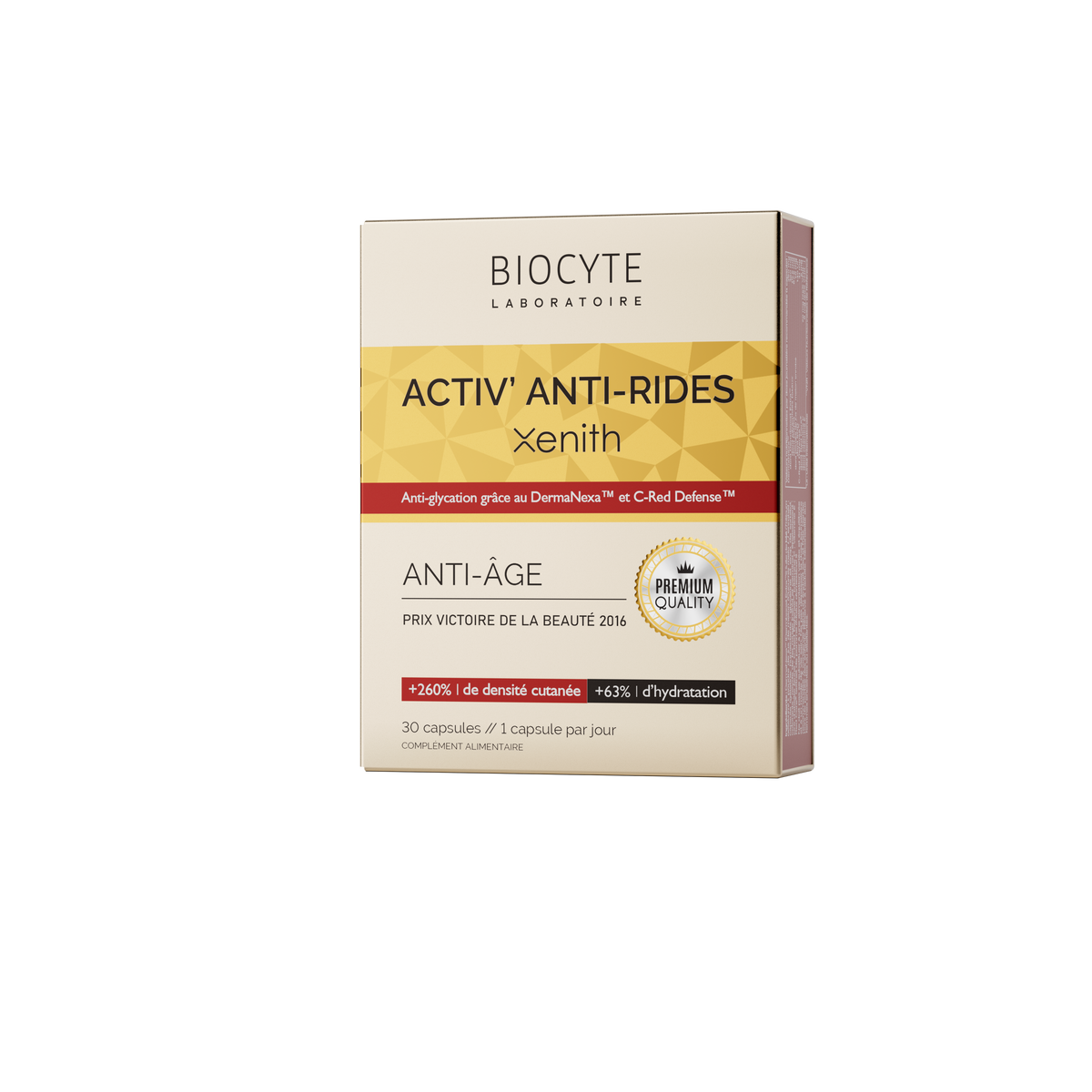
Density, hydration, radiance: the visible quality of the skin largely depends on what happens inside the body. The skin food supplement fits into this logic. It provides nutrients selected for their role in skin physiology, in addition to applied skincare and a balanced diet.
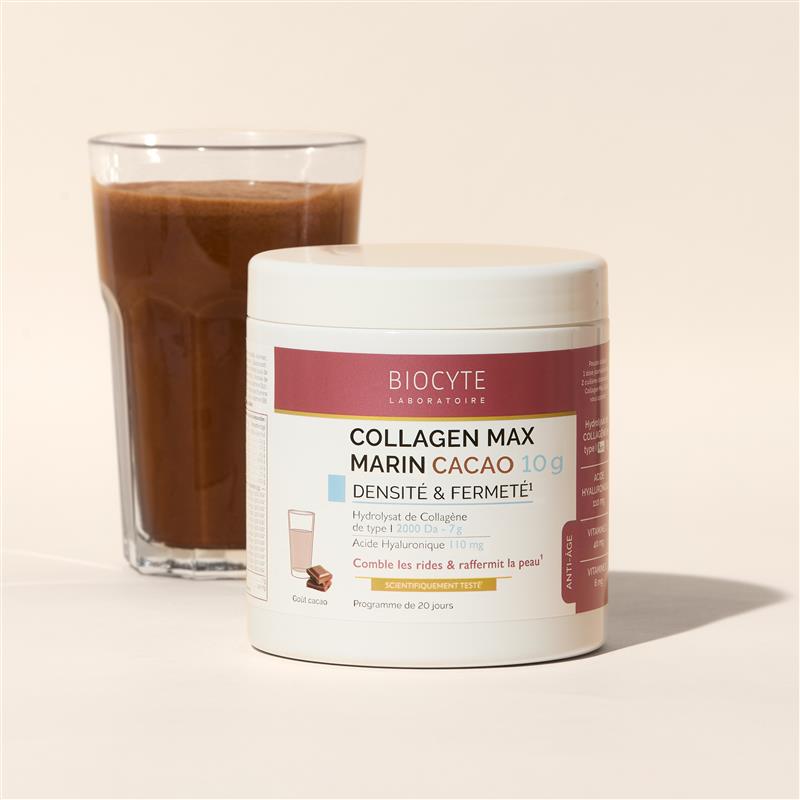
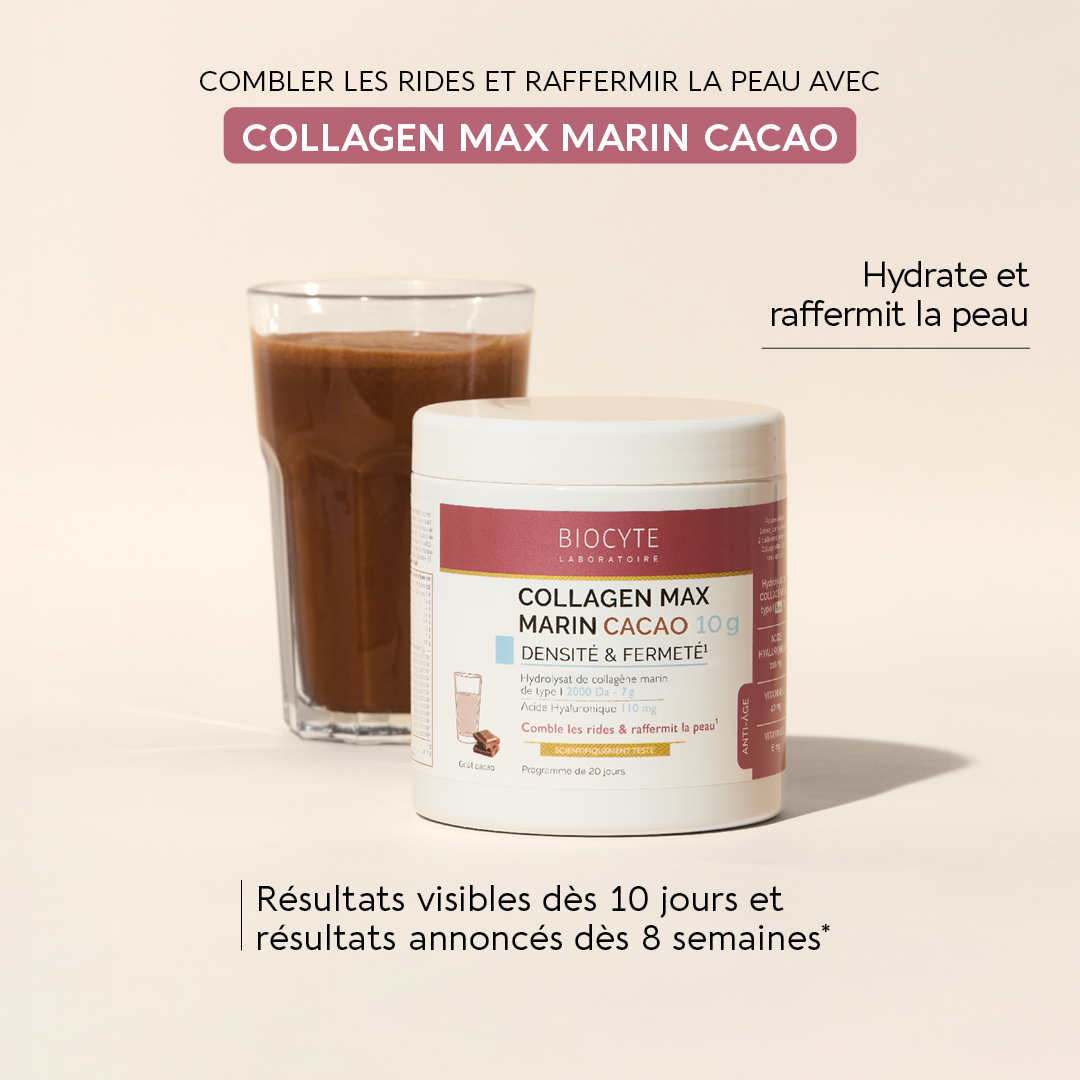
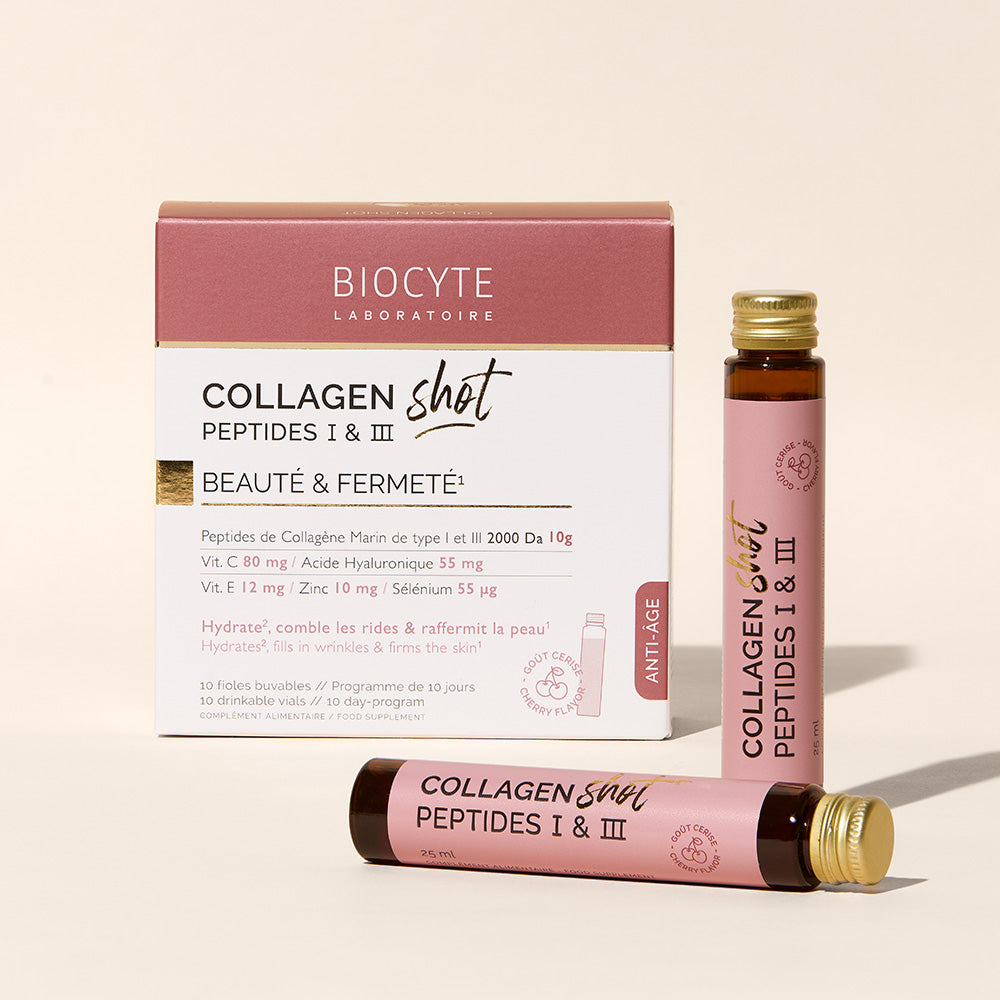
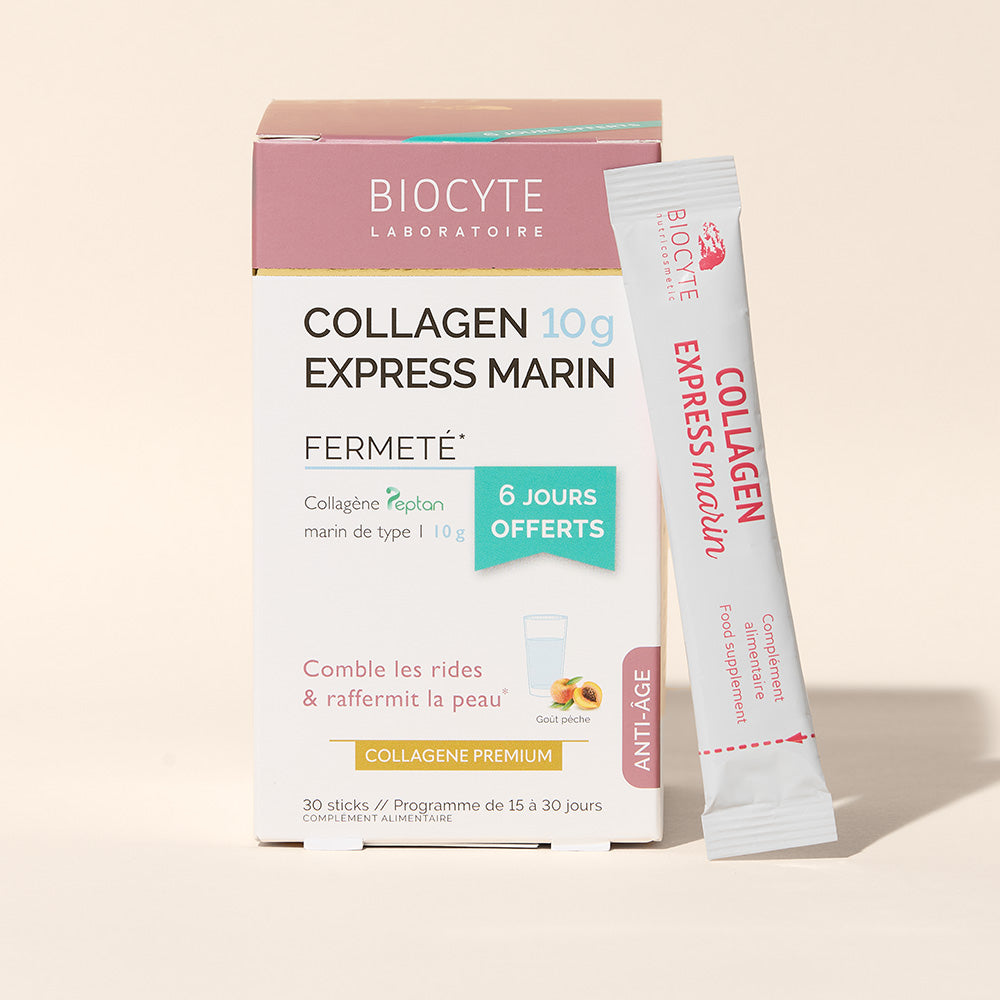
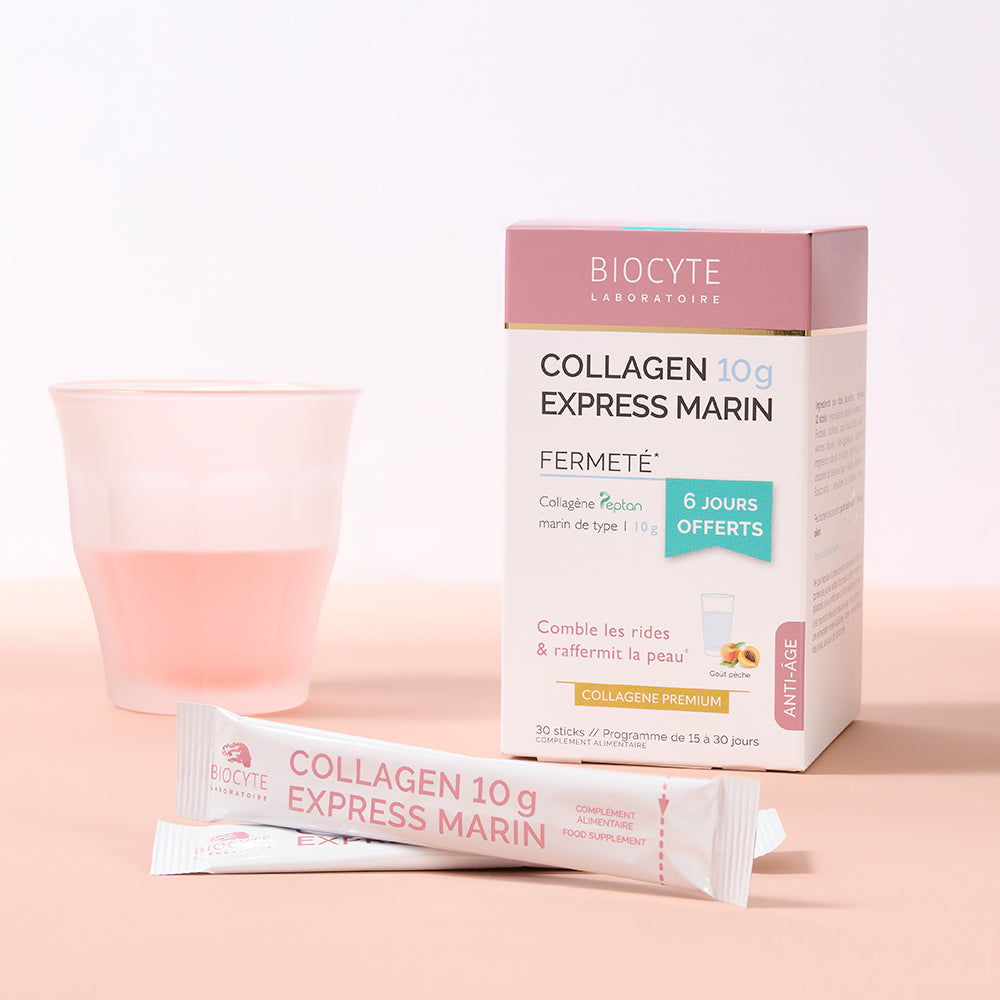
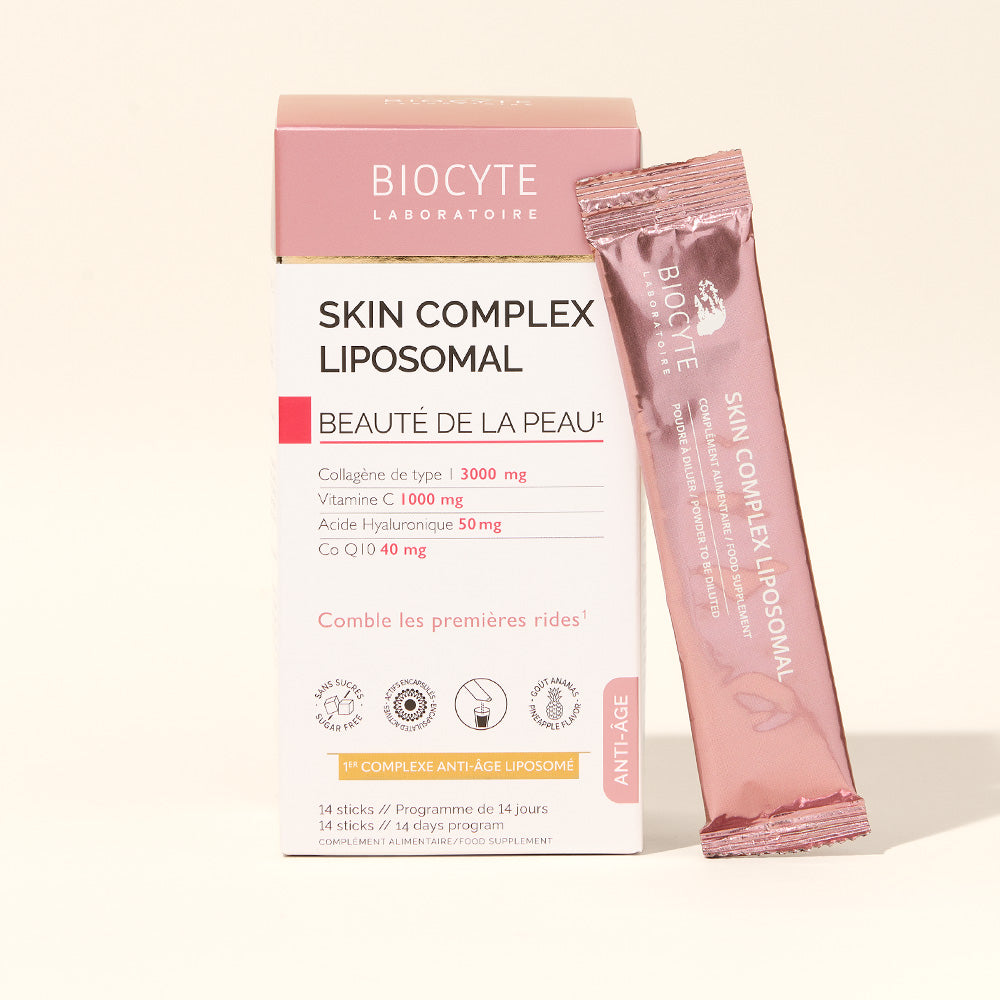
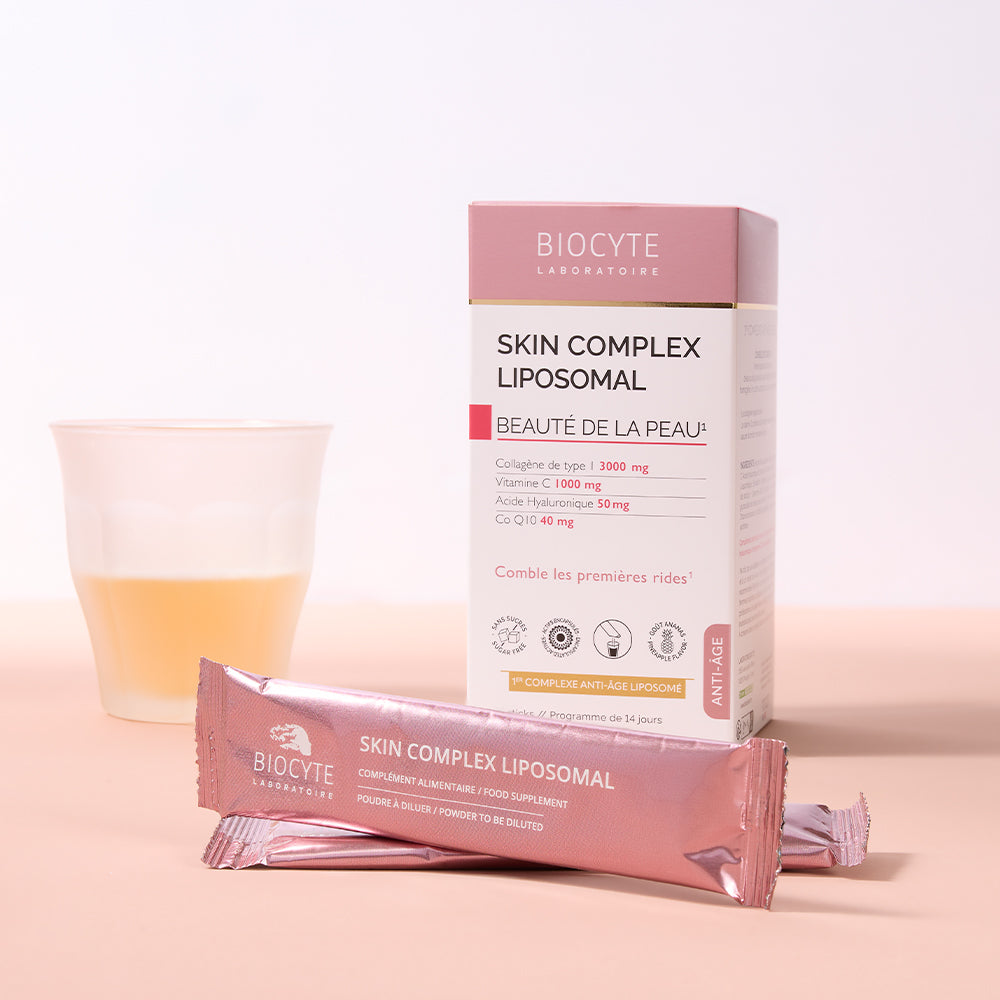
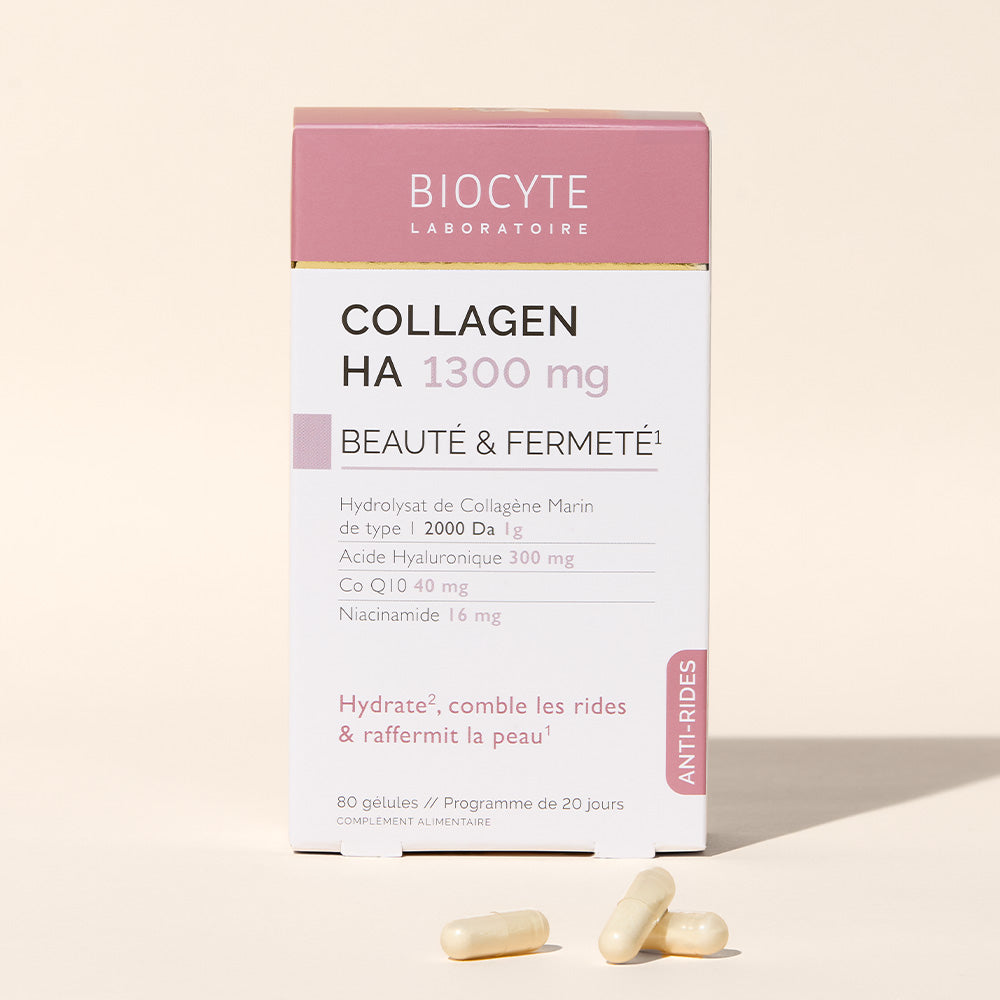
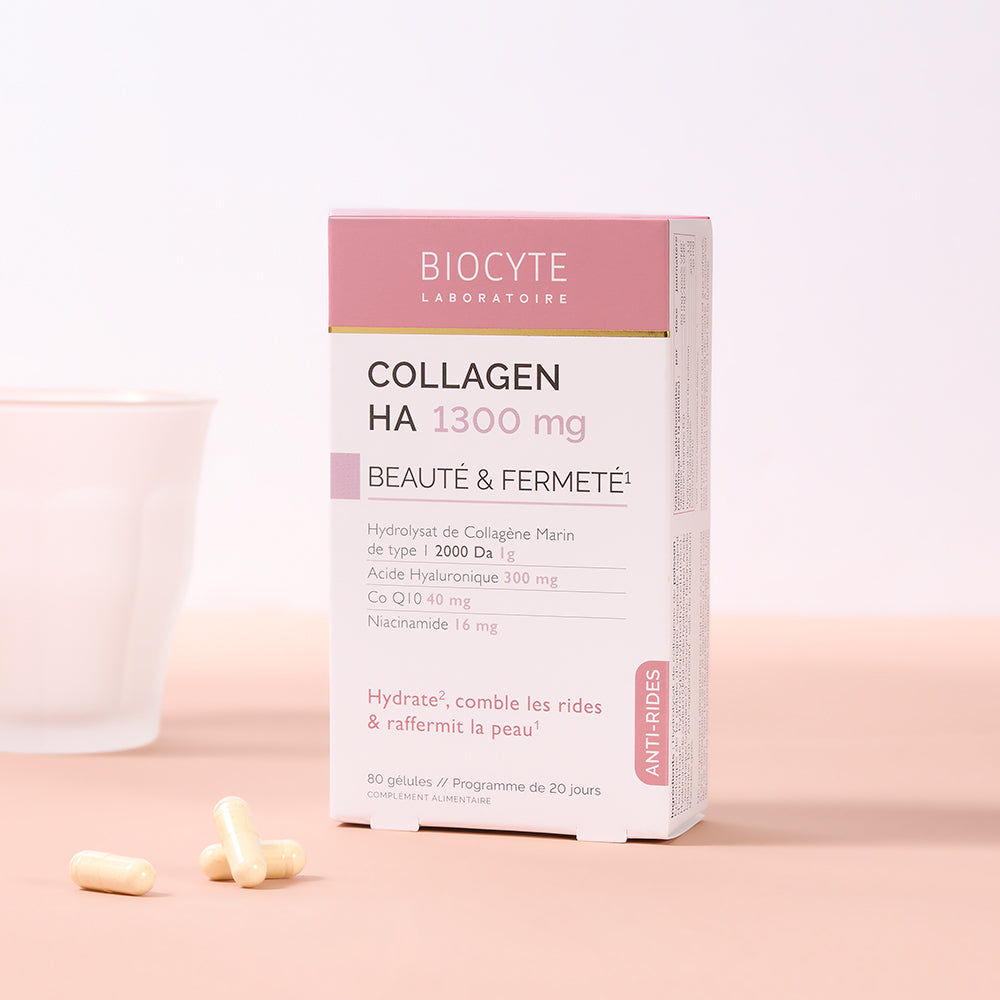
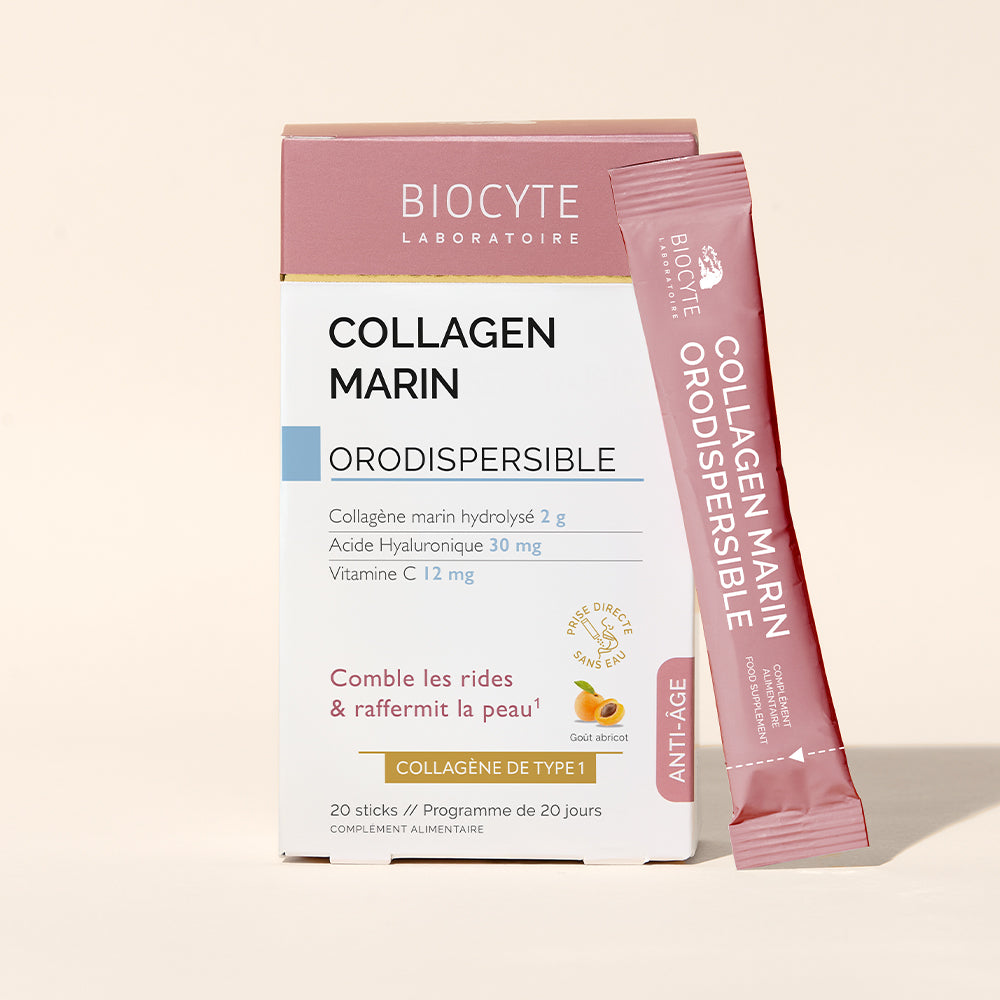
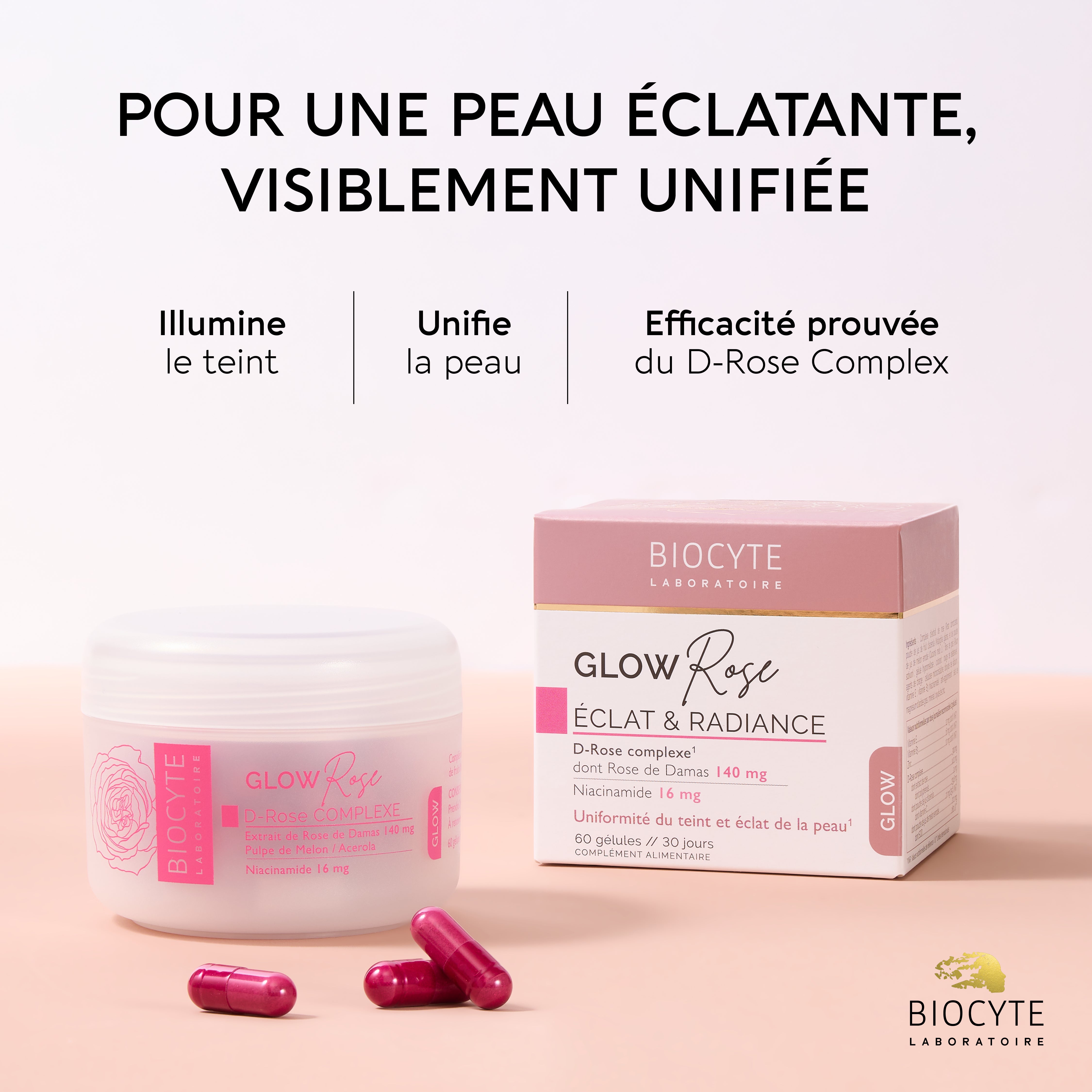
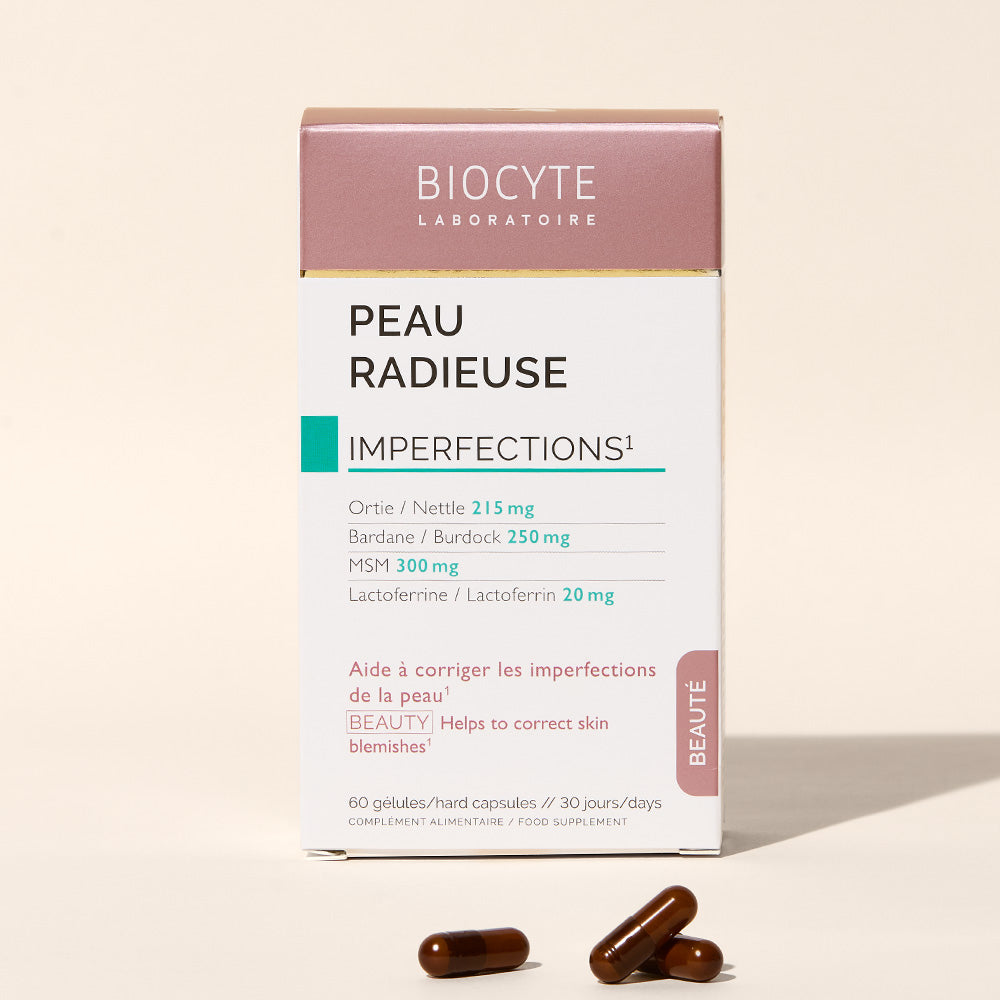
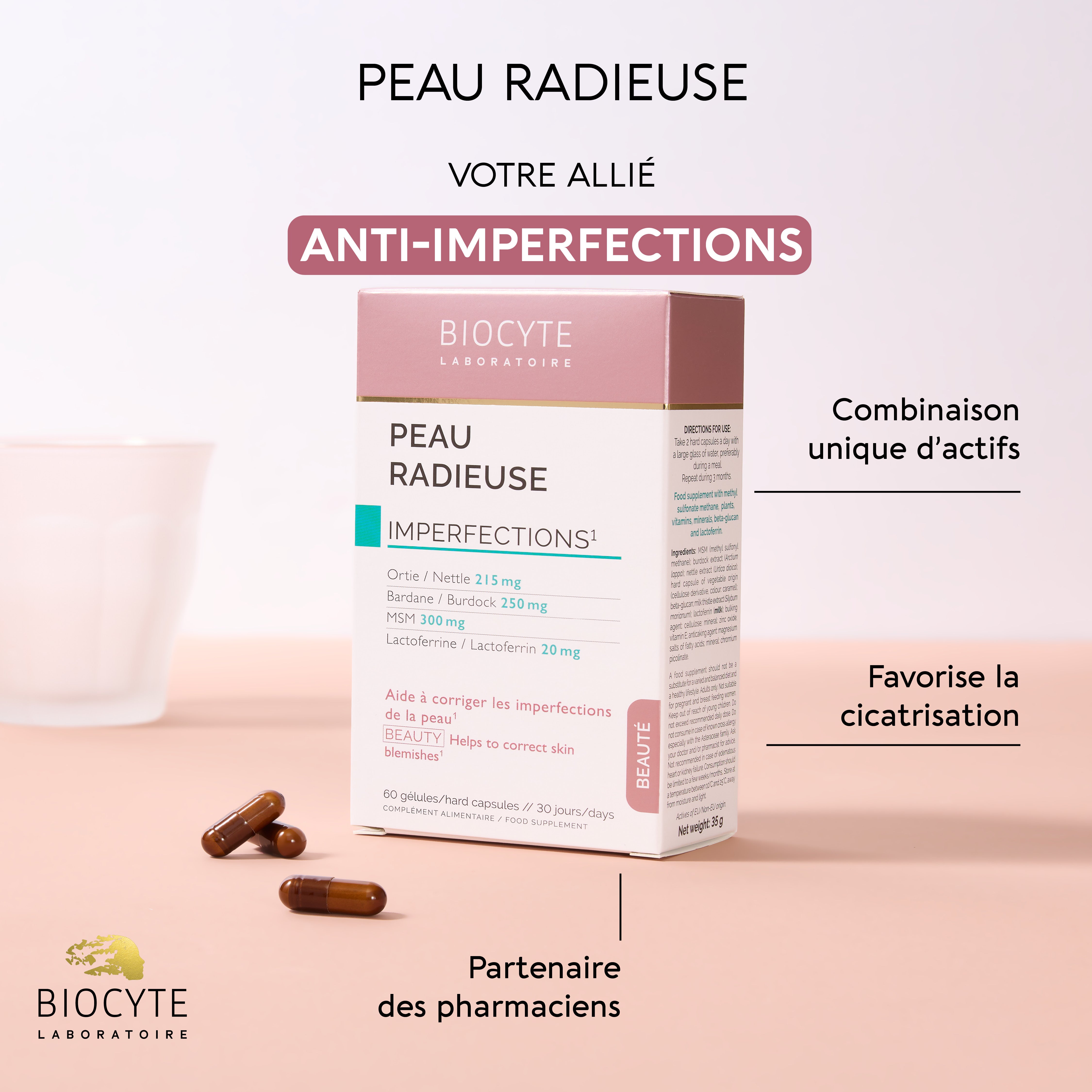
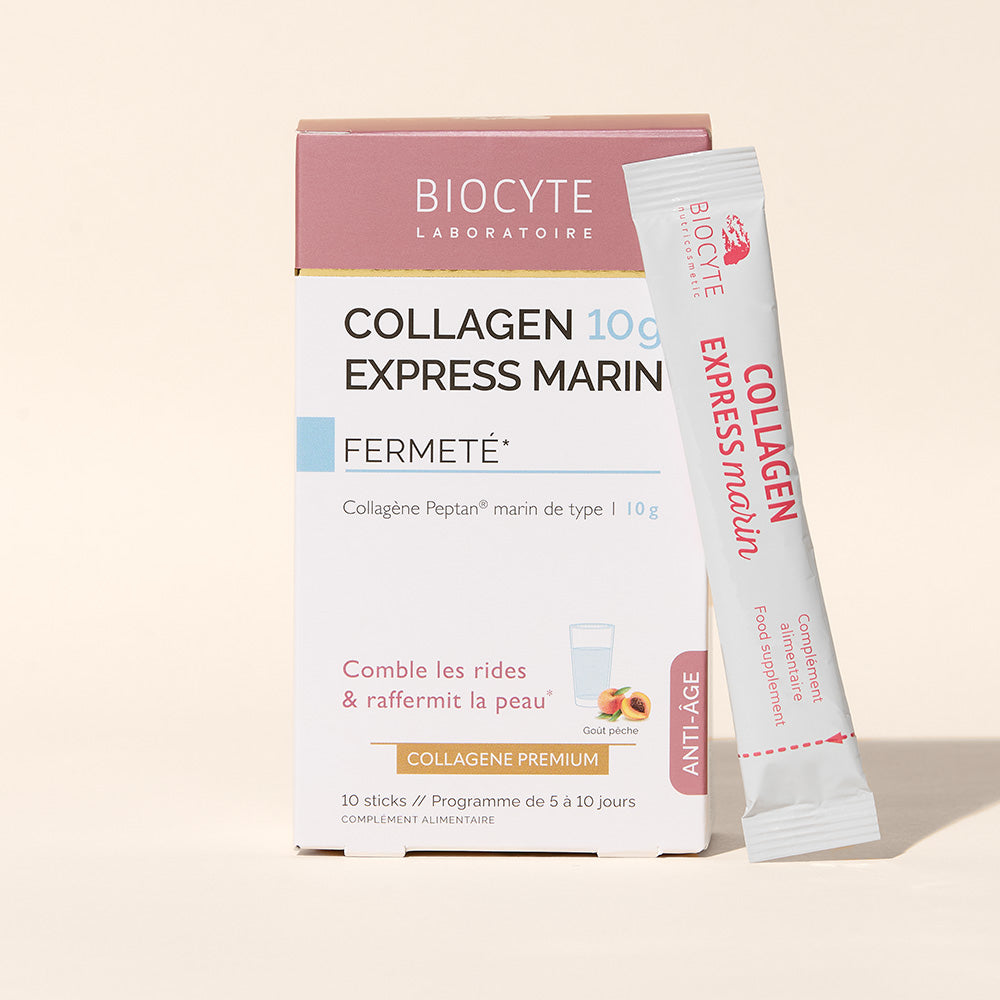
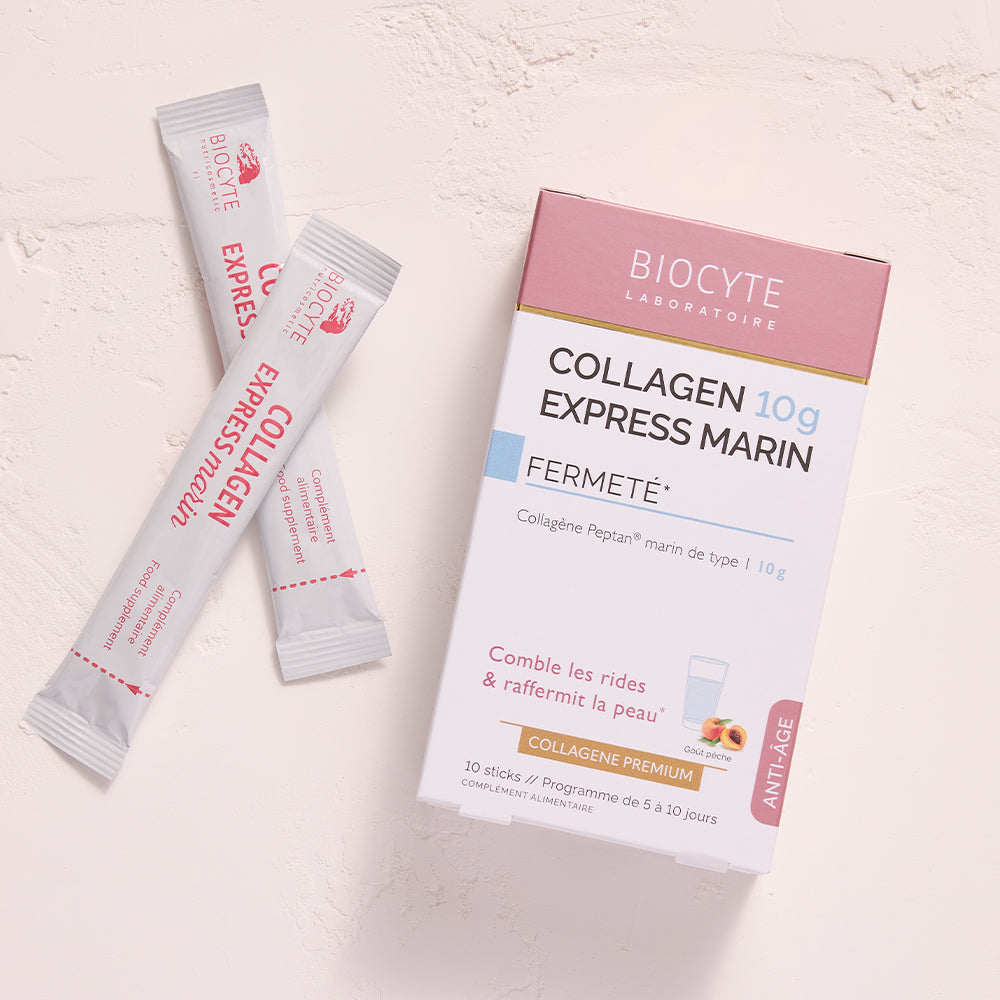
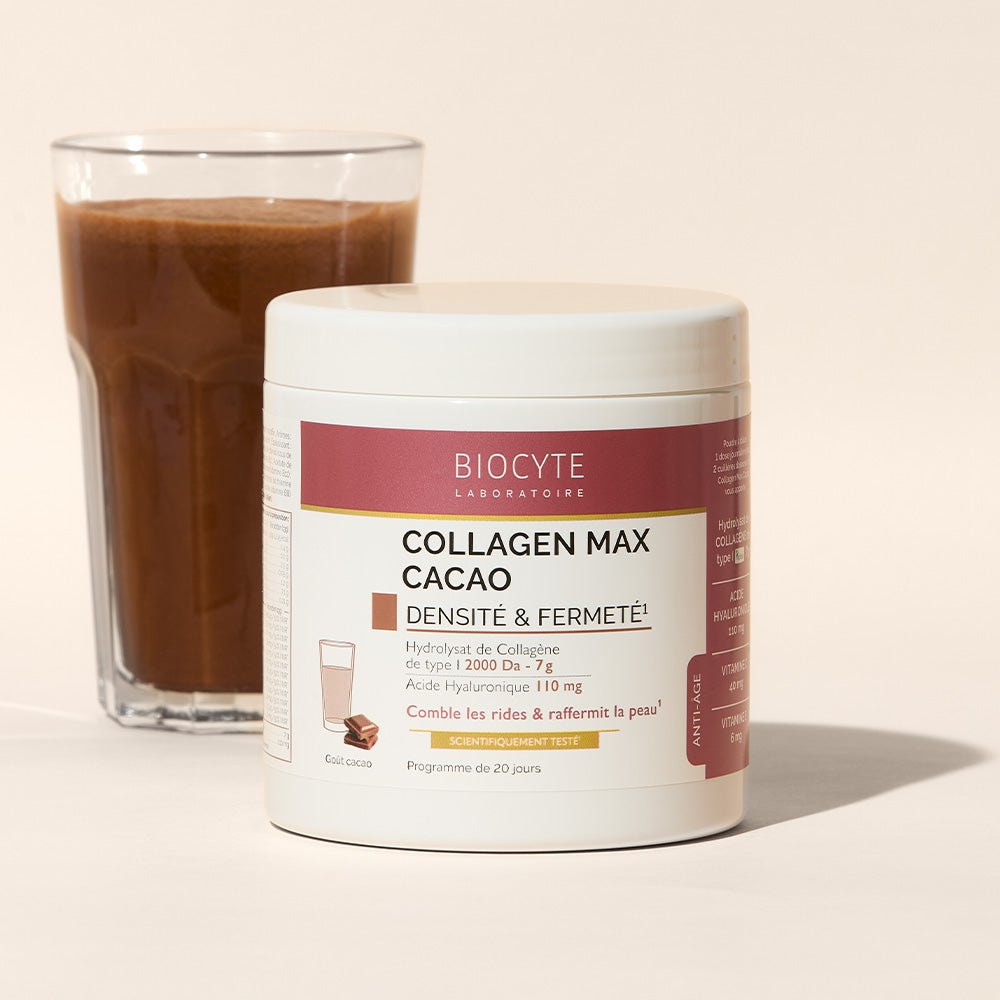
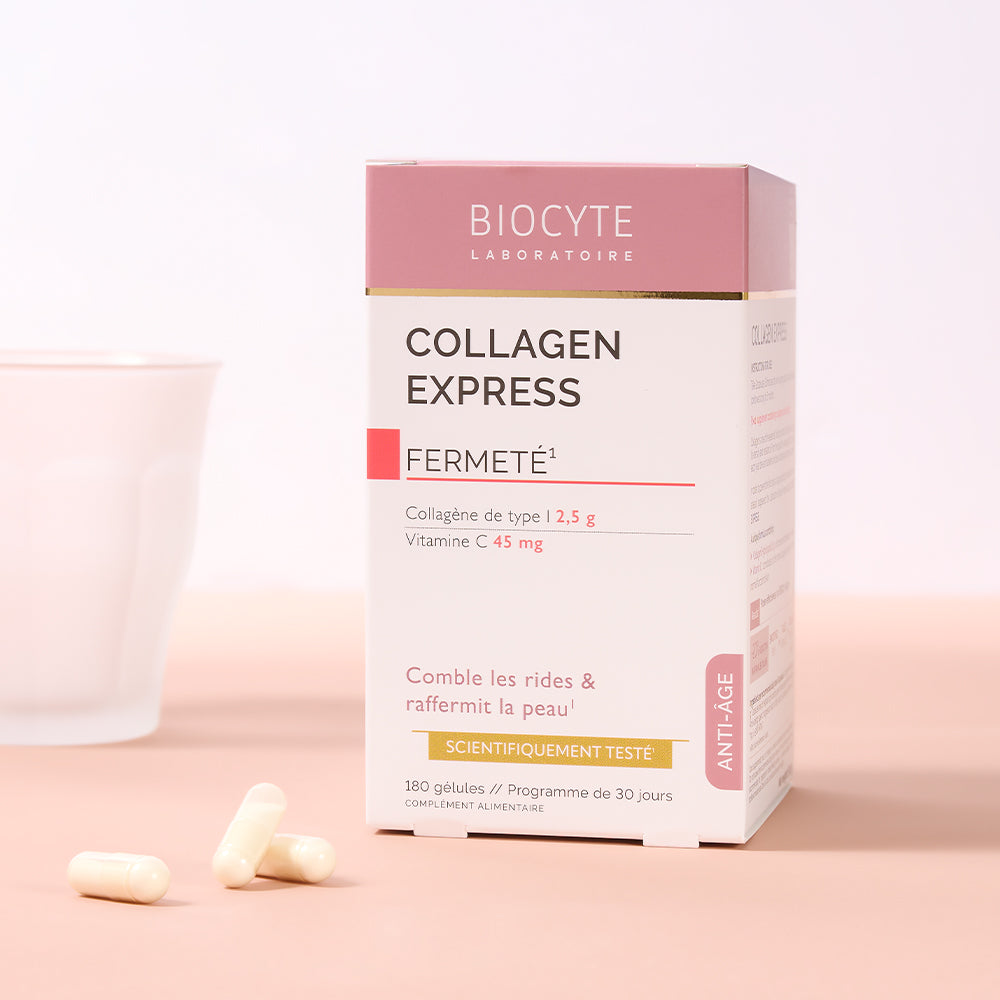
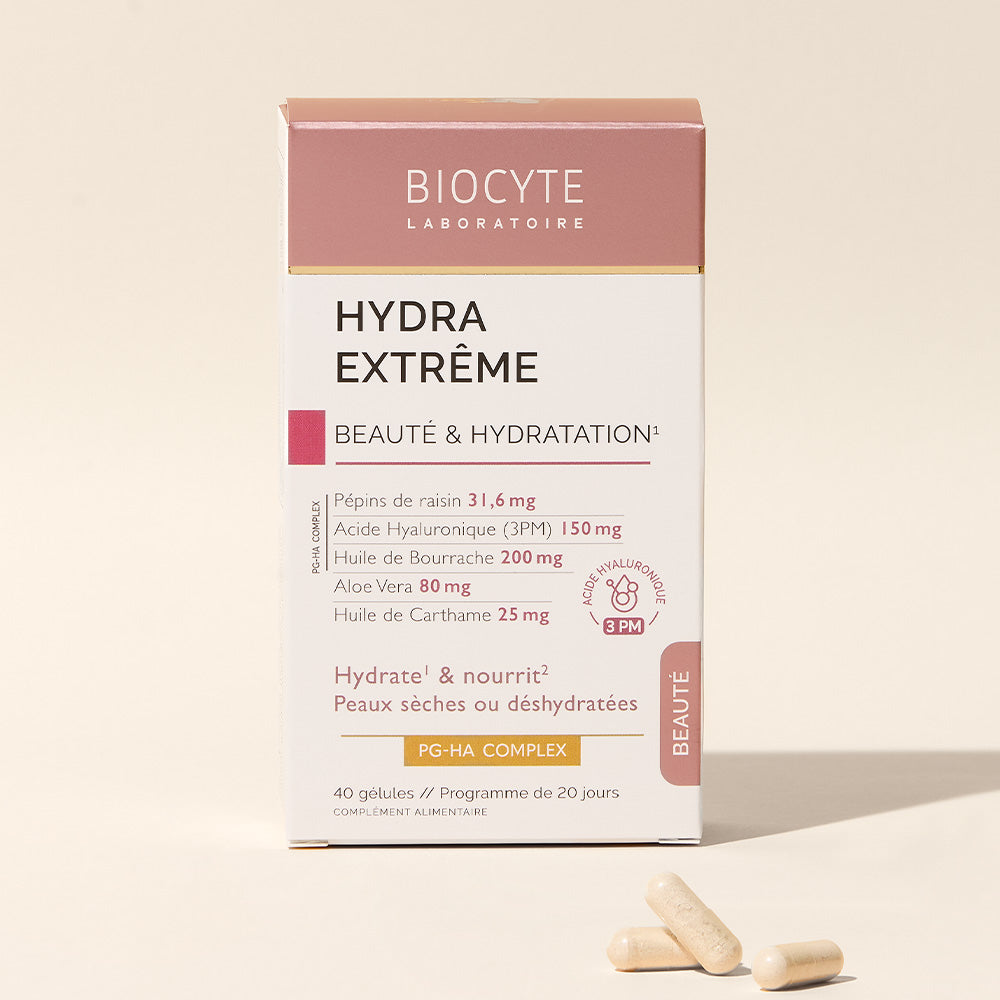
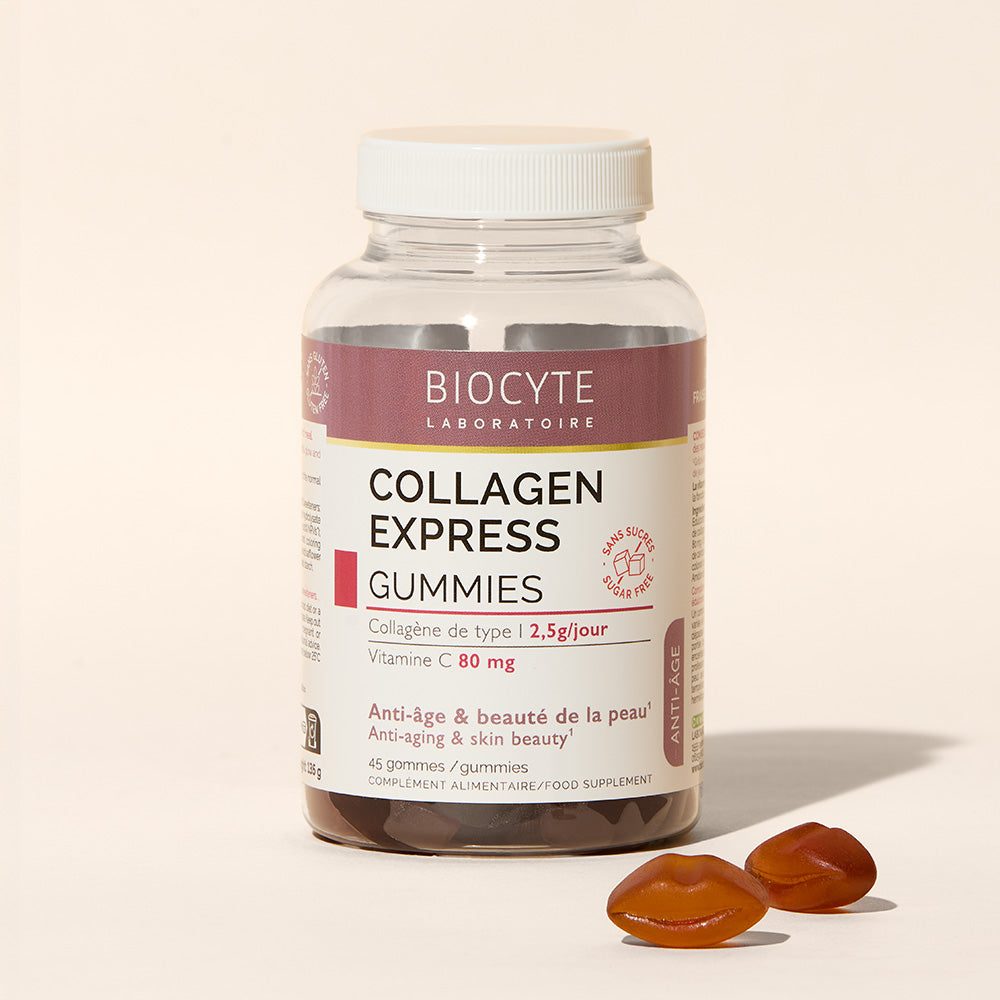
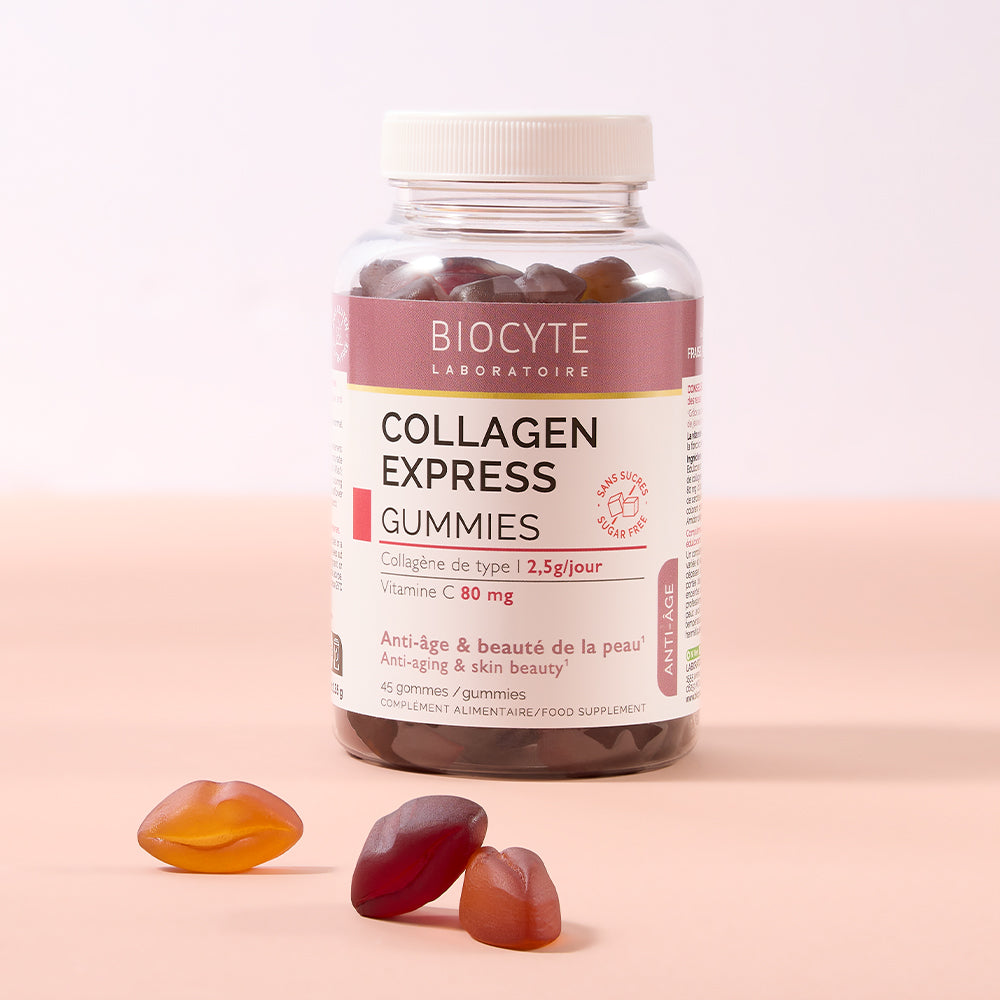
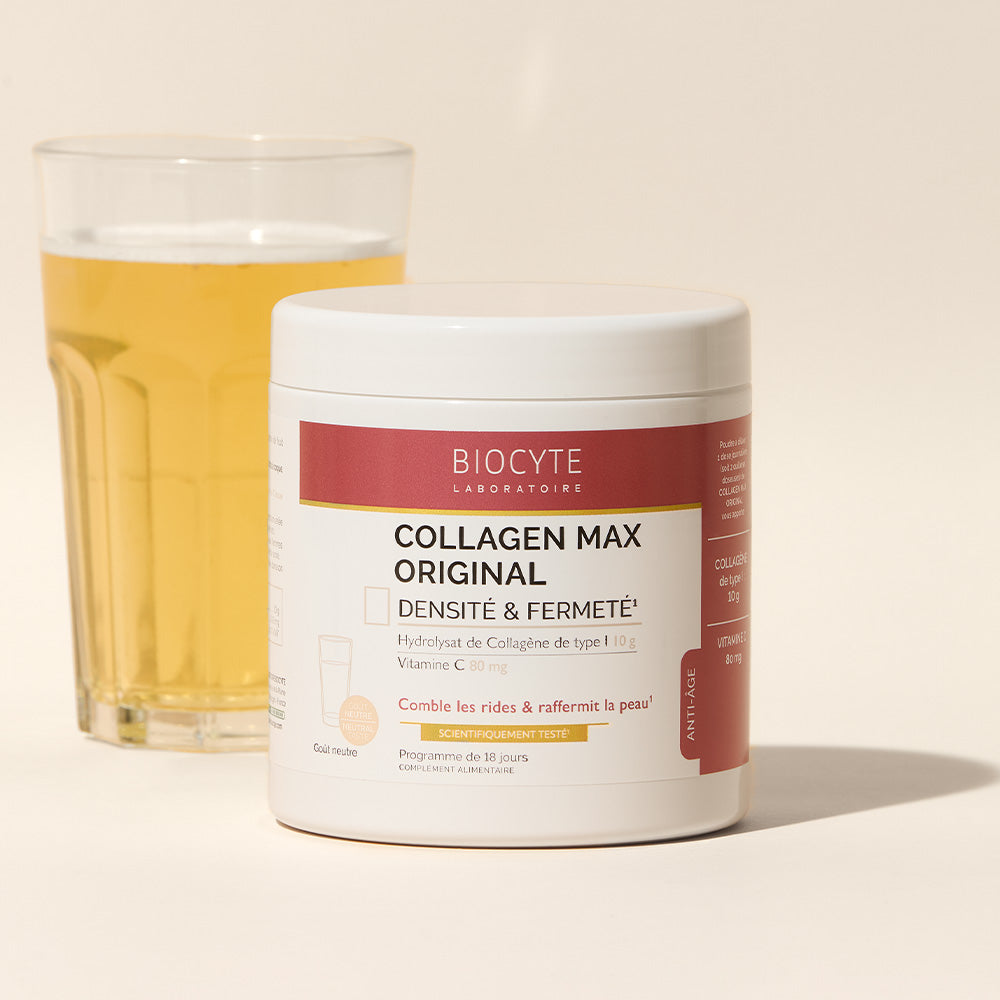
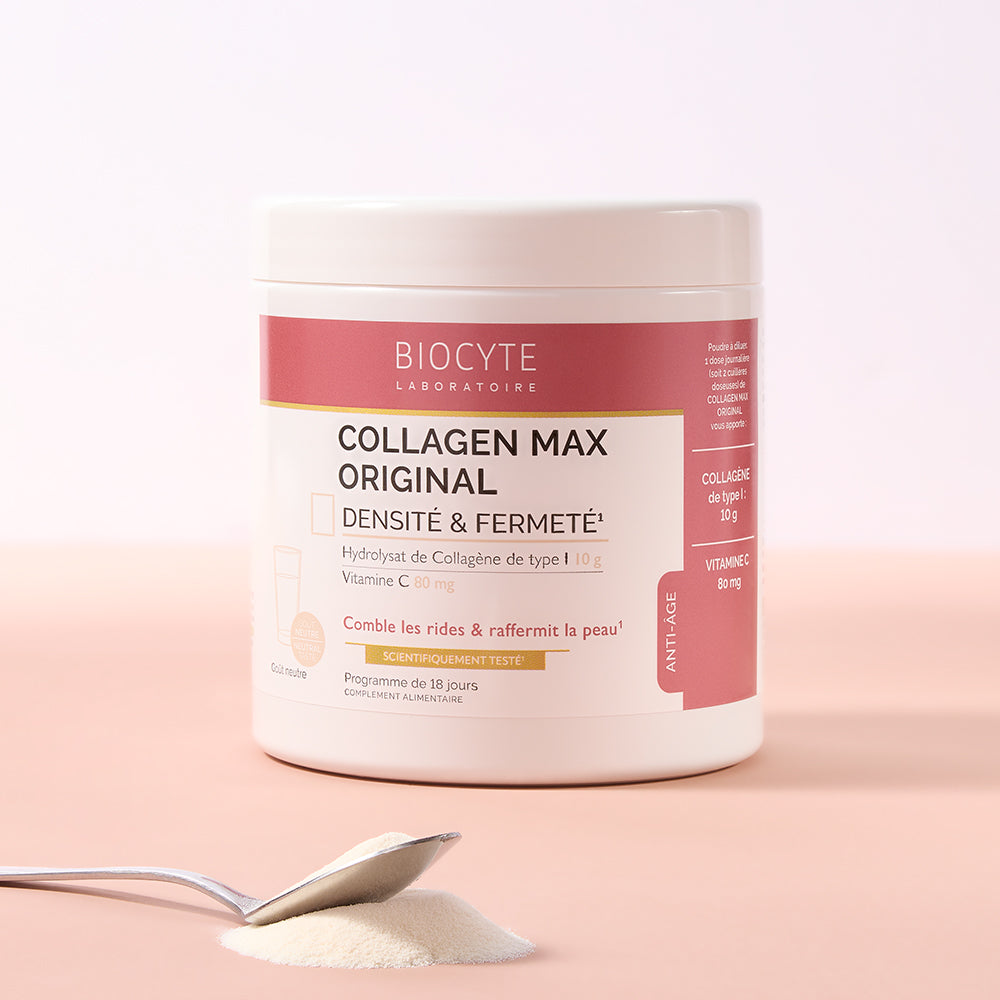
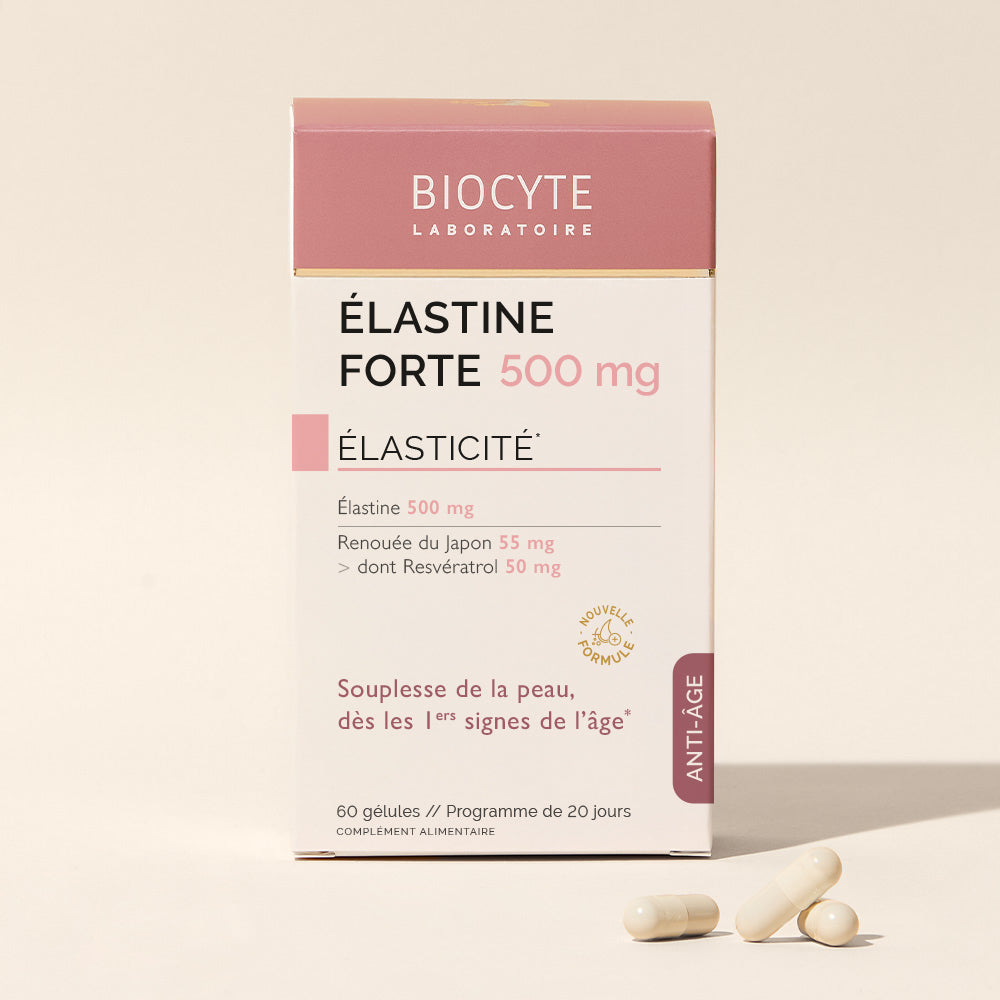
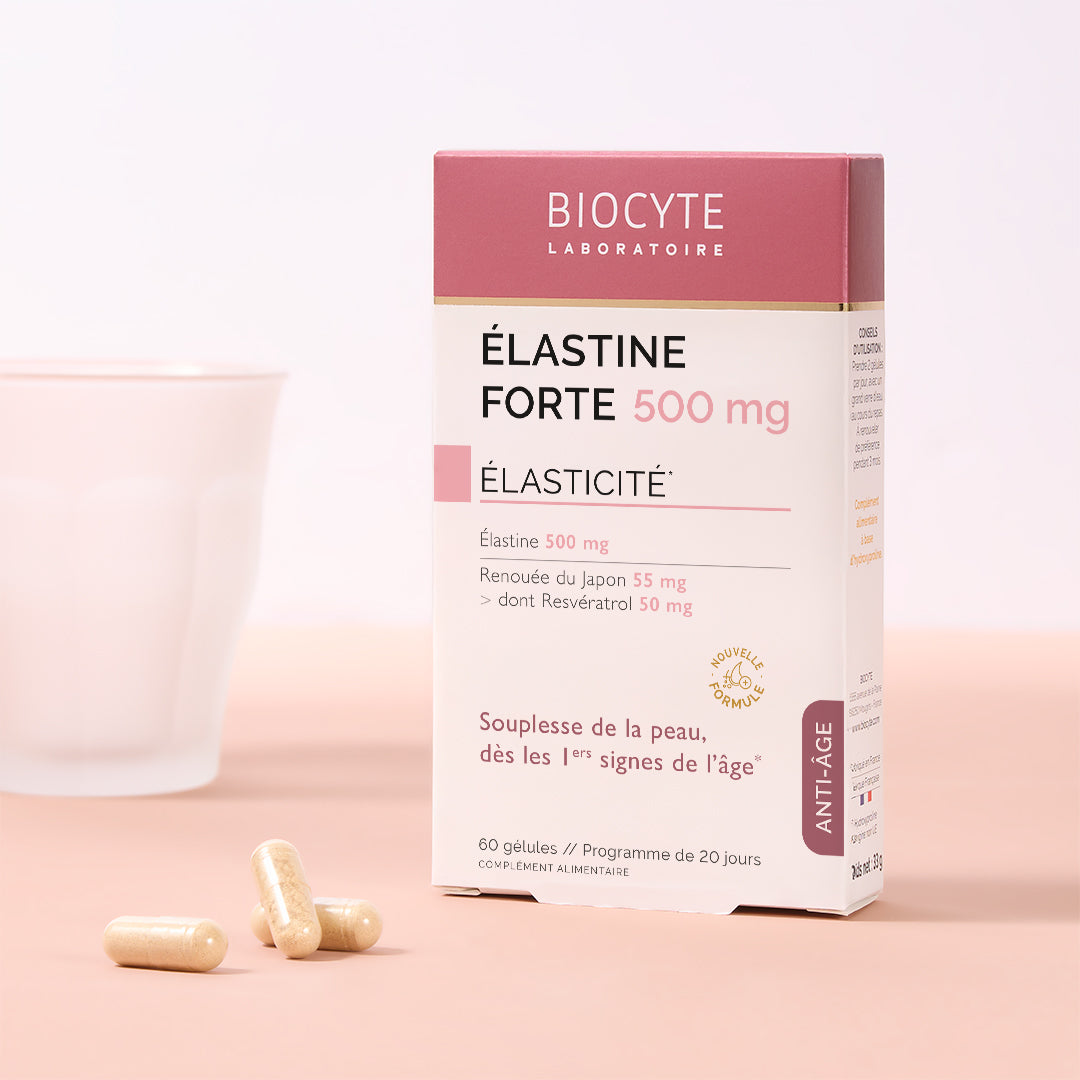
Biocyte nutricosmetic formulas combine collagen peptides, vitamins, and trace elements, chosen for their quality and bioavailability. Vitamin C thus contributes to normal collagen formation to ensure the normal function of the skin, and zinc to the maintenance of normal skin. Each product meets a specific need: structure and firmness, hydration, or complexion radiance.
Why take a food supplement for the skin?
The skin is the largest organ in the body and one of the most metabolically active. Its epidermis is constantly renewing: in young adults, cells produced in the deeper layers reach the surface in about four weeks, a pace that slows down with age. Under the epidermis, the dermis maintains the structure of the whole through a dense matrix of collagen fibers, elastin, and hyaluronic acid.
This permanent activity has a nutritional cost. To maintain its barrier function, cohesion, and adaptability, the skin mobilizes amino acids, fatty acids, and micronutrients every day. It is also exposed to factors that accelerate its wear and tear: the sun, whose UVA rays reach the dermis and generate oxidative stress, pollution, tobacco, hormonal fluctuations, or insufficient sleep.
When the diet no longer covers these specific needs, the skin food supplement provides, from the inside, targeted nutrients involved in skin physiology. It does not replace topical treatments: it complements them. Applied skincare acts mainly on the surface, on the epidermis; the nutrient enters the bloodstream and reaches the dermis, where collagen formation takes place.
This is the entire principle of nutricosmetics: considering beautiful skin as the visible expression of internal biological balance. A food supplement for the skin is therefore part of a global approach to health, alongside a varied diet, sufficient hydration and controlled sun exposure.
Which active ingredients should be prioritized for healthy skin?
Not all active ingredients play the same role. Some are constituents of the skin structure, others are essential cofactors for its function. A coherent skin food supplement combines these two levels, with forms chosen for their bioavailability and dosages based on available scientific data.
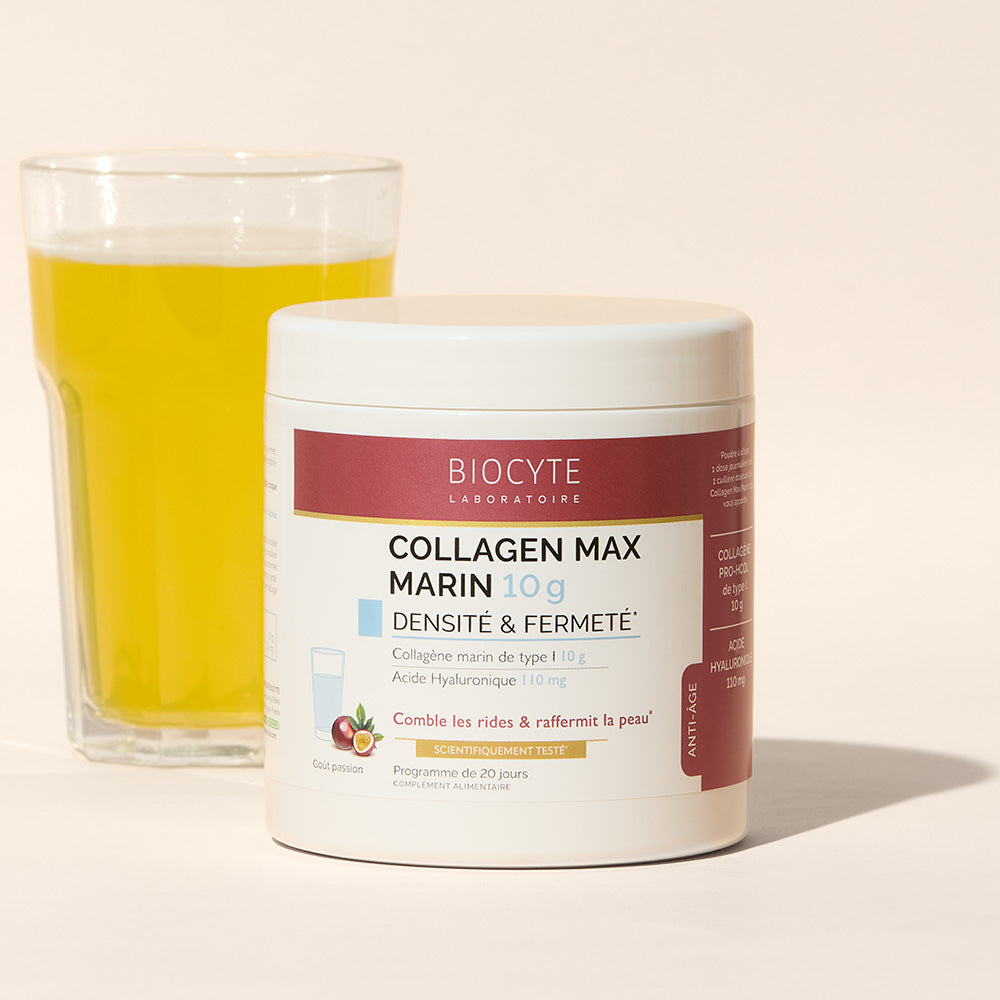
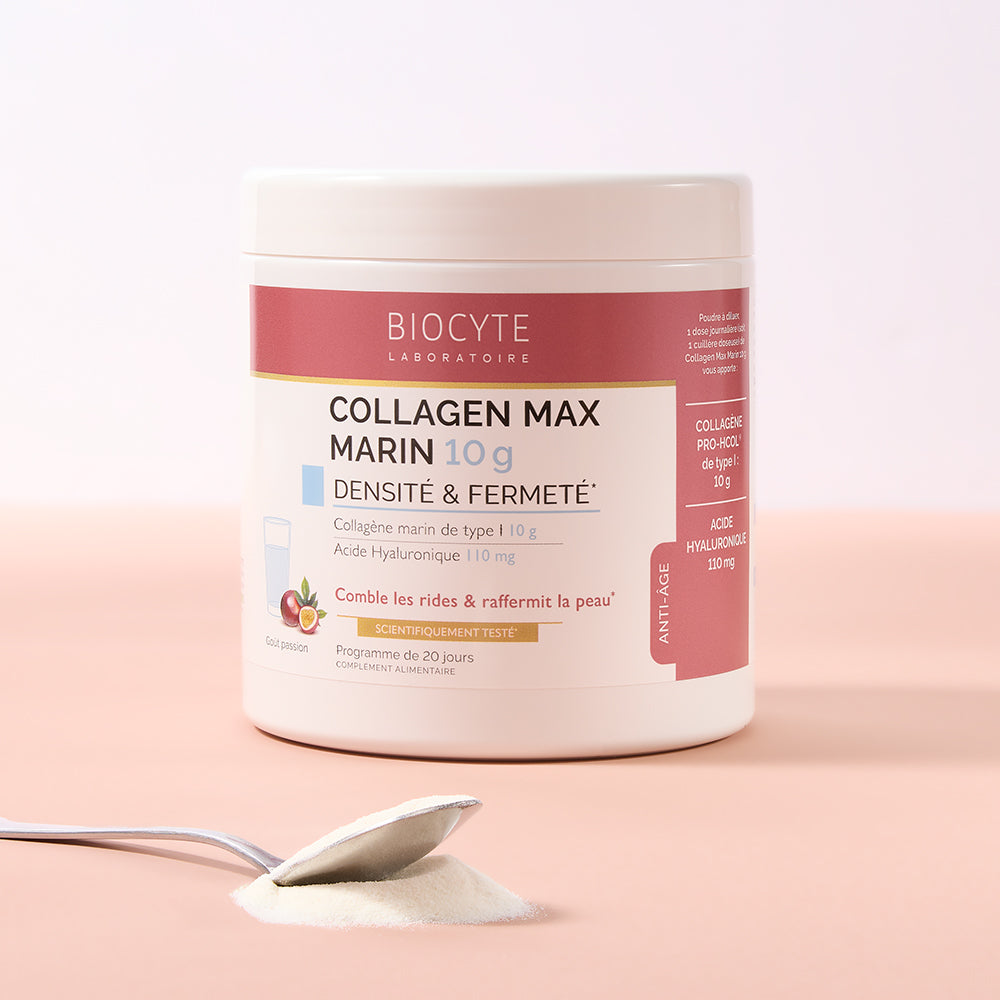
Marine or bovine collagen, a benchmark active ingredient
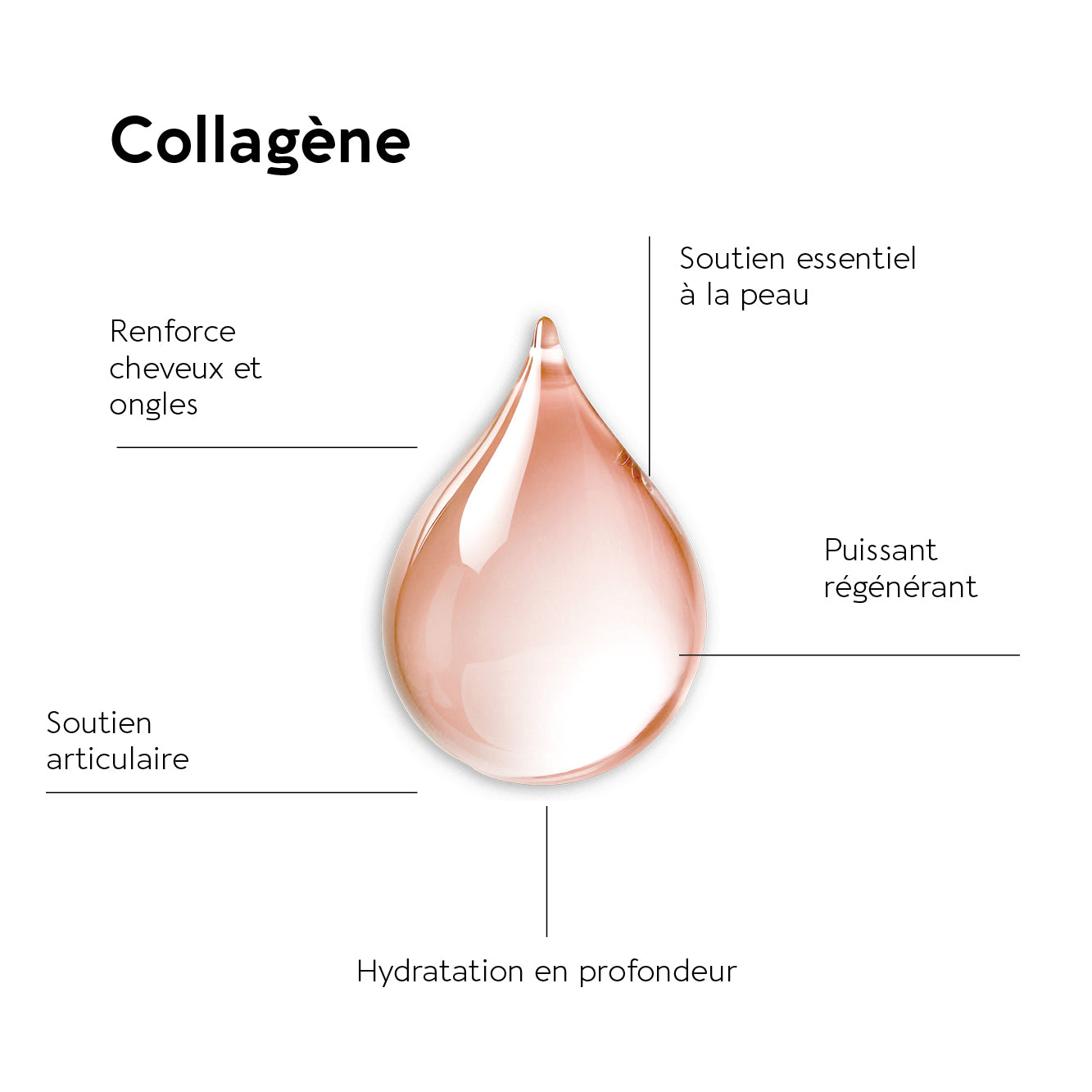
The collagen, a major structural protein of the dermis, represents the bulk of the skin's dry weight. Type I and III collagens form a network of fibers that gives the tissue its strength. The work of Shuster et al., conducted on skin biopsies, has shown that the collagen content of the skin decreases by about 1% per year from the age of 25, and then more sharply after menopause.
In nutricosmetics, collagen is provided in the form of peptides, of marine or bovine origin. No origin is superior in principle. What distinguishes quality collagen is:
- the degree of hydrolysis, which determines the size of the peptides and their ability to be absorbed;
- the molecular weight, expressed in daltons, which must be documented;
- the purity and traceability of the raw material, from origin to manufacturing.
Collagen is generally combined with vitamin C, which contributes to normal collagen formation to ensure the normal function of the skin.
Collagen peptides: the role of hydrolysis
The collagen peptides are short chains of amino acids. Those derived from collagen are obtained by enzymatic hydrolysis, a process that fragments the native protein, which is too bulky to cross the intestinal barrier as is.
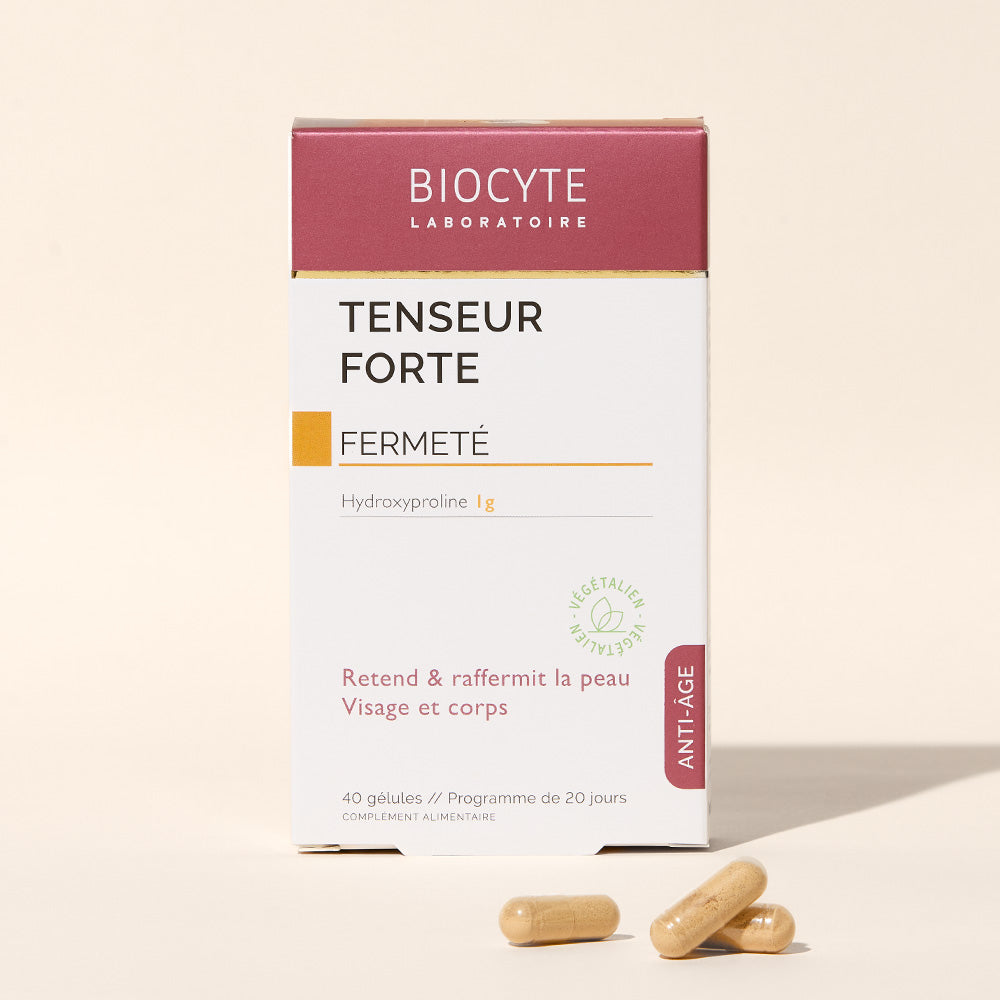
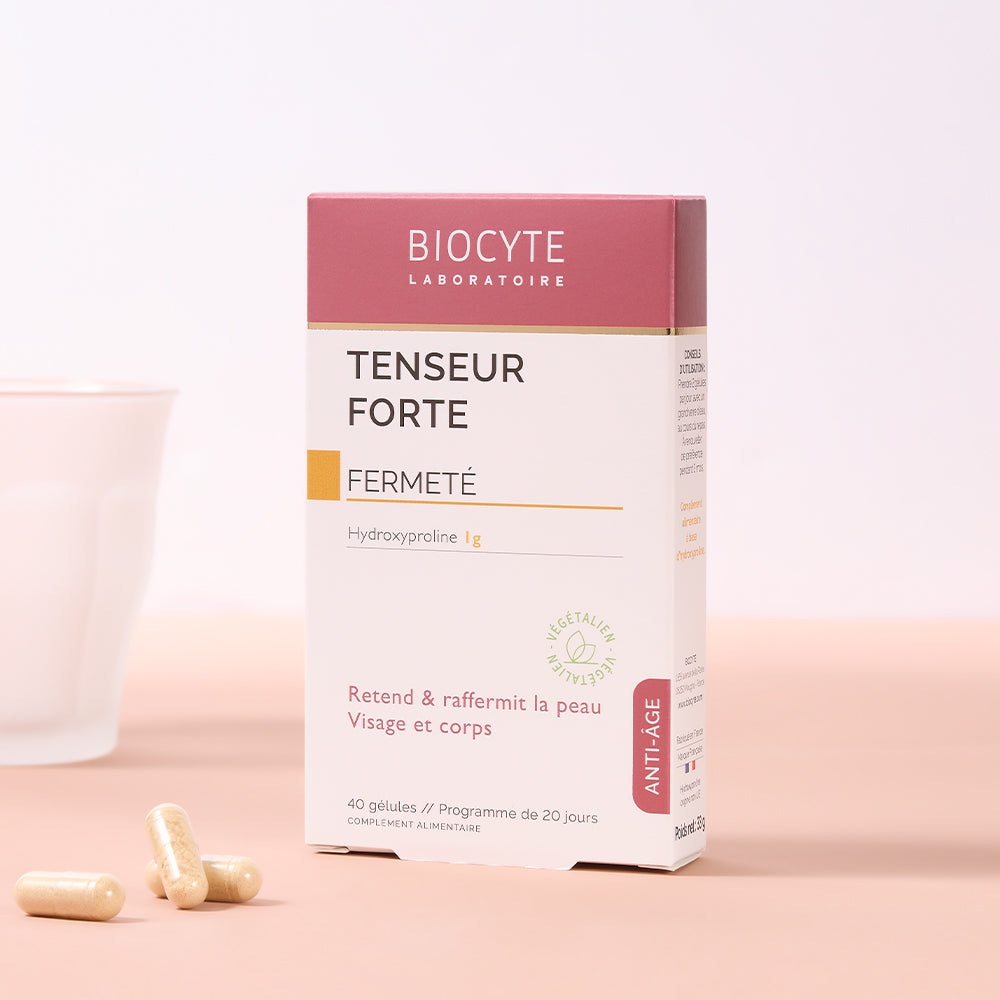
Their composition is unique. They are particularly rich in glycine, proline, and hydroxyproline, an amino acid almost specific to collagen. Certain peptides, such as prolyl-hydroxyproline, resist digestion: pharmacokinetic studies in humans find them in the blood after ingestion. Fundamental research is focusing on their interaction with fibroblasts, the cells of the dermis that produce the extracellular matrix.
The challenge for the formulator is therefore mastering the process: enzymes used, molecular weight distribution, consistency from one batch to another. It is this technical parameter, much more than the origin, that makes the difference between two collagen peptides.
Vitamins, trace elements, and antioxidants
The micronutrients are cofactors of skin physiology. Their benefits are subject to claims evaluated by the EFSA and authorized at the European level, which makes them the most solid benchmarks for choosing a formula.
The vitamins for the skin occupy a central place. Vitamin C contributes to normal collagen formation to ensure the normal function of the skin. This is why it almost systematically accompanies collagen in nutricosmetic formulas. Vitamin A contributes to the maintenance of normal skin and plays a role in the process of cell specialization. It is thus involved in the differentiation of keratinocytes, the cells of the epidermis, as they rise to the surface.
The trace elements act at much lower doses, but their role is nonetheless structural. Zinc contributes to the maintenance of normal skin, hair, and nails; it is involved in numerous cutaneous enzymatic reactions. Selenium contributes to the maintenance of normal hair and nails. This explains the coherence of a skin, hair, and nail approach within the same routine.
Finally, vitamin C, zinc, and selenium all three contribute to the protection of cells against oxidative stress. This mechanism is particularly stressed by exposure to the sun and pollution, two major factors of skin aging. Omega-3 fatty acids, for their part, are constituents of the membranes of all cells, including those of the epidermis. They appear in many formulas, in addition to micronutrients.
Food supplement for the skin: for which skin types and needs?
Each skin expresses different needs depending on its nature, age, and lifestyle. Choosing a food supplement for the skin benefits from this observation rather than a standardized approach.
Dry skin, sensitive skin, or skin prone to imperfections
The dry skin is characterized by a lipid deficit in the stratum corneum, which weakens the barrier function and increases water loss. The sensitive skin reacts more sharply to temperature variations, friction, or certain products. In both cases, the quality of the skin barrier is central. Essential fatty acids, including omega-3s, are constituents, and vitamin A contributes to the maintenance of normal skin. For a dedicated approach, the selection of dry skin food supplements brings together formulas designed for the specific needs of this skin type.
The combination to oily skin shows more abundant sebum production, enlarged pores, and a tendency for blackheads in the T-zone. Appropriate topical skincare and a regular cleansing routine remain the primary response here. Targeted supplementation provides additional support: zinc contributes to the maintenance of normal skin. An active field of research is also looking at the gut microbiota and its links to the skin, without conclusion at this stage.
Anti-aging, firmness, and complexion radiance
Over the years, collagen synthesis slows down and the network of fibers in the dermis loses density. Elastin, which allows the skin to regain its shape after deformation, follows the same evolution: the mechanisms involved are detailed in the article devoted to skin elasticity. An anti-aging approach in nutricosmetics therefore first targets the dermal matrix: provision of collagen peptides, combined with vitamin C, which contributes to normal collagen formation to ensure the normal function of the skin.
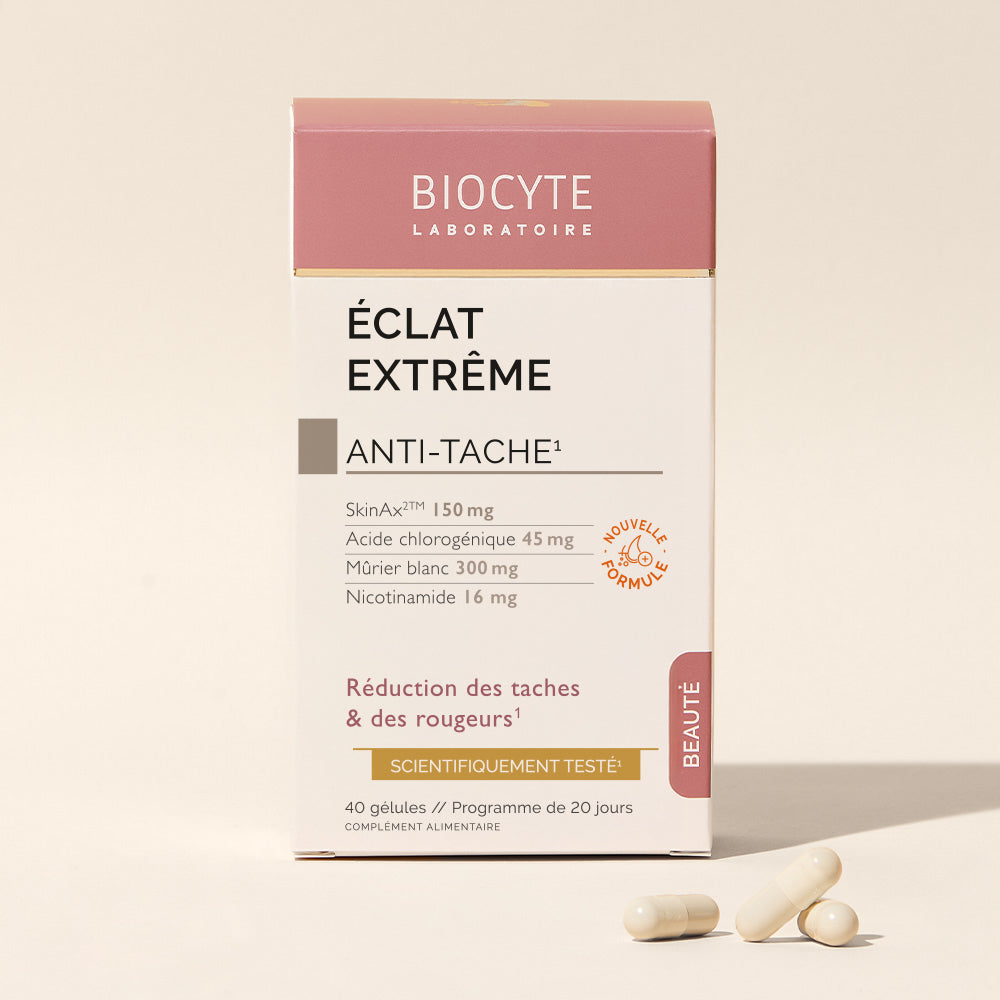
The complexion radiance depends on the renewal of the epidermis and the homogeneity of the skin surface. A dull complexion often reflects a slowdown in this renewal and the accumulation of oxidative stress linked to the sun and pollution. Vitamin A, which plays a role in the cell specialization process, and antioxidants like vitamin C, zinc, or selenium, are the benchmarks for a radiance-oriented formula.
How to choose the right food supplement for your skin?
The effectiveness of a food supplement for the skin is less about the number of active ingredients than their quality and coherence. Several criteria allow a formula to be judged:
- transparency of the composition: dosage per daily dose, origin, and form of each active ingredient;
- consistency of dosages with scientific data and reference intakes;
- quality of raw materials: degree of hydrolysis and molecular weight for collagen, form of minerals;
- galenics: capsule, powder, or liquid format influence practicality and therefore the consistency of intake.
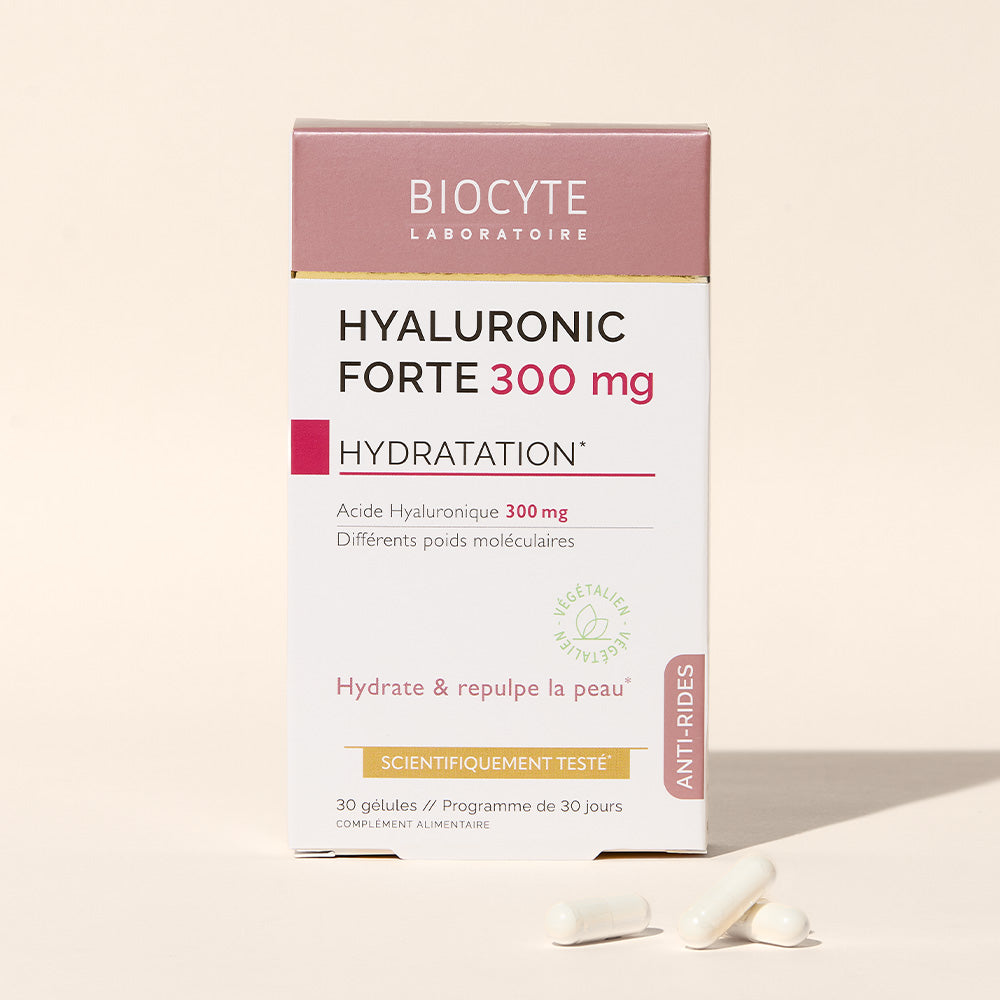
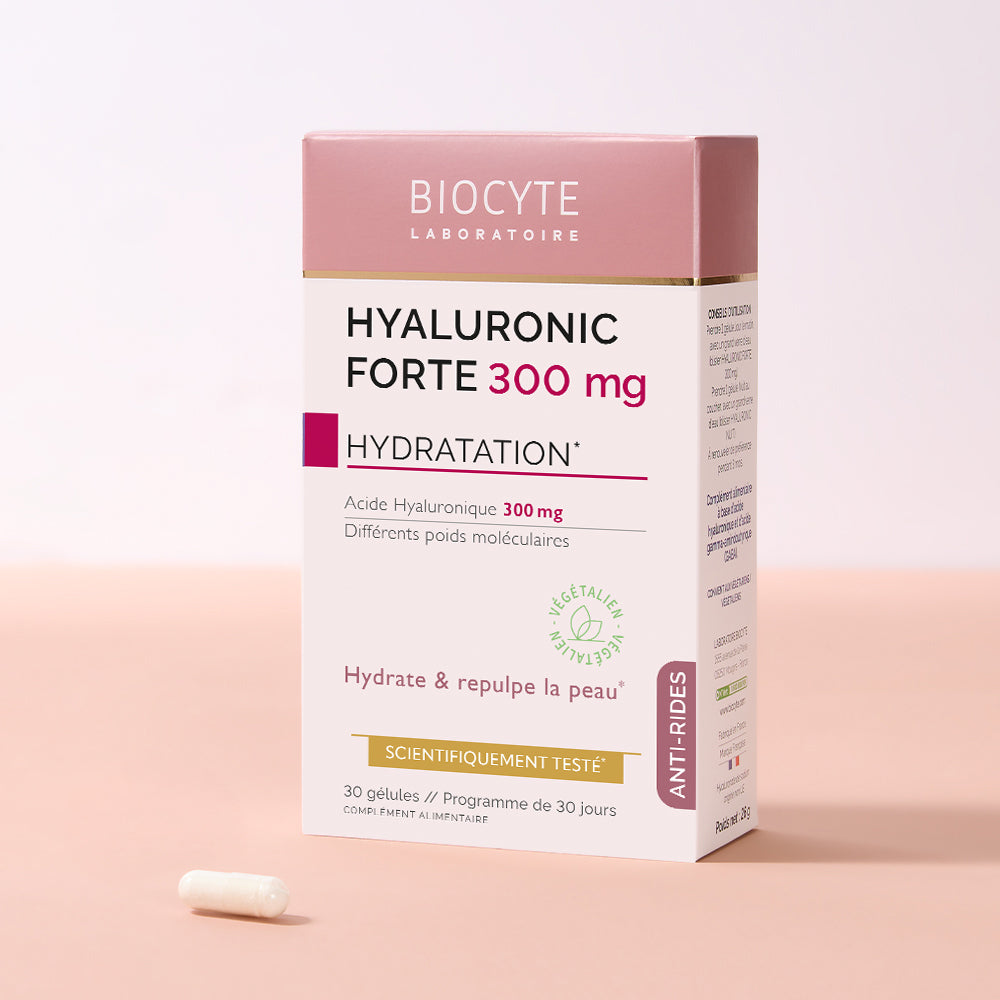
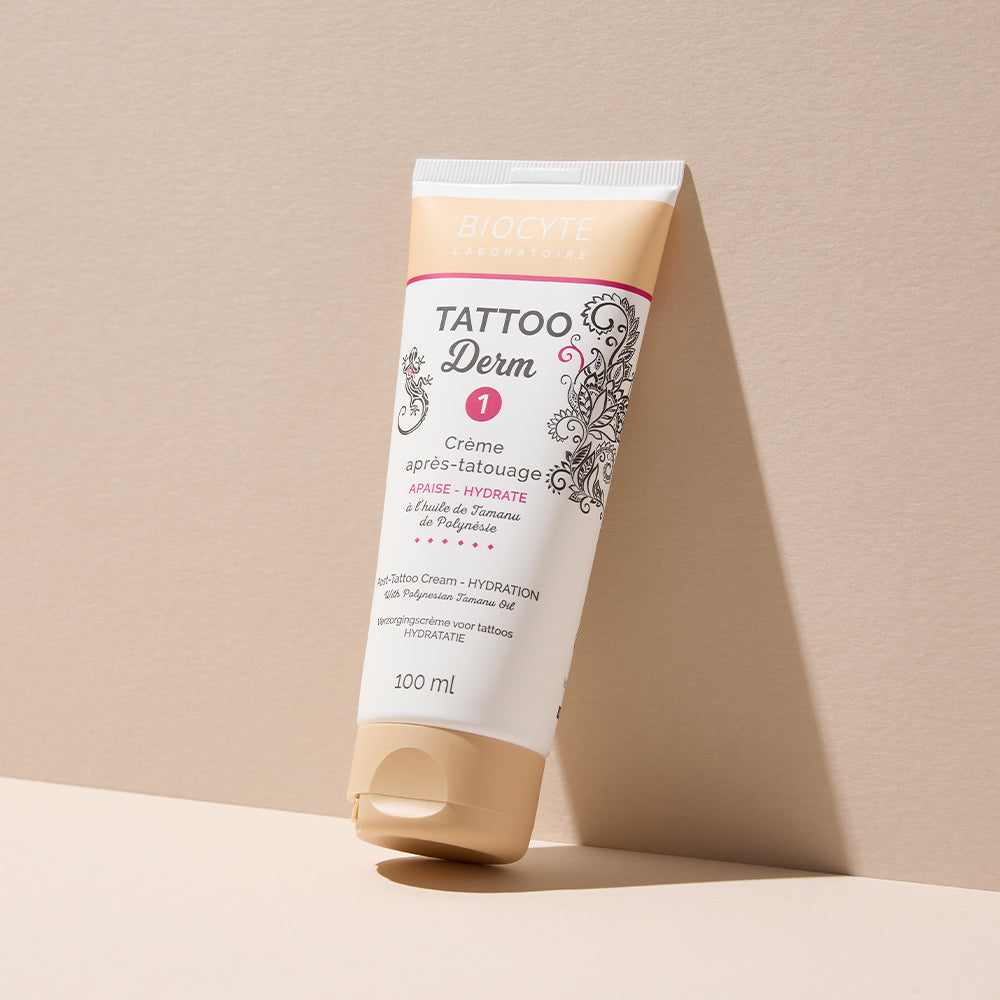
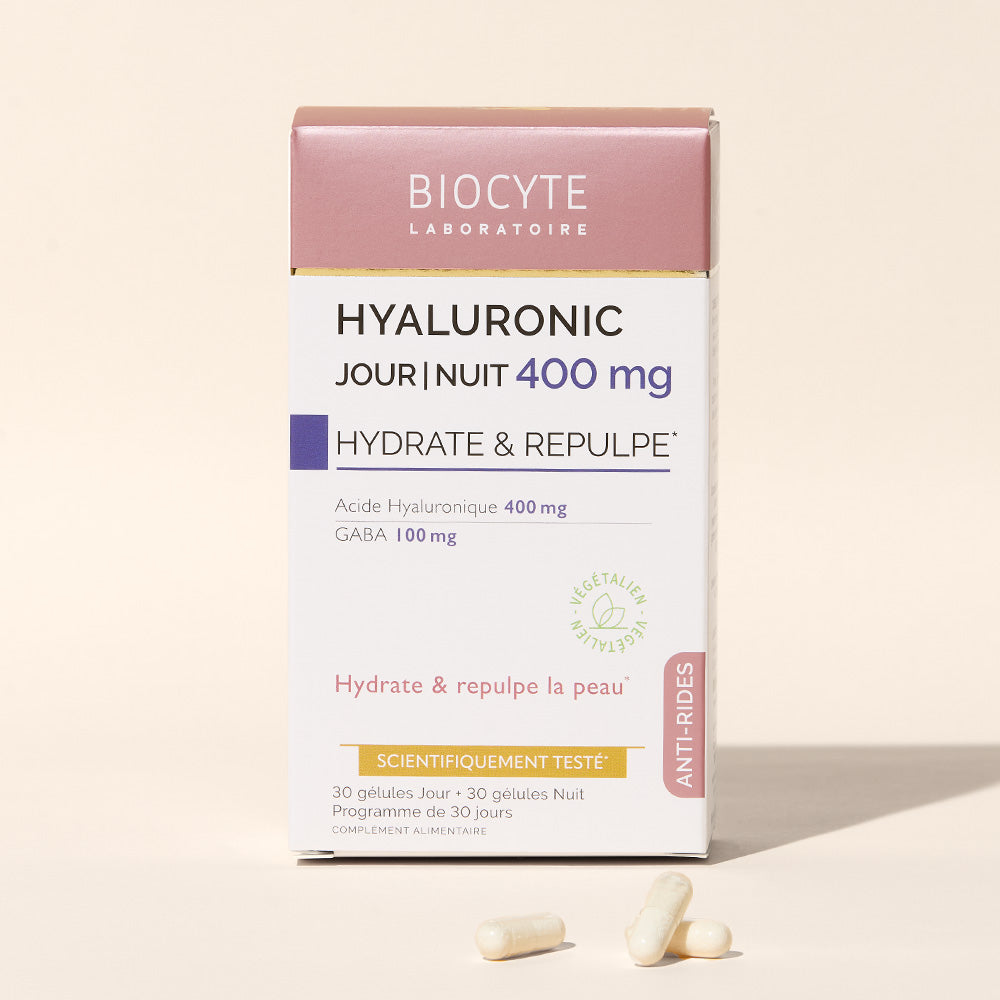
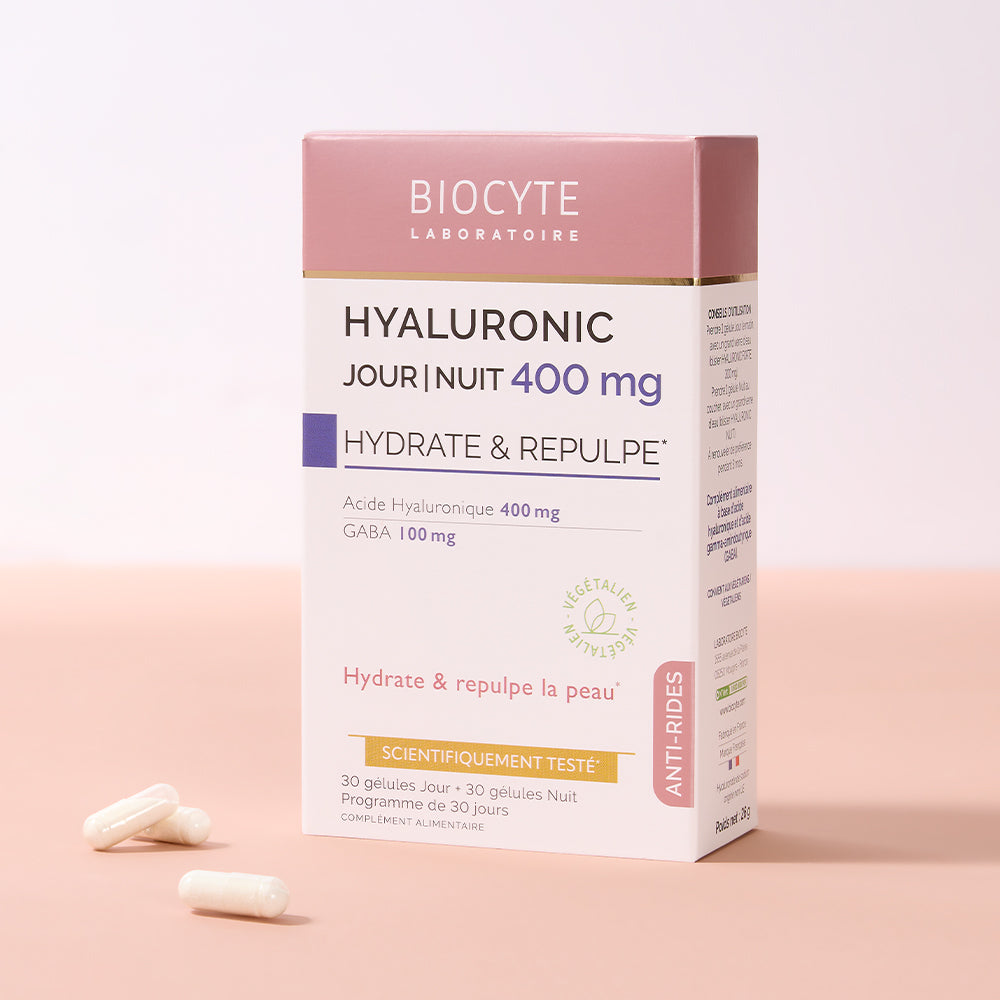
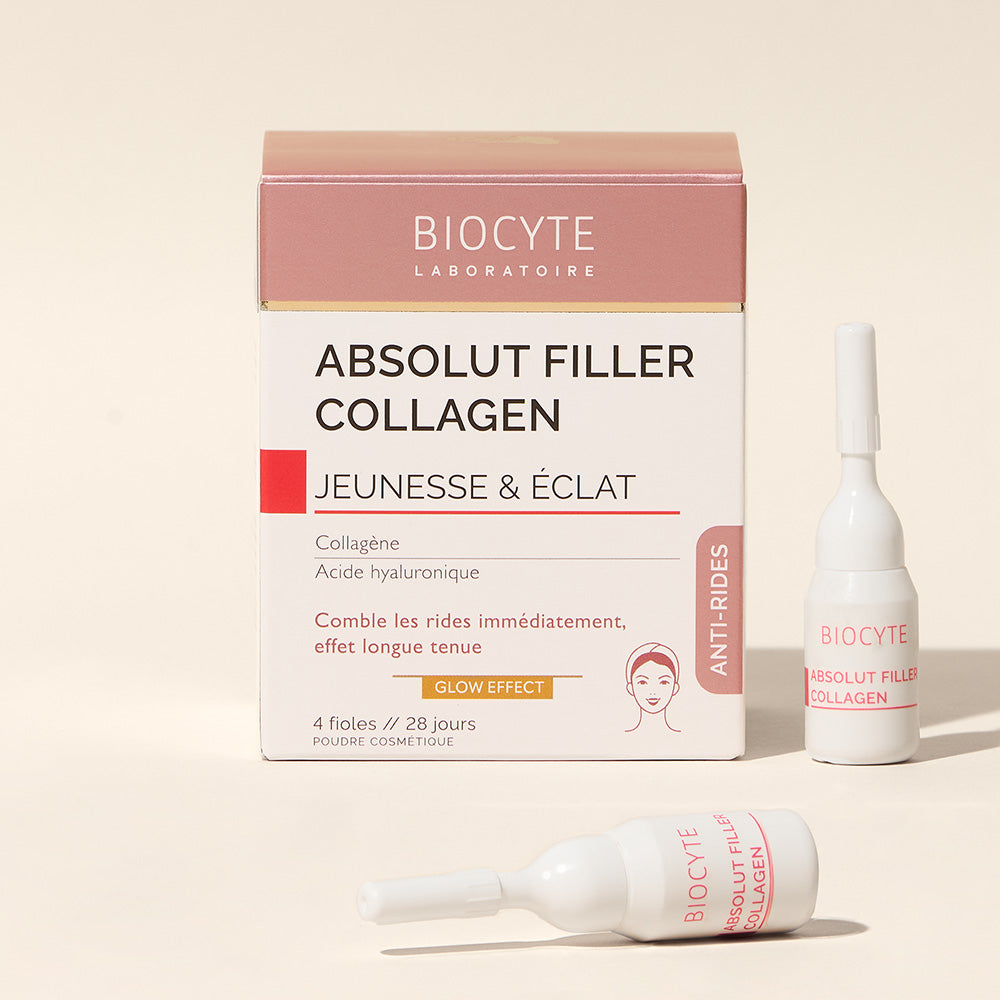
A pioneer of nutricosmetics in France, Biocyte introduced the first oral hyaluronic acid in 2007, followed by keratin and collagen. This history with oral active ingredients like collagenis reflected in a constant requirement for the selection of raw materials, bioavailability, and scientific documentation. The Biocyte skin range is thus declined according to needs: structure and firmness, hydration, complexion radiance.
When and how to take a food supplement for the skin for visible results?
Consistency is the primary factor for results. The renewal of the epidermis takes several weeks and the dermal matrix remodels even more slowly: a skin food supplement is therefore considered over a period of at least two to three months, at a fixed time, while respecting the indicated daily dose.
To optimize this process, supplementation is integrated into a global routine: cosmetic skincare adapted to the nature of the skin, daily sun protection, a diet rich in fruits, vegetables, and oily fish, and sufficient hydration and sleep. The food supplement for the skin then acts as nutritional support for these physiological mechanisms, without ever replacing a varied and balanced diet.
To guide this choice, the Biocyte Face Scan offers an online skin analysis in a few moments: from a simple photo, it evaluates several visible parameters, such as radiance, texture, or apparent hydration, and recommends an adapted nutricosmetic routine.

 Skin
 Hair & Nails
 Sun Care
 Slimming
 Health
 K-Biocyte
 Clinical