When to take an iron supplement?
Iron is involved in the synthesis of DNA and certain neurotransmitters such as adrenaline and noradrenaline. The body contains approximately 3 to 4 g of iron, found mainly in the blood and muscles. Iron requirements vary by gender and age.
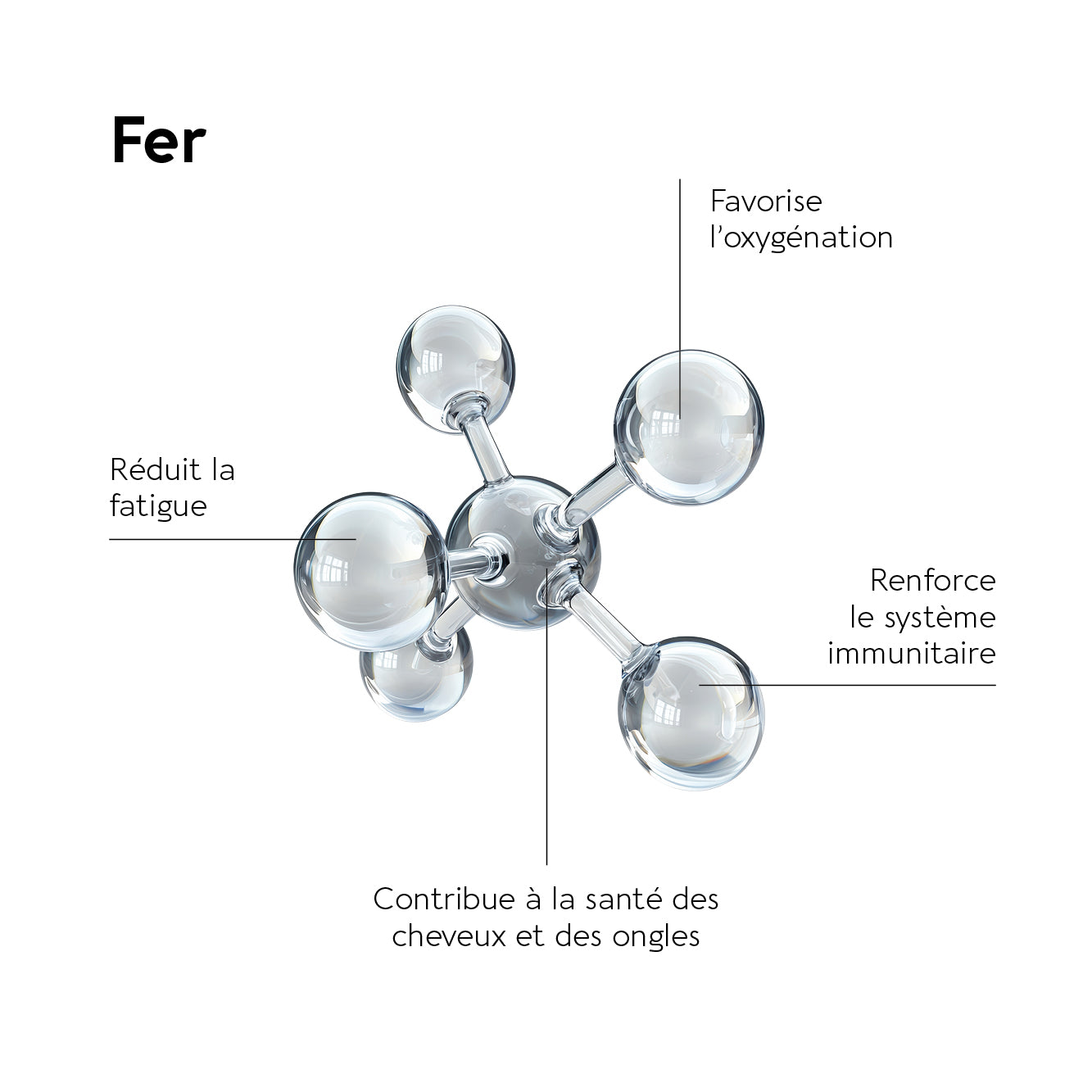
Iron, which is present in the hemoglobin of red blood cells, contributes to the formation of myoglobin. Hemoglobin and myoglobin are two proteins that are very involved in the oxygenation of the body's cells.
This is why certain important periods of life may require a specific need for iron in the body:
1. Pregnancy: a pregnant woman's need for trace elements increases throughout pregnancy, and the same goes for iron.
2. During menstruation: During menstruation, women experience iron loss. This phenomenon is even more significant when it comes to heavy periods.
3. childhood: during important phases of growth, especially during infancy and childhood
4. When you do a lot of sport: because it allows the transport of oxygen in the body, athletes may have increasing iron needs.
What are the benefits of an optimal iron intake?
An optimal iron intake is essential to support energy production and promote efficient energy metabolism. As part of a balanced diet—rich in iron from animal products such as red meat, and supplemented with green vegetables—it helps reduce fatigue and maintain adequate iron stores.
To fully benefit from its advantages, iron supplementation may be considered. Among the forms of iron, iron bisglycinate (or bisglycinate form) is particularly recognized for its excellent absorption. This iron supplement is often offered in capsules per day, with a dose in mg per day adapted as part of an iron treatment, in order to effectively support the human body.
This approach is beneficial not only for combating fatigue, but also for preventing hair loss and addressing the specific needs of women of childbearing age—and even during or during pregnancy—while respecting the precautions to be taken under medical supervision. Combining an iron supplement with a diet rich in amino acids optimizes your iron intake and helps you fully benefit from its health benefits.
What are the signs of iron deficiency?
Iron is an essential mineral for the human body, playing a crucial role in energy metabolism and red blood cell formation. Iron deficiency can manifest itself through various symptoms, such as intense and persistent fatigue, headaches, muscle weakness, and a dull complexion. In women, particularly those who are pregnant, of childbearing age, or breastfeeding, insufficient iron intake can lead to anemia and reduced iron stores.
If in doubt, do not hesitate to consult a healthcare professional before starting an iron supplement. Eating a varied and balanced diet, combined with appropriate supplementation, is a precaution to take to support normal energy metabolism and effectively combat fatigue.
How to increase your iron levels?
People with iron deficiency can adjust their diet to meet their daily needs. Before changing your natural habits, consider consulting your doctor.
Iron and nutrition
In food, iron exists in two different forms:
Heme or ferrous iron: which comes from products such as meat, seafood and shellfish or fish.
Non-heme iron: It is found in legumes, oilseeds, soybeans, and eggs in particular. Unlike heme iron, which is very well absorbed by the body, non-heme iron has a bioavailability of 5 to 10%.
The 8 foods richest in iron
1. Spirulina (28.5 mg per 100g)
2. black pudding (22 mg)
3. lamb liver
4. clams (14 mg)
5. chicken livers (12mg)
6. cocoa powder (10mg)
7. legumes (3 mg on average).
8. Spinach: This comes last in our ranking, with 2.6 mg of non-heme iron per 100g.
Some foods, such as tea or coffee, reduce iron absorption; it is recommended to consume them outside of meals.
Iron and food supplements
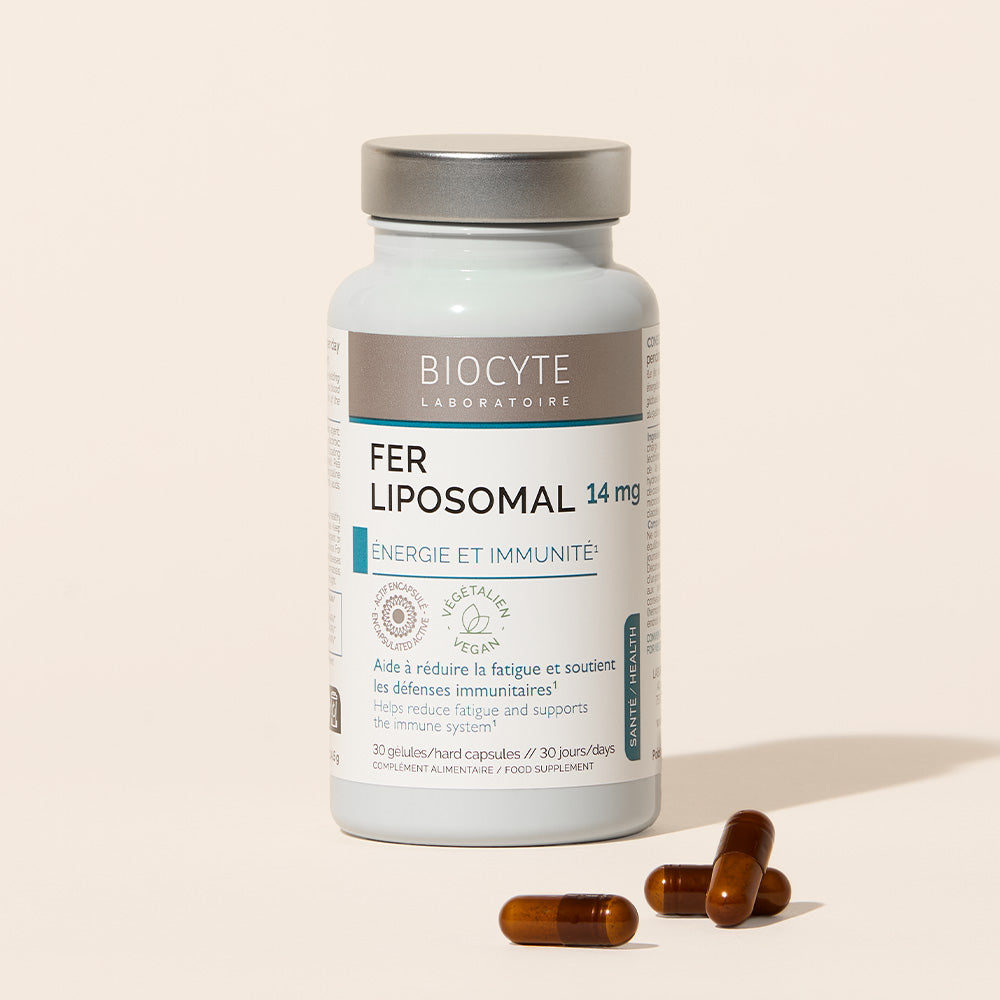
Iron supplementation is essential to compensate for insufficient iron intake and address iron deficiency. To support your iron intake, Biocyte offers innovative iron supplements. For example, Biocyte's Fe FER Liposomal iron supplement incorporates vitamins C and B12, helping to reduce fatigue and promote energy production. Its microencapsulated formula allows iron, in the form of microparticles, to cross the gastric barrier unaffected, ensuring excellent iron absorption and optimal digestive tolerance, while minimizing the risk of abdominal pain.
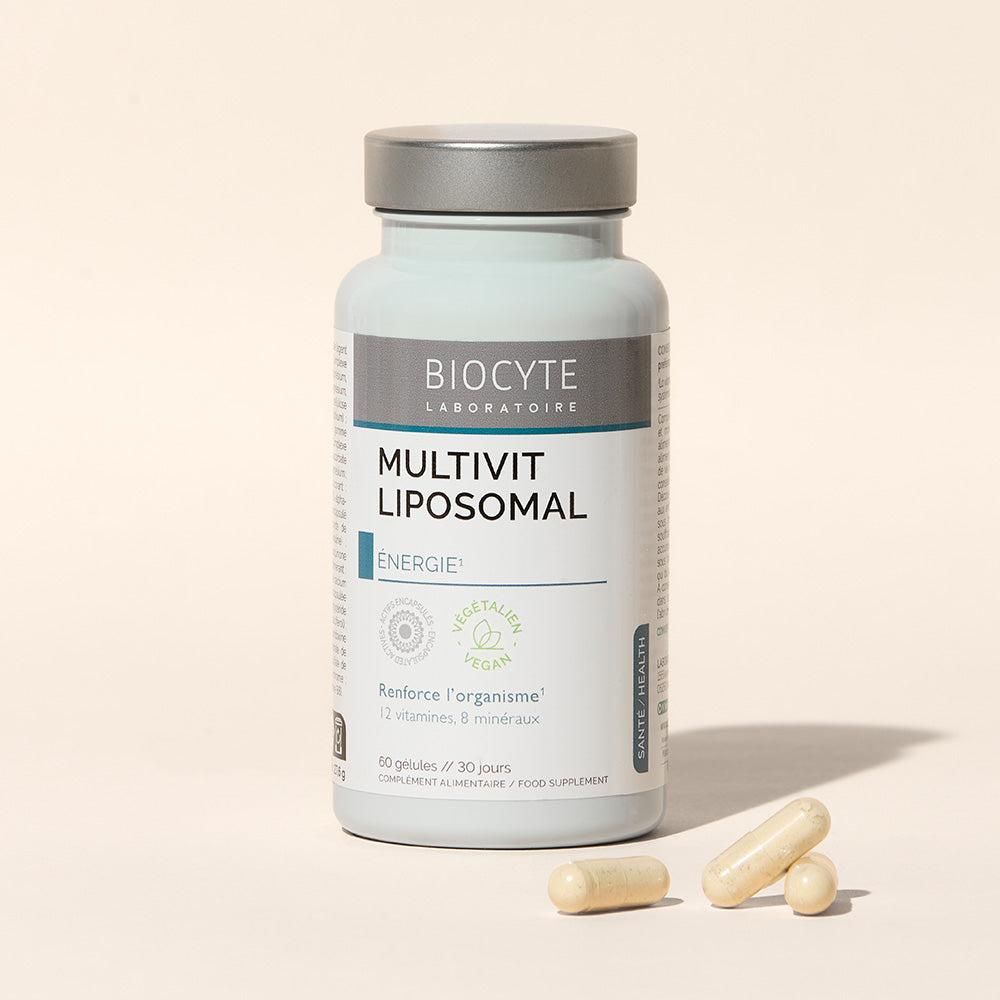
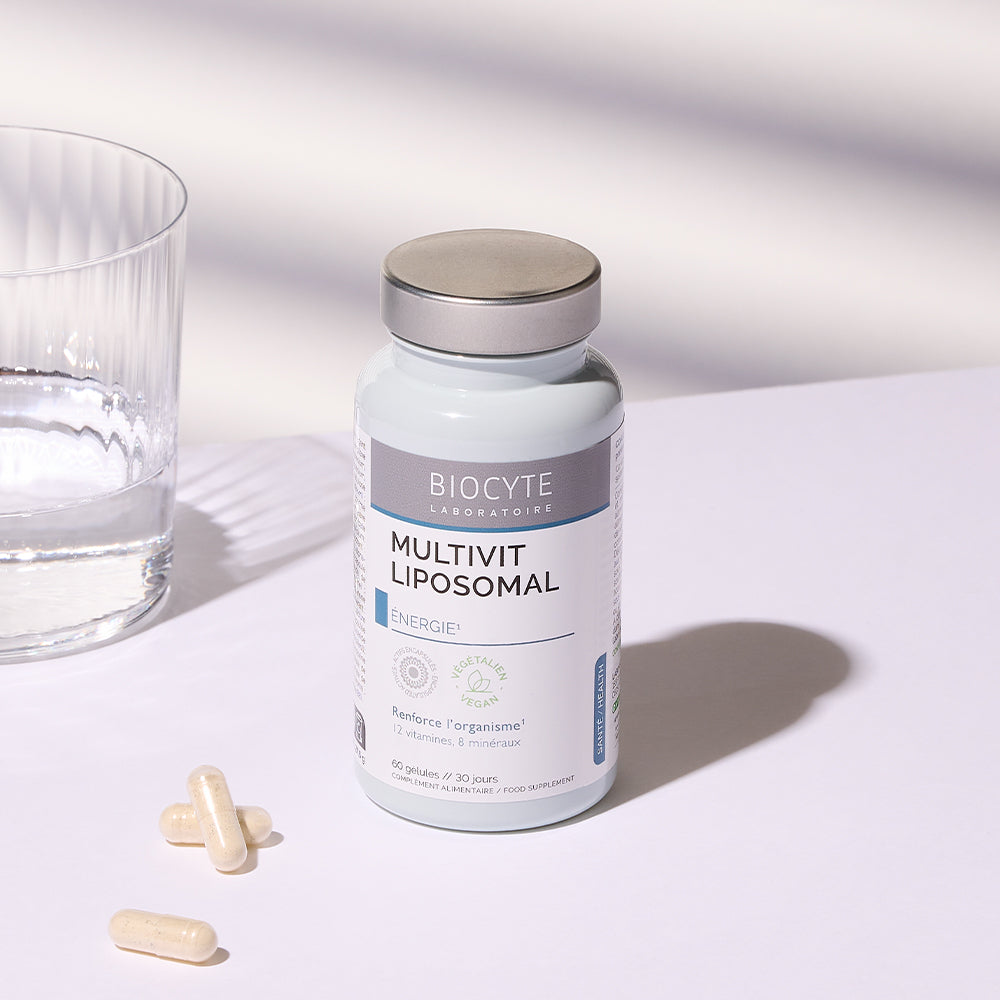
Also discover our MULTIVIT LIPOSOMAL iron supplement, which combines 12 vitamins and 8 minerals to strengthen the body and comprehensively address nutritional imbalances. Made in France, this product helps improve your iron reserves and effectively support energy metabolism, in addition to a varied and balanced diet. Don't forget to consult your doctor to determine the recommended daily dose and benefit from appropriate medical monitoring.
How does vitamin C promote iron absorption?
Iron can also be combined with vitamin B12, a vitamin essential for the formation of red blood cells and cell renewal.
For better intestinal absorption of non-heme iron, vitamin C intake should be increased.
Vitamin C, combined with heme iron, promotes the absorption of non-heme iron. Therefore, iron provided by plants will be much better absorbed if it is combined withfoods rich in vitamin Csuch as red fruits, peppers, acerola, lemon, guava, kiwi, pepper, parsley, fresh aromatic herbs, lychee...
Consuming an iron supplement enriched with vitamin C should not replace a healthy, balanced diet.
 Skin
Skin Hair & Nails
 Sun Care
 Slimming
 Health
 K-Biocyte
 Clinical