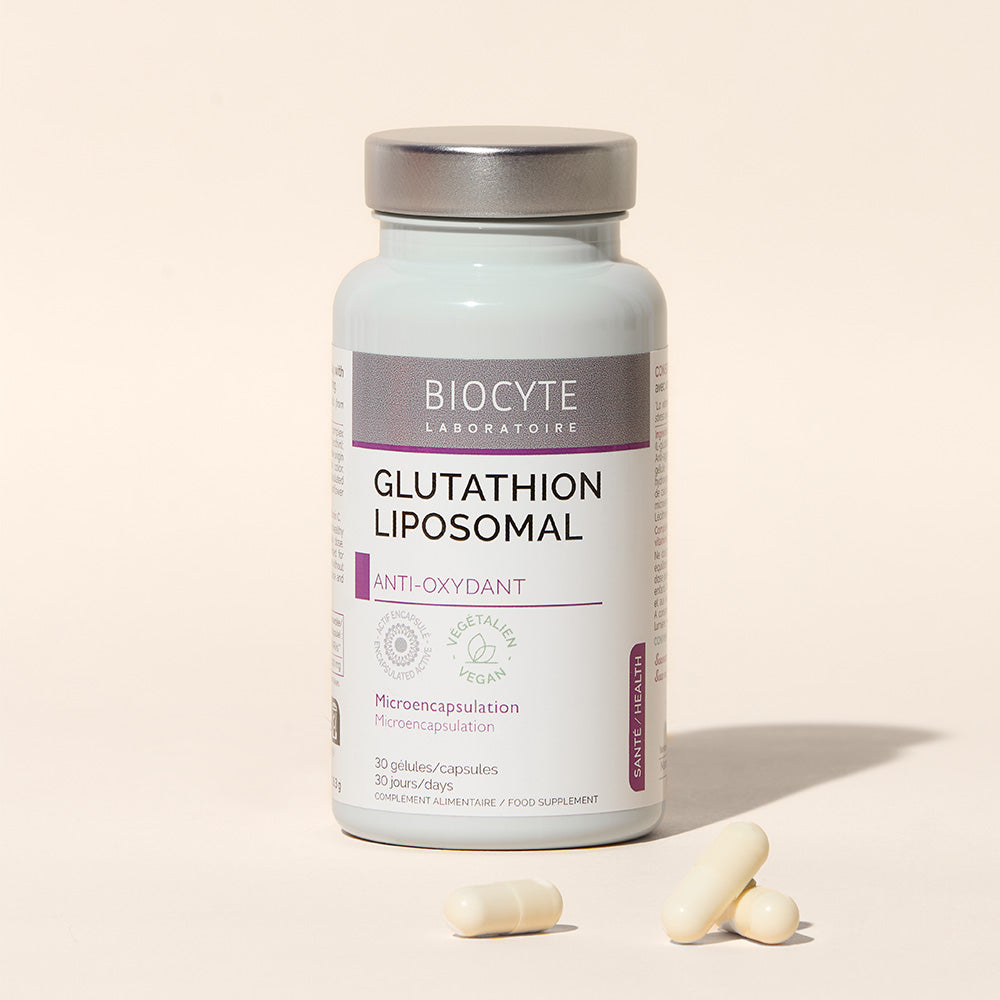
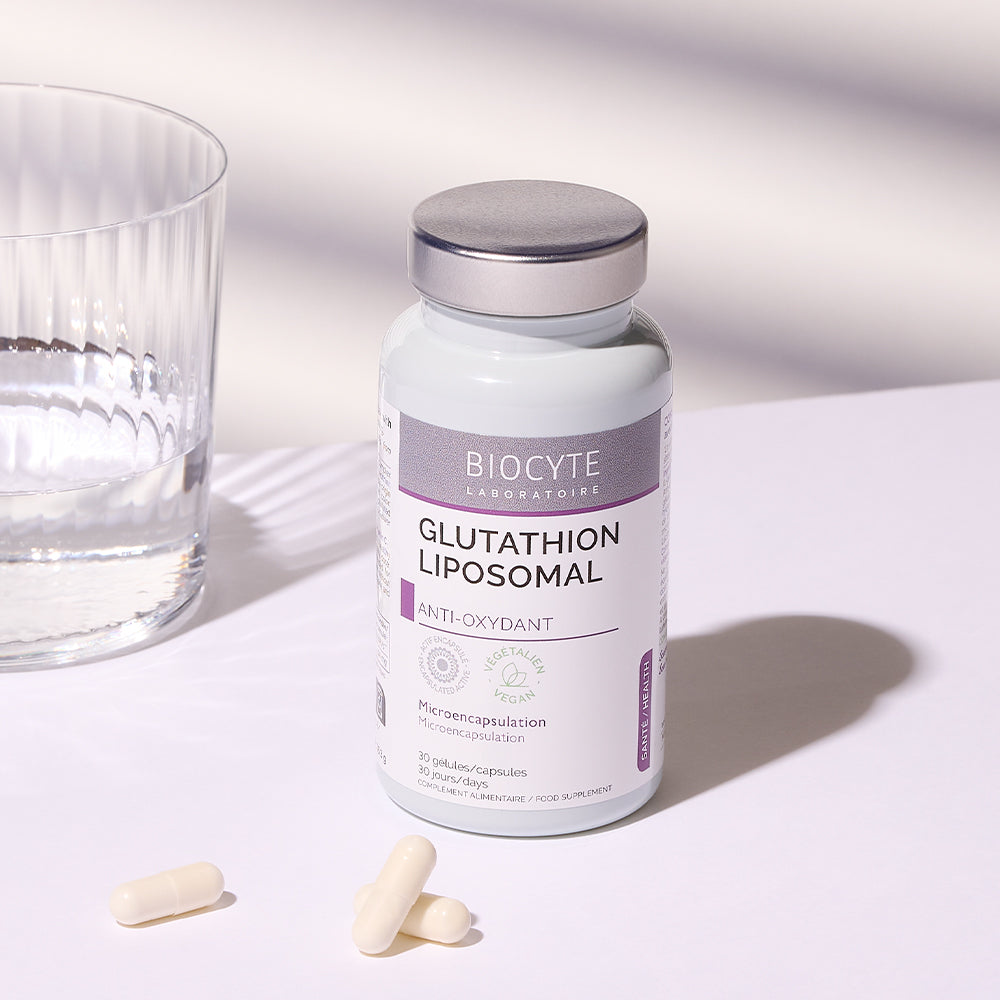
What is a dietary supplement?
Definition and role of dietary supplements
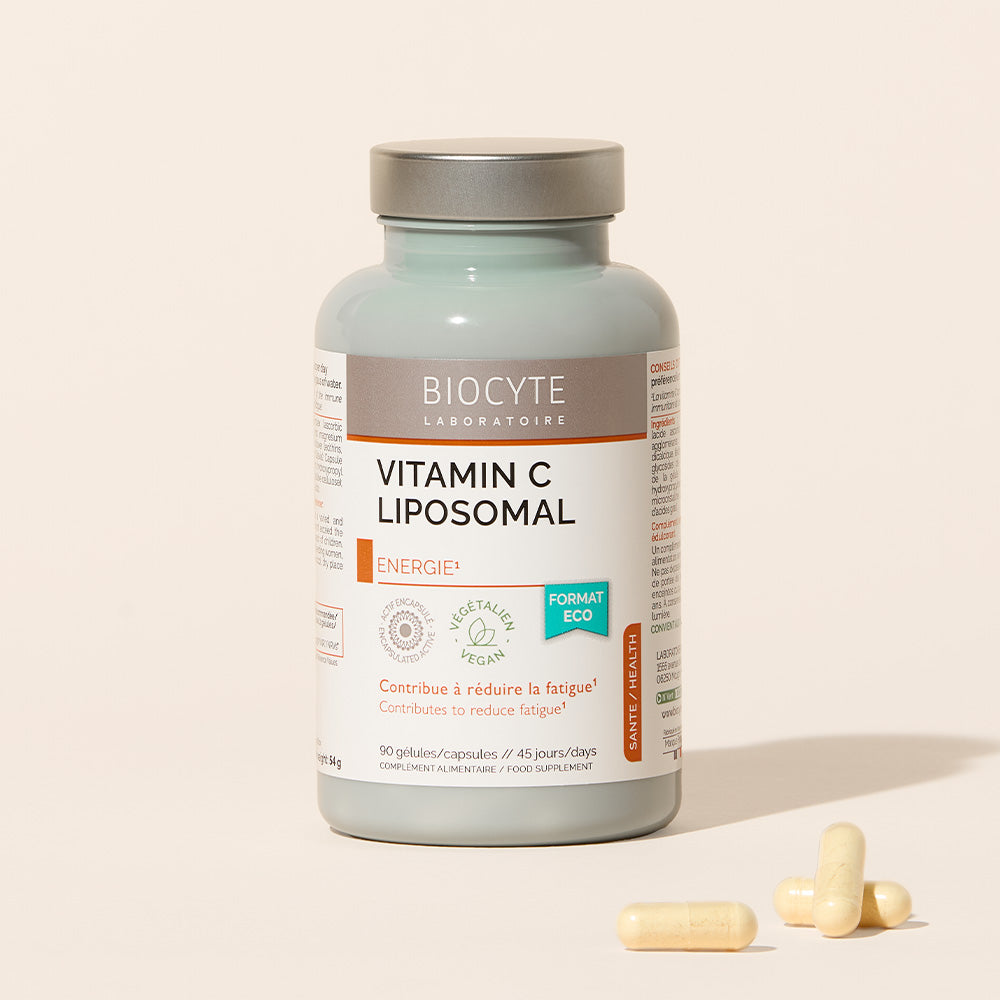
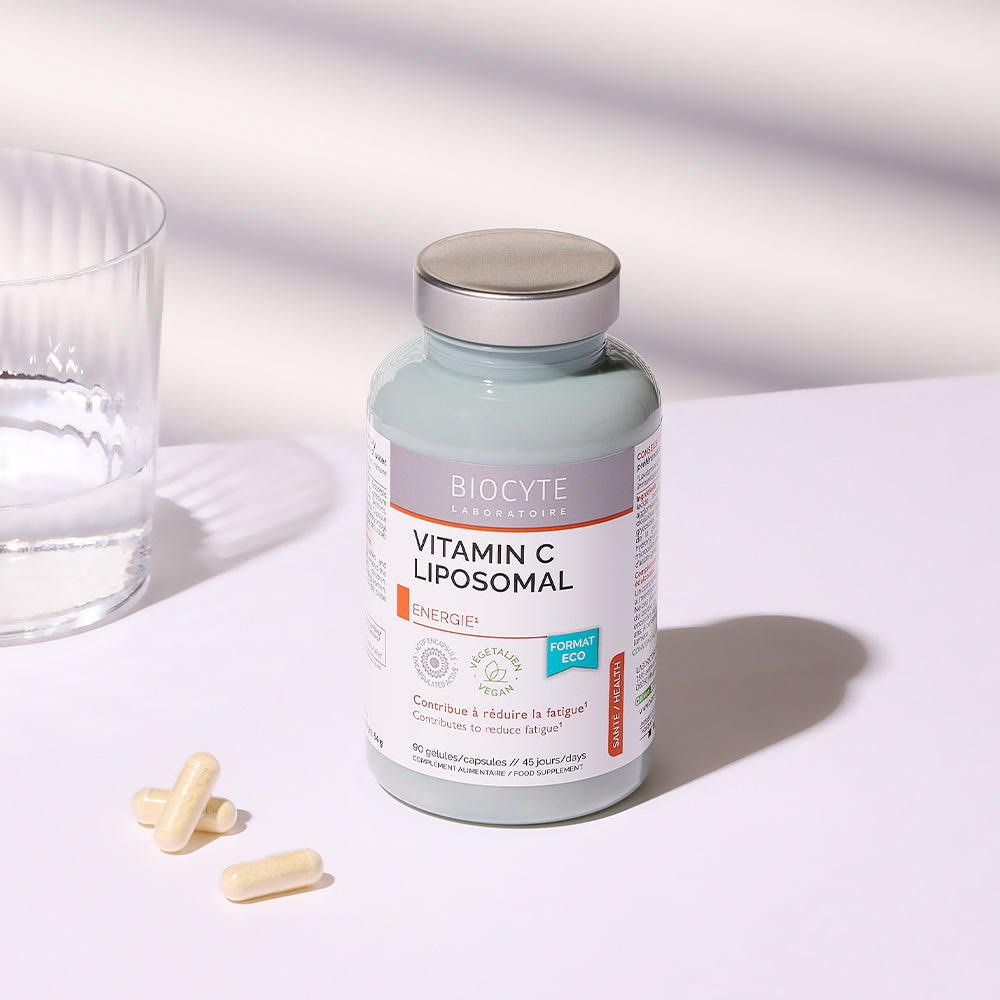
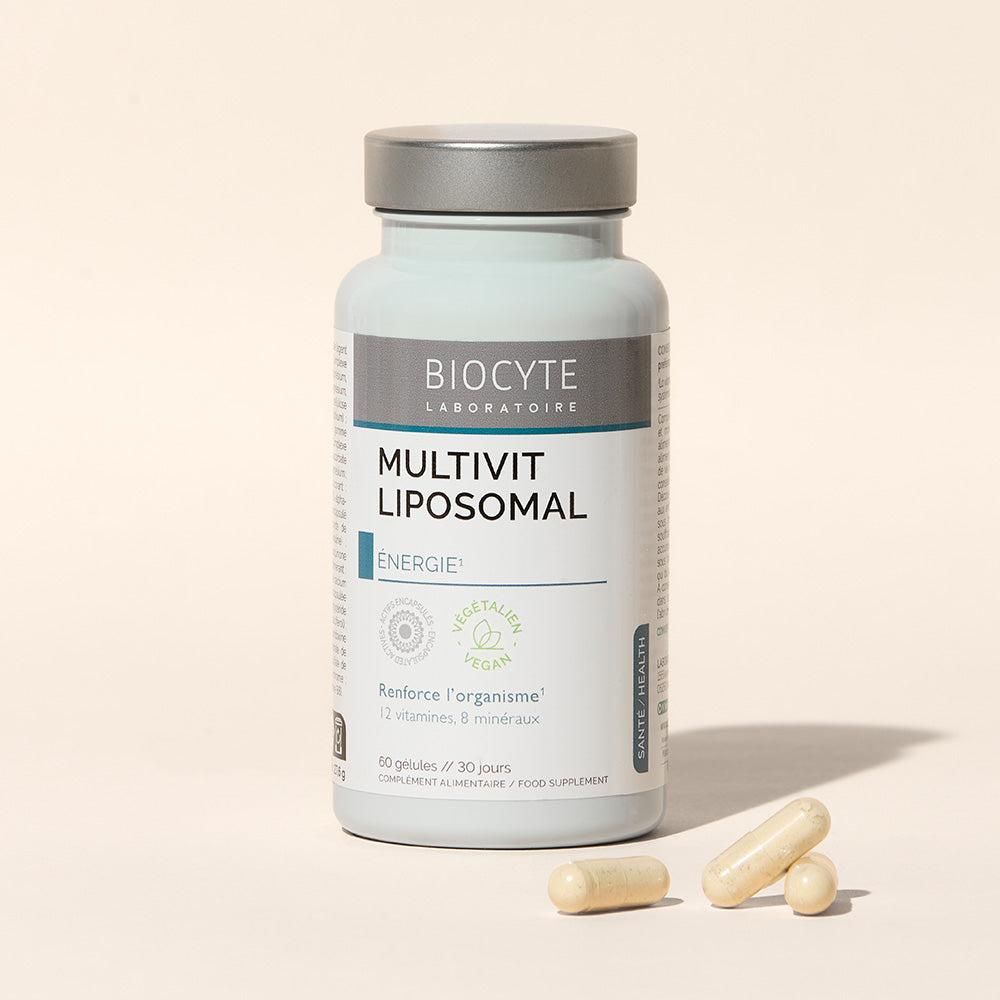
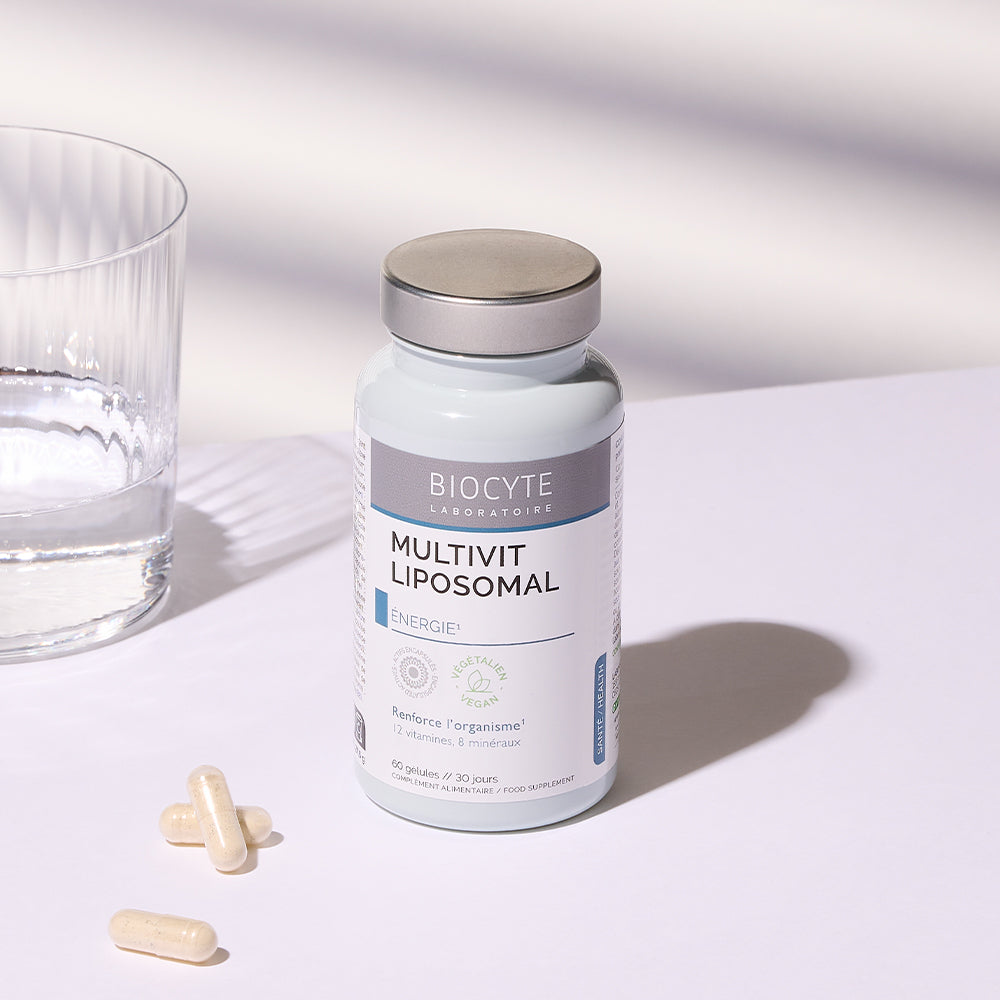
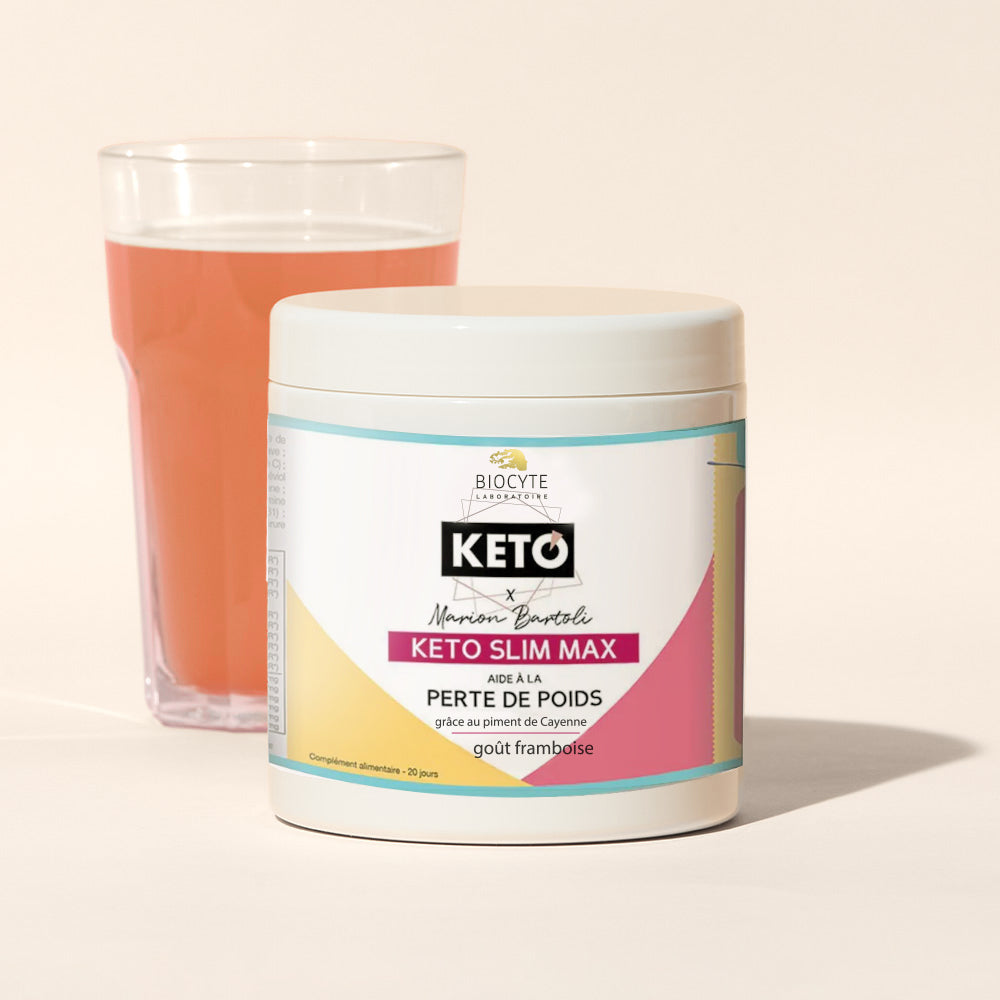
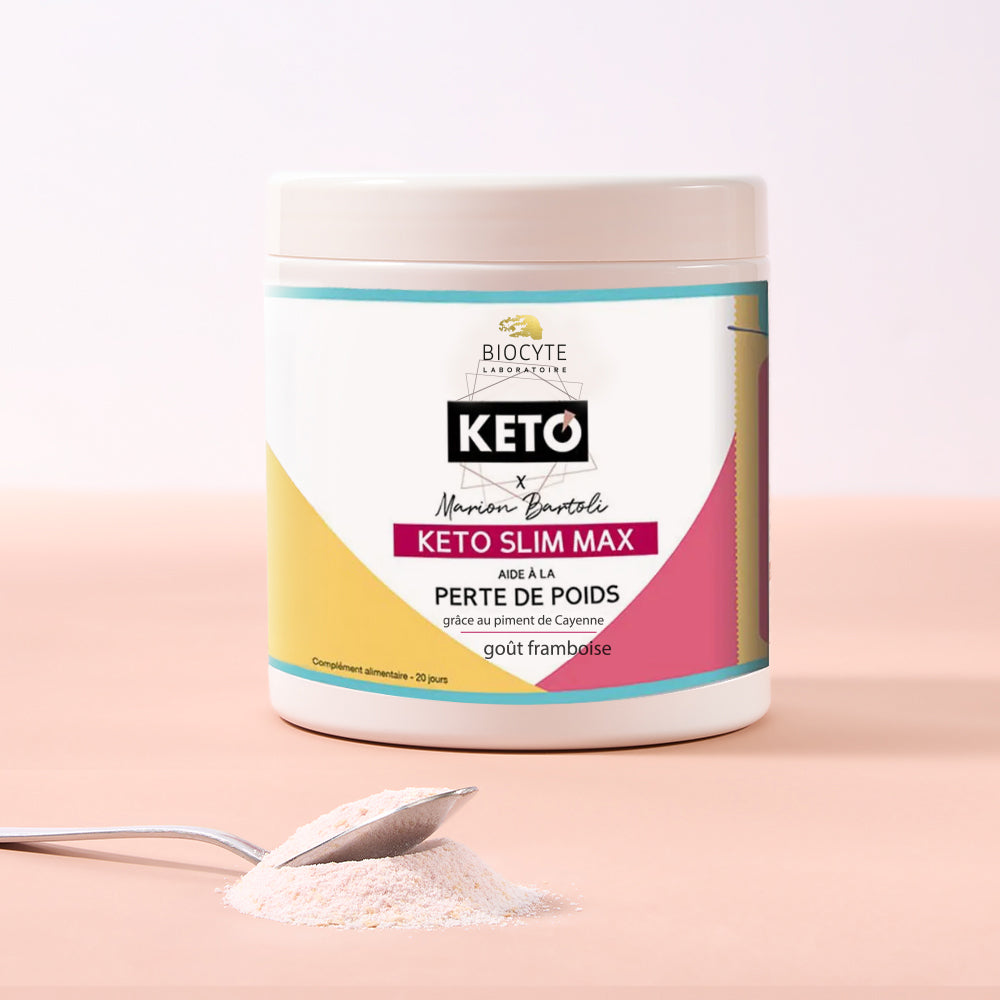
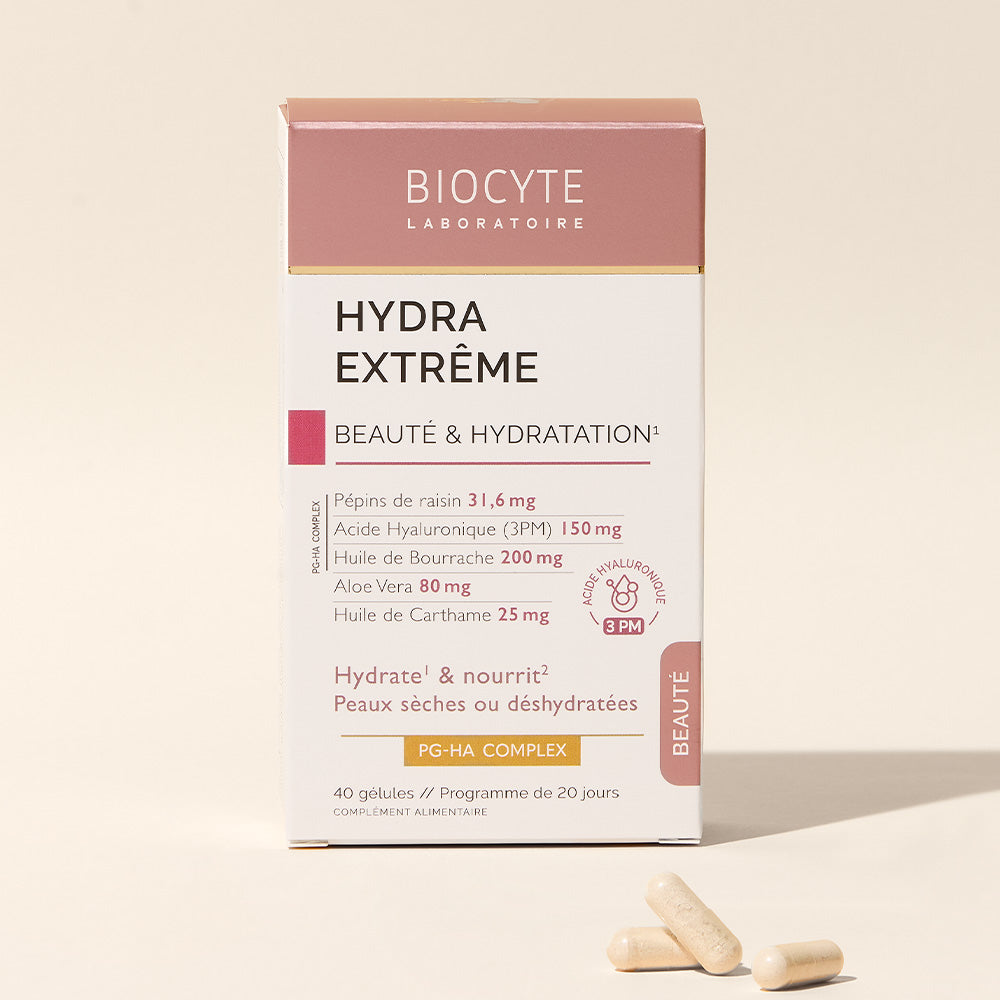
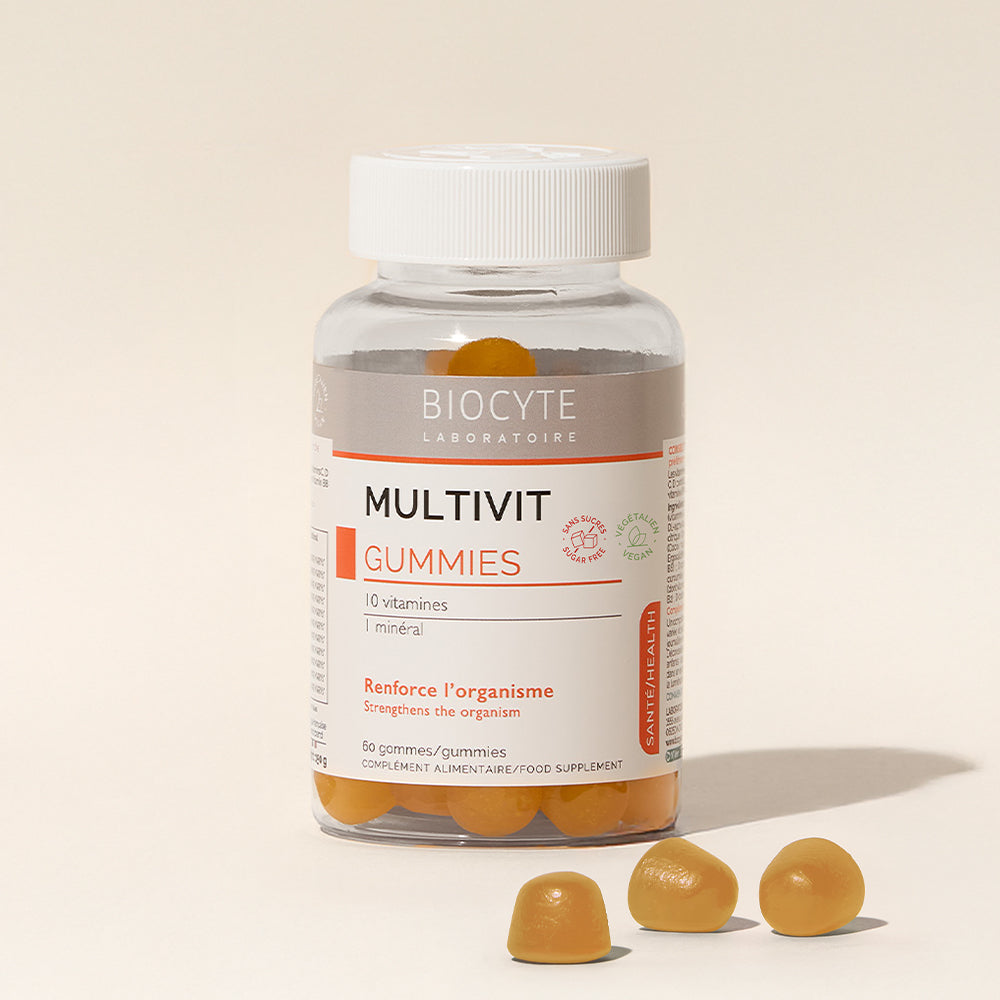
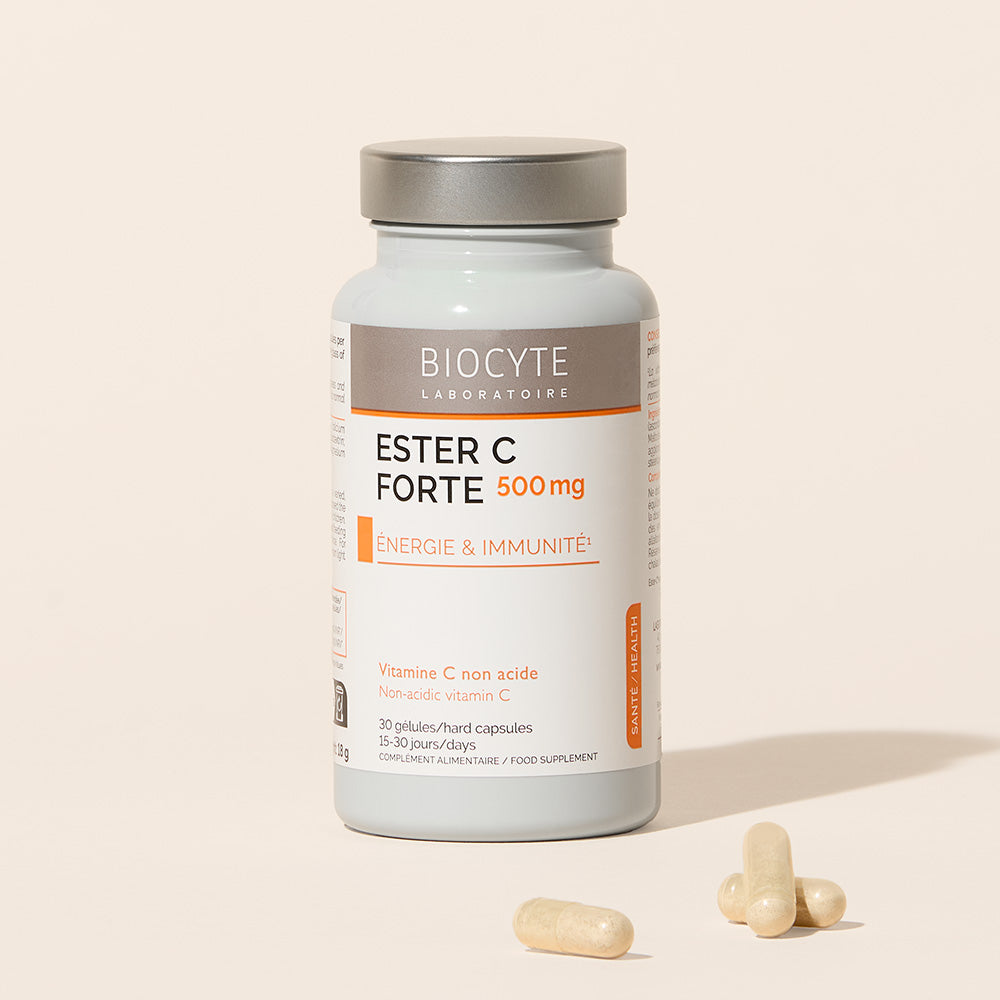
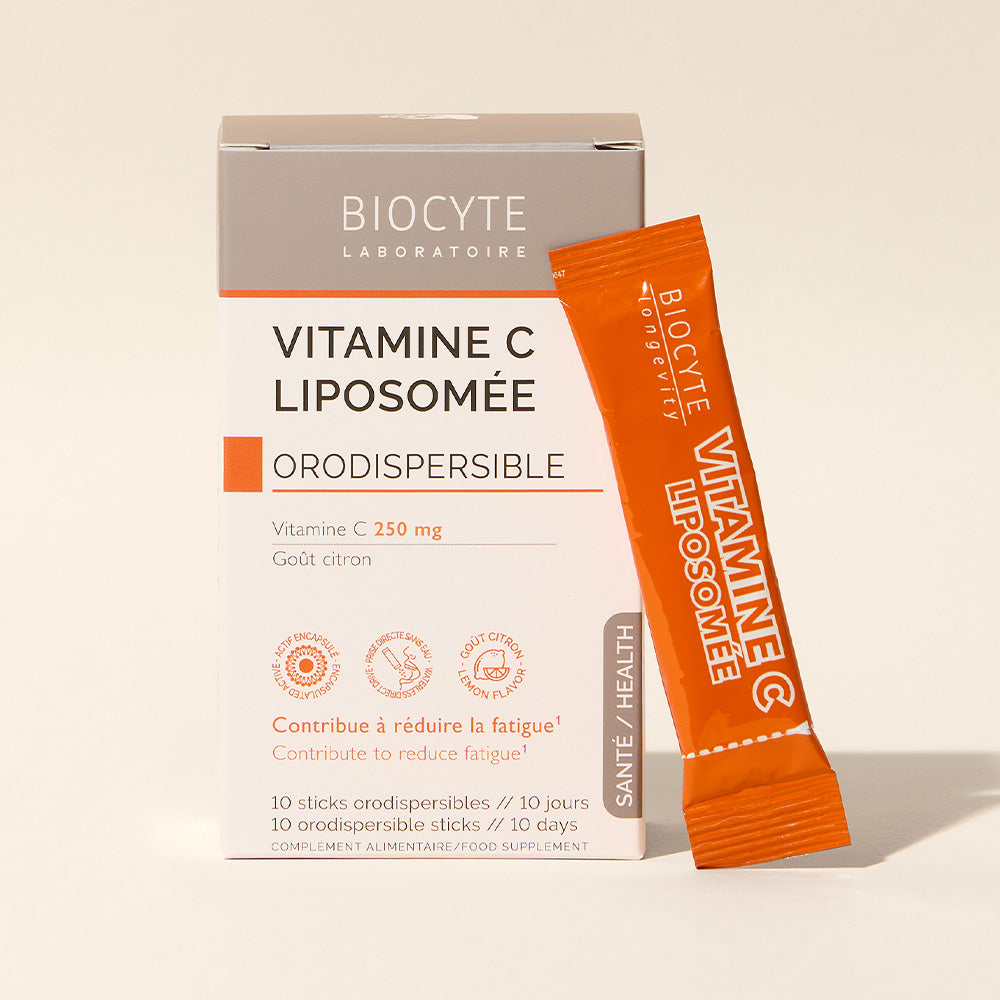
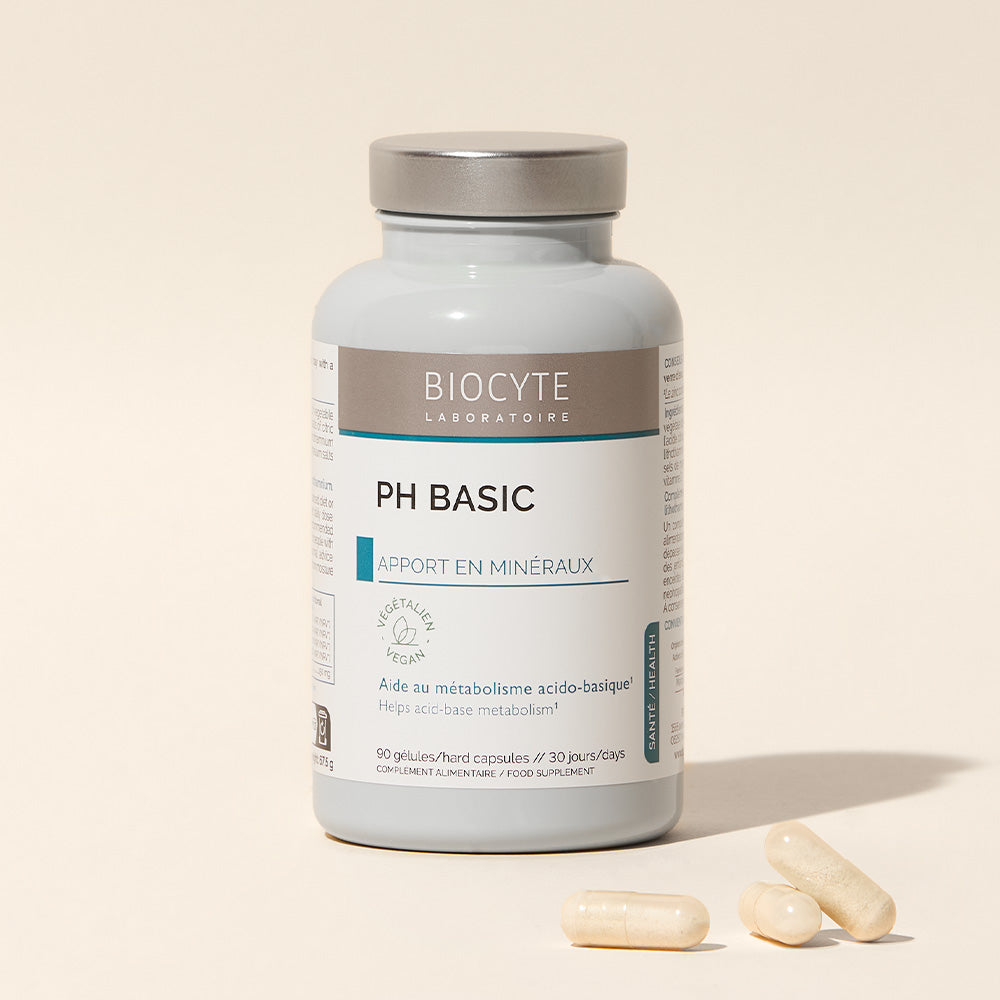
THEdietary supplementsThese products are designed to supplement the diet by providing concentrated nutrients or substances with nutritional or physiological effects. They may contain vitamins, minerals, fatty acids such as omega-3, plant extracts, or probiotics, and come in various forms (capsules, tablets, powders, gummies). Their role is to support the body by providing targeted active ingredients, in accordance with the usage guidelines provided on the label.
Why and when to use it?
Even with a balanced diet, certain needs can increase depending on lifestyle, age, stress, physical activity, or specific periods. Dietary supplements can then support specific goals, such as energy, immunity, or digestive comfort, in addition to food intake.
Our nutritional supplements by purpose
A well-structured routine relies on a selection of relevant assets based on a specific goal, profile, and lifestyle. The key is to choose a suitable formula.
Energy & vitality
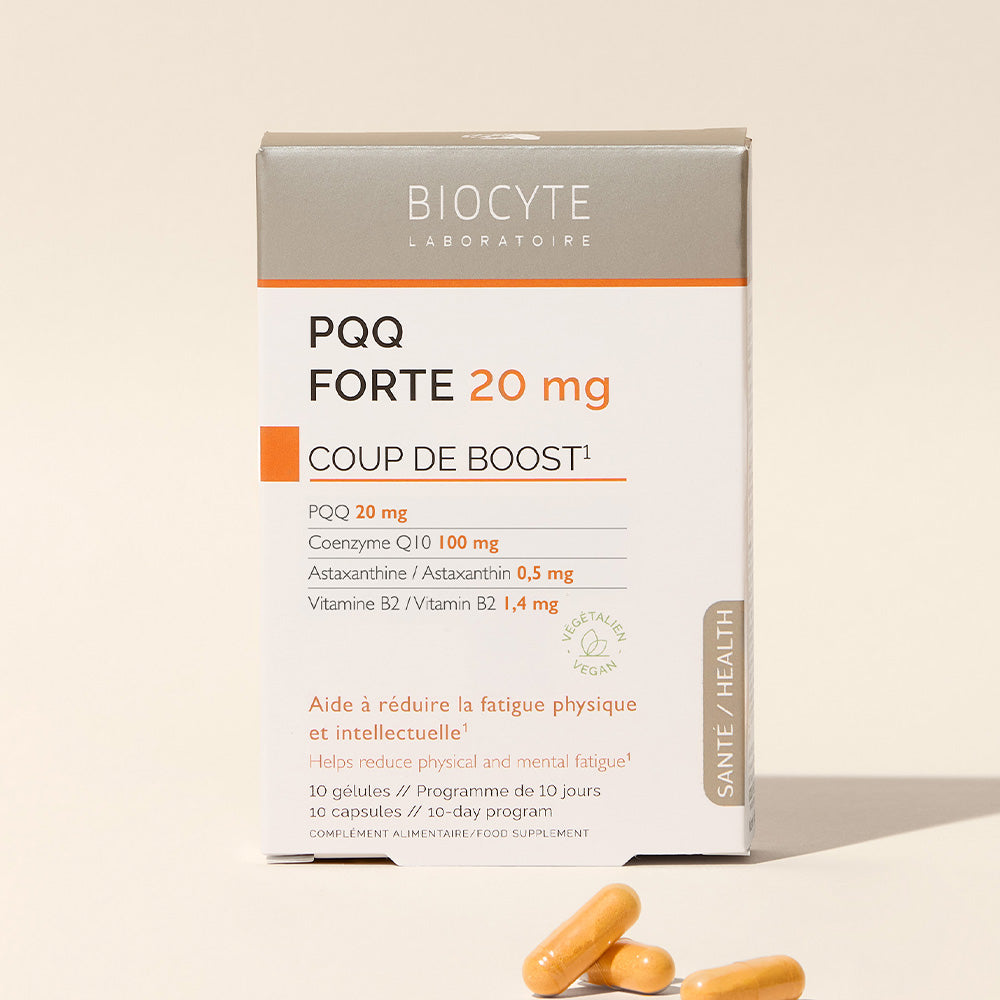
The objective “energy & vitalityThis often relates to periods of intense activity, cognitive strain, or lifestyle-related fatigue. ATP (cellular energy) production depends on micronutritional cofactors involved in mitochondrial pathways. In this context, B vitamins, a well-formulated vitamin complex, and certain minerals can support normal energy metabolism.
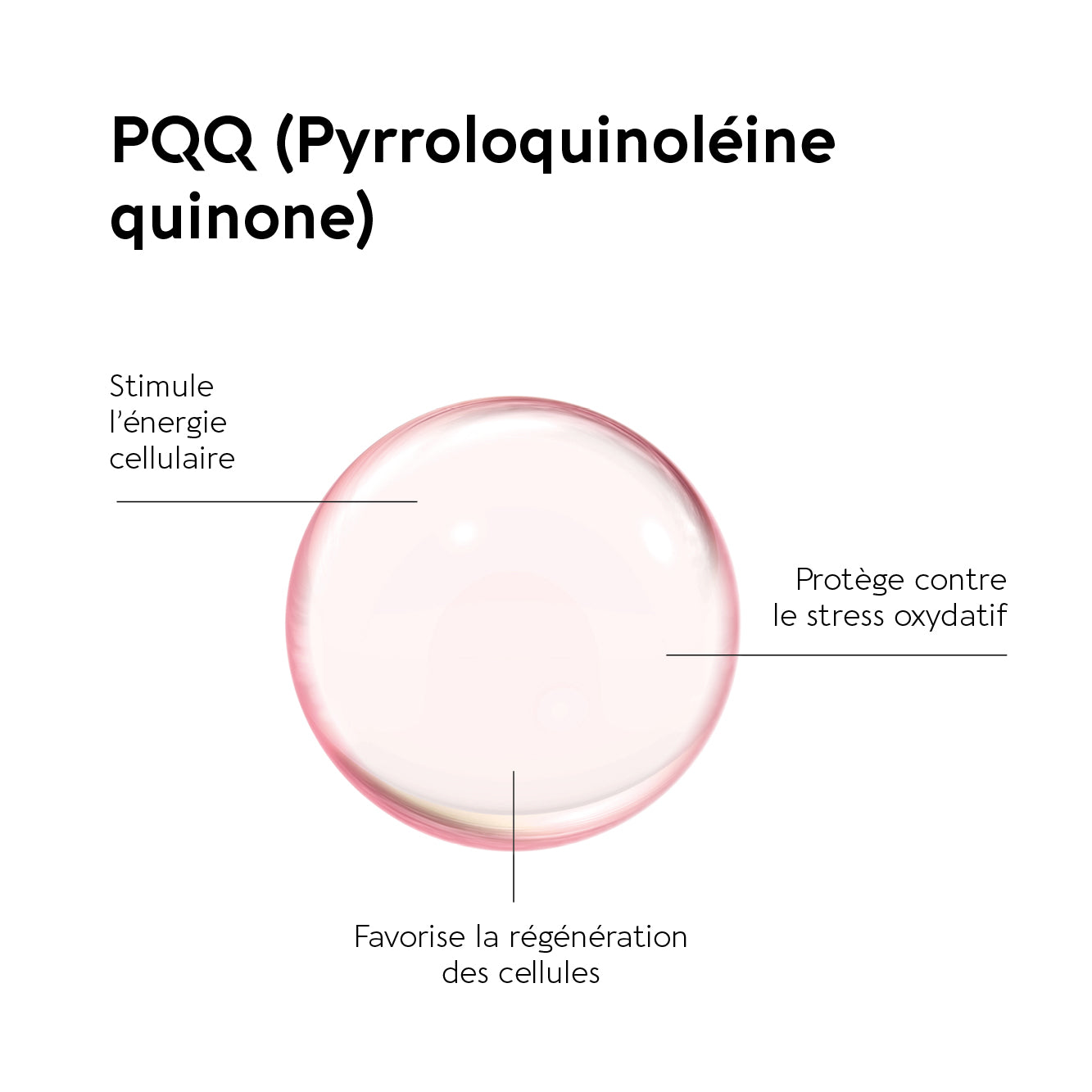
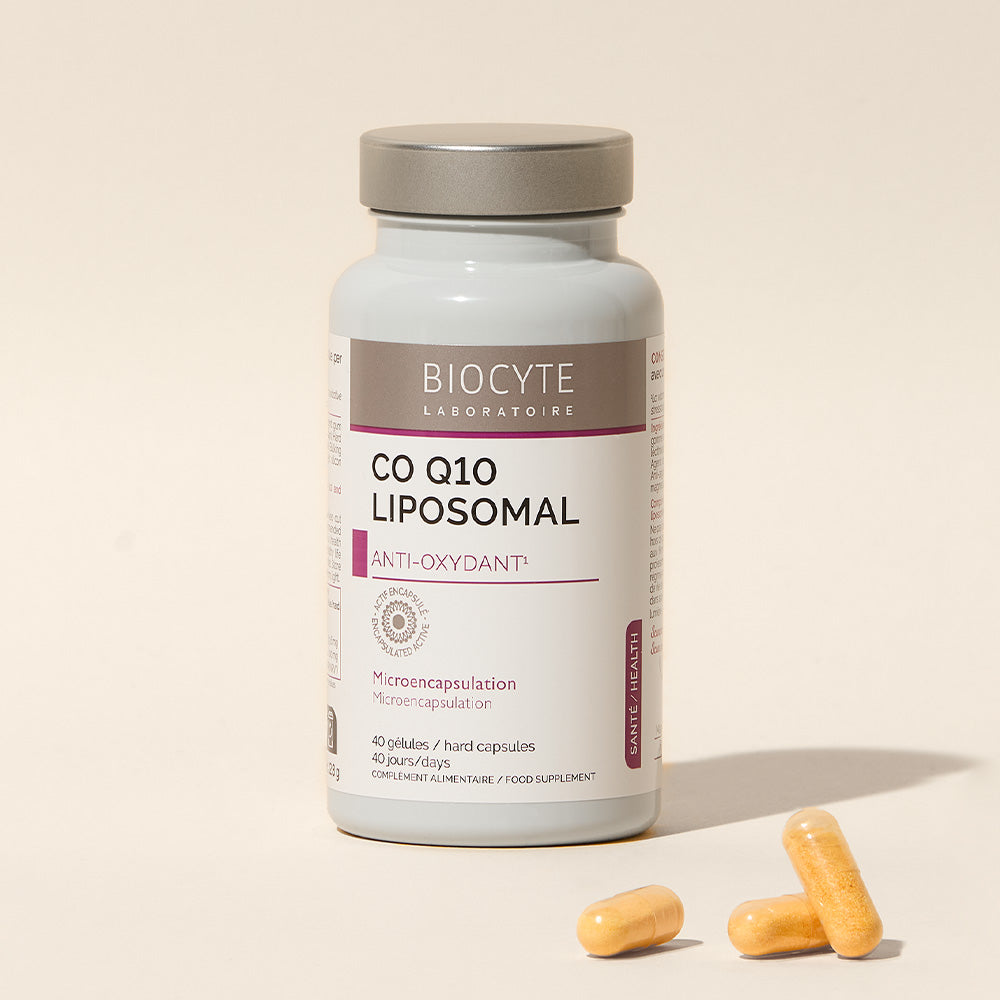
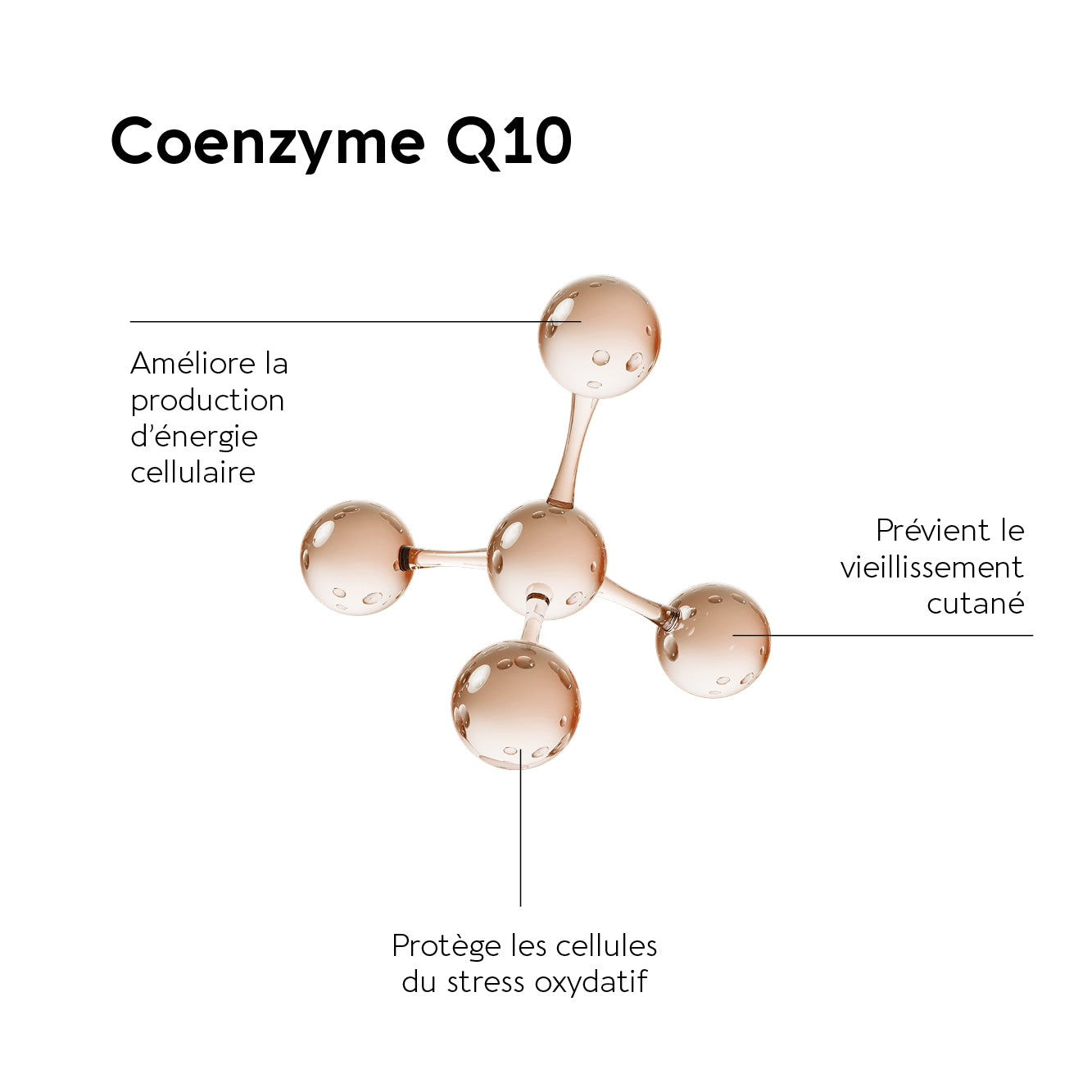
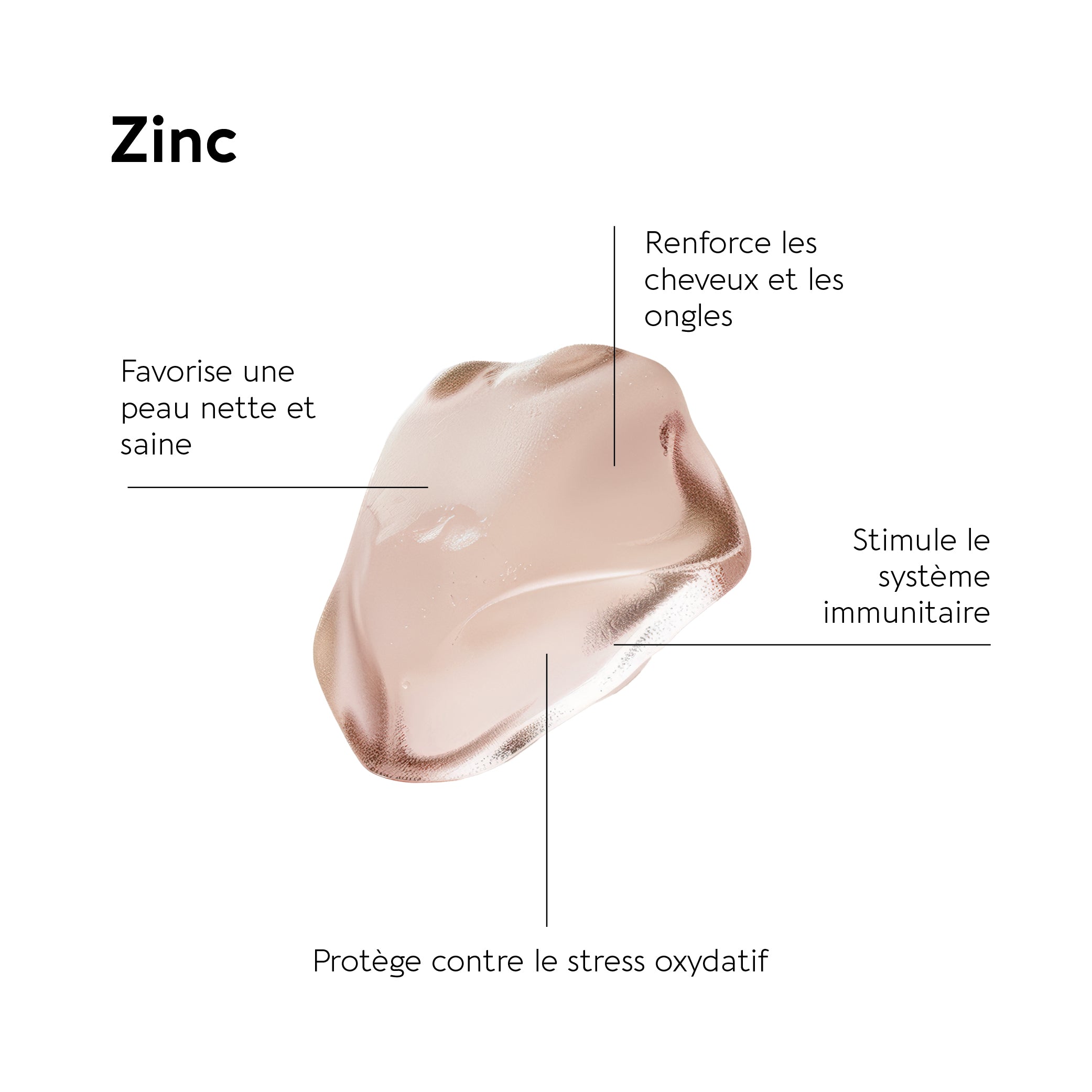
On a mechanistic level, pathways such as glycolysis and the mitochondrial respiratory chain utilize coenzymes derived from B vitamins; an insufficient intake can lead to a feeling of fatigue. Similarly, iron participates in oxygen transport and cellular respiration, while magnesium is involved in numerous enzymatic reactions, particularly those related to ATP utilization. Zinc, meanwhile, contributes to the protection of cells against oxidative stress, working synergistically with antioxidants.
Immunity
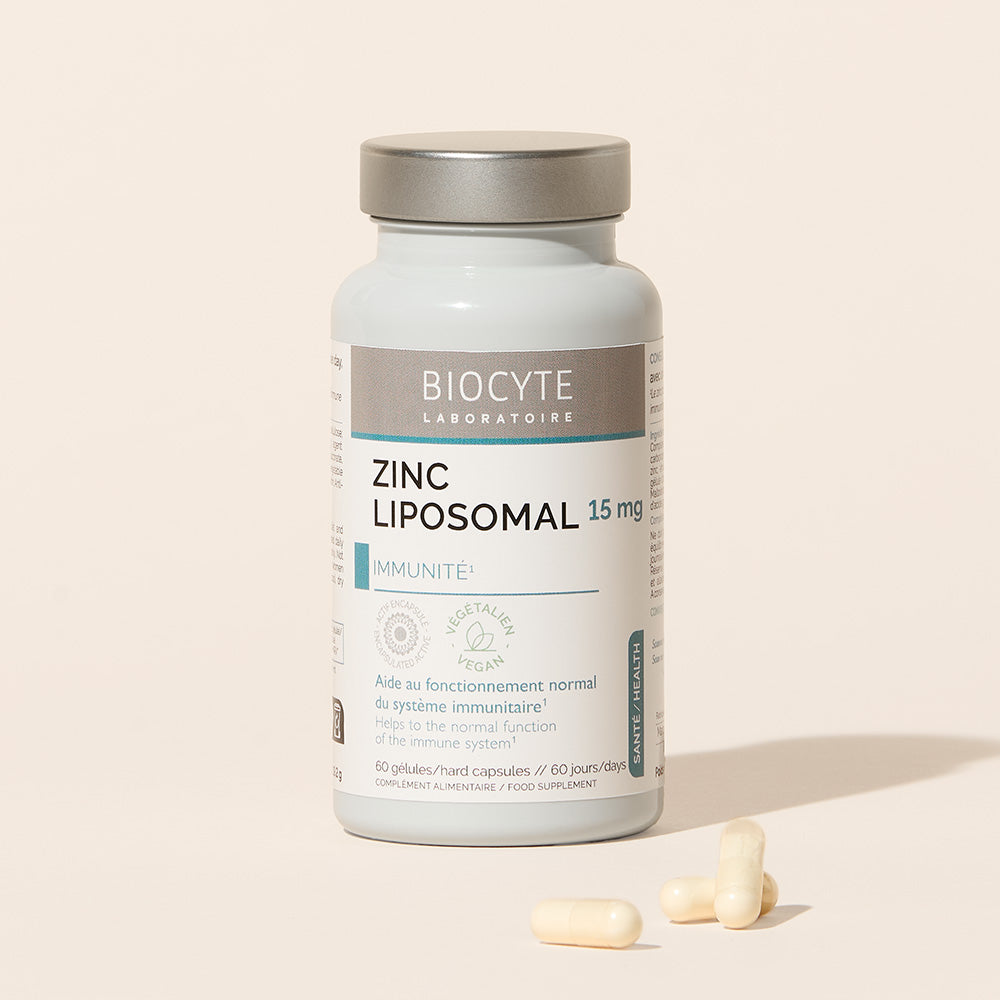
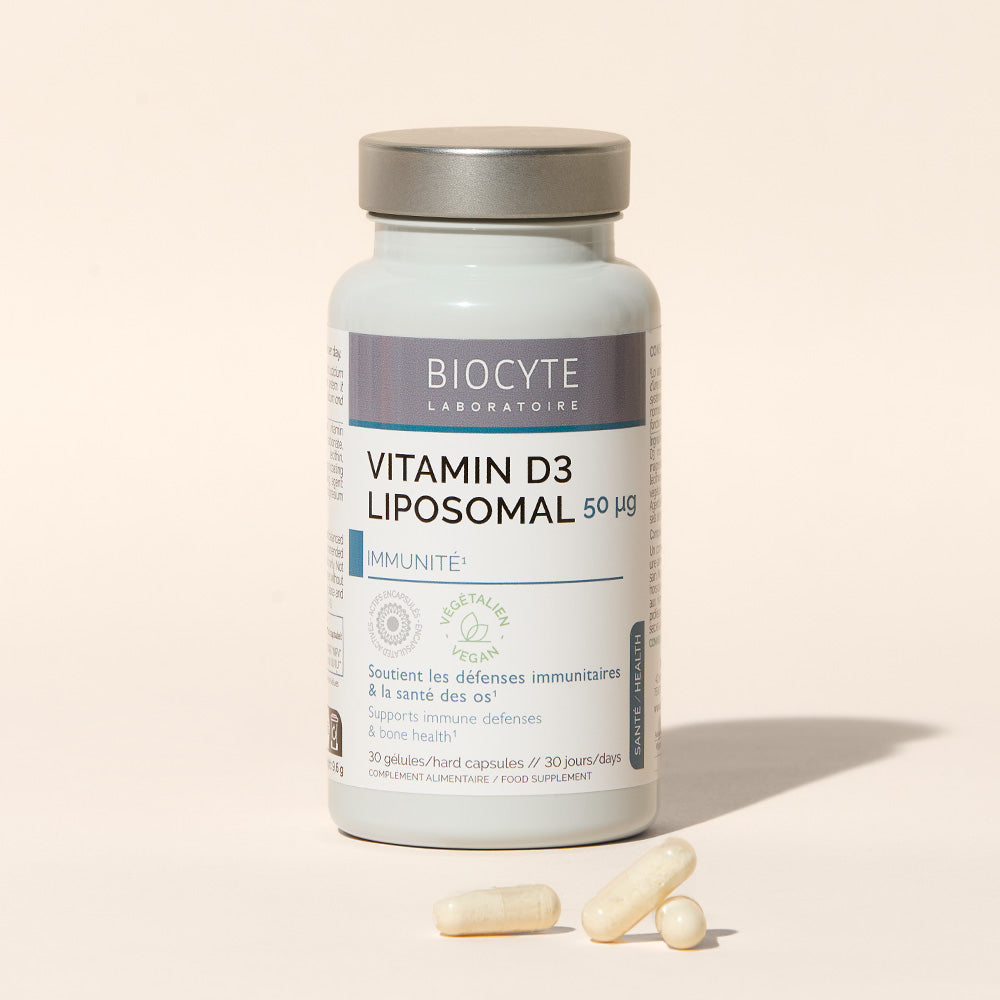
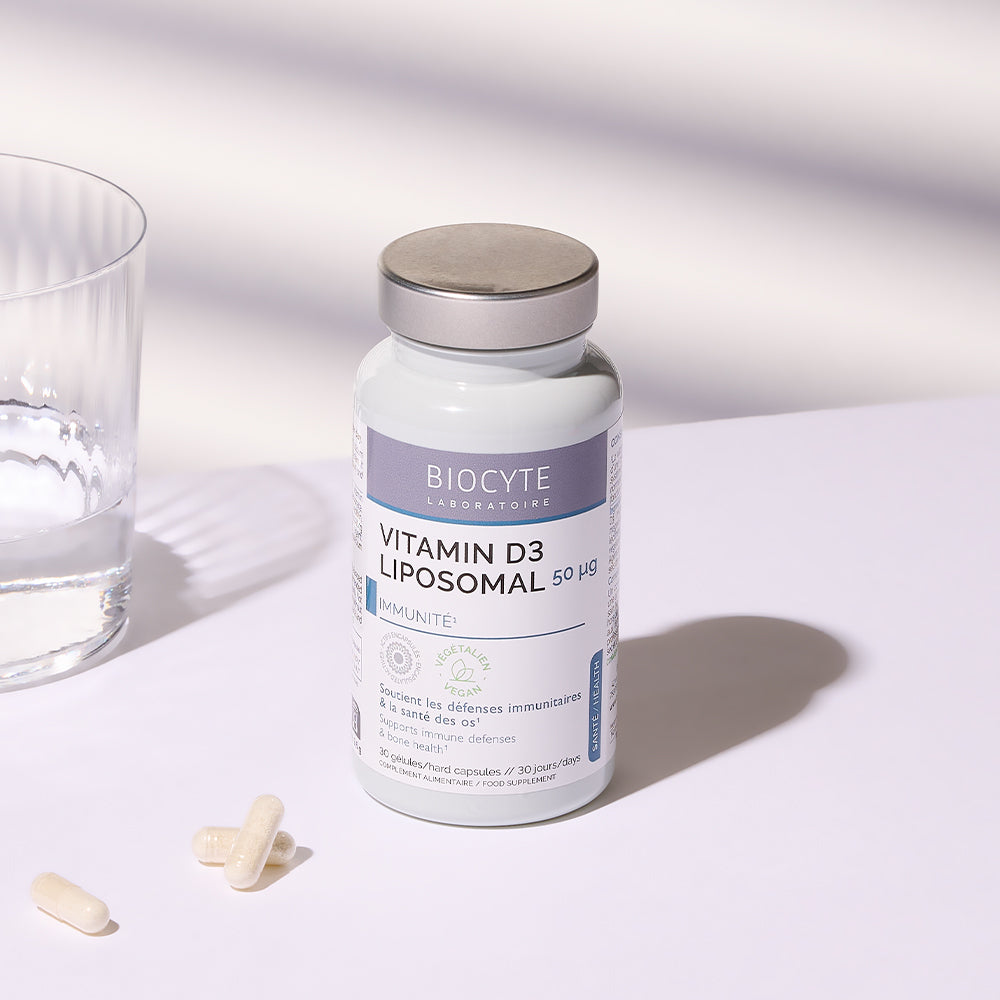
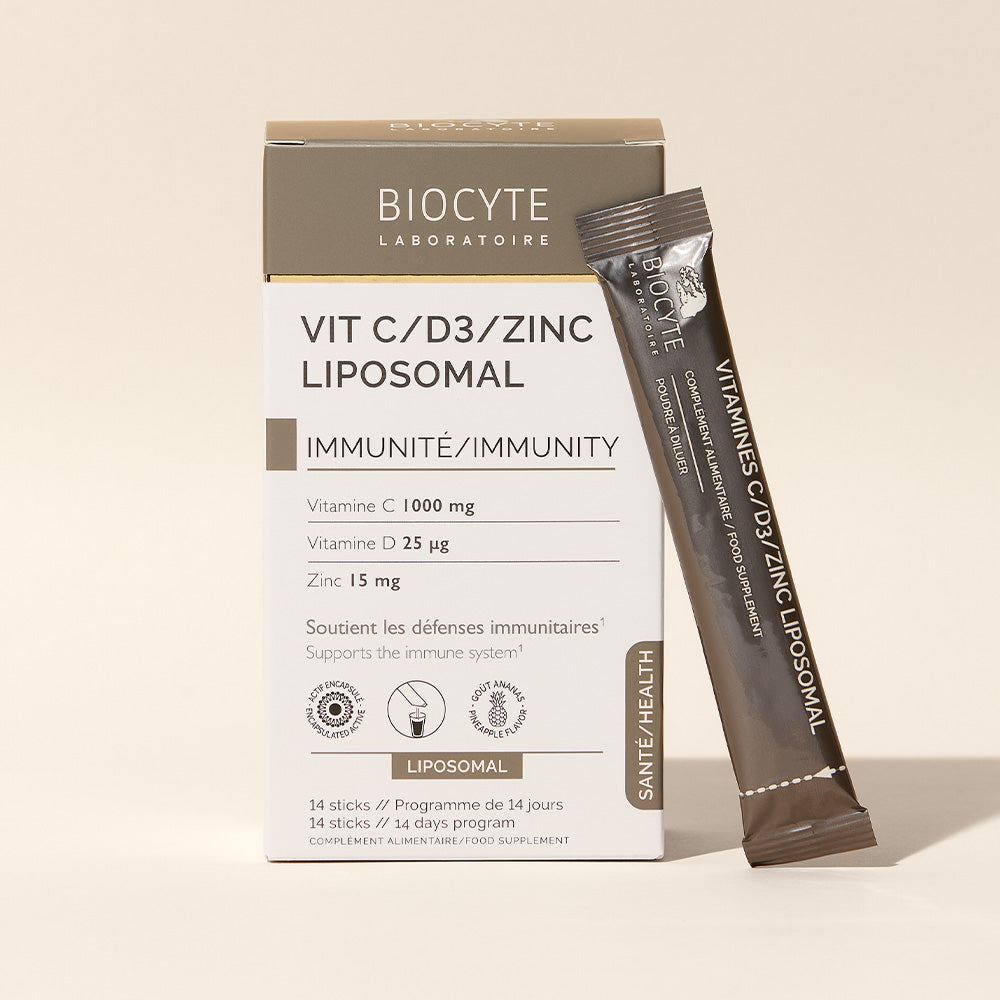
L'immunityIt involves a finely orchestrated interplay between physical barriers (including the skin and mucous membranes), immune cells, and mediators. Certain nutrients are classically associated with proper immune function, particularly vitamin D and vitamin C, as well as trace elements such as zinc.
From a biological standpoint, vitamin D plays a role in modulating the innate and adaptive immune response. Vitamin C, on the other hand, contributes to protection against oxidative stress and supports several cellular functions. Formulations combining vitamin C, vitamin D, and zinc are common; the key lies in the consistency of the dosages and the quality of the raw materials, rather than simply increasing the number of active ingredients.
Digestion & Microbiota
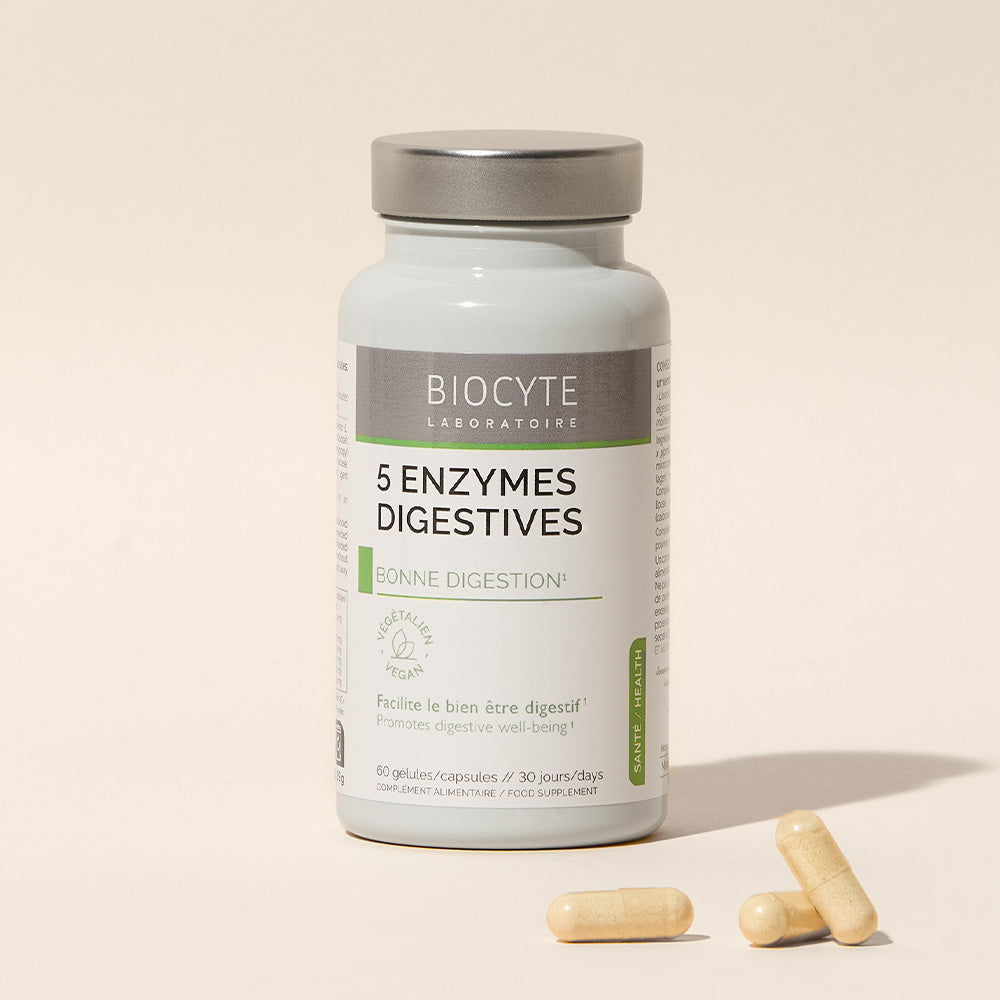
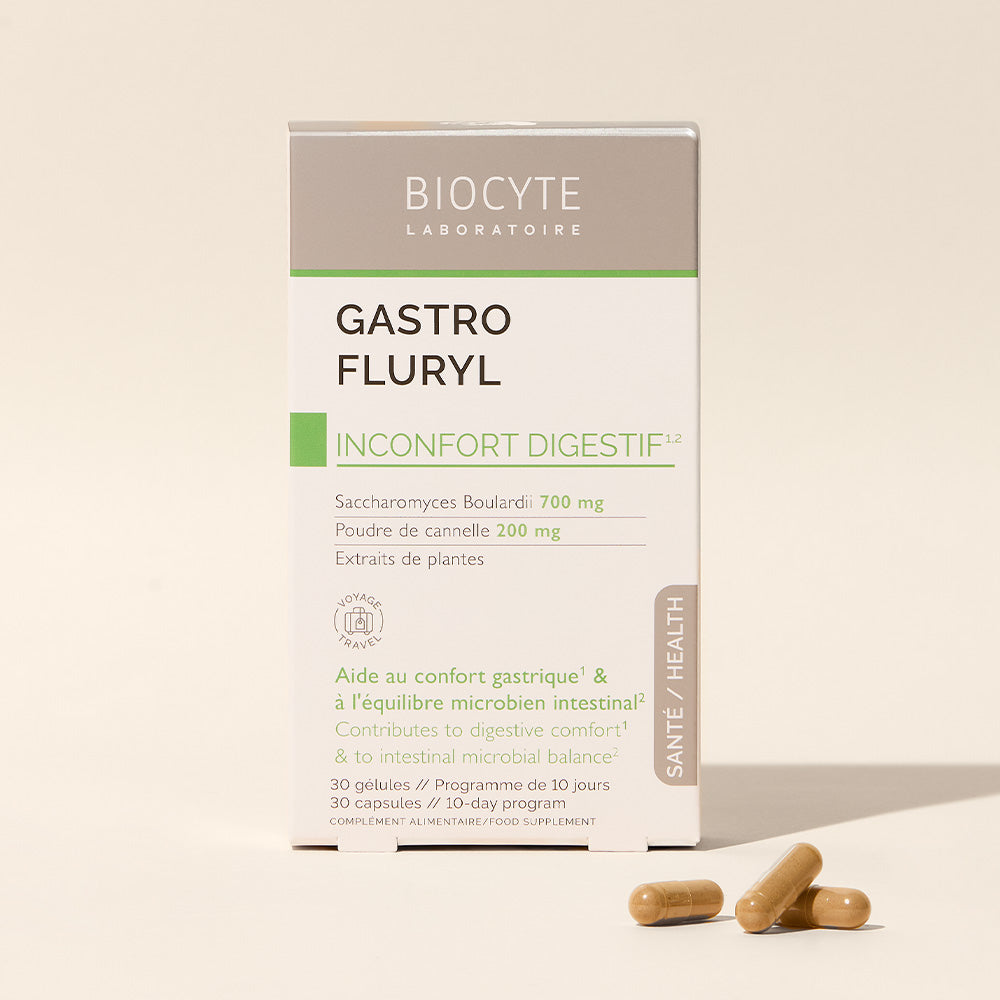
Theredigestionis a central axis: absorption, tolerance, comfort, but also an intimate relationship with the skin via the gut-skin axis. The gut microbiota influences metabolic and immune parameters; imbalances can result in digestive sensitivity or more reactive skin in certain individuals.
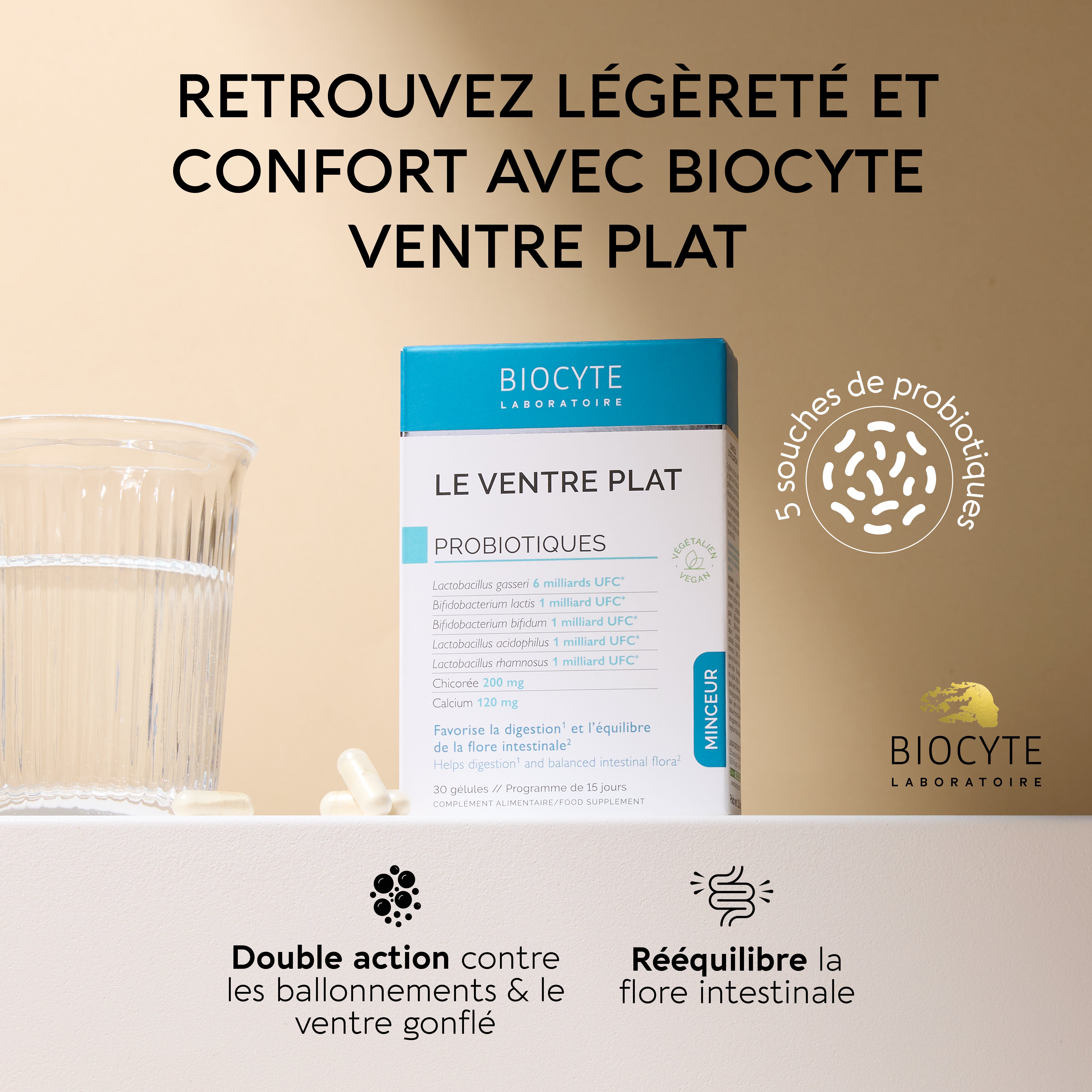
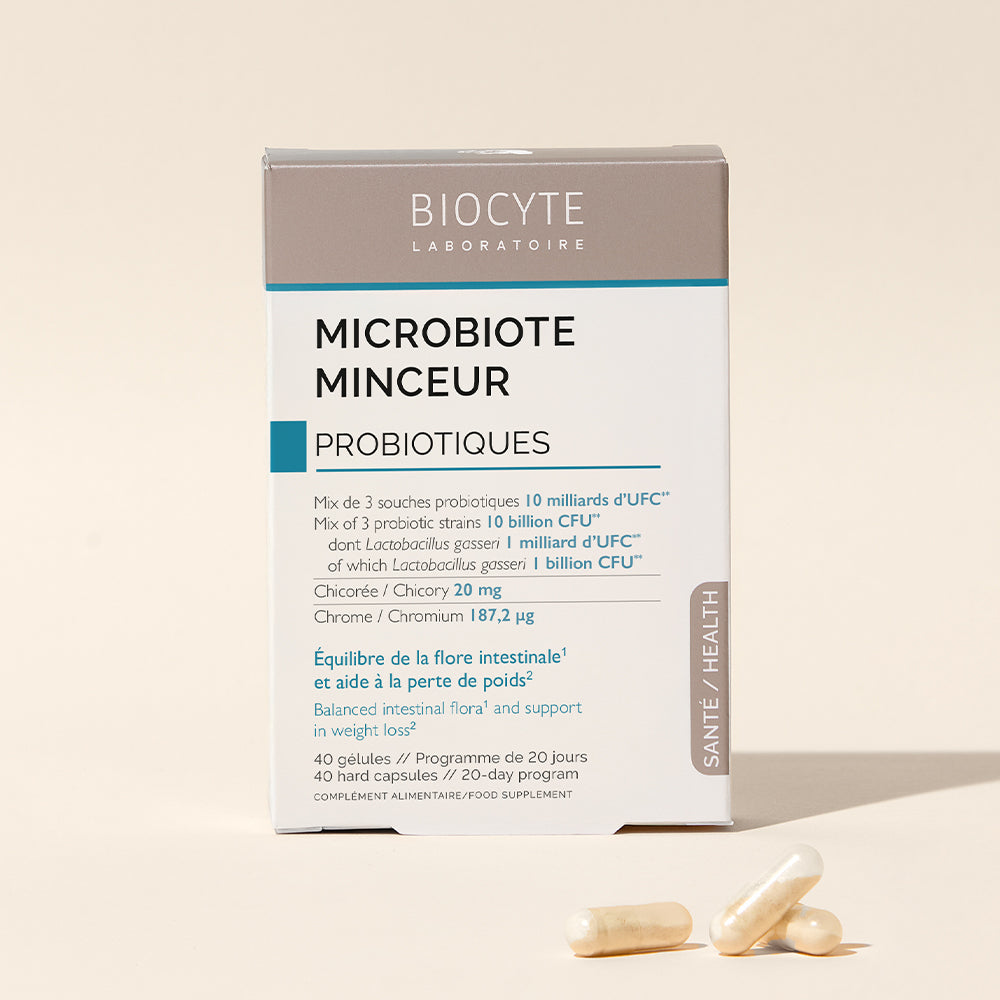
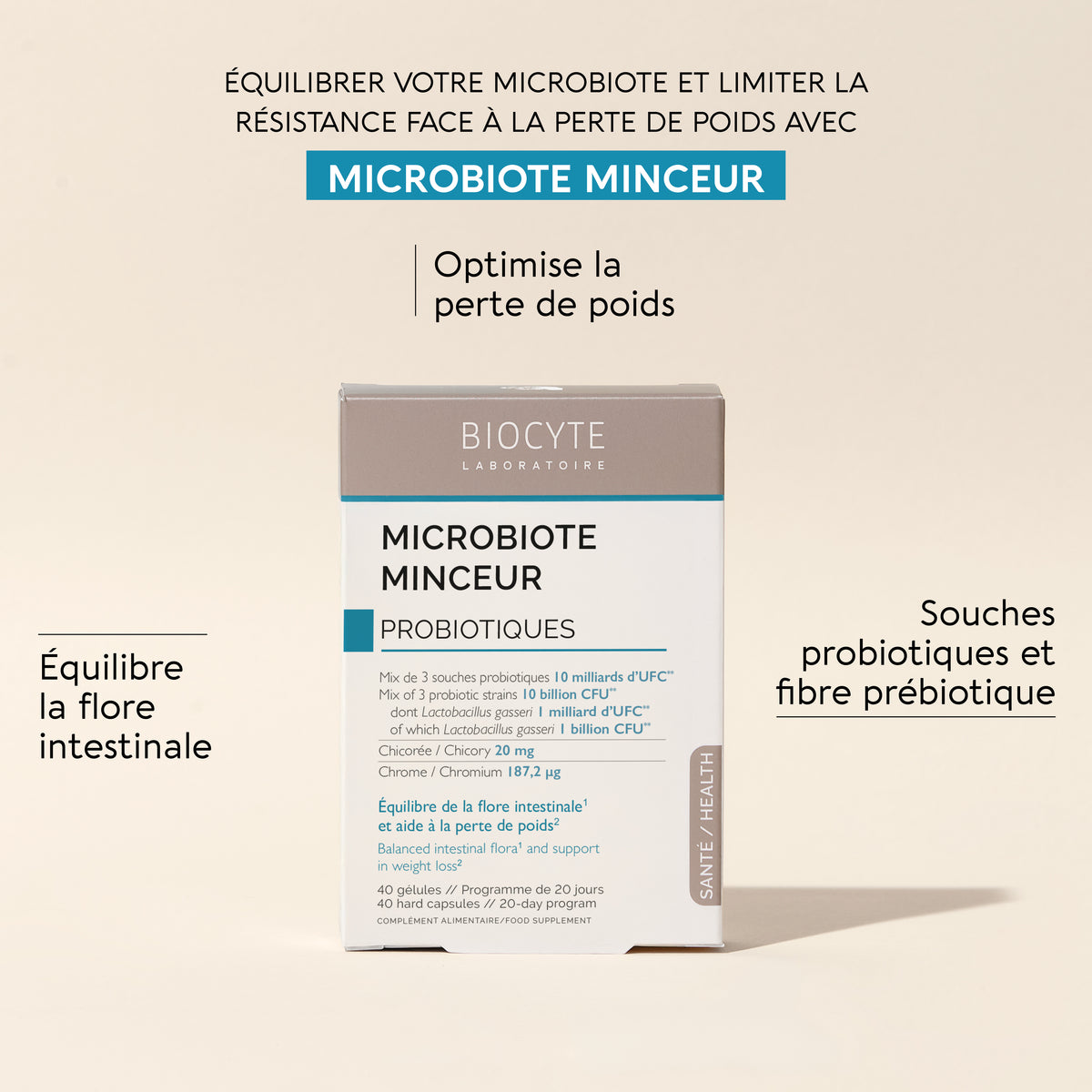
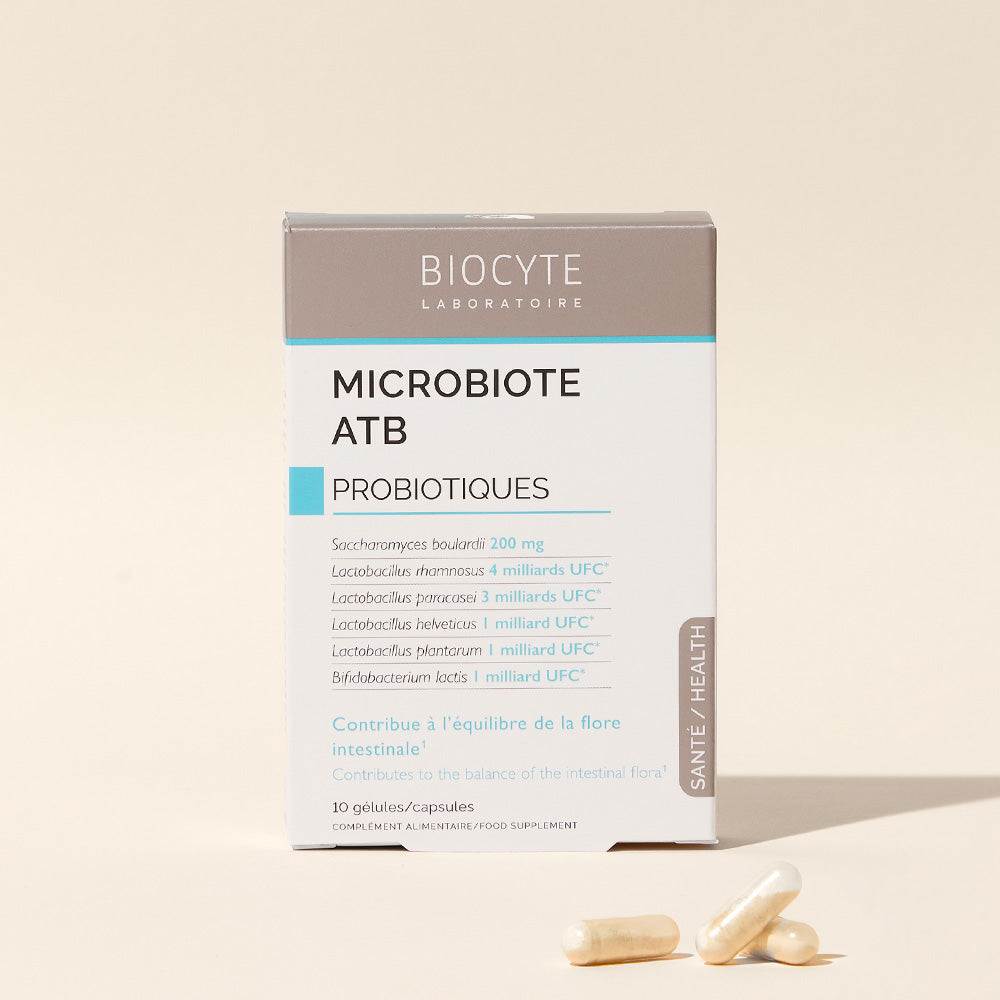
In this context, theprobioticsLive microorganisms and prebiotics (substrates that promote the growth of certain bacteria) are among the most studied options. Controlled clinical trials often evaluate their impact on digestive comfort scores, regularity, or certain indirect markers. The quality of a formula is judged by the identification of the strains, the quantity guaranteed until the end of the product's shelf life, and the storage conditions.
Sleep & stress
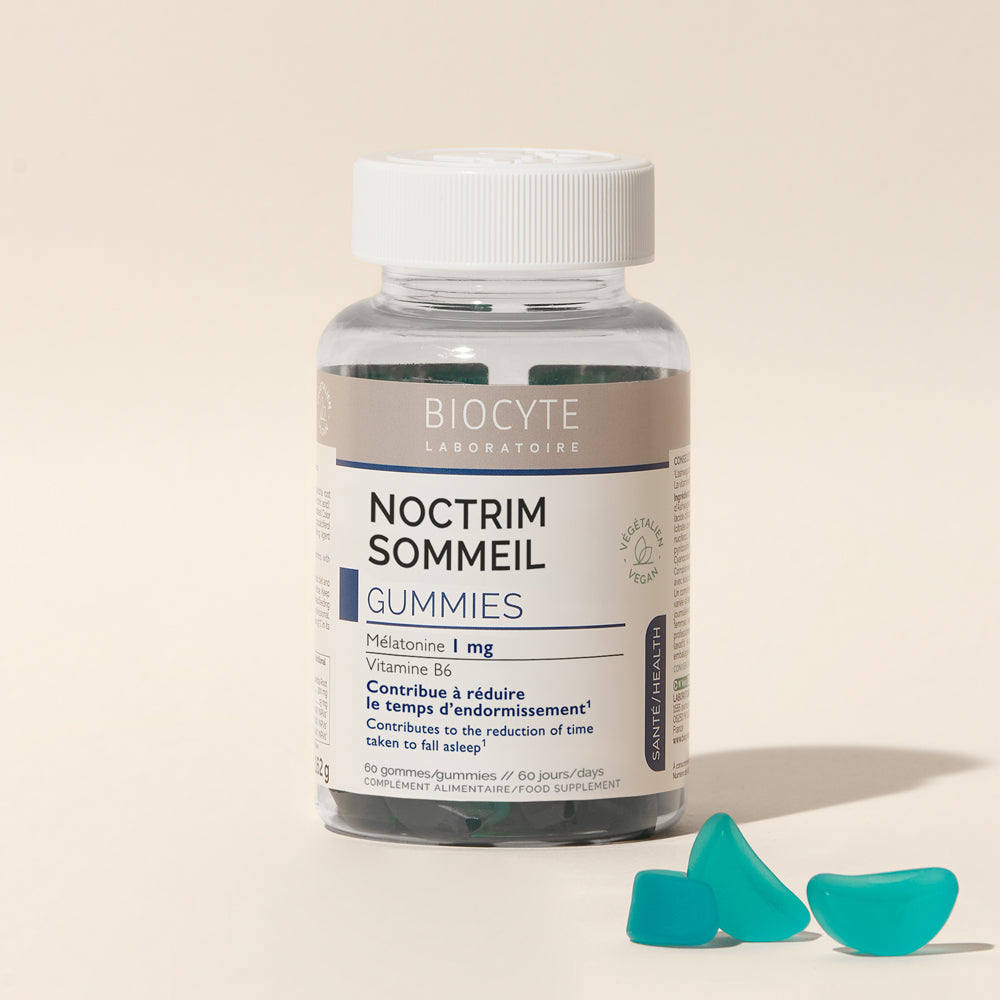
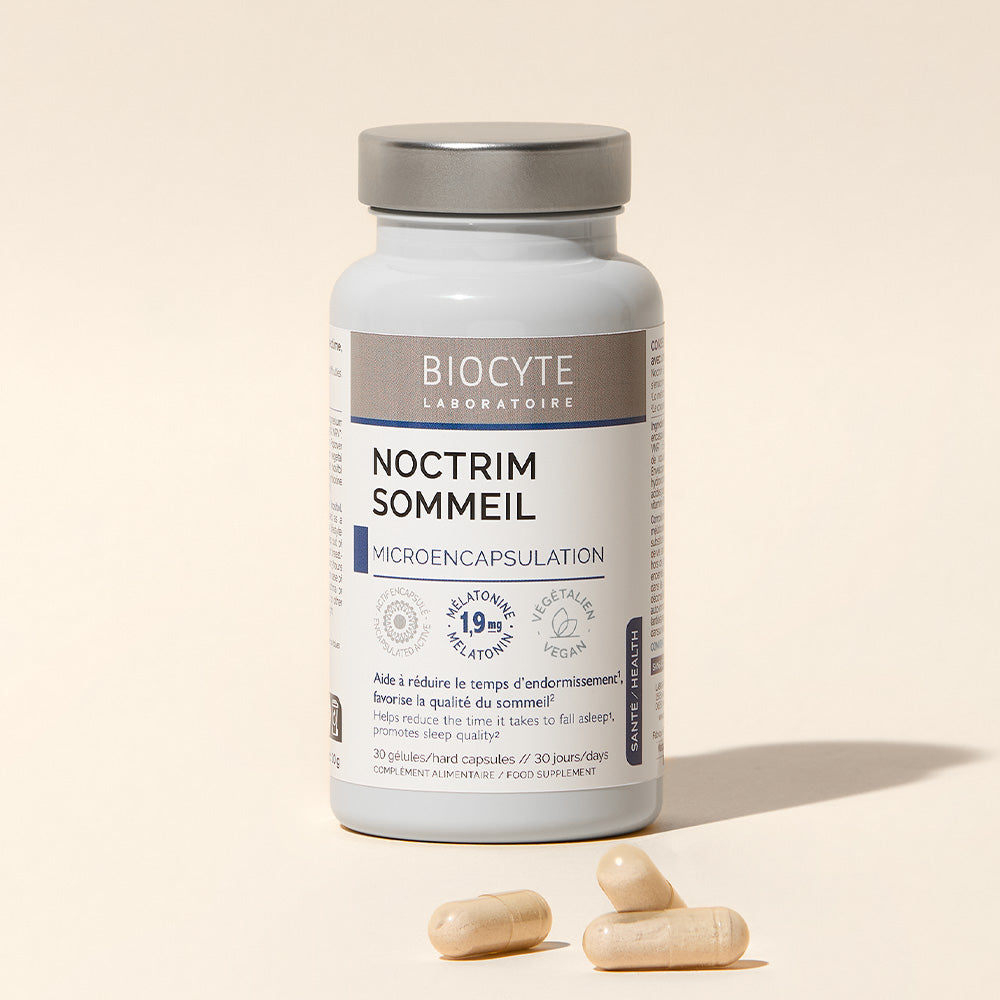
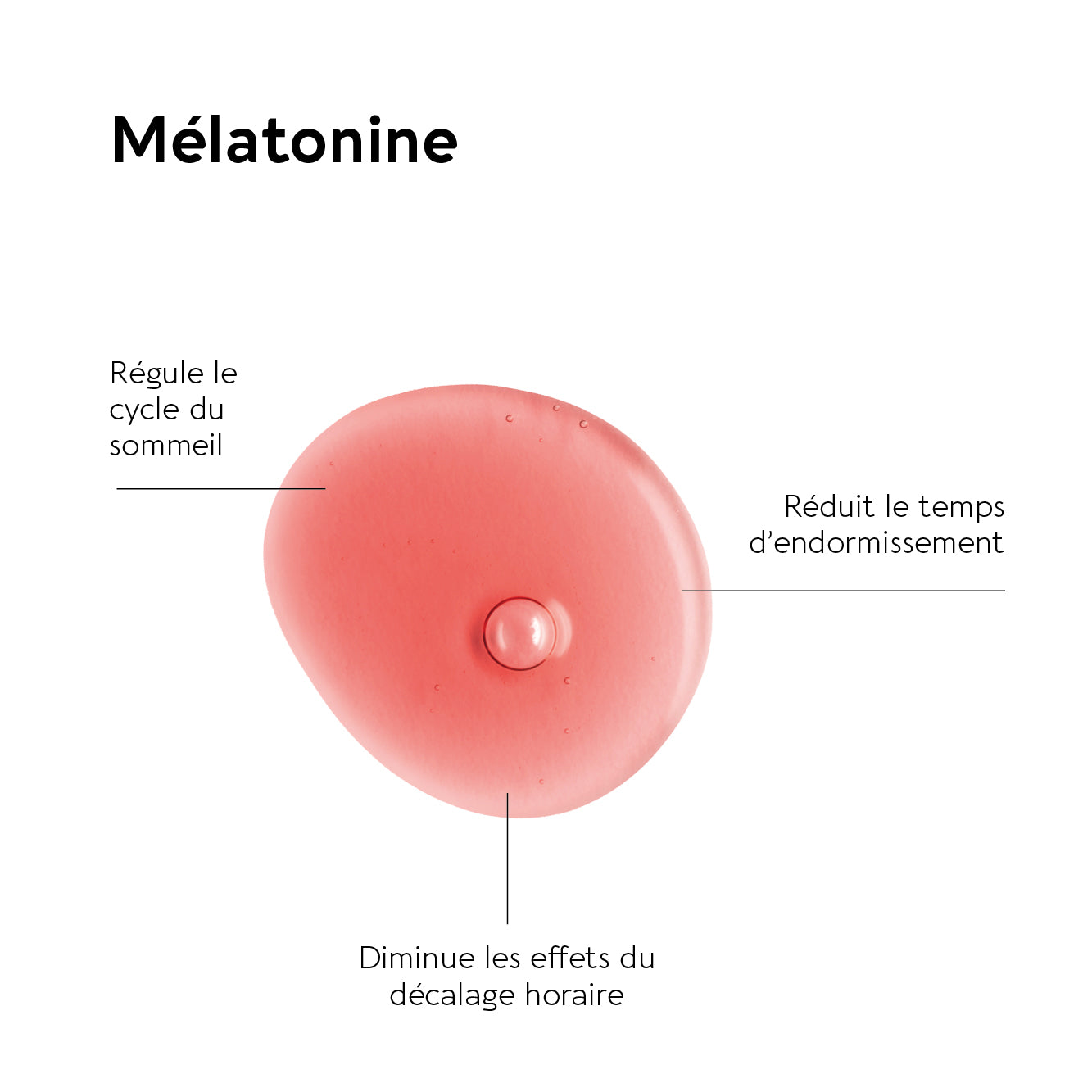
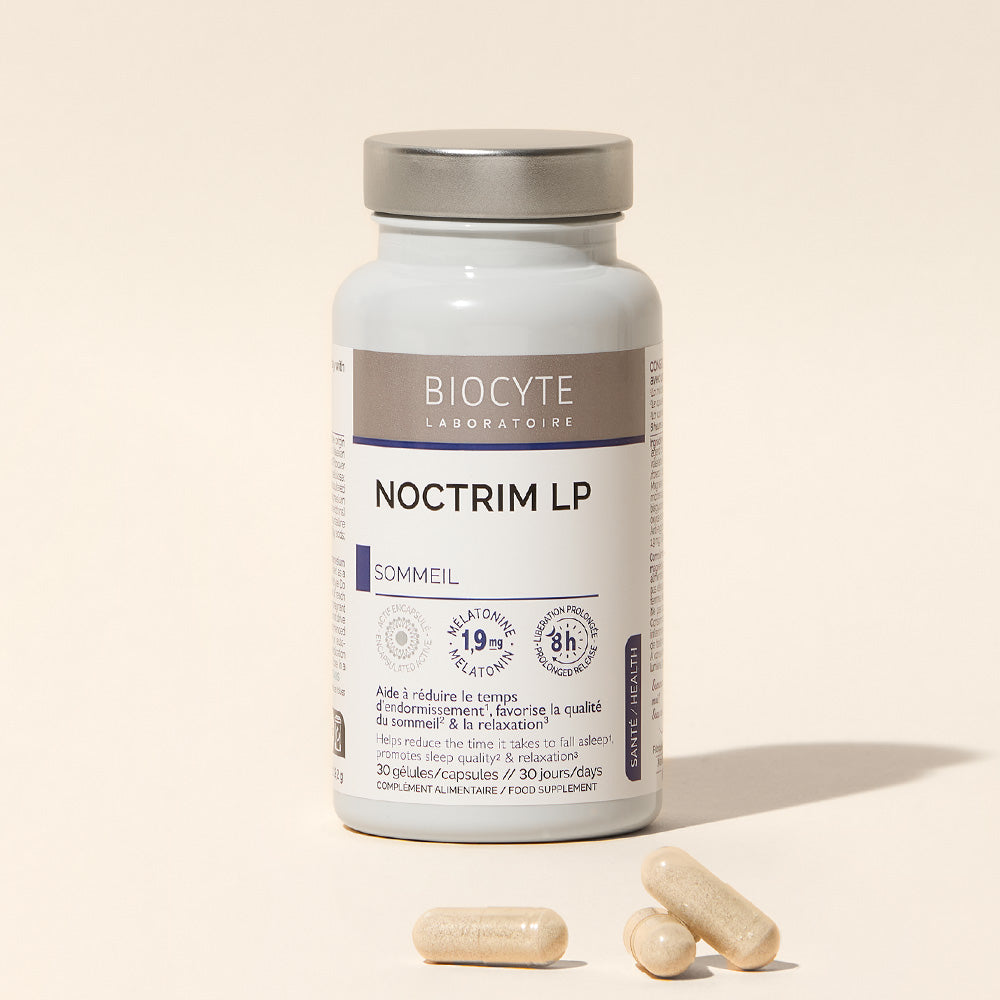
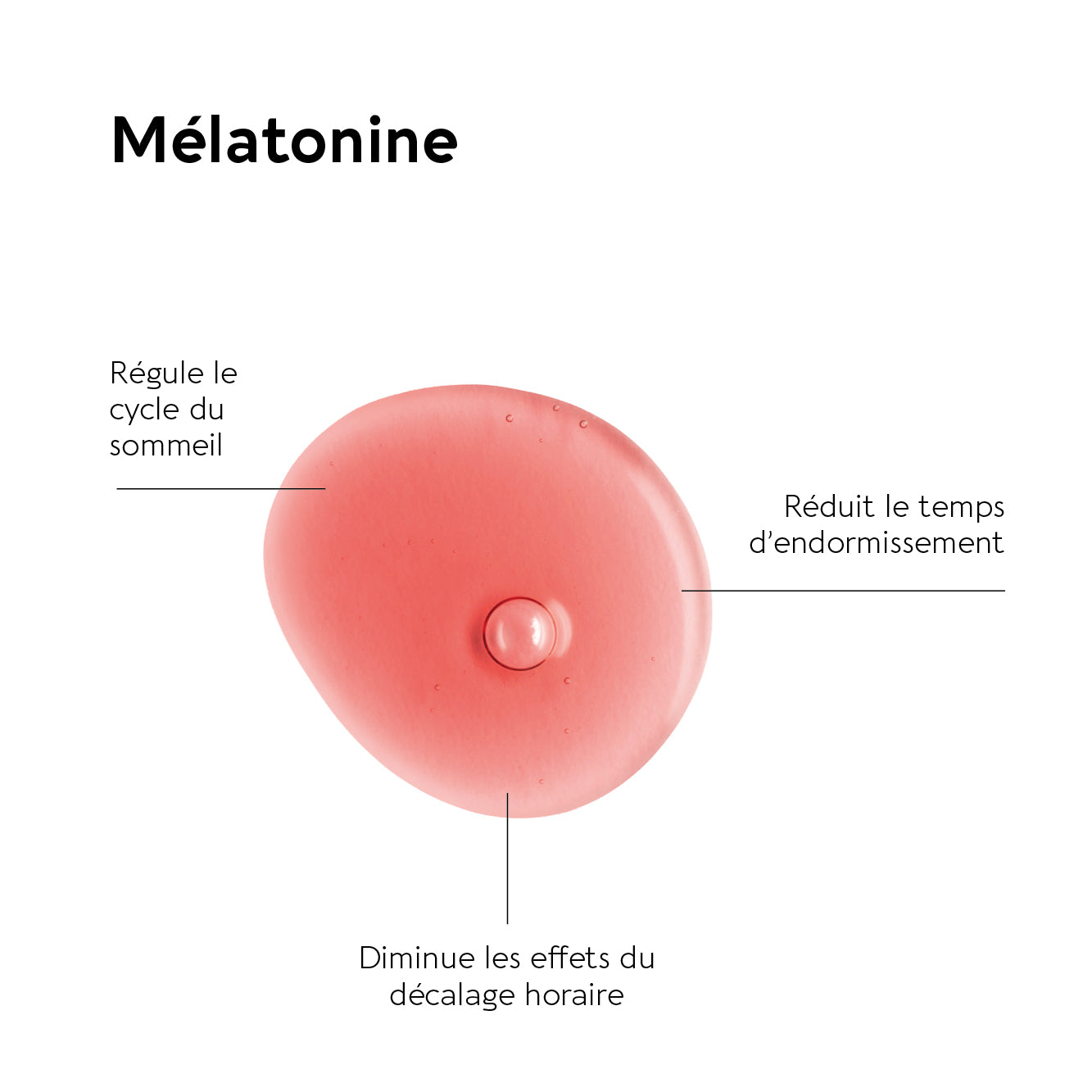
The duosleep and stressIt affects recovery, emotional balance, and, consequently, skin appearance. Fragmented sleep can influence the perception of fatigue, radiance, and sensitivity. Physiologically, the body alternates between phases of repair and adaptation; a consistent routine aims to support these mechanisms.
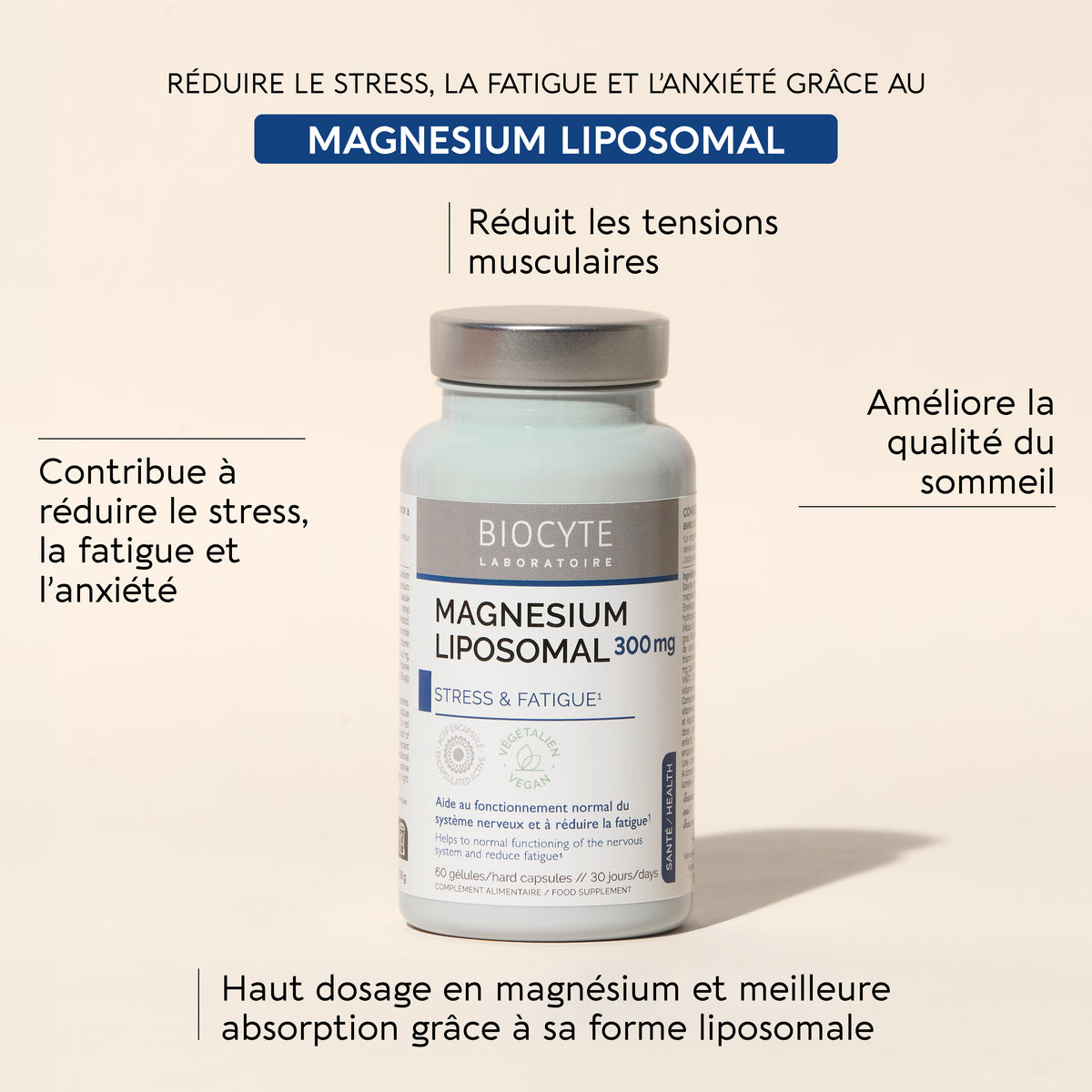
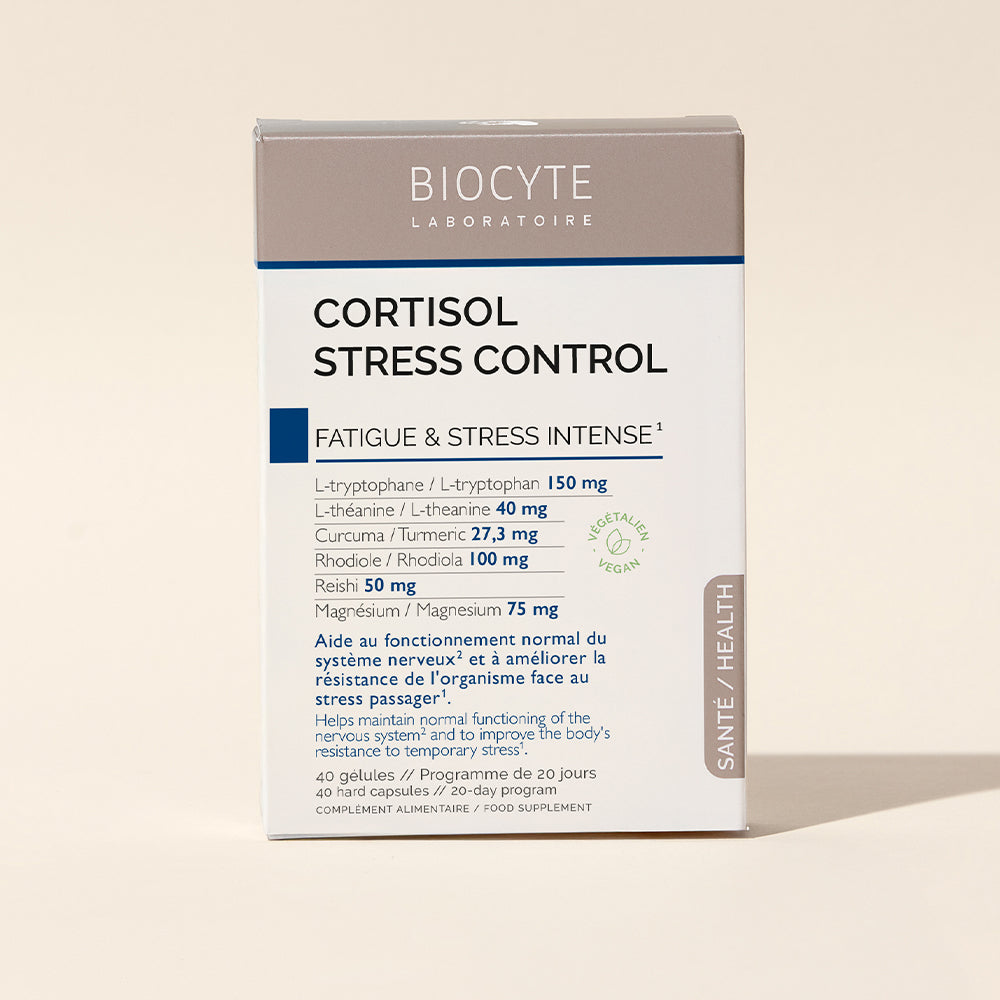
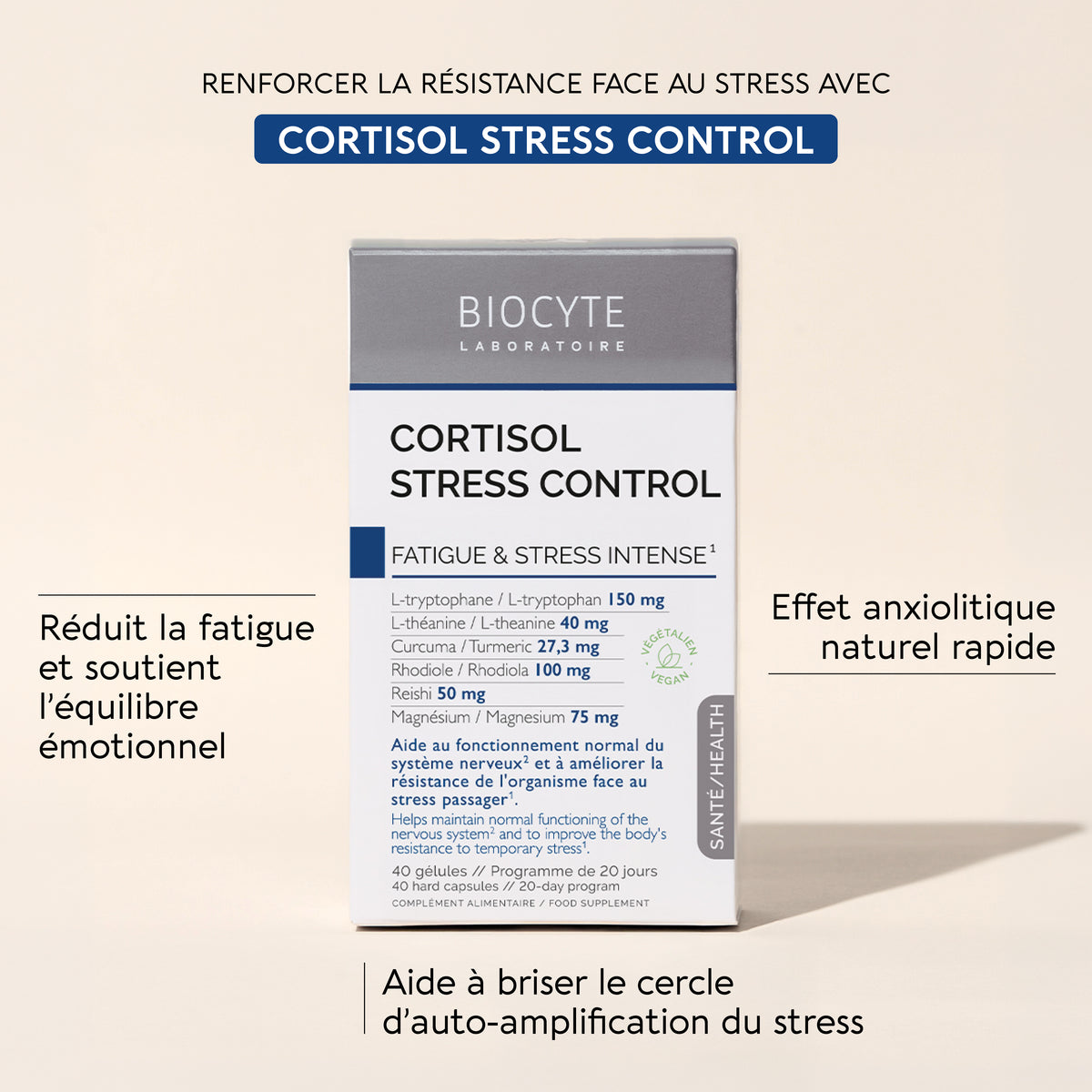
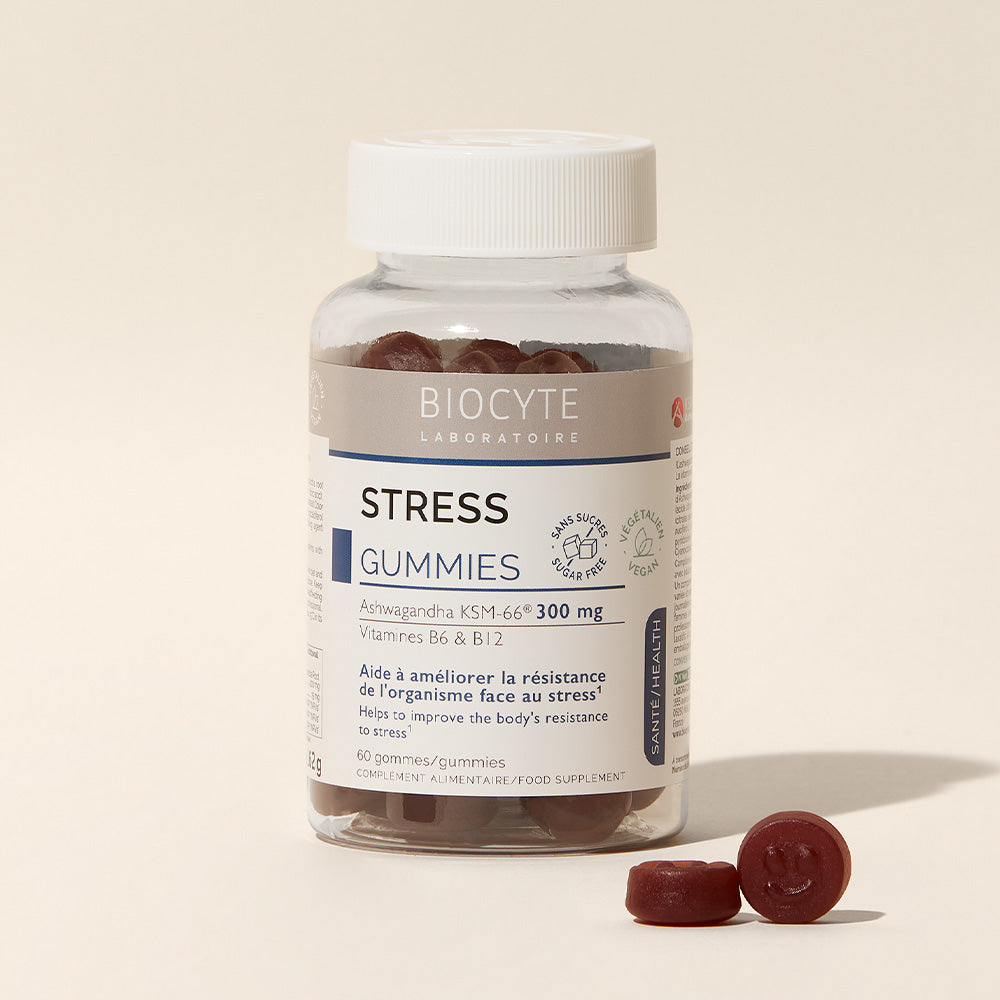
Several approaches exist: magnesium supplementation (a cofactor involved in neuromuscular relaxation), micronutrient support via certain vitamins, and the use of adaptogenic herbs. Among these, ashwagandha and ginseng are frequently cited in the literature for adapting to perceived stress and increasing resistance to fatigue, through complex mechanisms involving the neuroendocrine axis. Studies are generally randomized and controlled, using stress or sleep quality scales; interpretation depends on the methodological quality and the populations evaluated.
Beauty (skin, hair, nails)
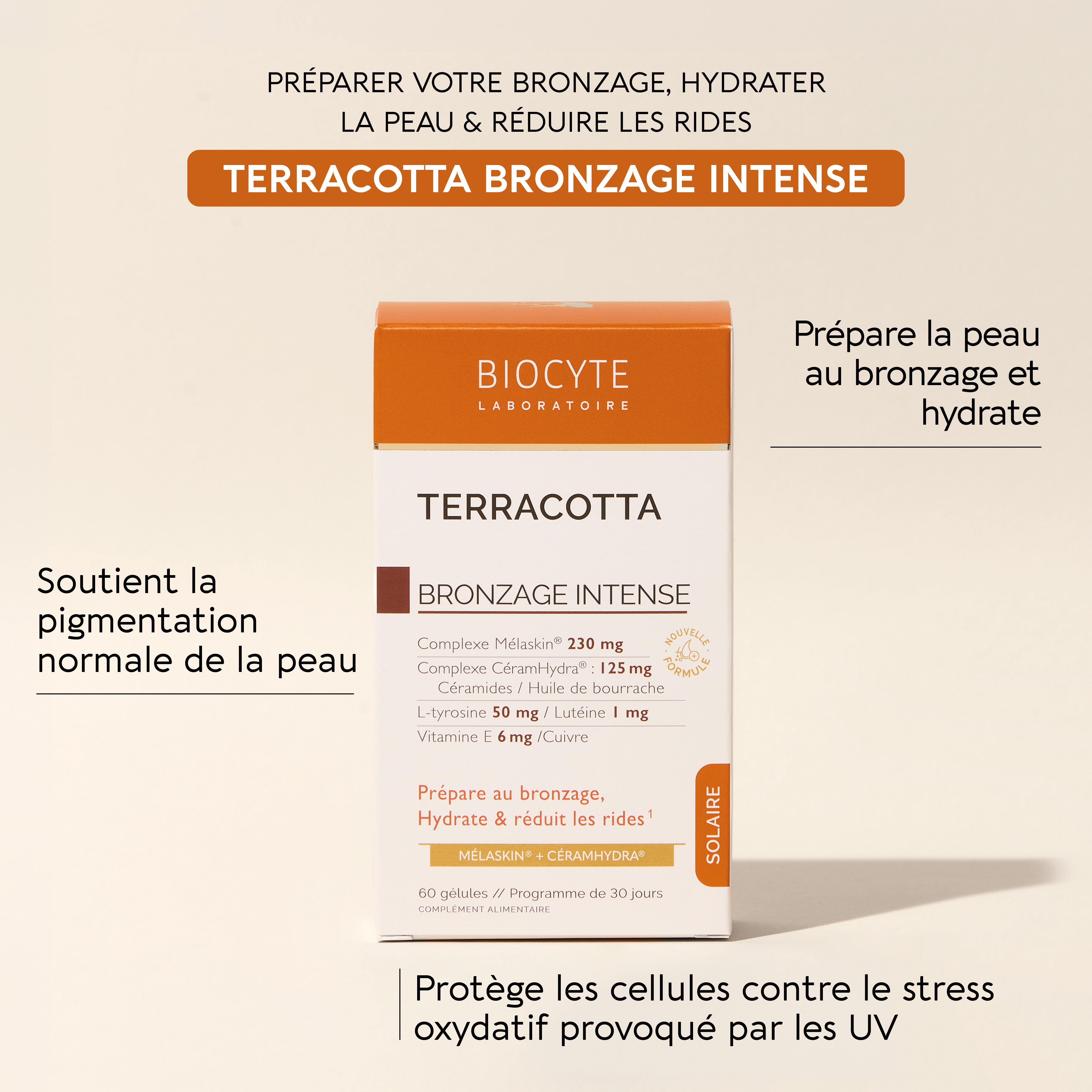
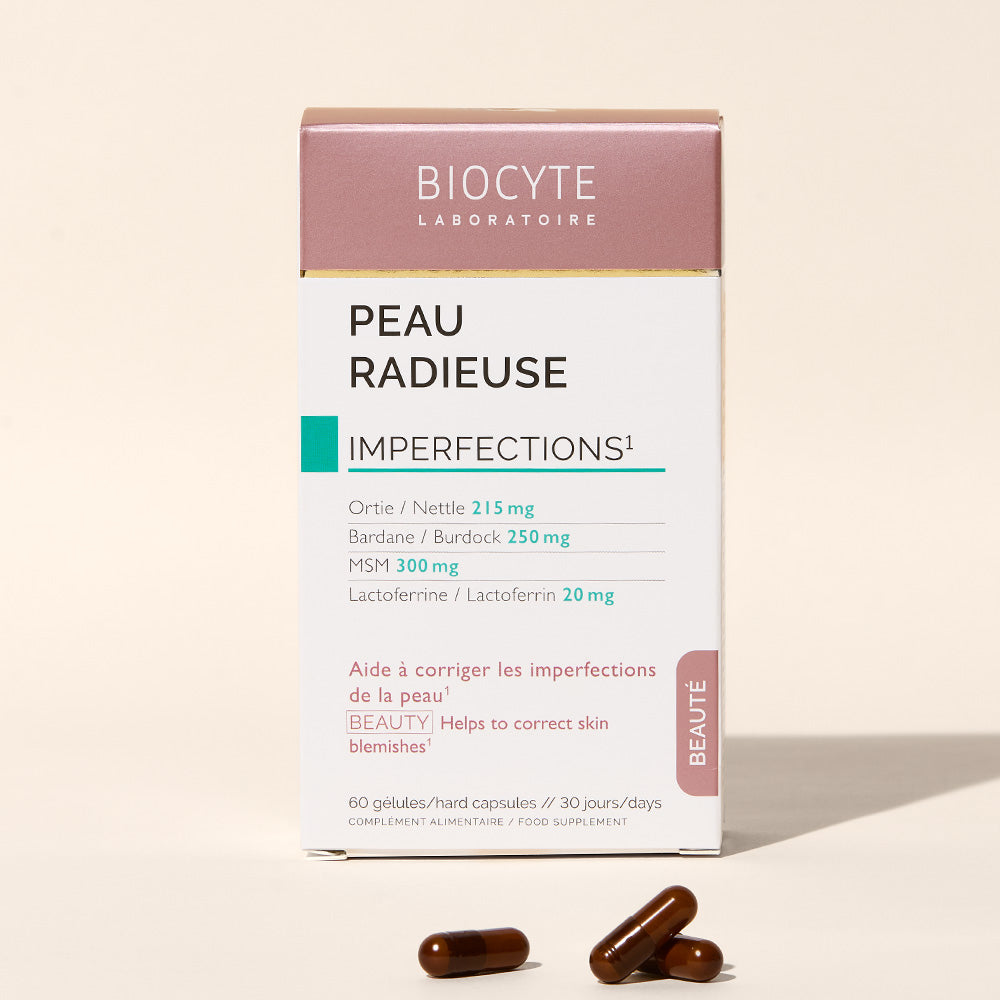
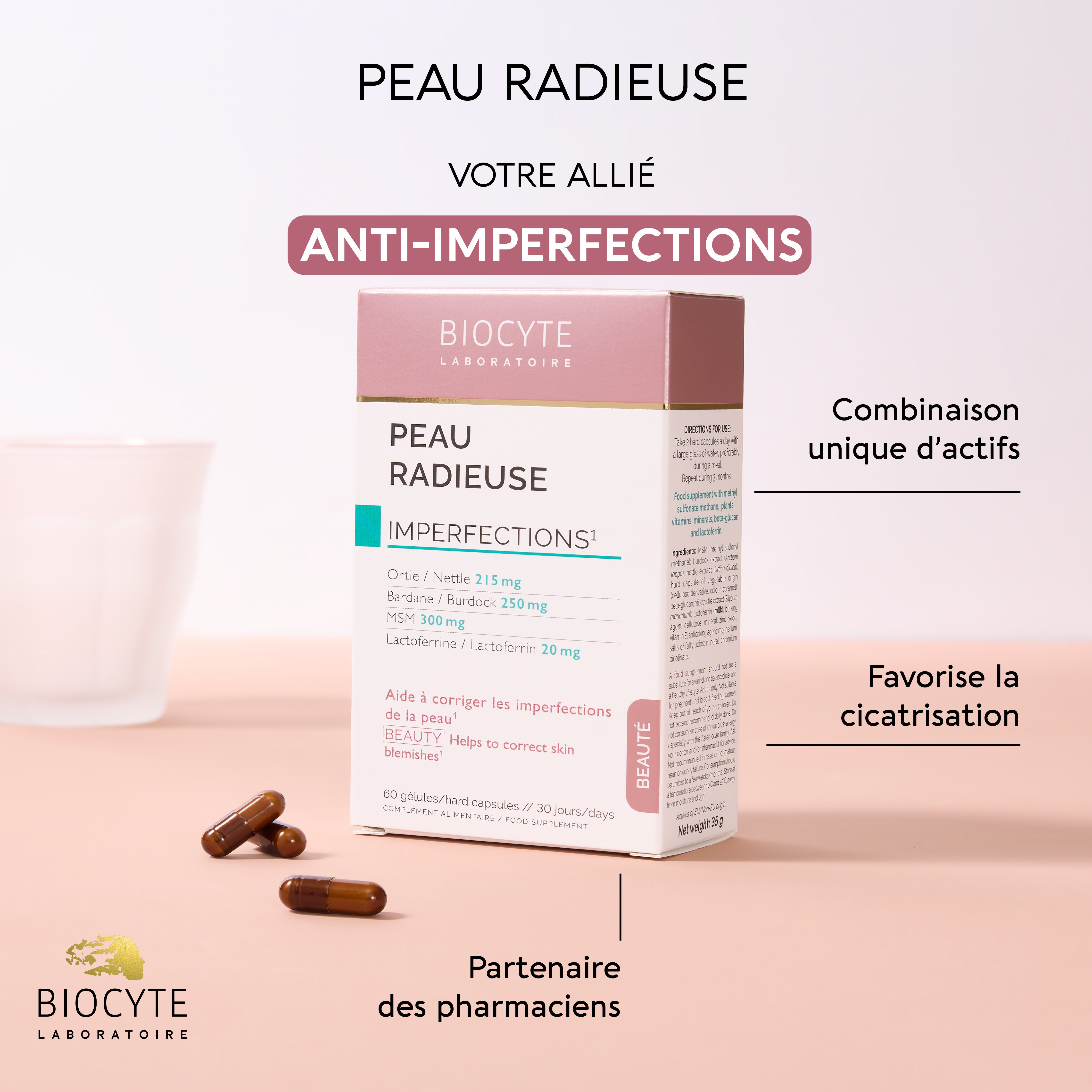
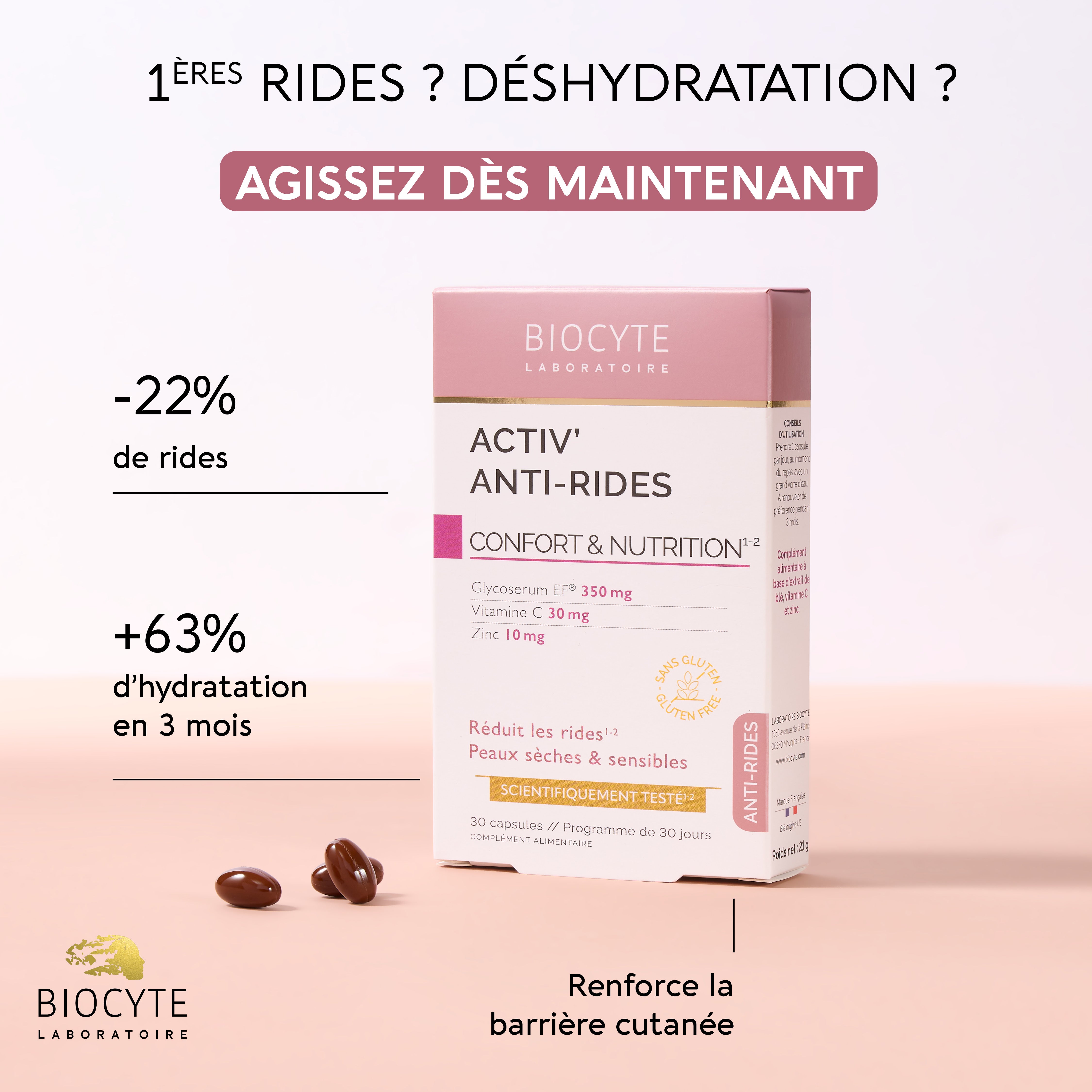
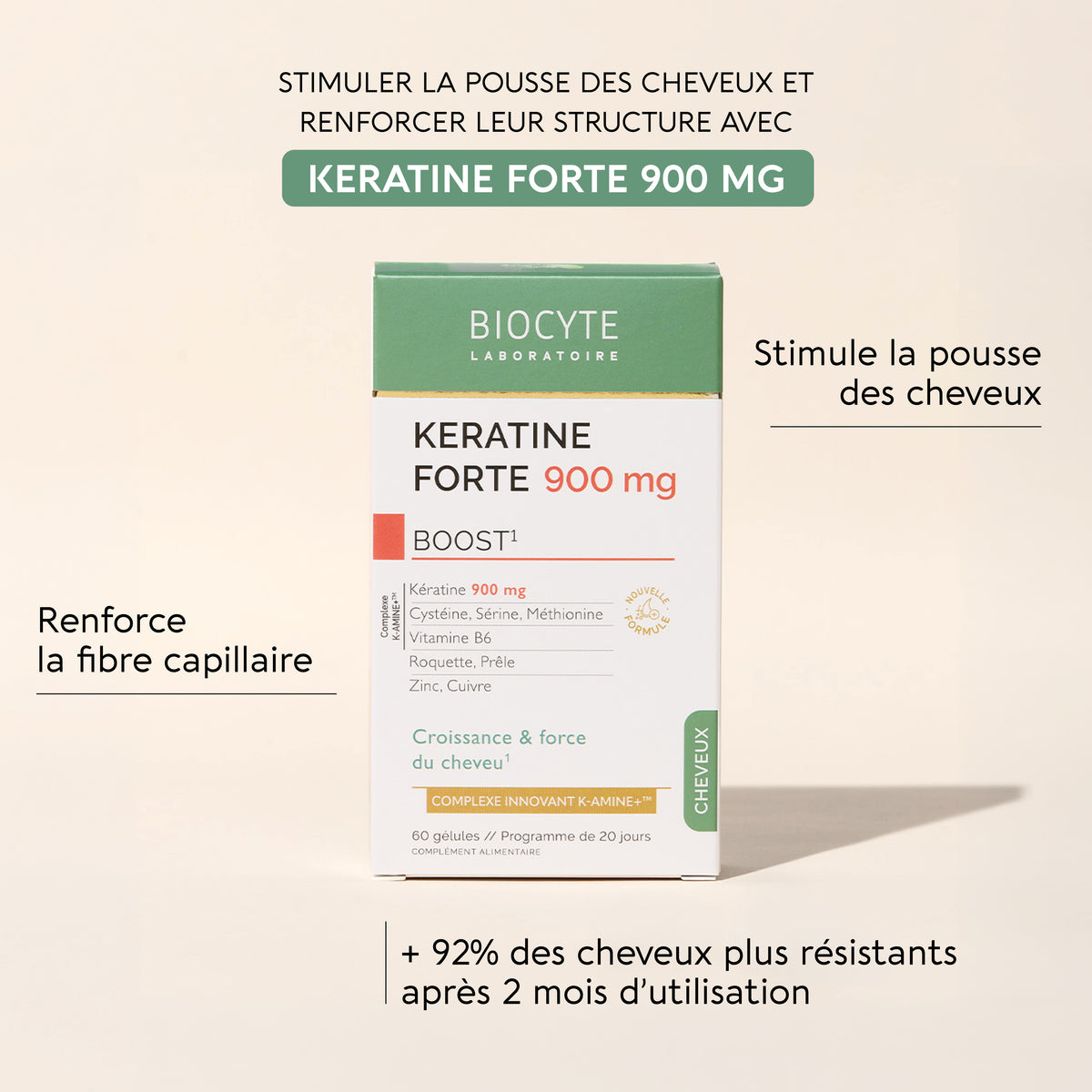
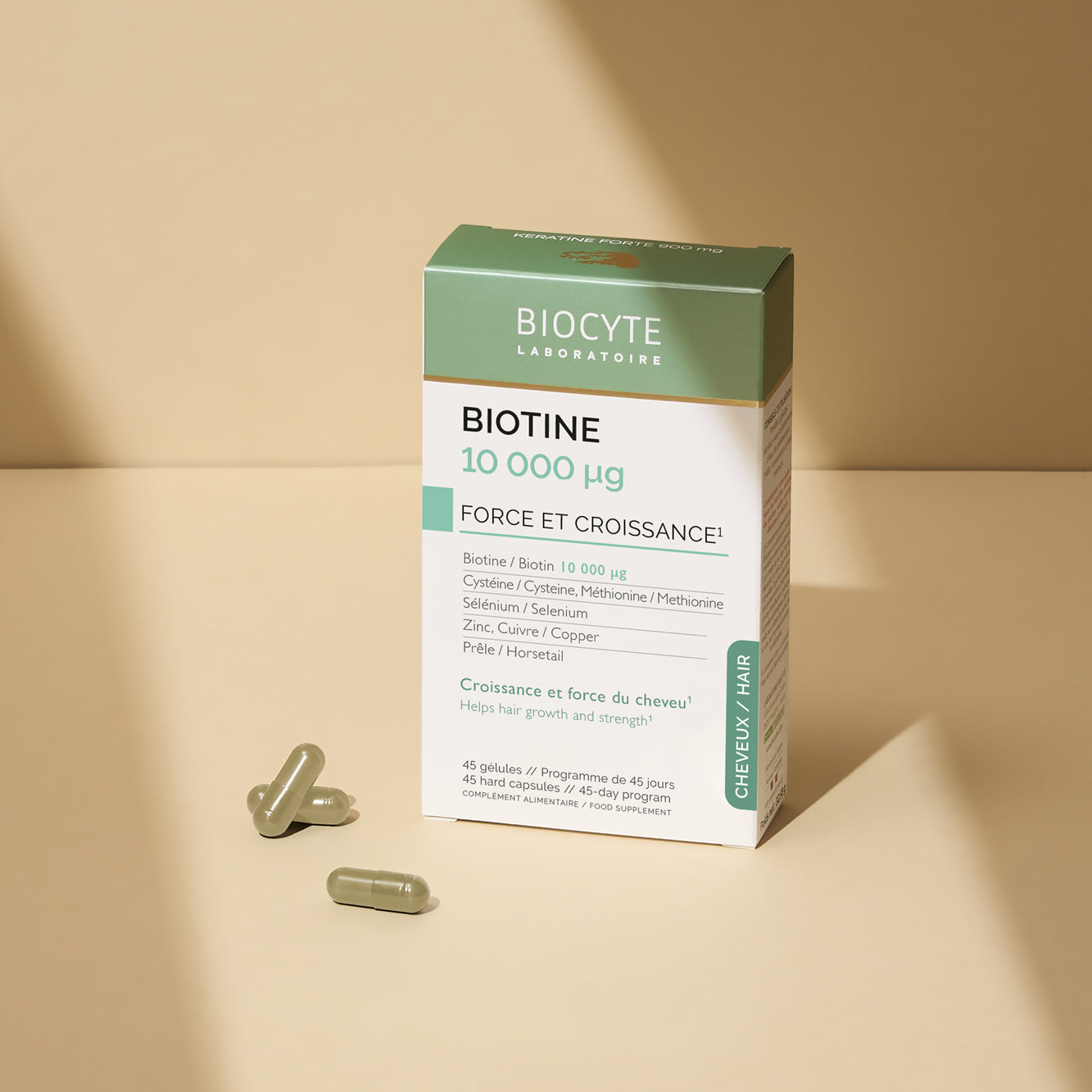
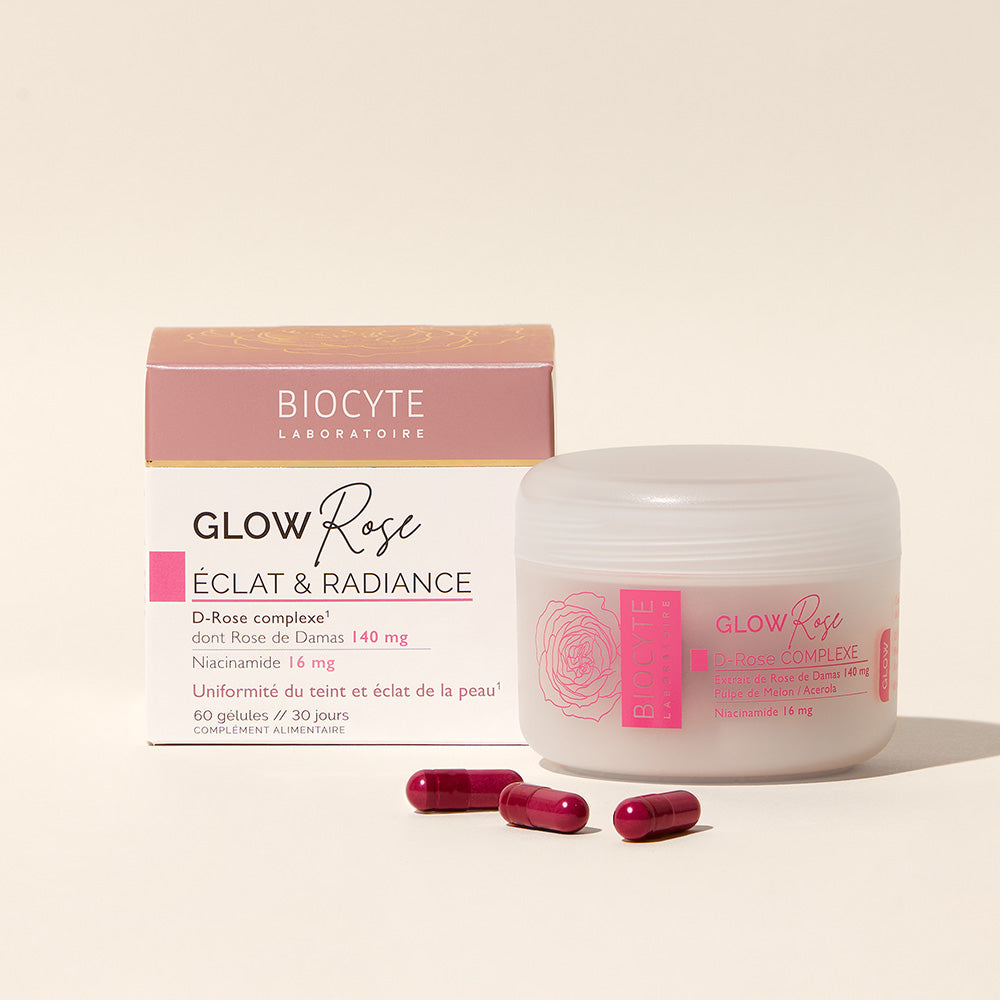
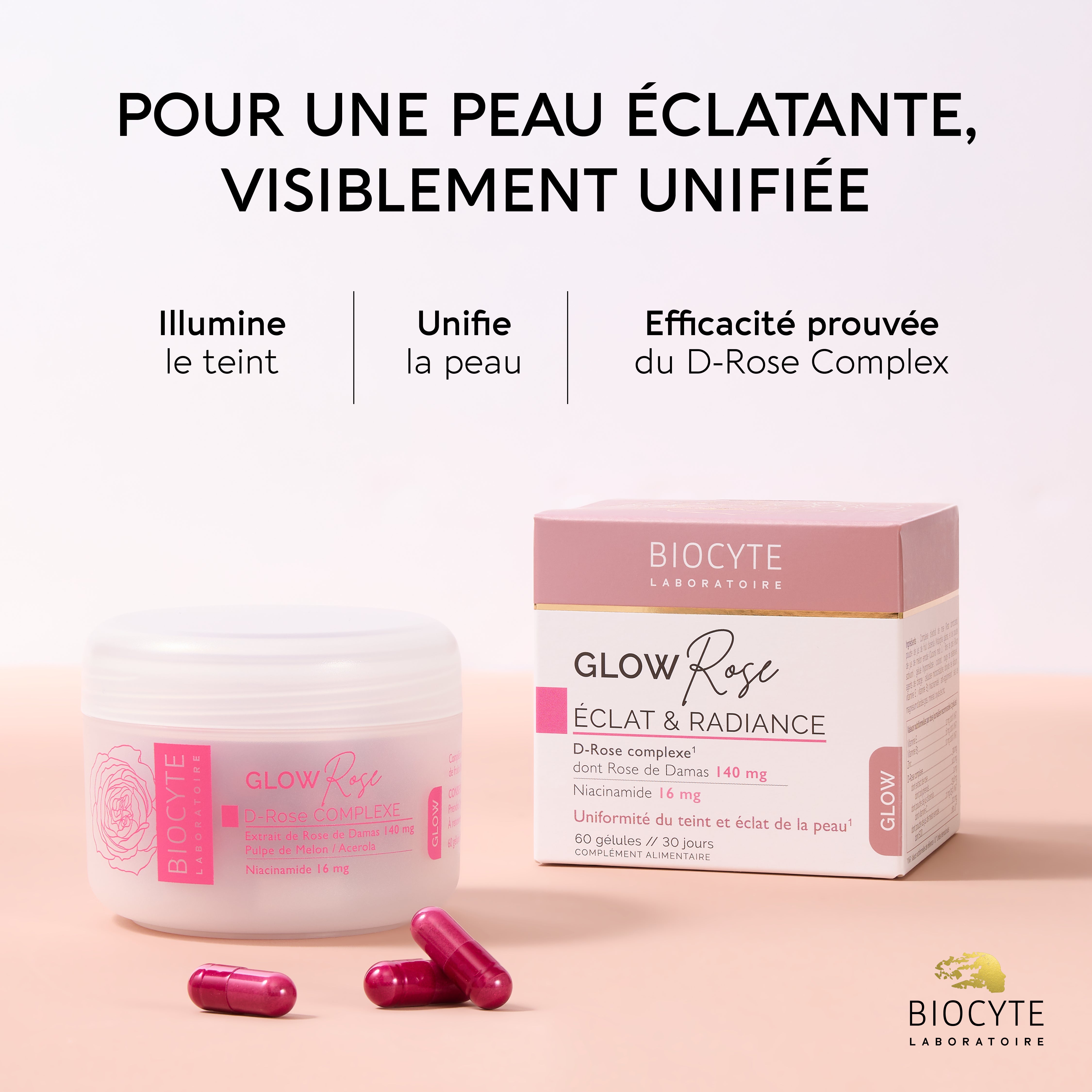
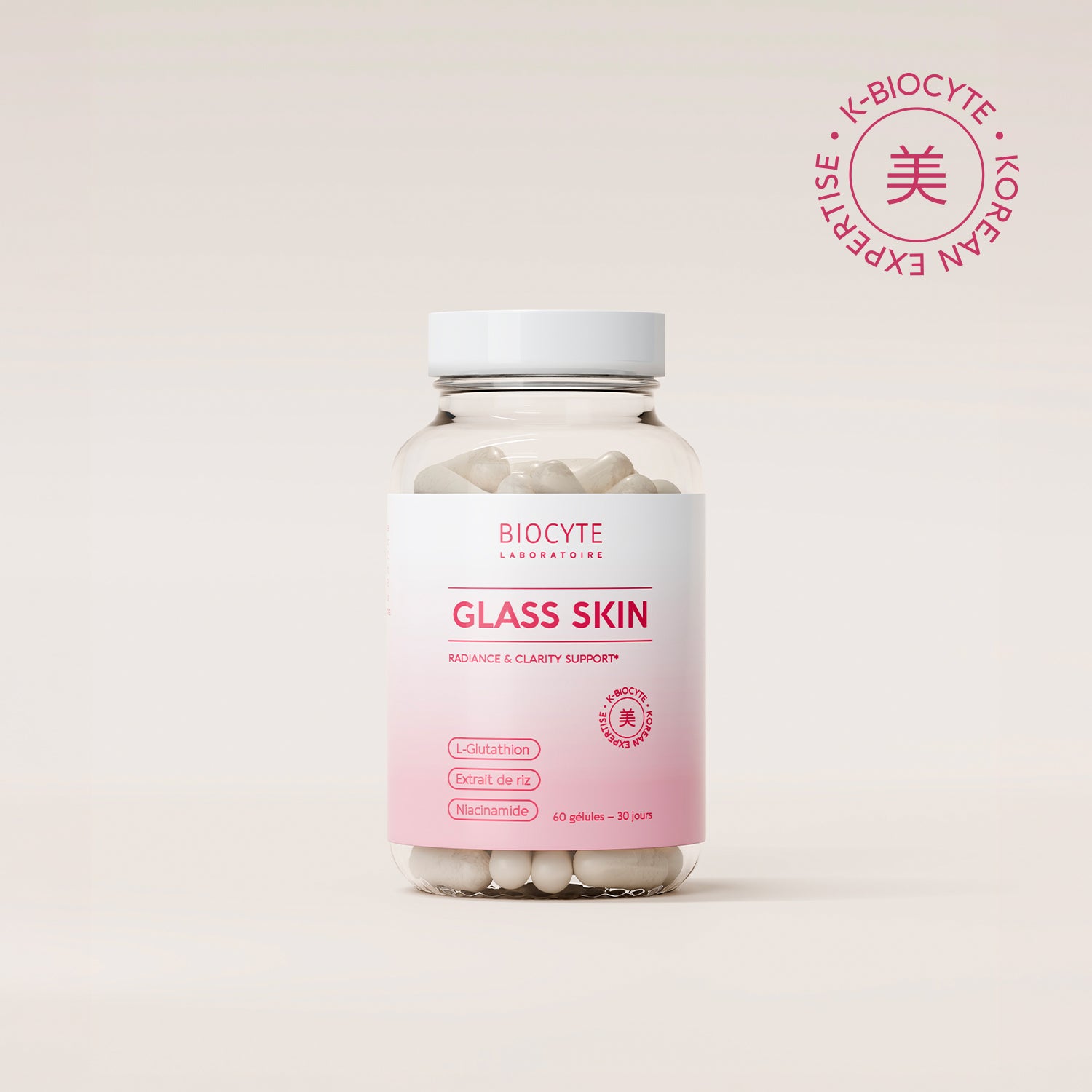
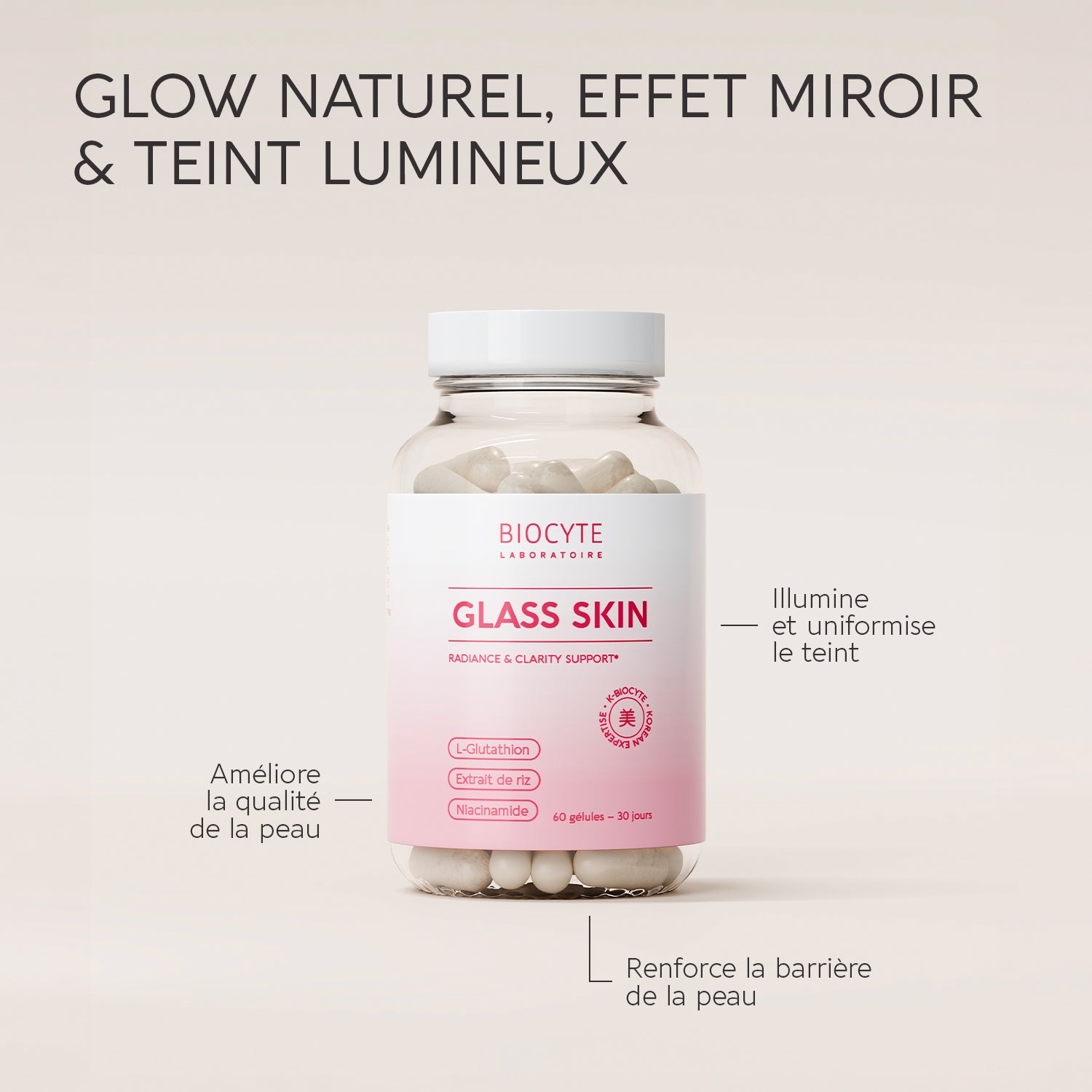
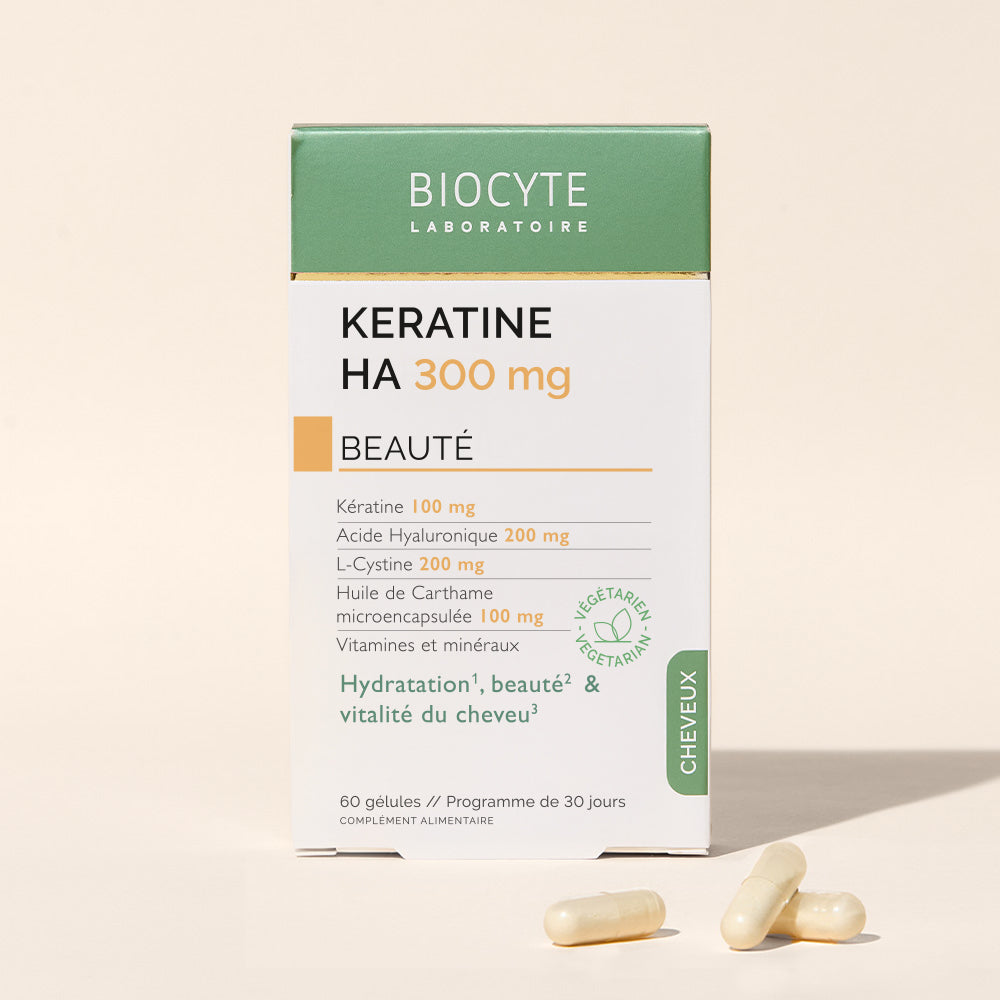
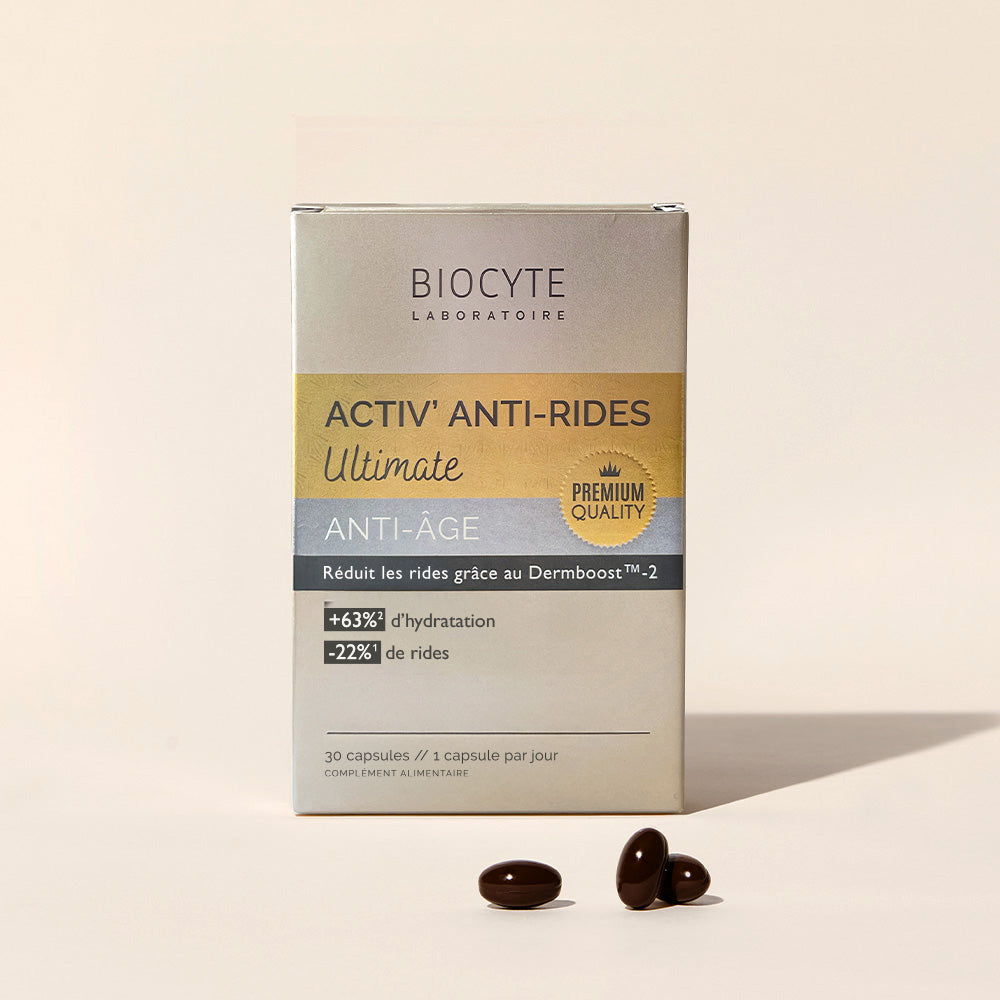
Nutricosmetics follows a specific logic: nourishing the structures from within, by supporting the components and functions involved in the appearance of the skin and its appendages. For theskinThe main areas of focus are hydration, elasticity, protection against oxidation, and cell renewal. For thehair and nailsAttention is focused on sulfur amino acids, certain vitamins, and specific minerals.
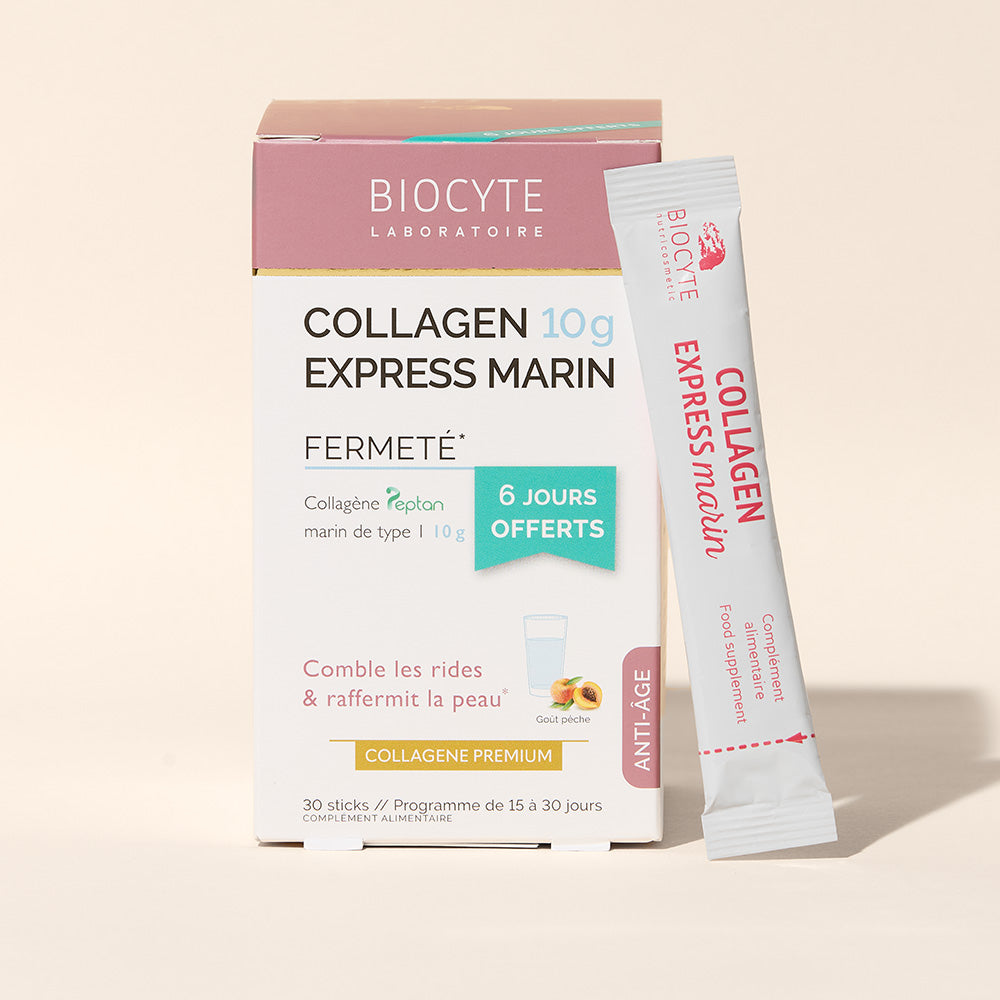
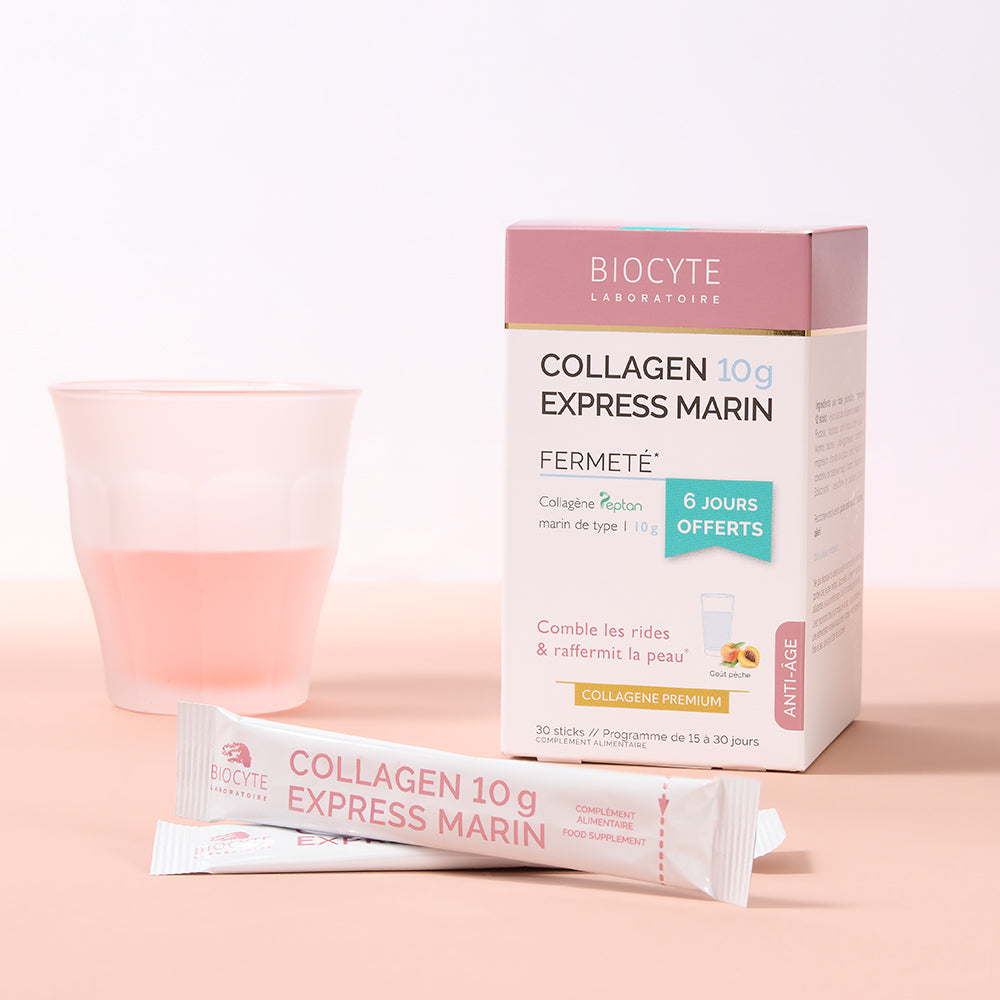
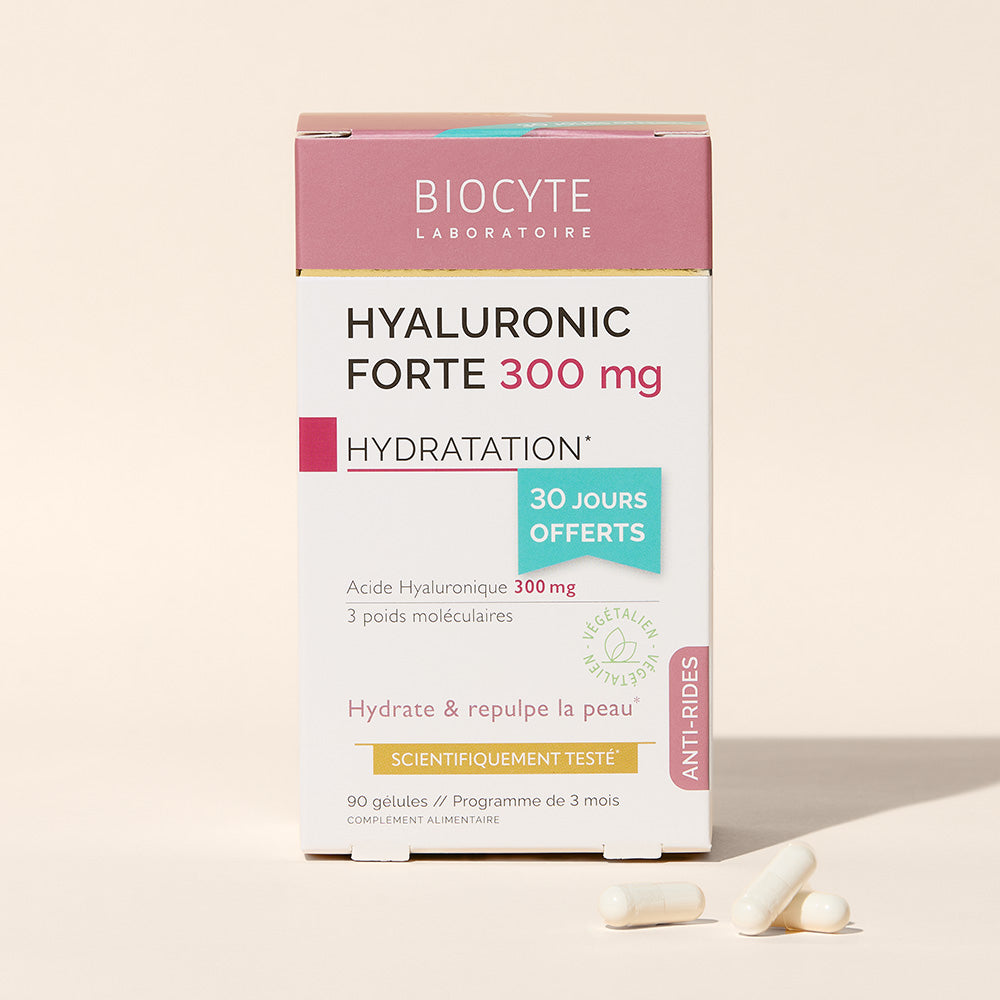
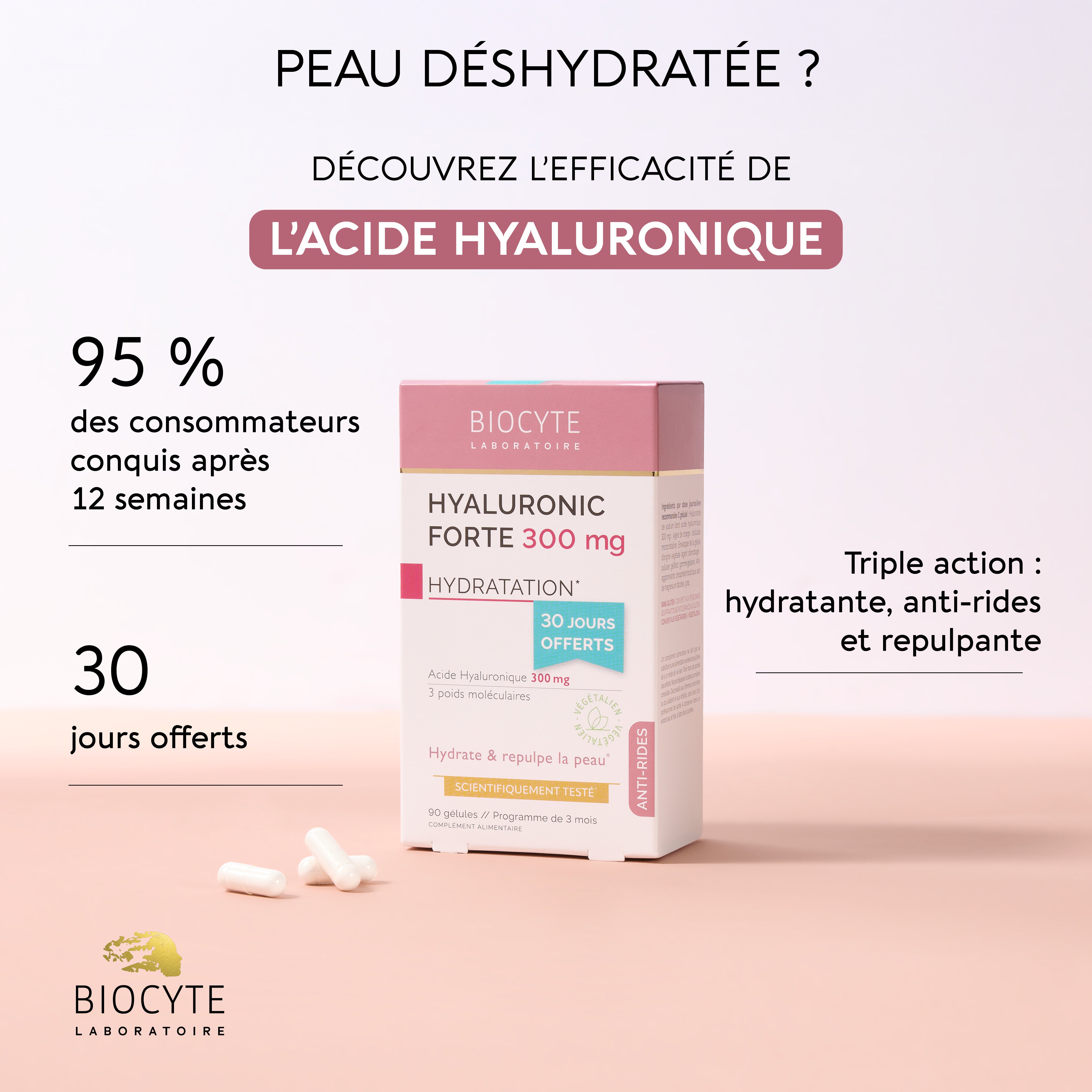
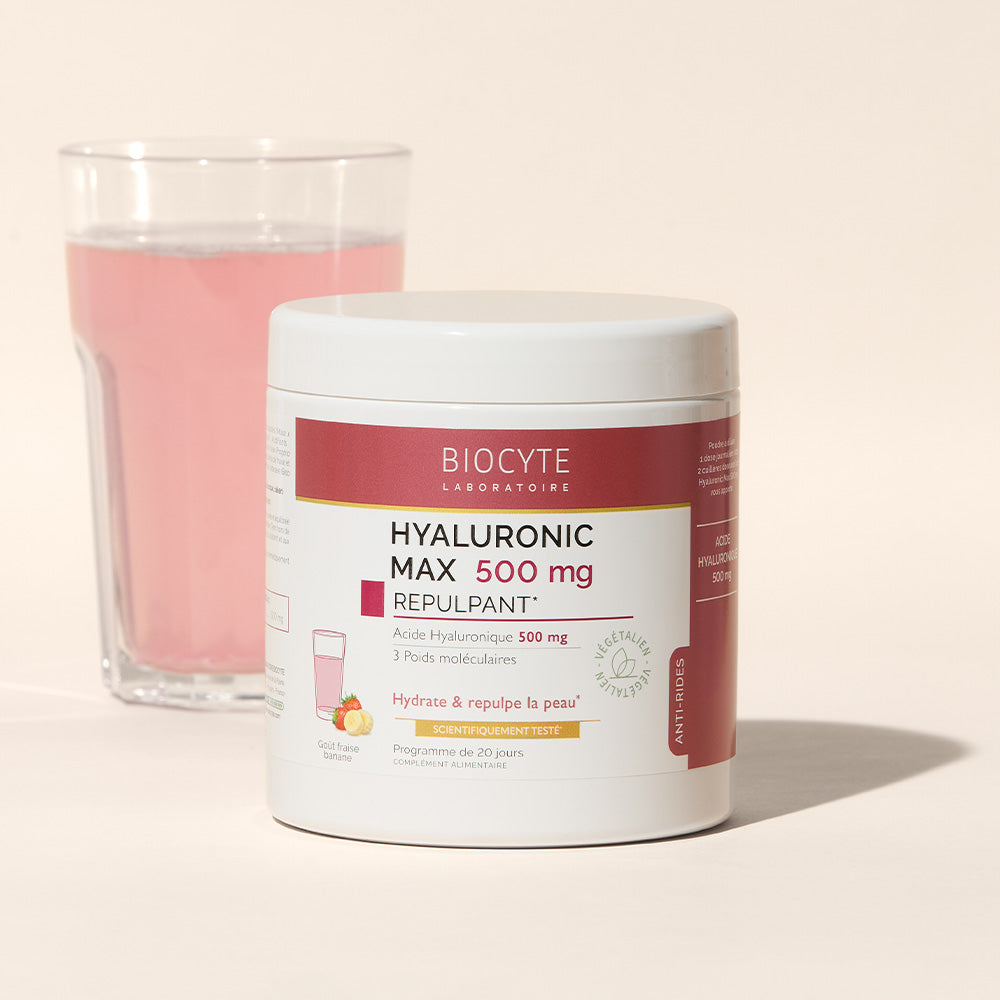
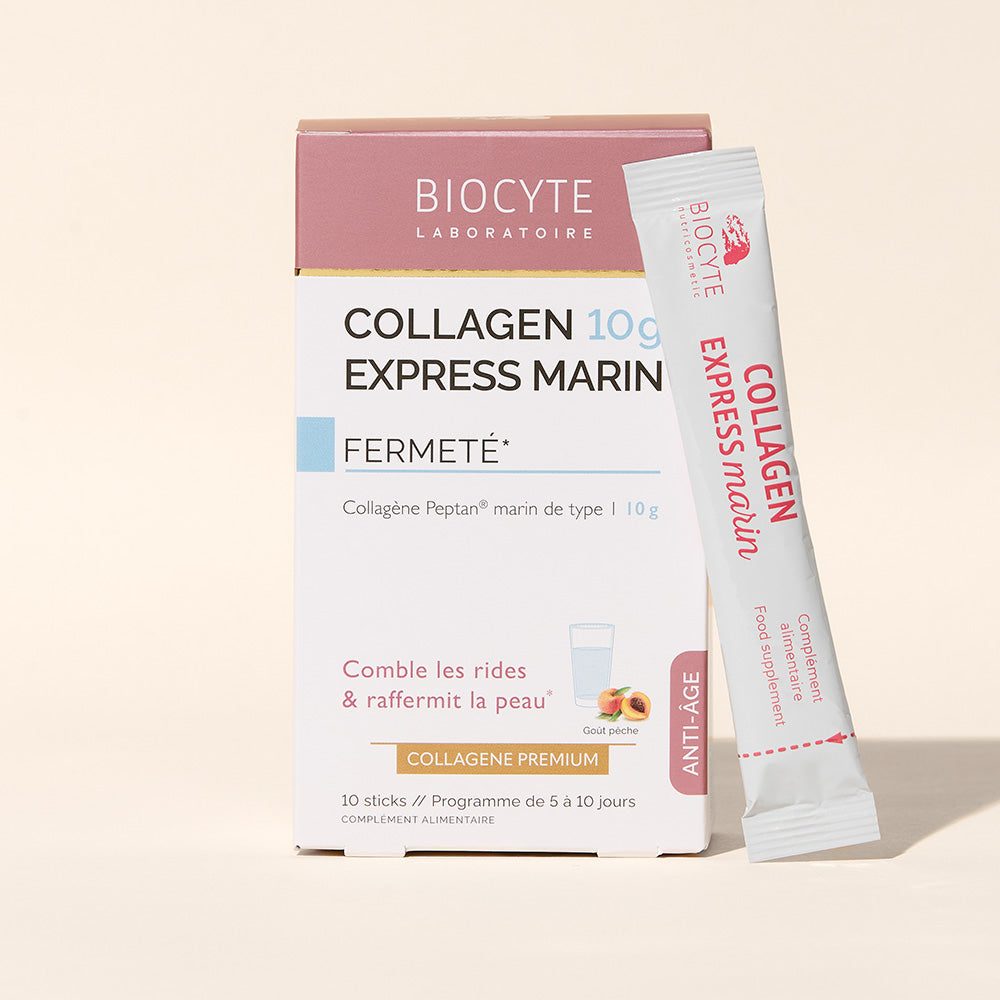
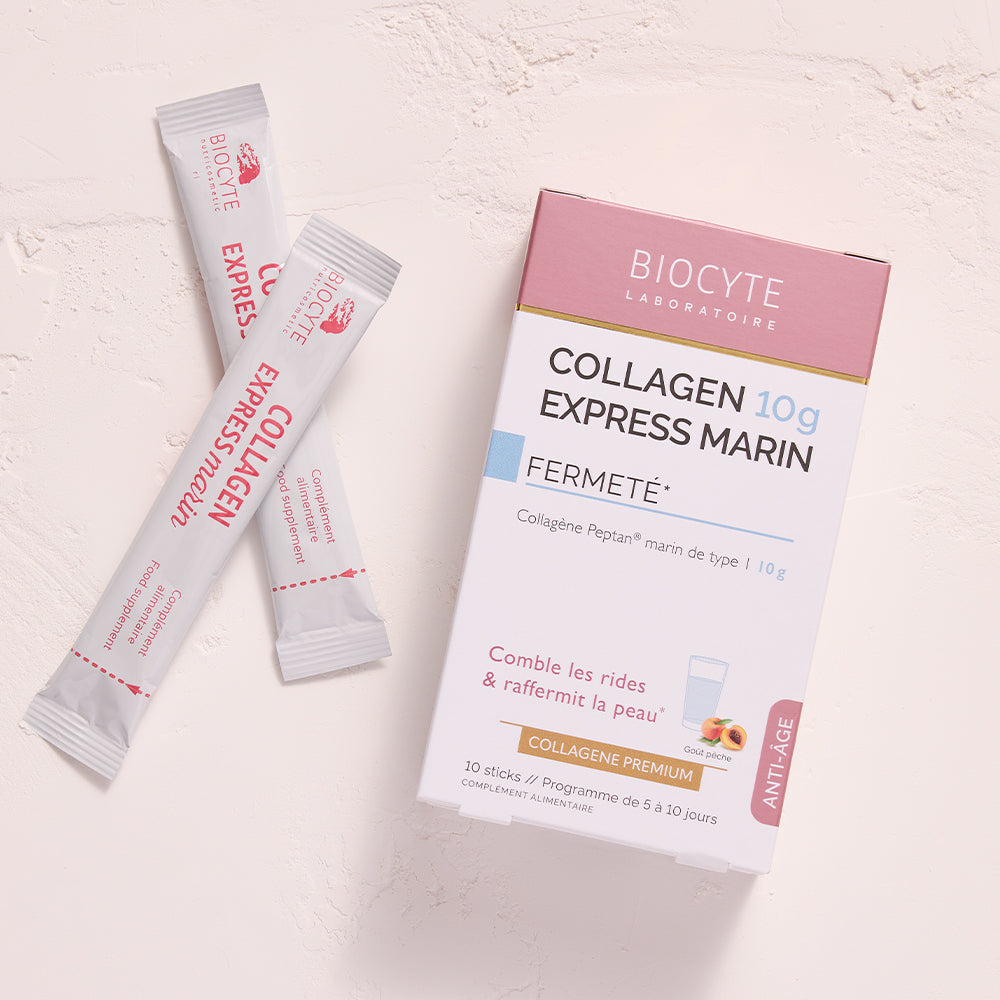
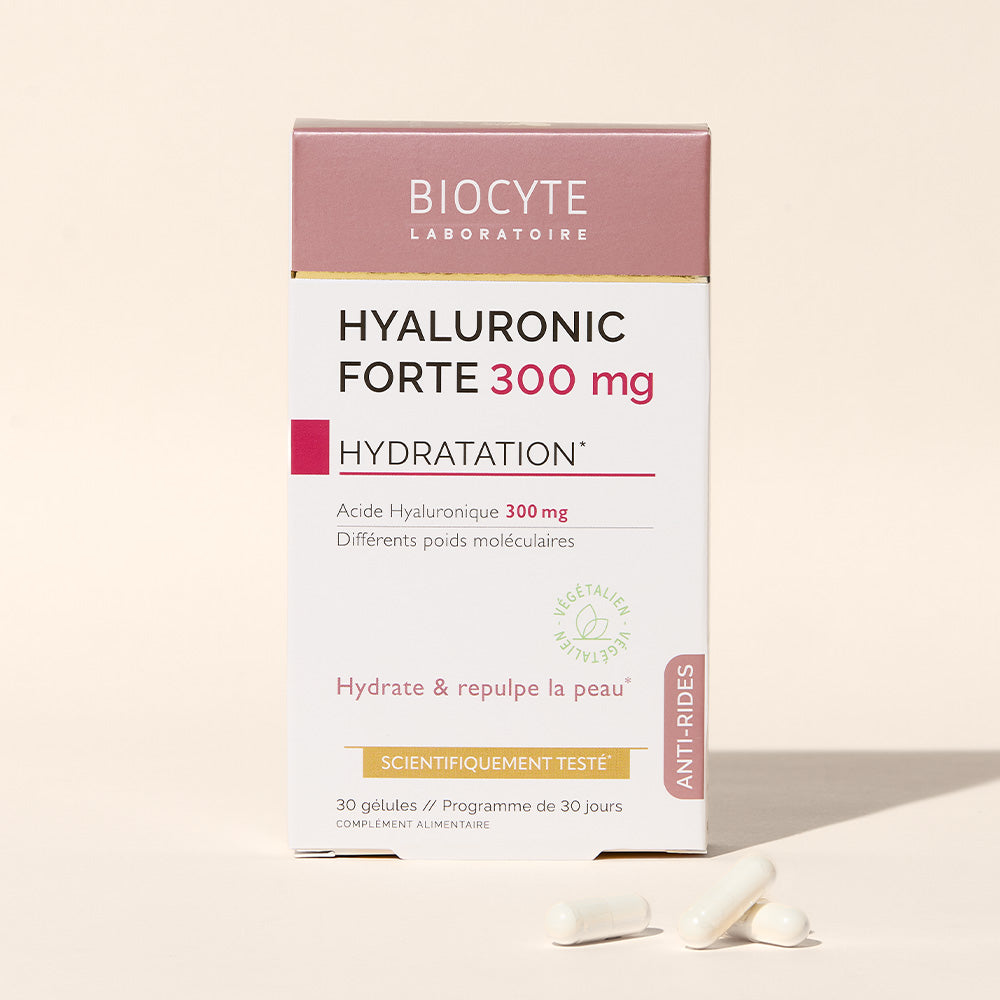
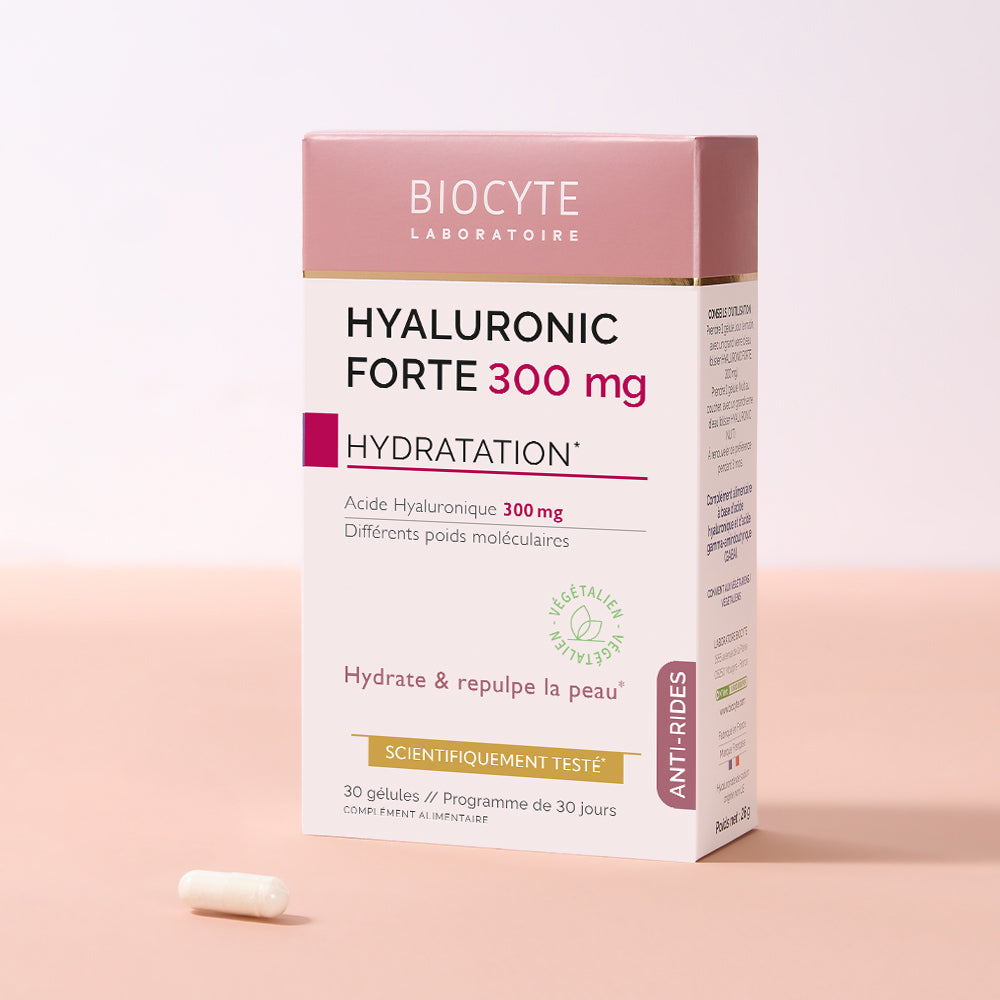
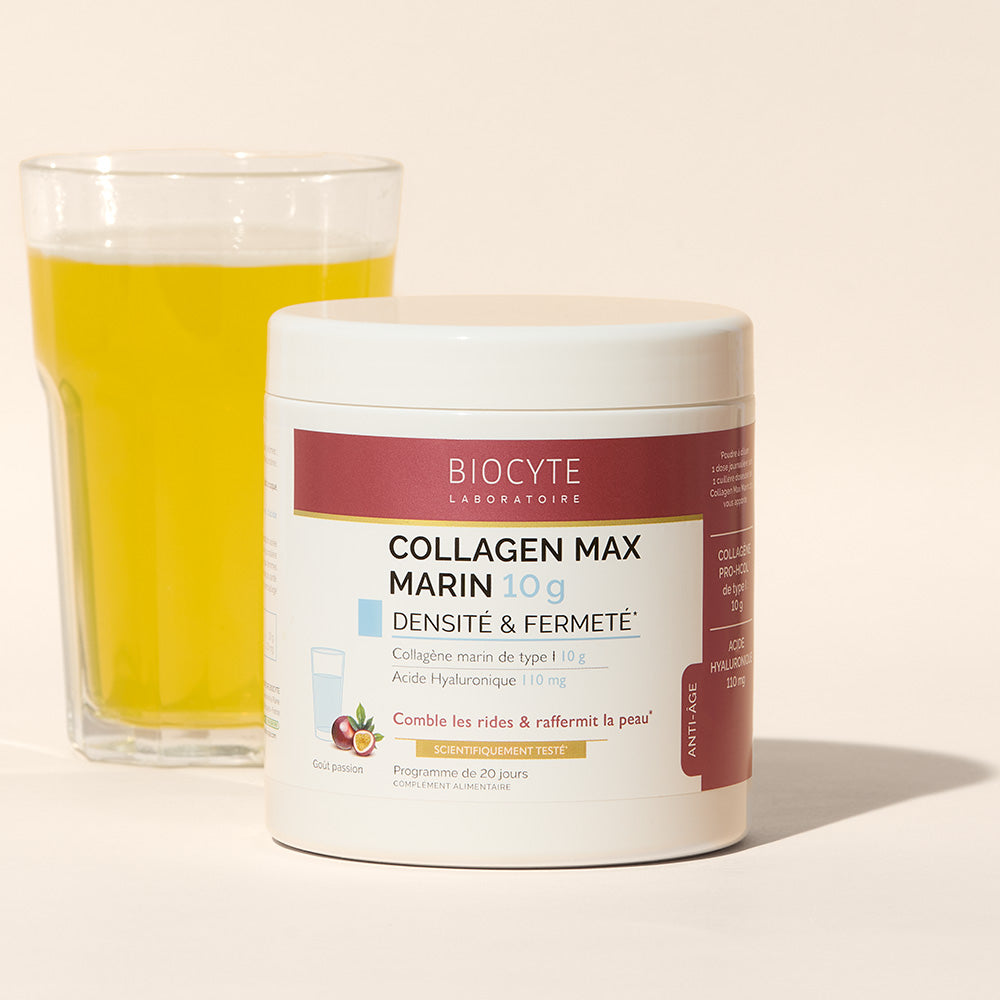
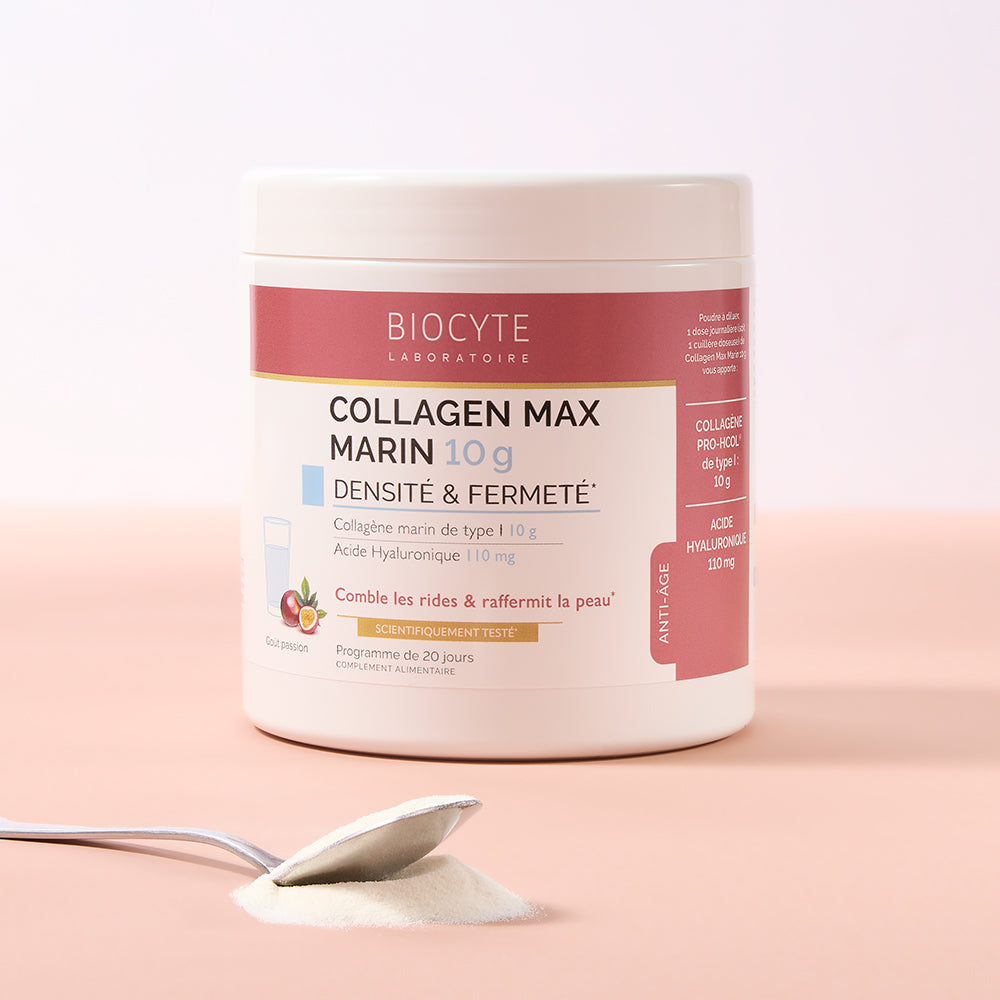
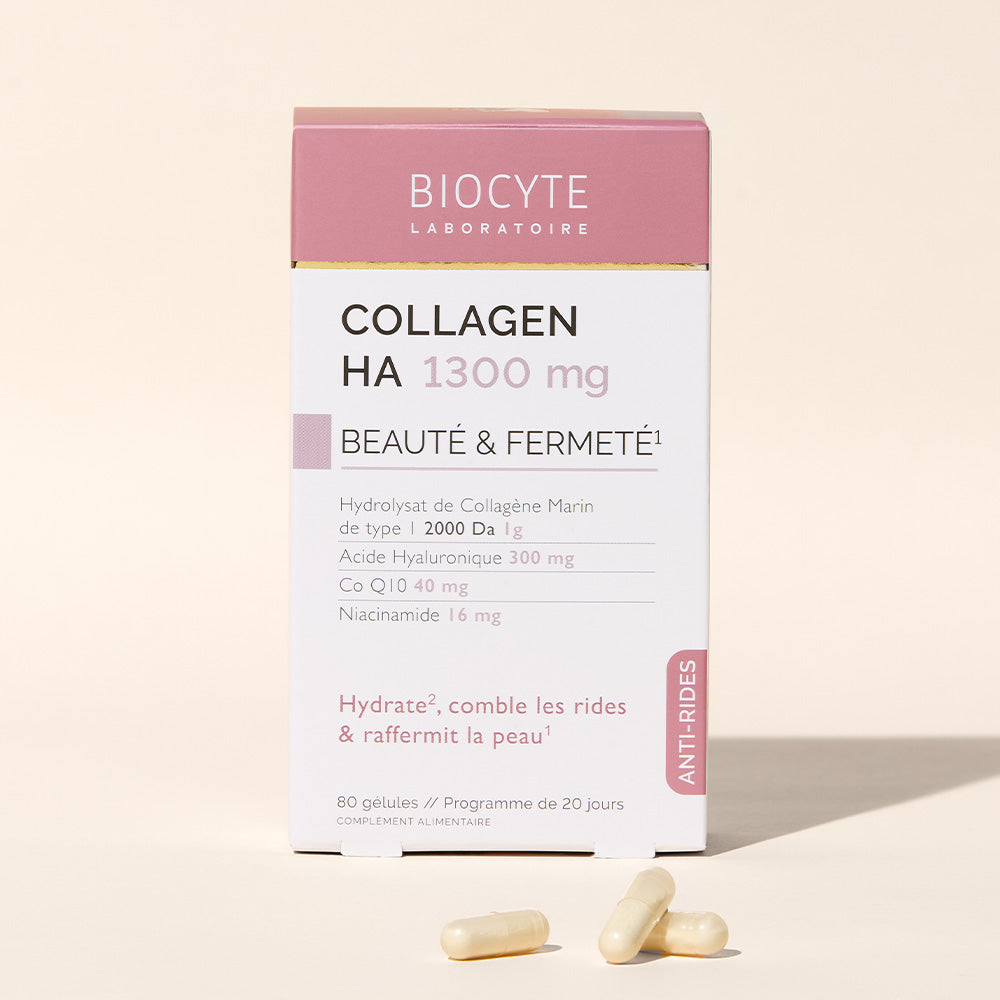
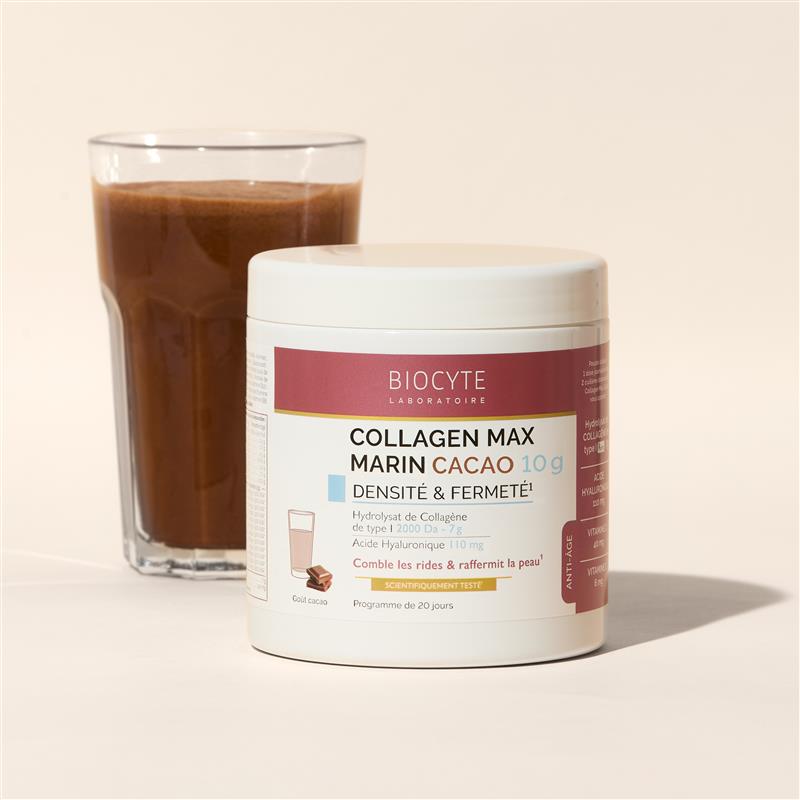
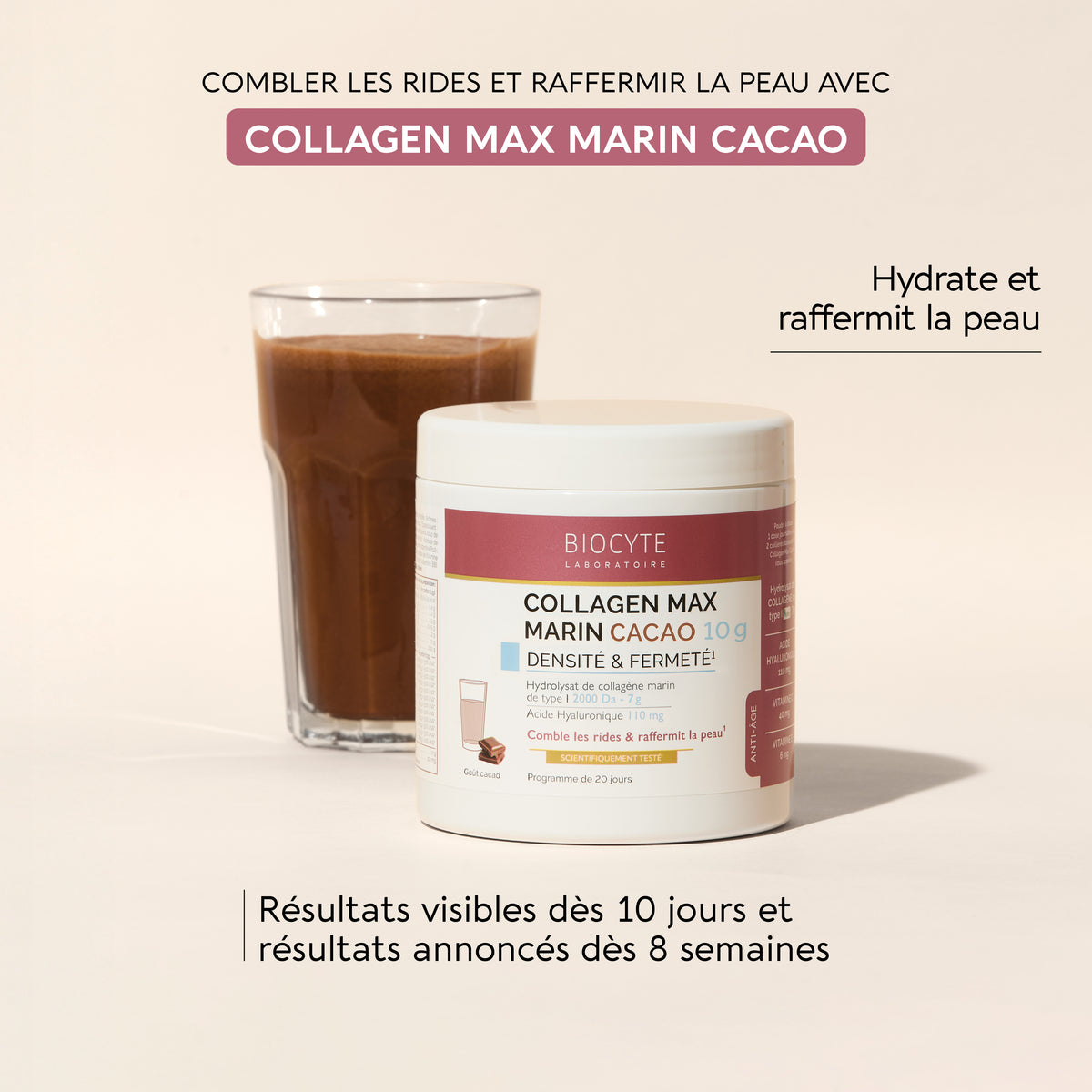
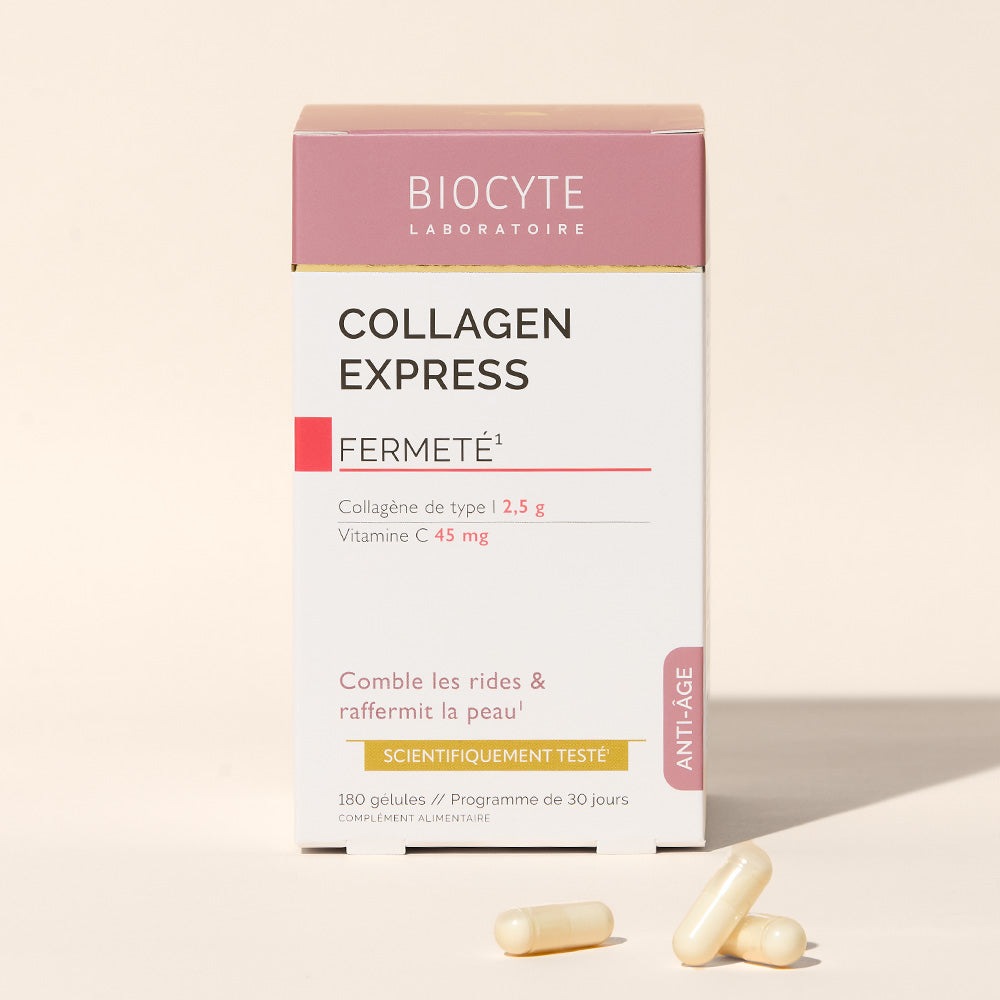
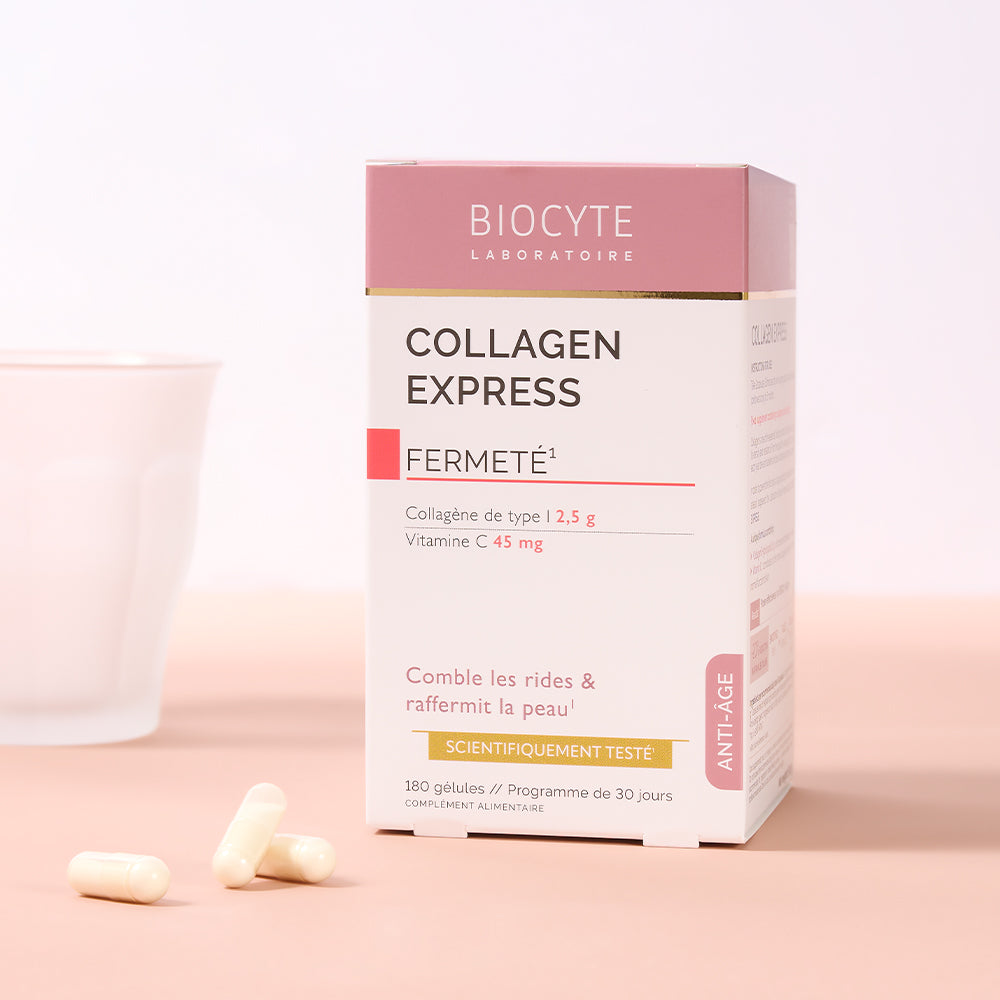
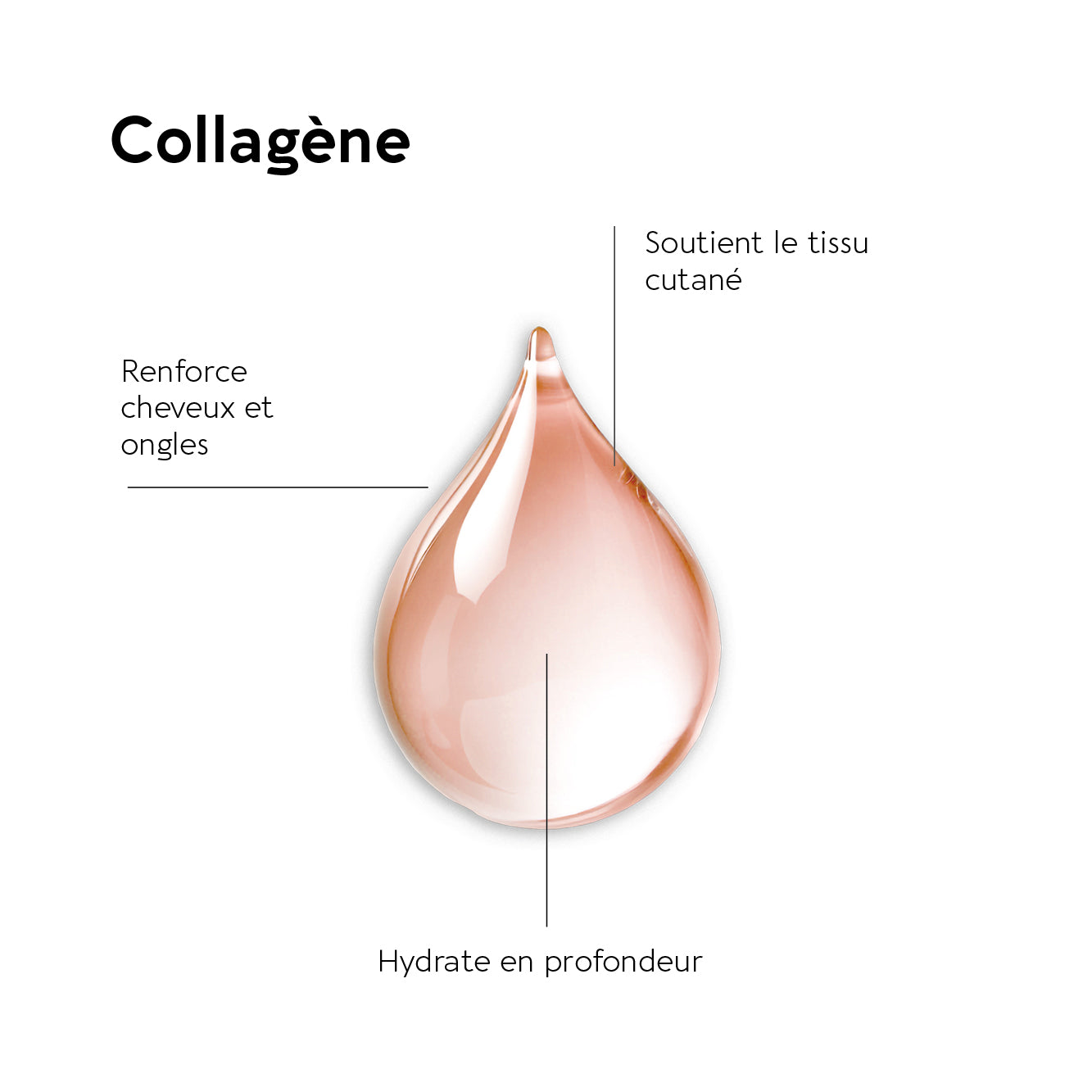
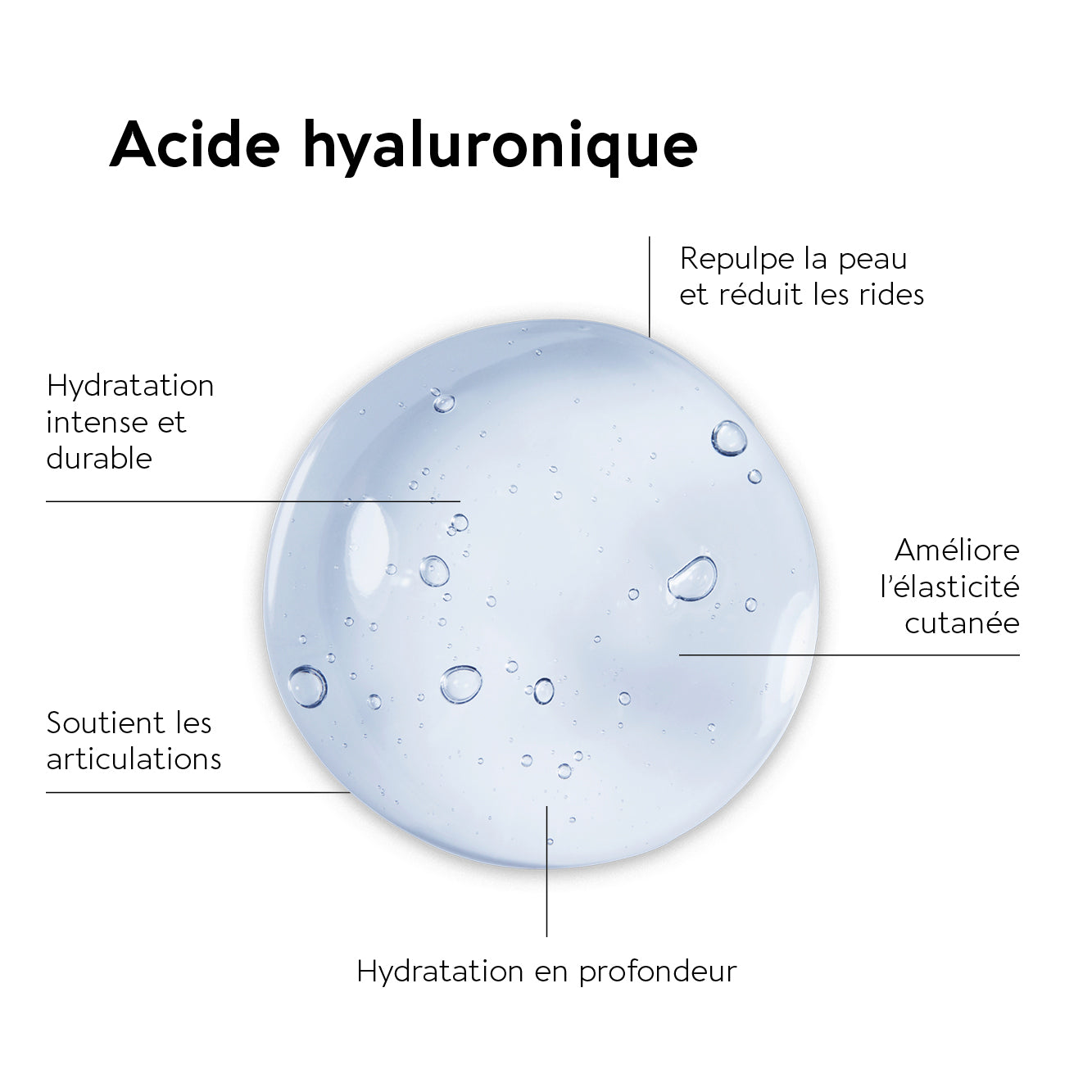
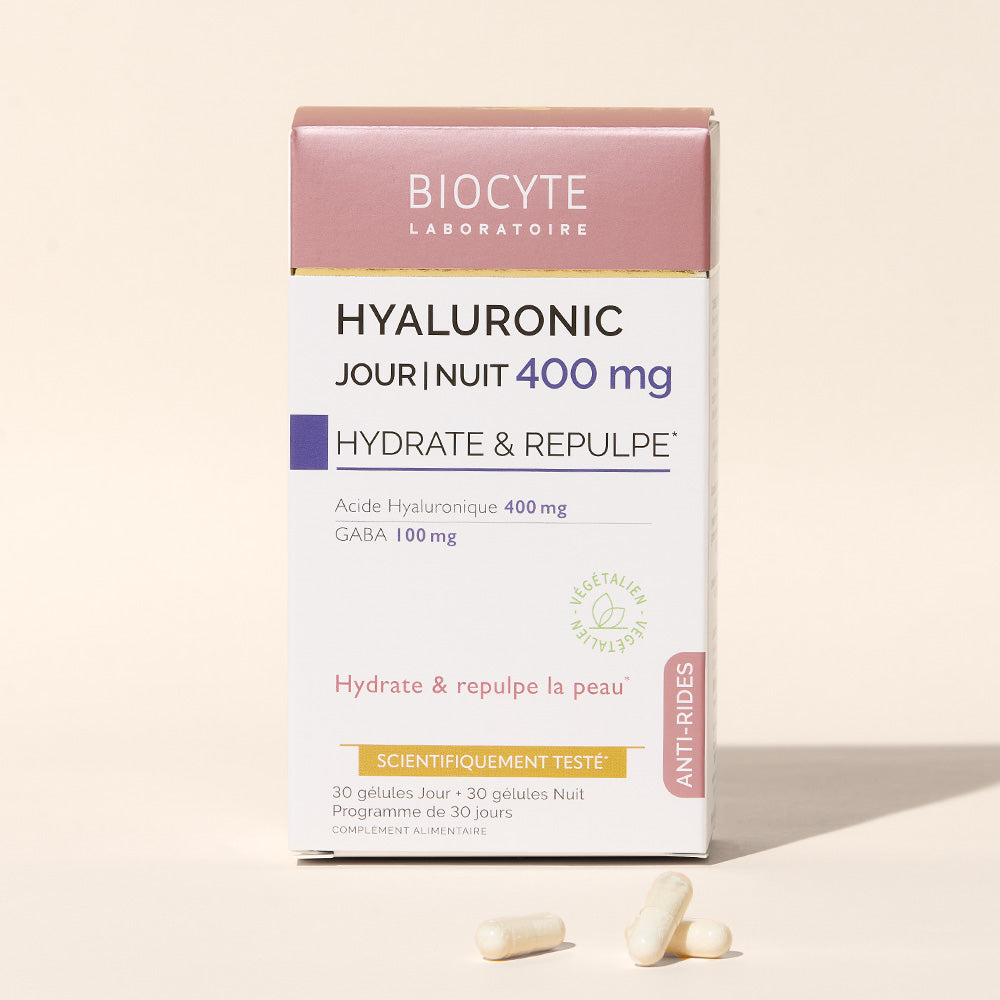
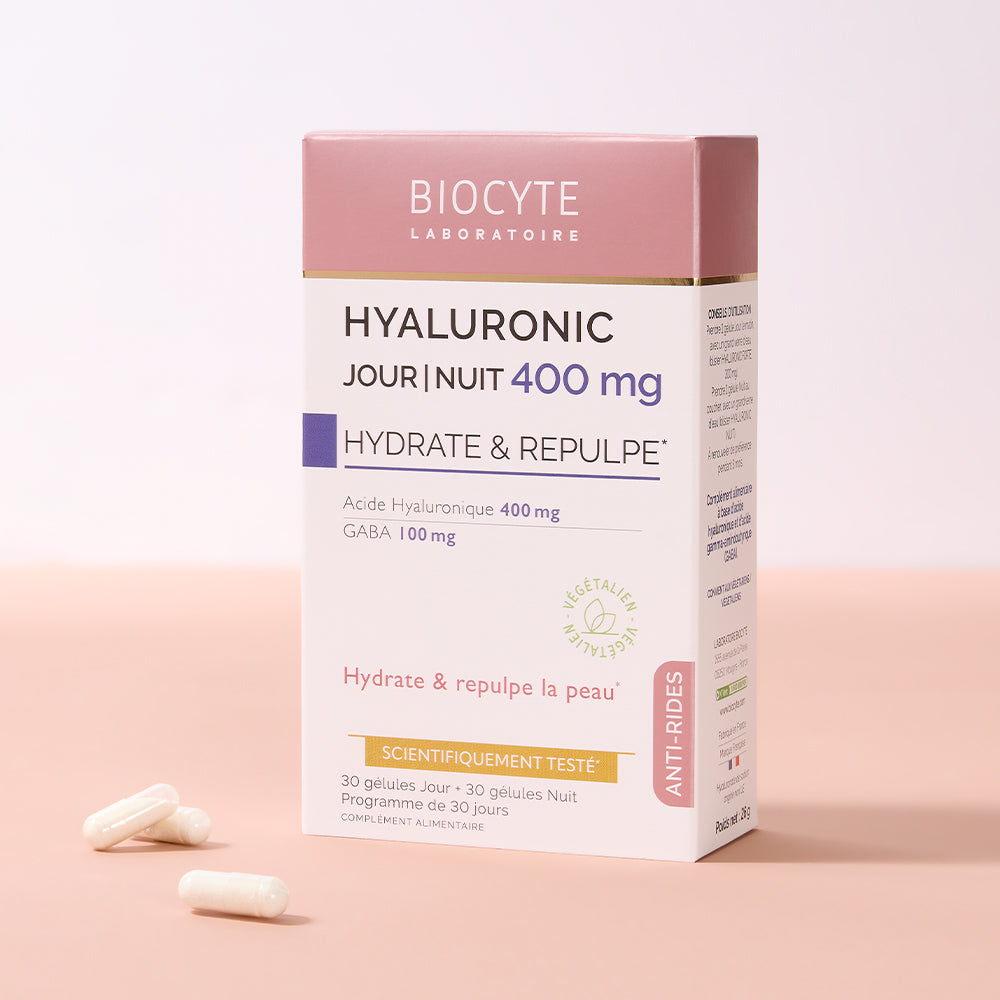
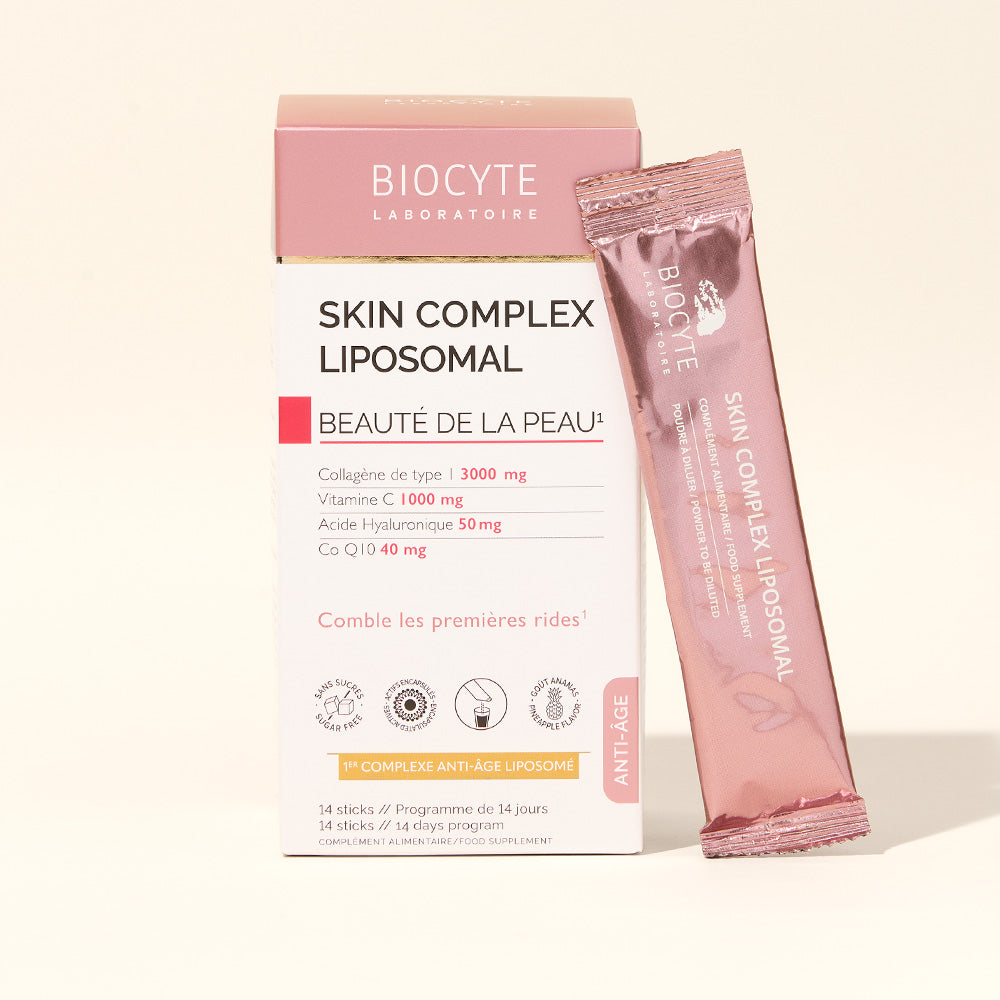
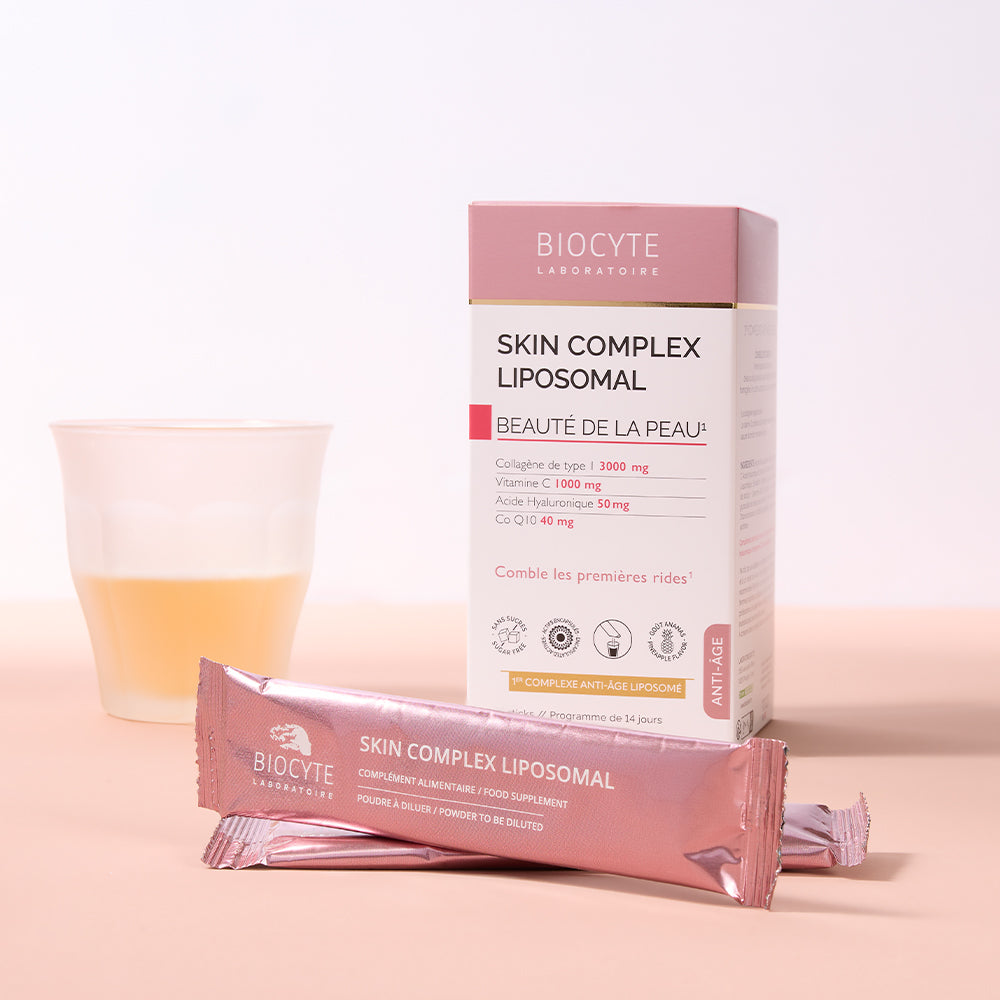
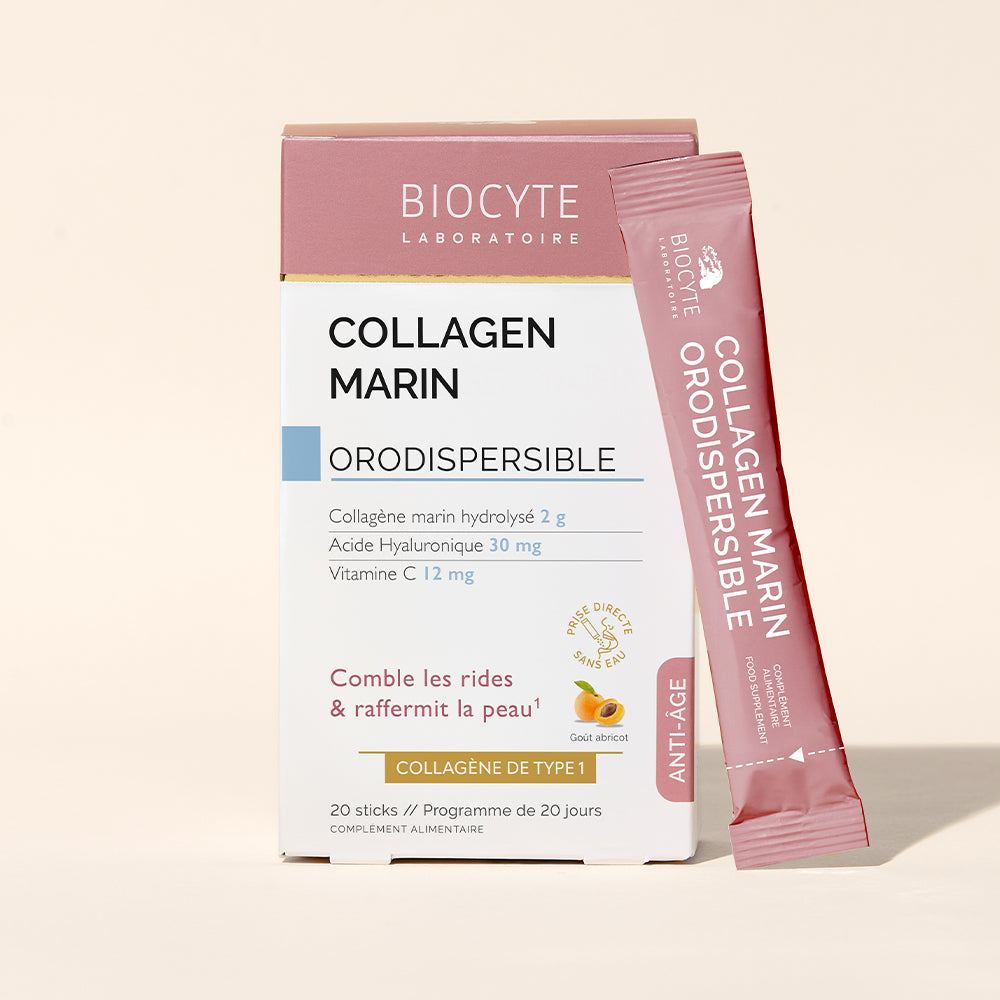
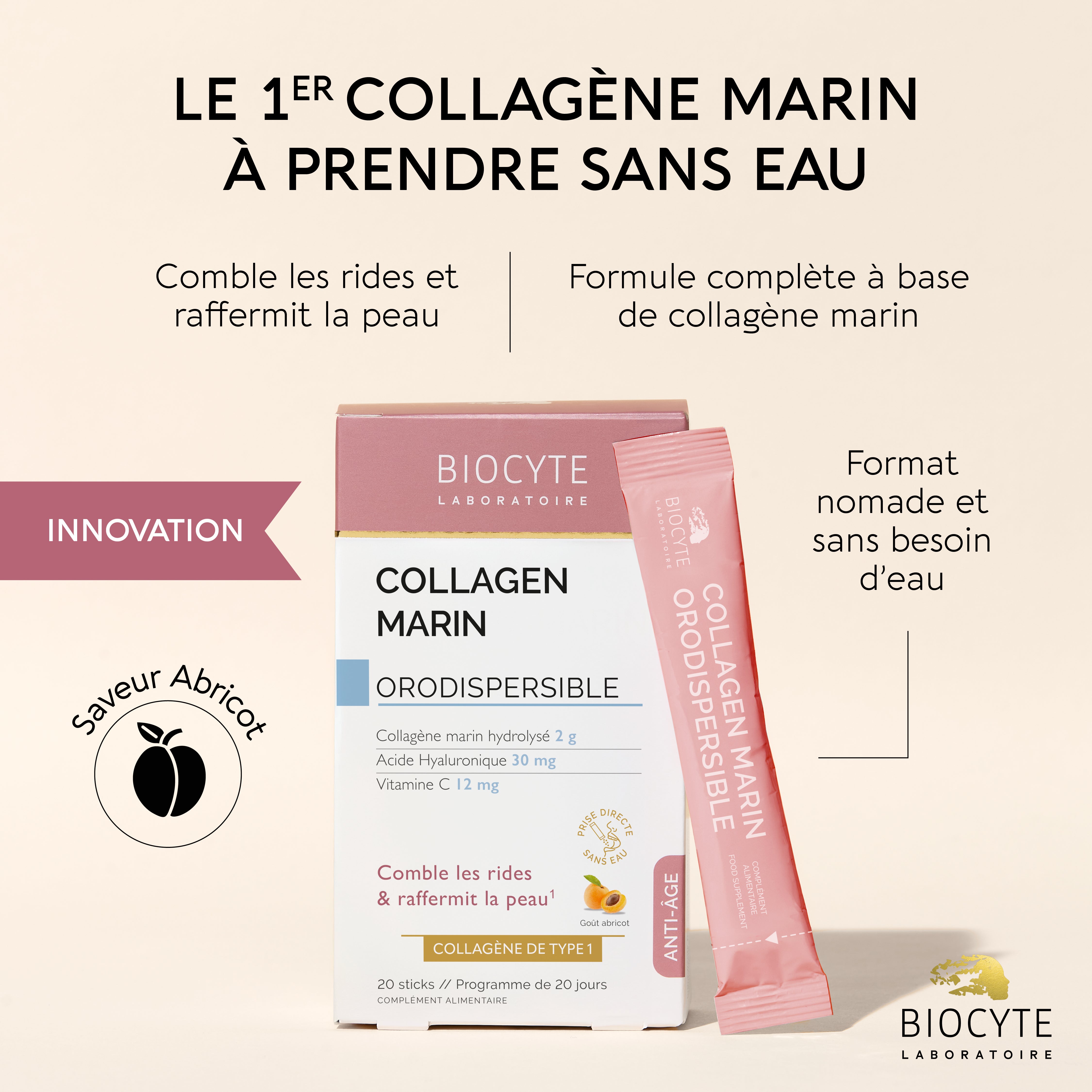
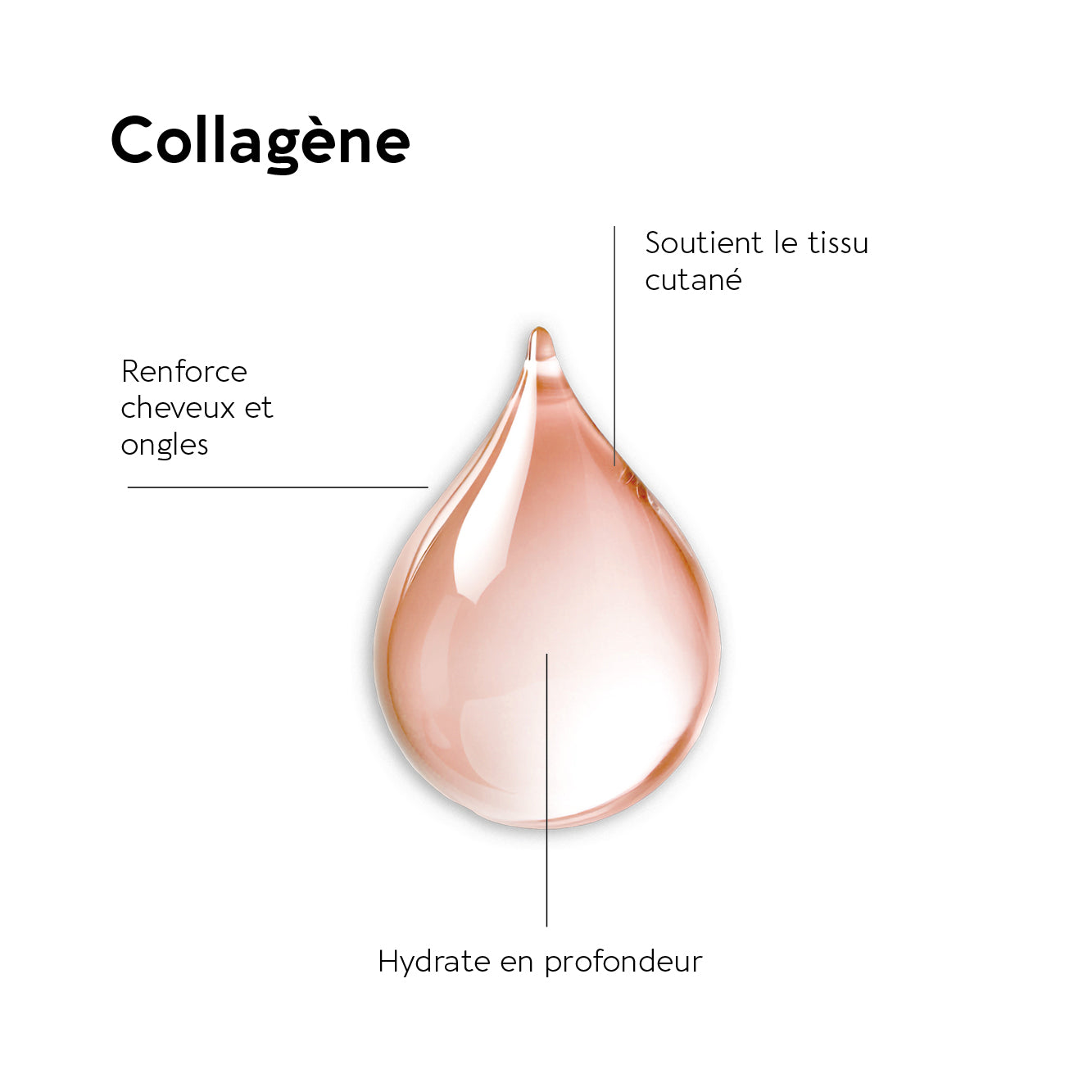
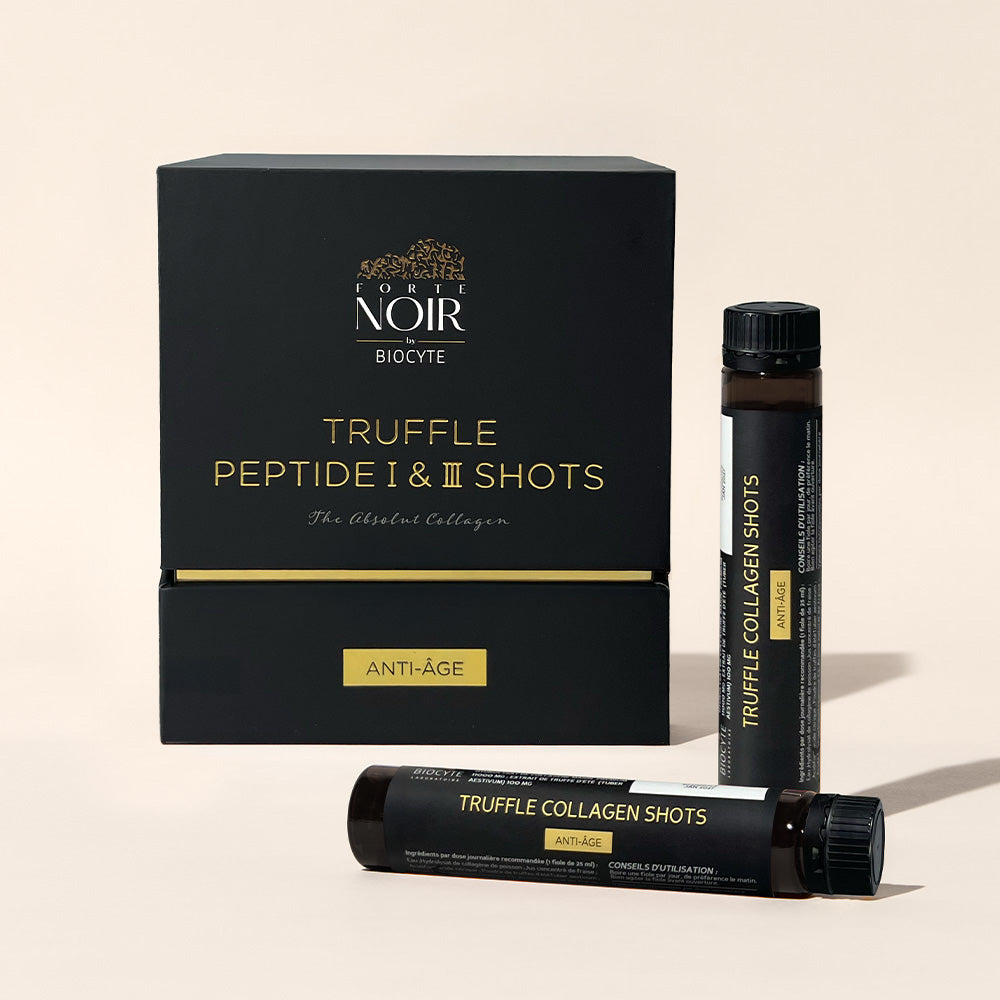
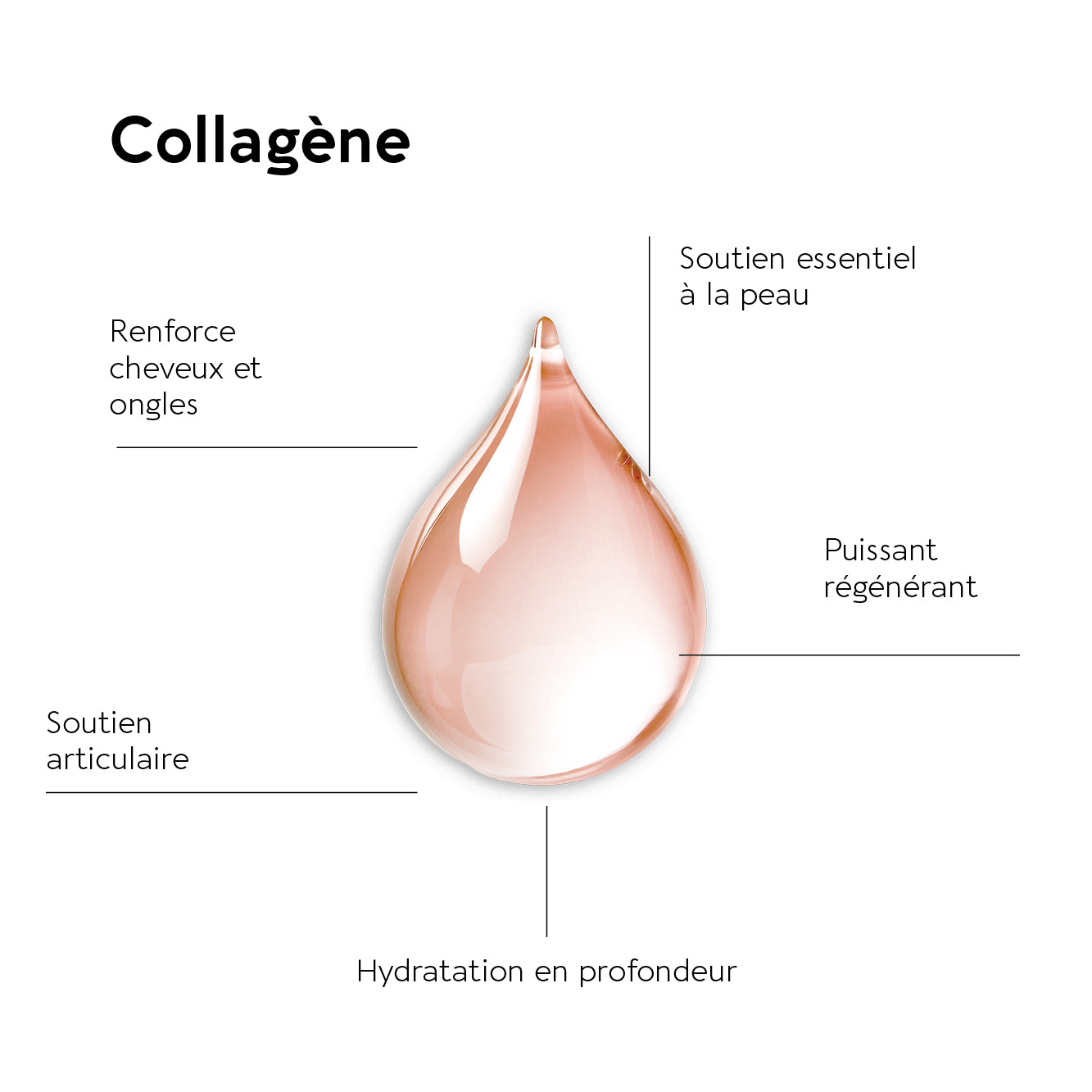
Two active ingredients are emblematic of beauty routines: marine collagen and hyaluronic acid. Collagen is a key structural protein of the dermis;hydrolyzed collagen peptidesClinically, parameters such as elasticity, dermal density, and hydration are evaluated according to controlled protocols. Hyaluronic acid is a polysaccharide involved in water retention; its benefits when administered orally are explored through measurements of hydration and comfort.
Joints & Mobility
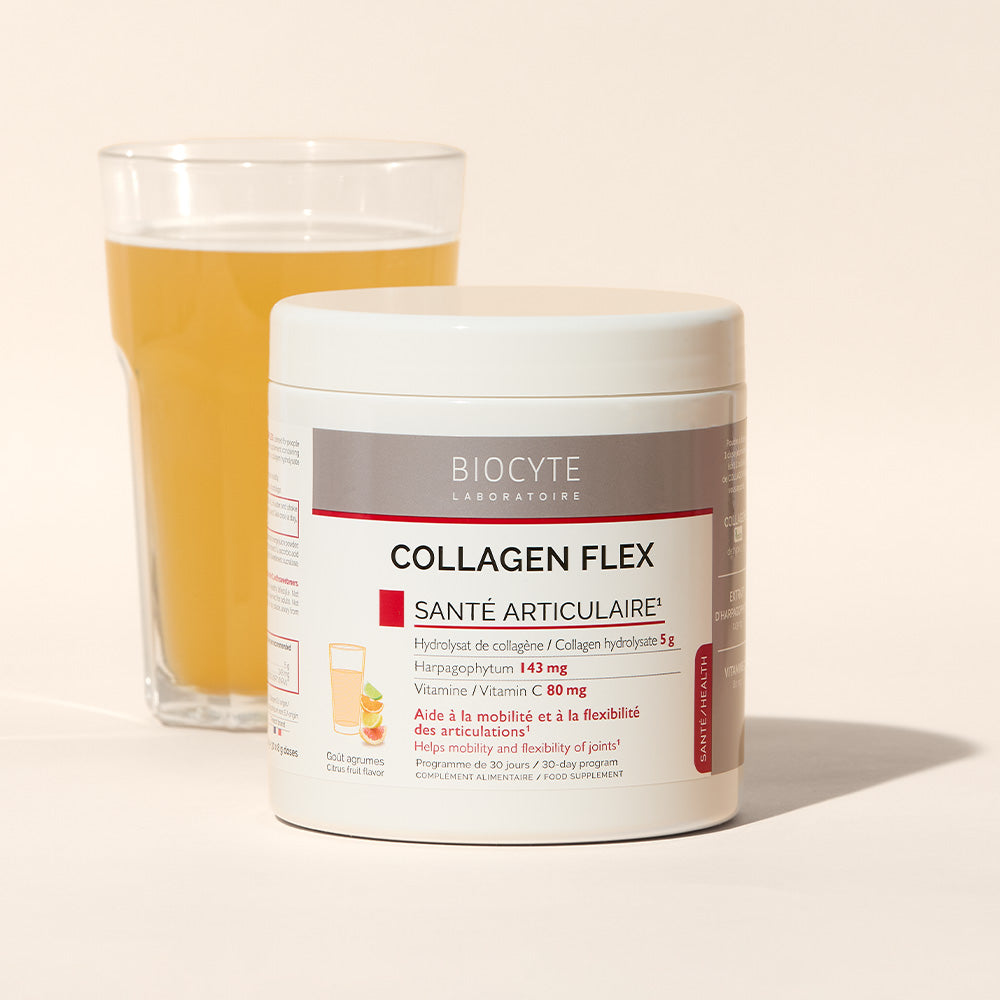
TheremobilityIt relies on connective tissues (cartilage, tendons, ligaments) and an extracellular matrix rich in structural proteins. In routines focused on movement comfort, hydrolyzed collagen (including marine collagen in some formulas) is often found, sometimes combined with vitamin C, which contributes to normal collagen formation.
The desired mechanism is functional: to support structure and comfort in daily life, particularly for active individuals. Clinical assessments, when available, often rely on scales of perceived comfort or mobility, and on a sufficient duration to allow time for tissue adaptations.
Our dietary supplements by ingredient
Vitamins (C, D, B12…)
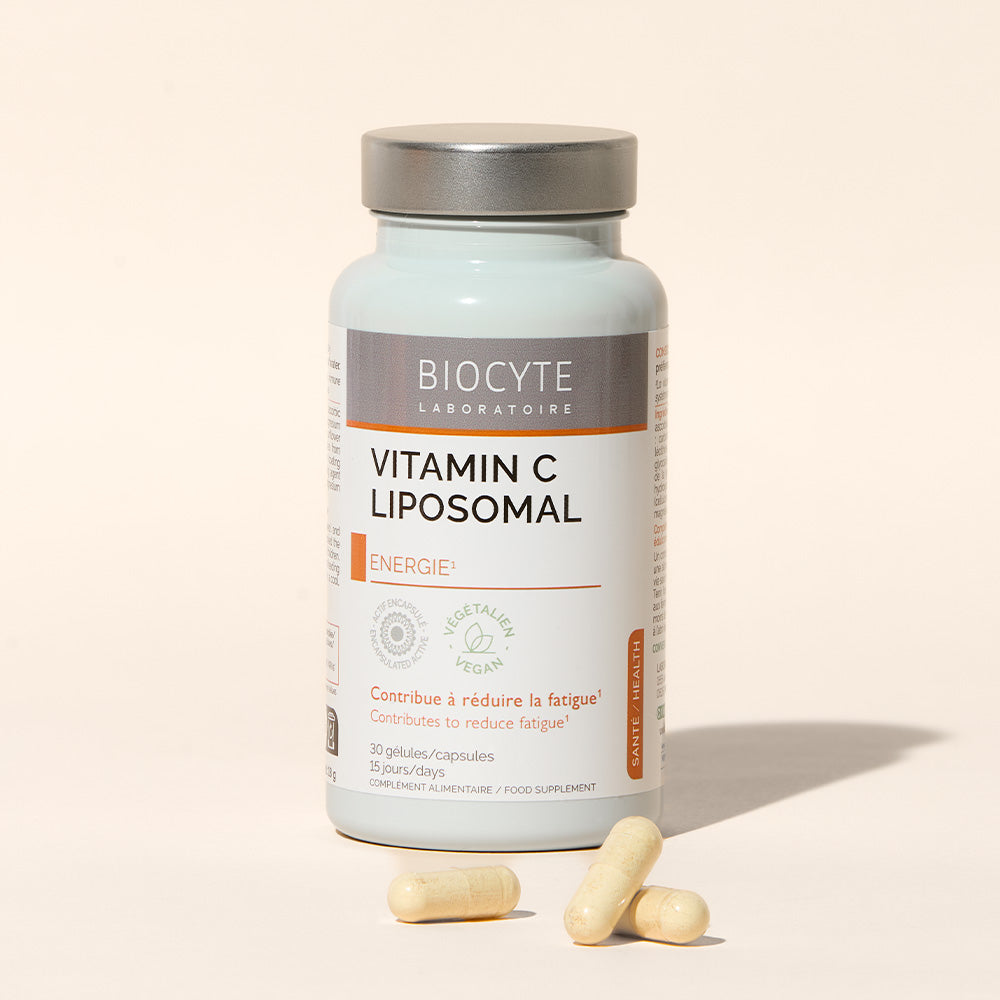
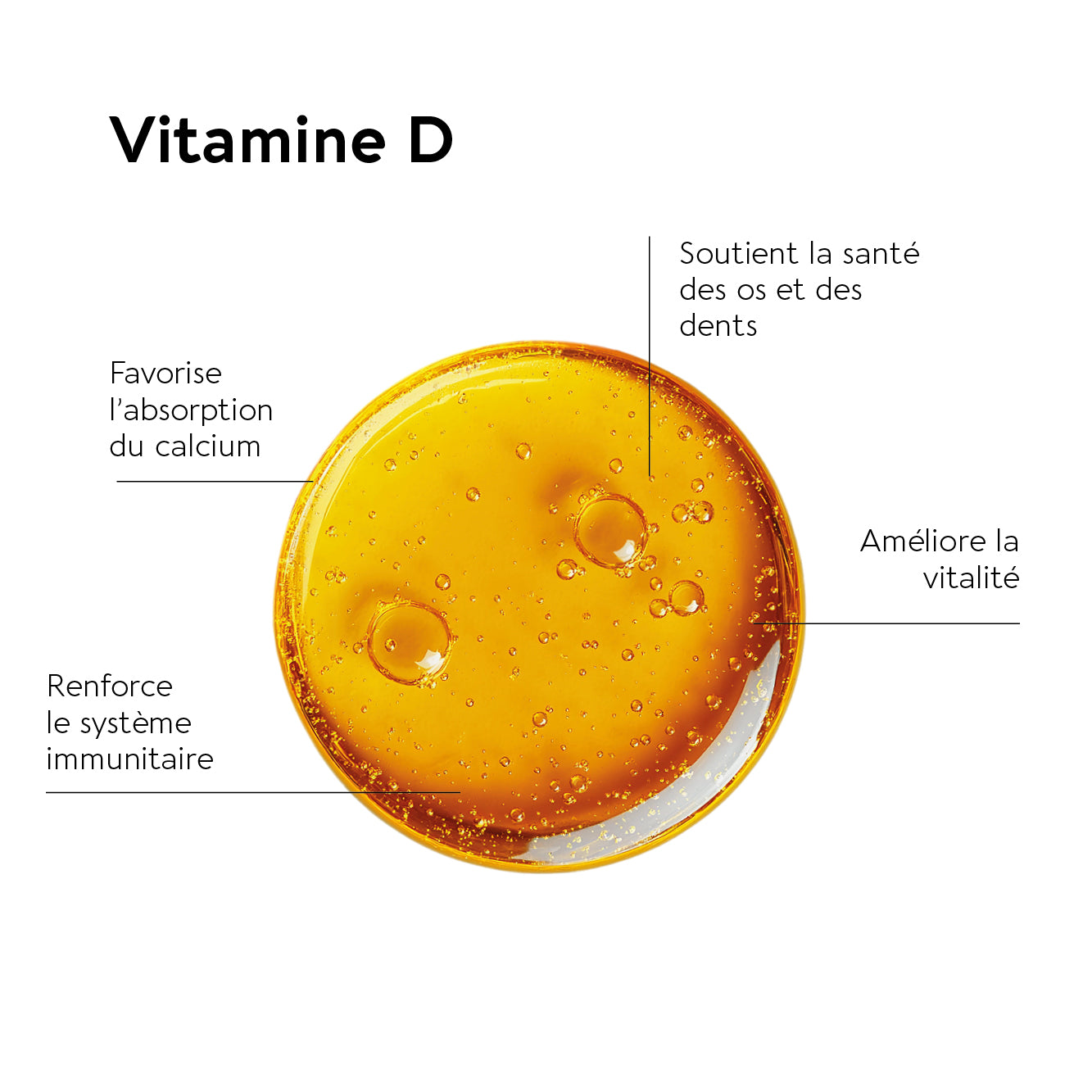
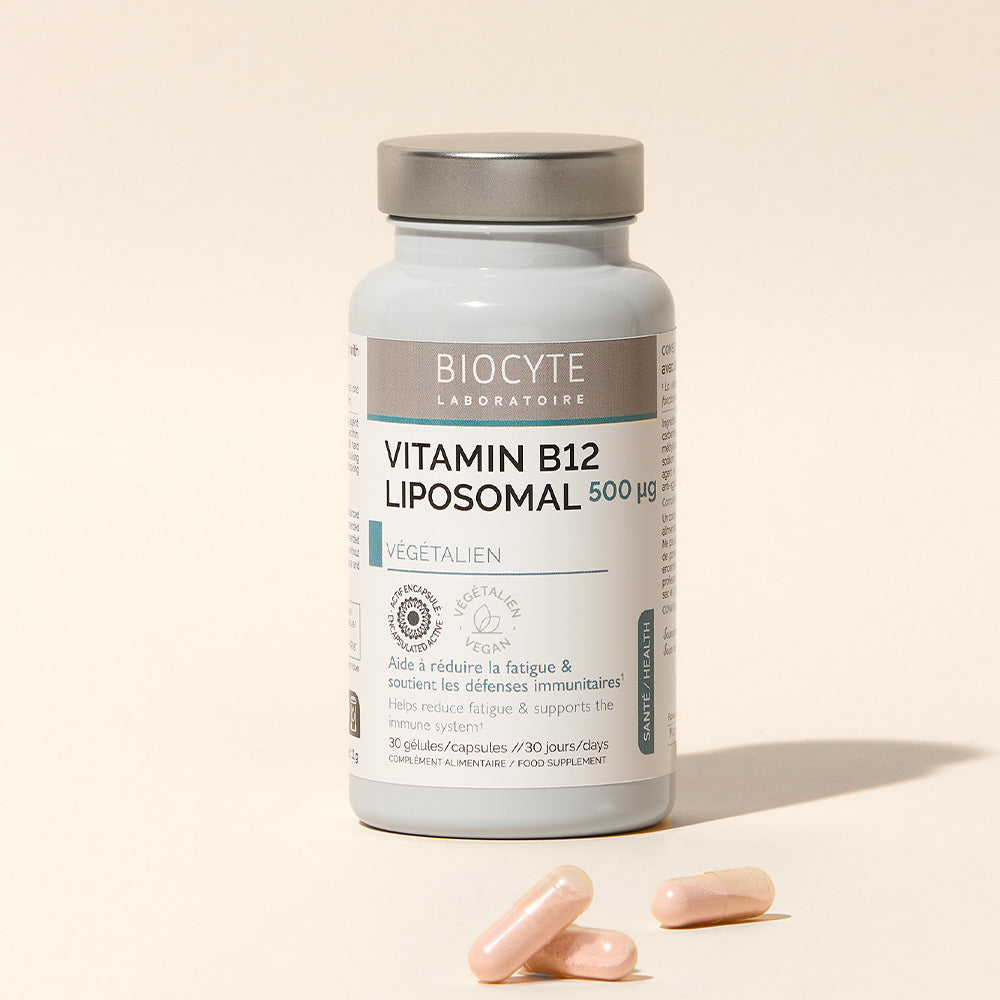
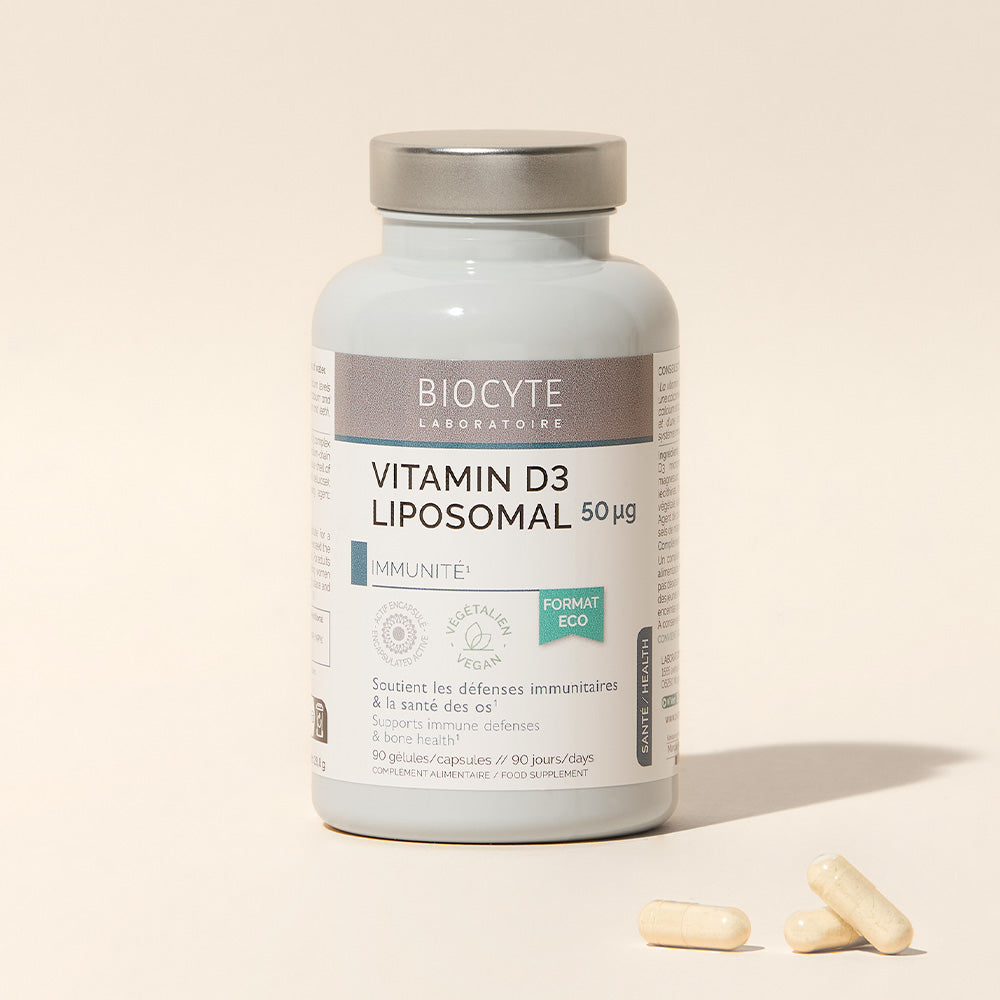
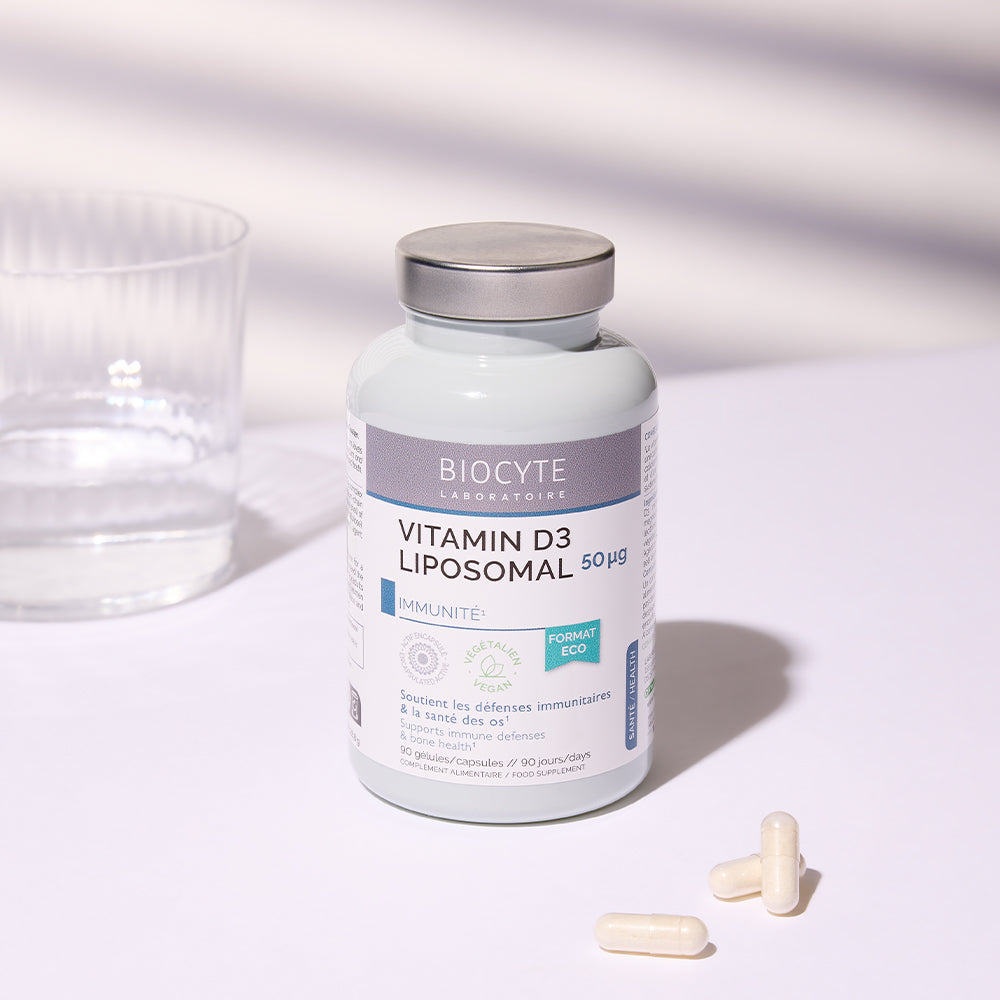
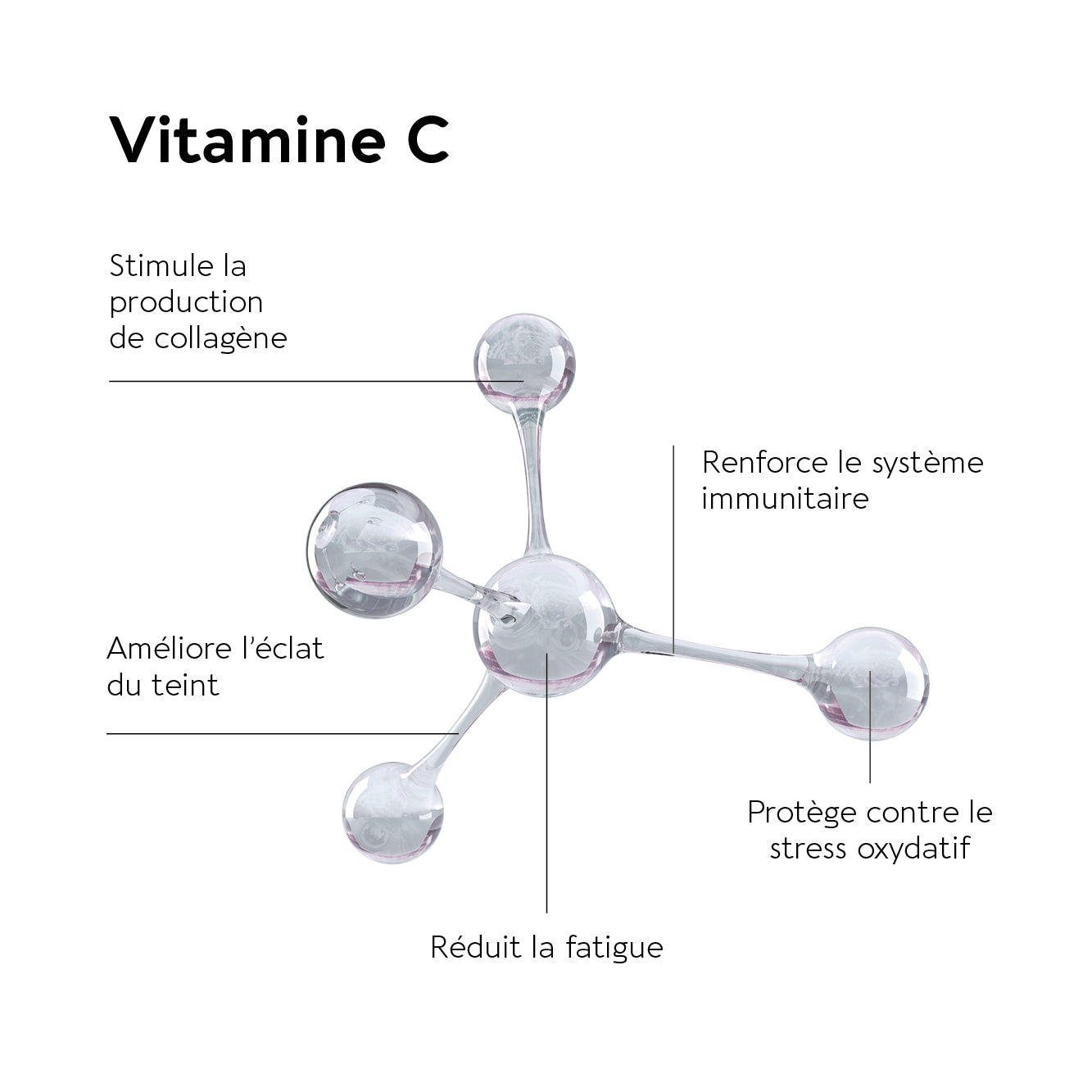
THEvitaminsThese are essential micronutrients involved in a large number of reactions. Vitamin C supports protection against oxidative stress and is involved in collagen formation. Vitamin D plays a role in immunity and muscle function. Vitamin B12 contributes to neurological function and the reduction of fatigue when adequate intake is maintained.
Minerals (magnesium, zinc, iron…)
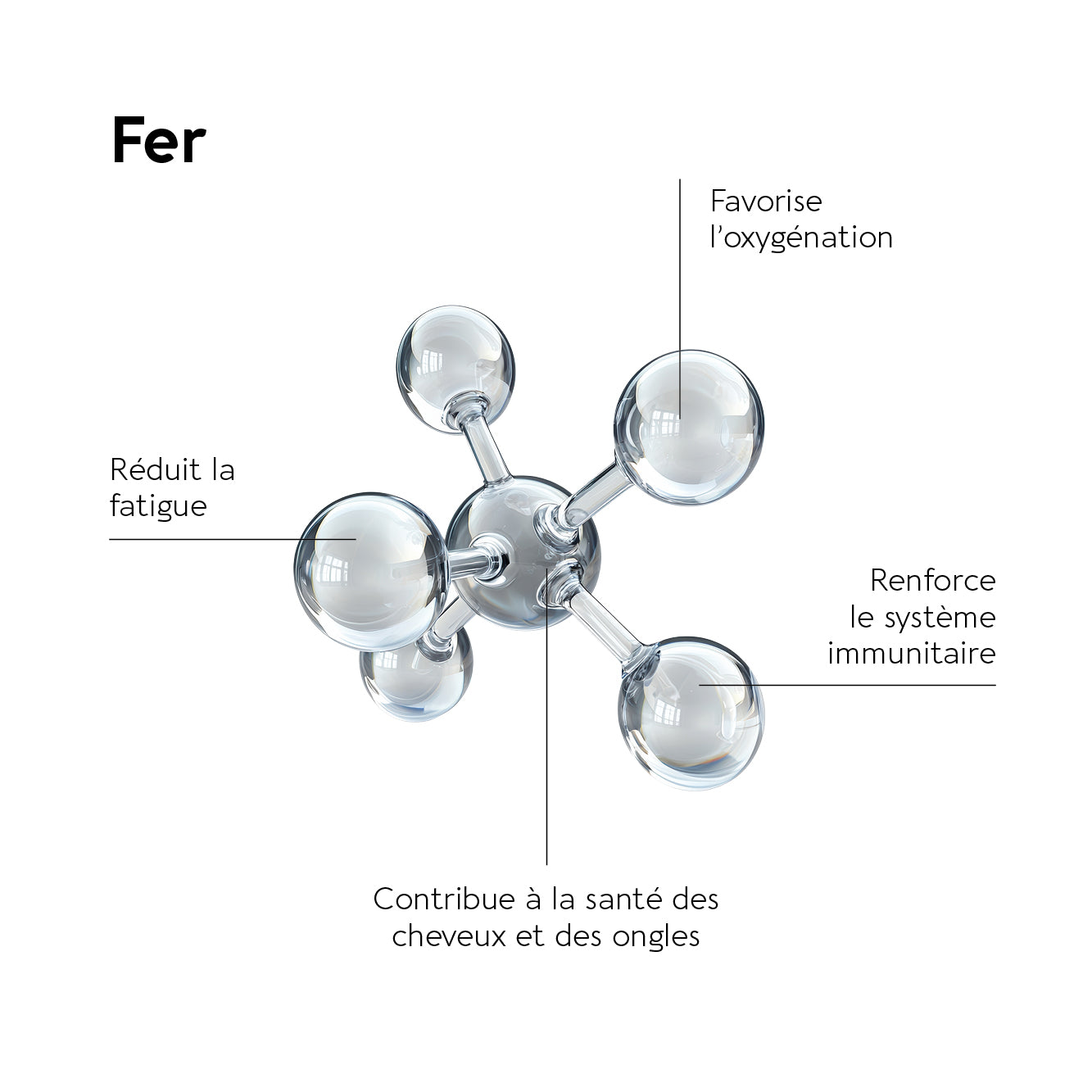
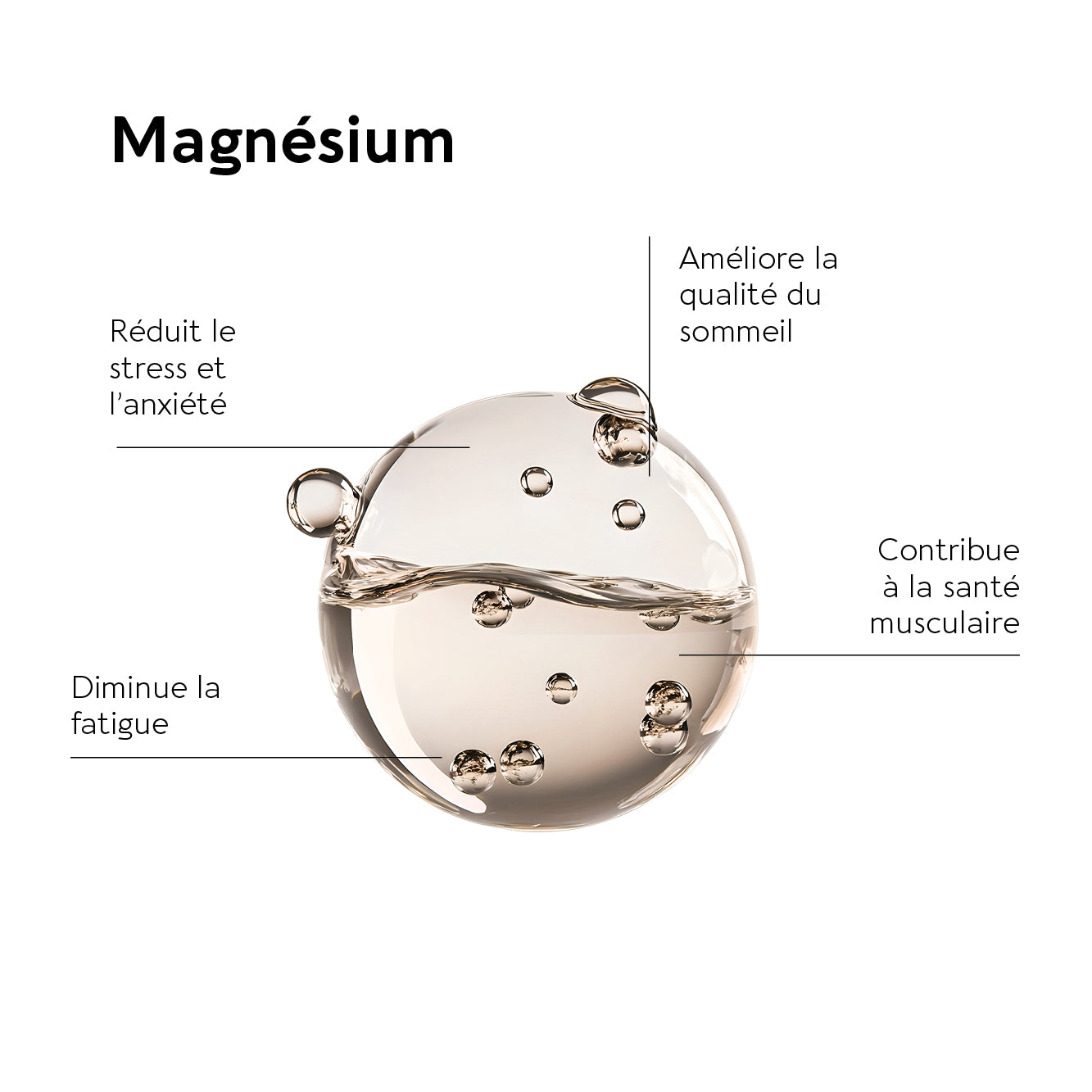
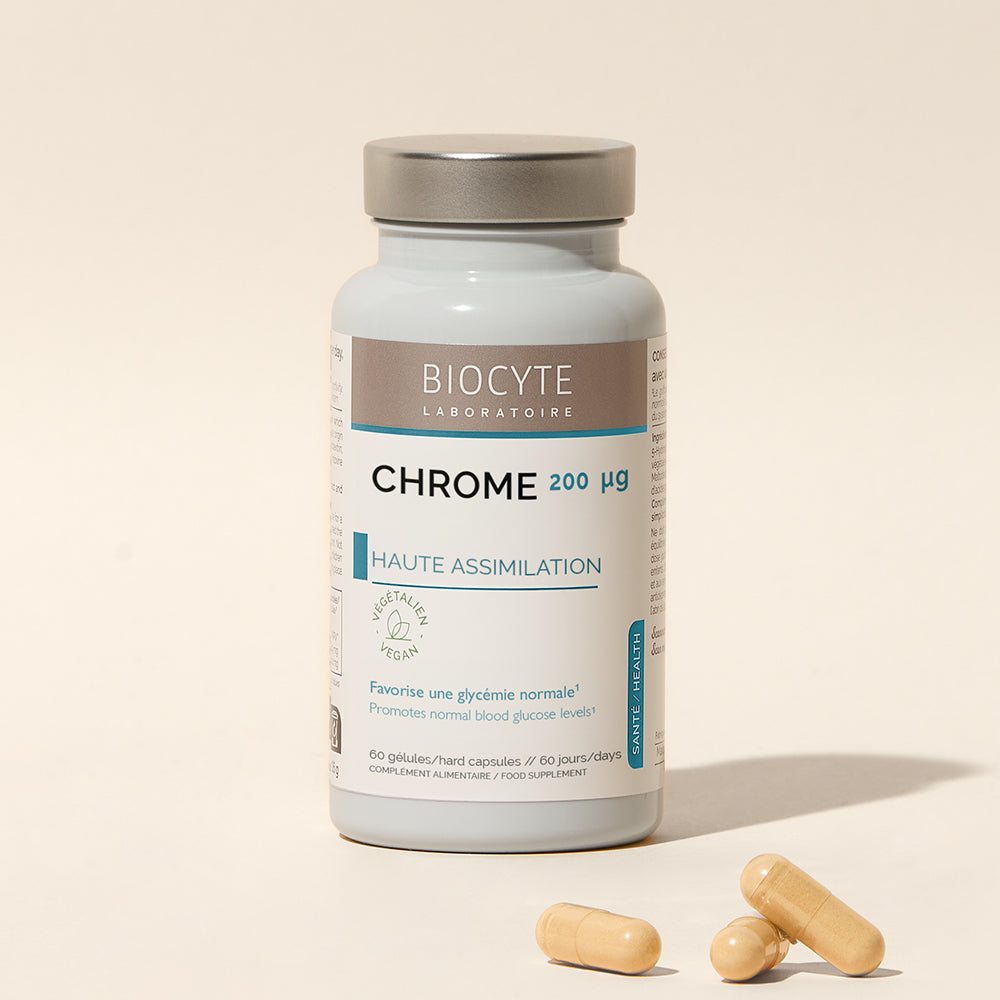
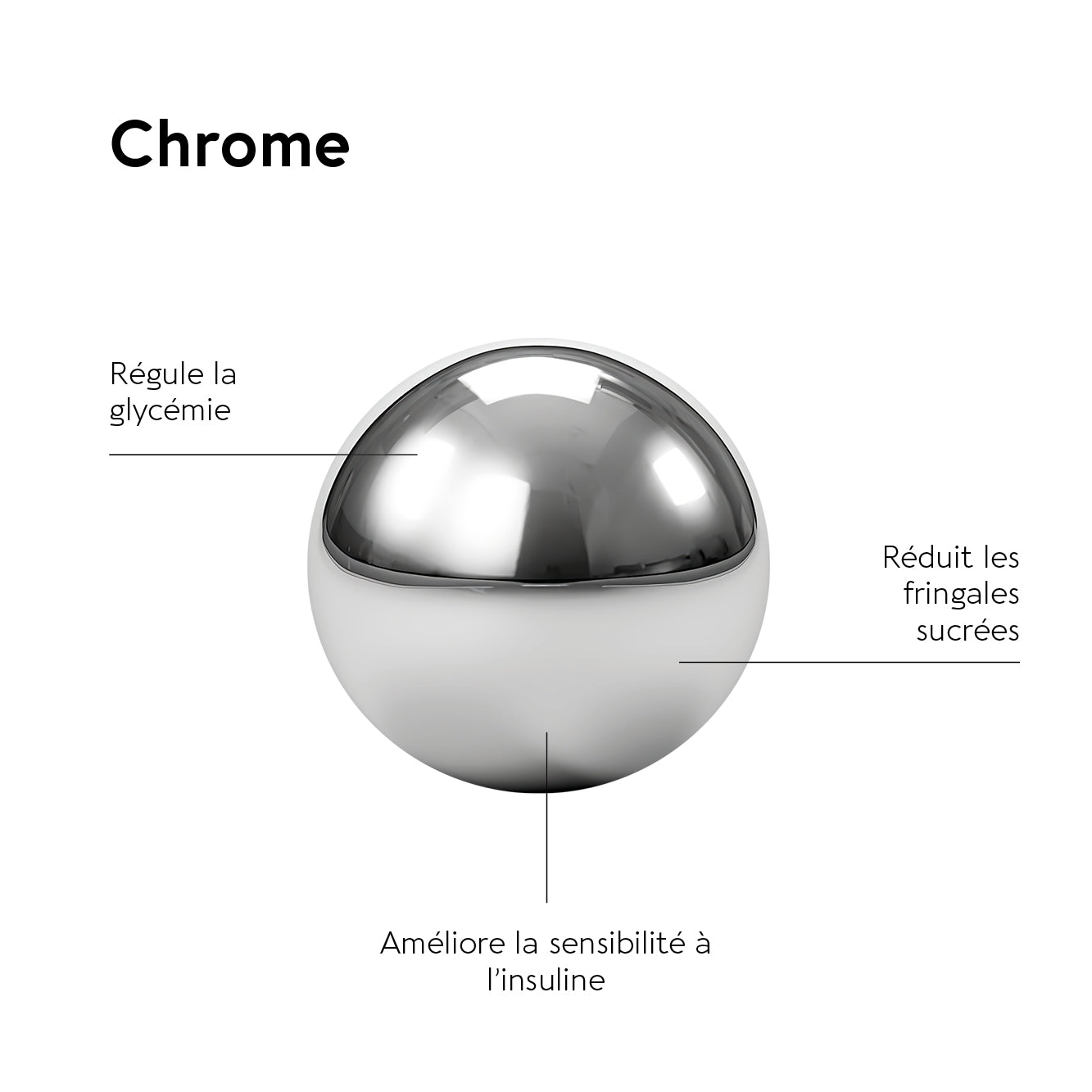
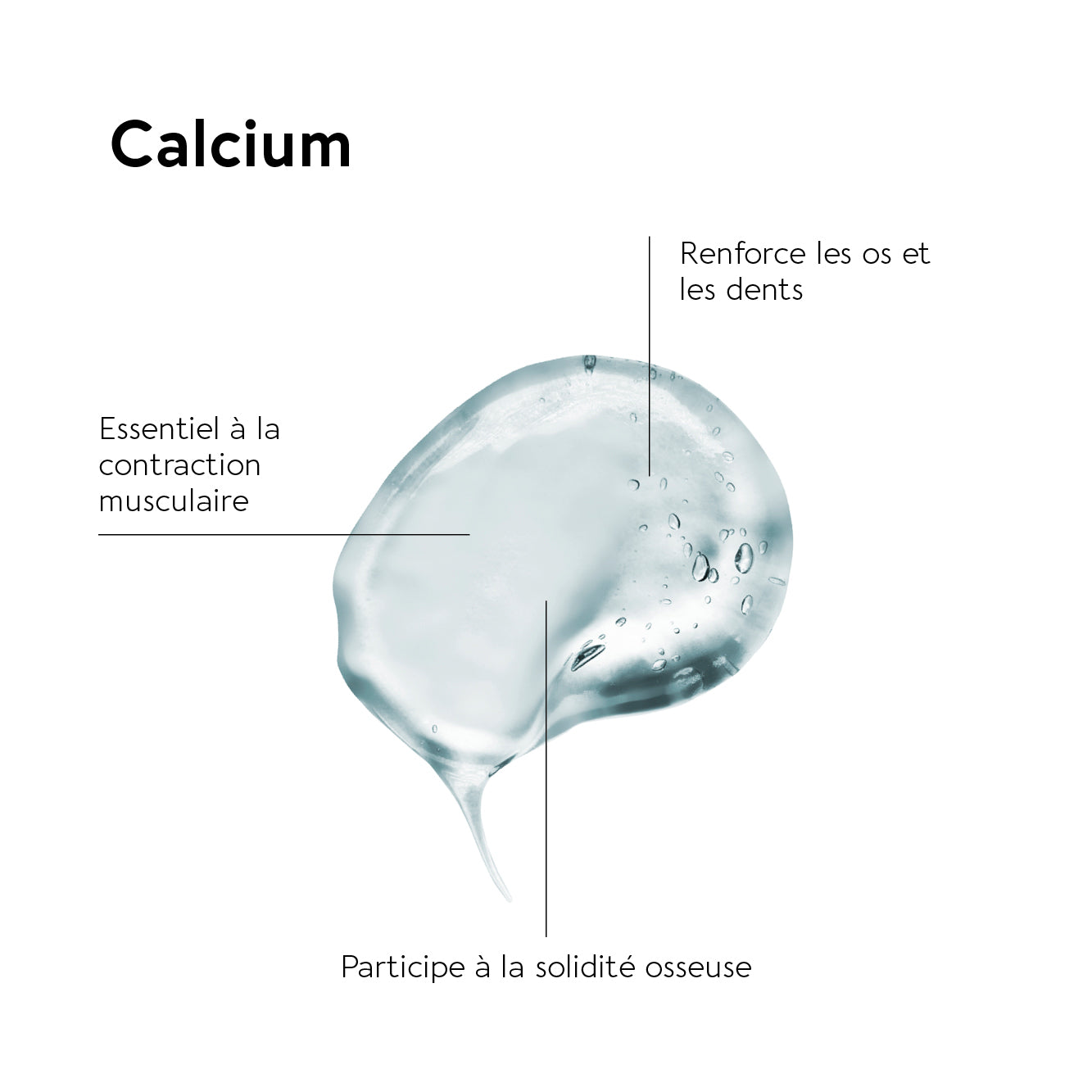
THEmineralsThese are major enzymatic cofactors. Magnesium is involved in numerous metabolic reactions, including those related to energy use. Zinc contributes to the maintenance of normal skin and to macronutrient metabolism. Iron participates in oxygen transport. A balance is essential: intake must be tailored to individual needs, and some minerals can compete for absorption depending on the forms used.
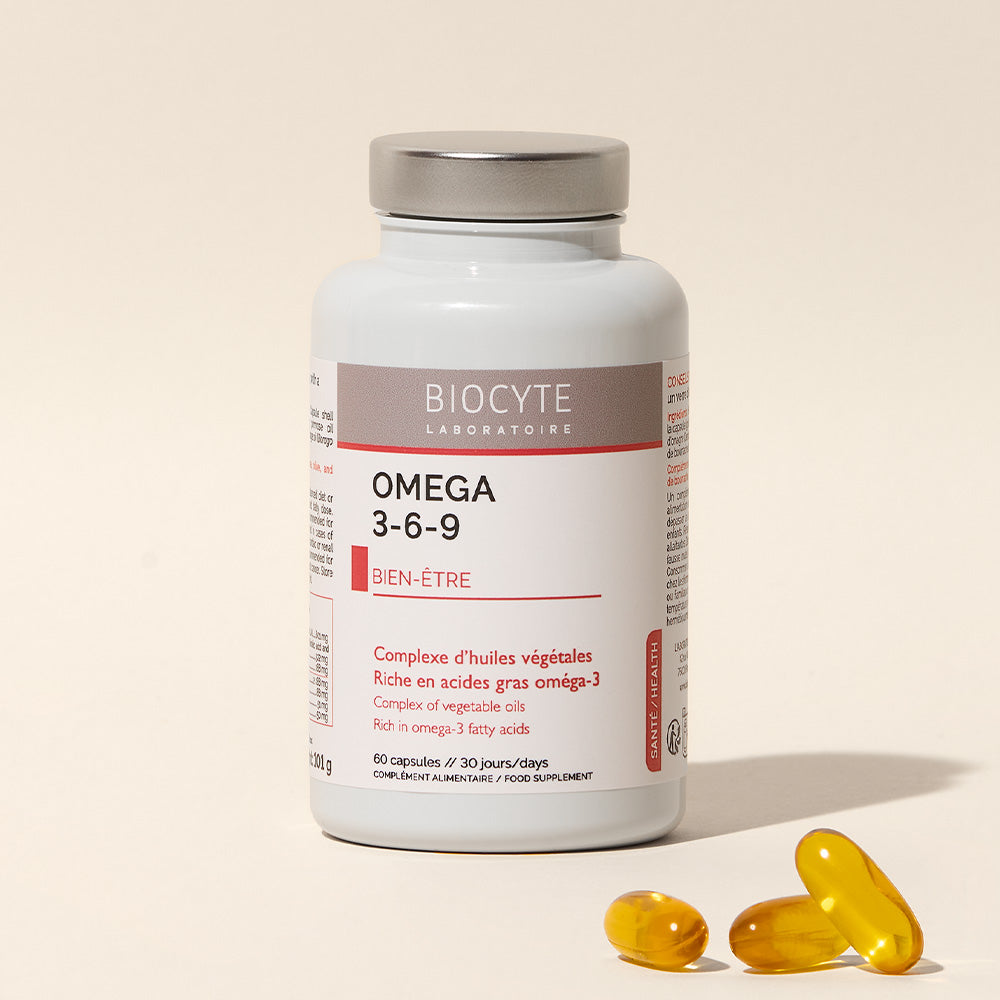
Omega-3
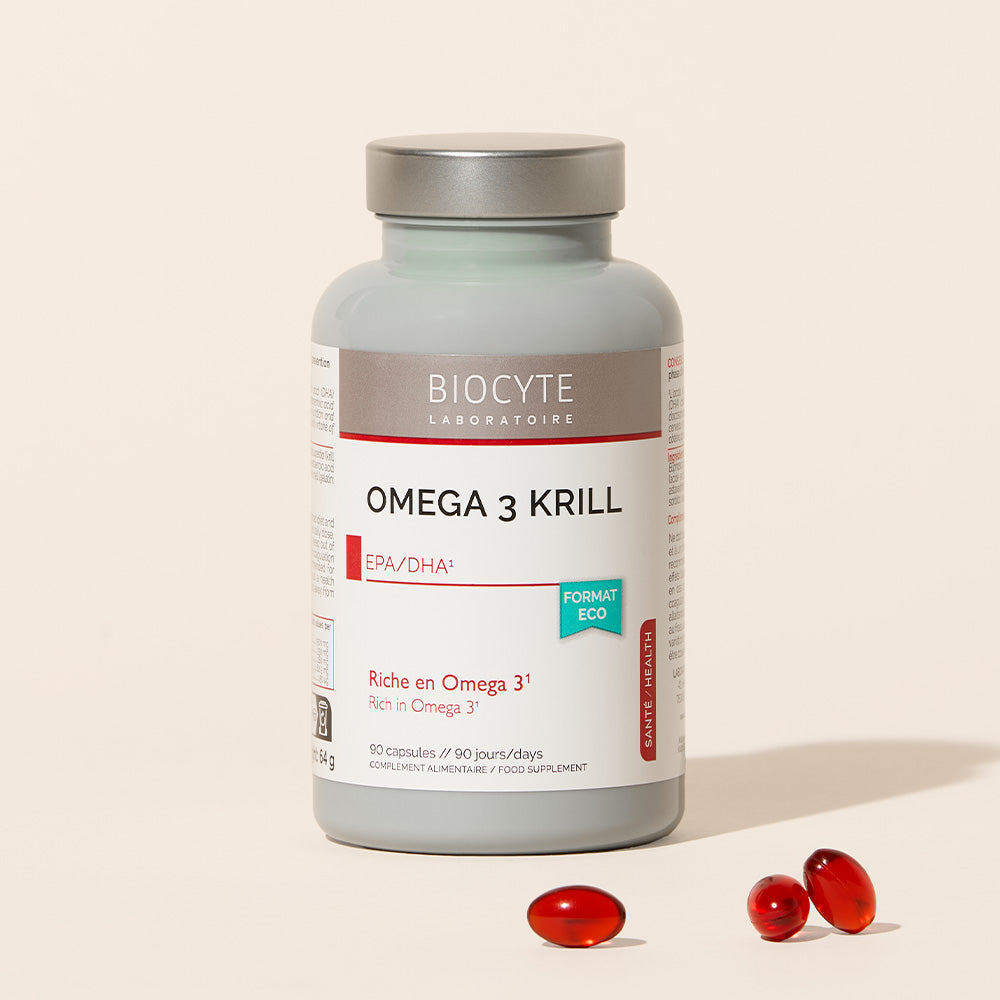
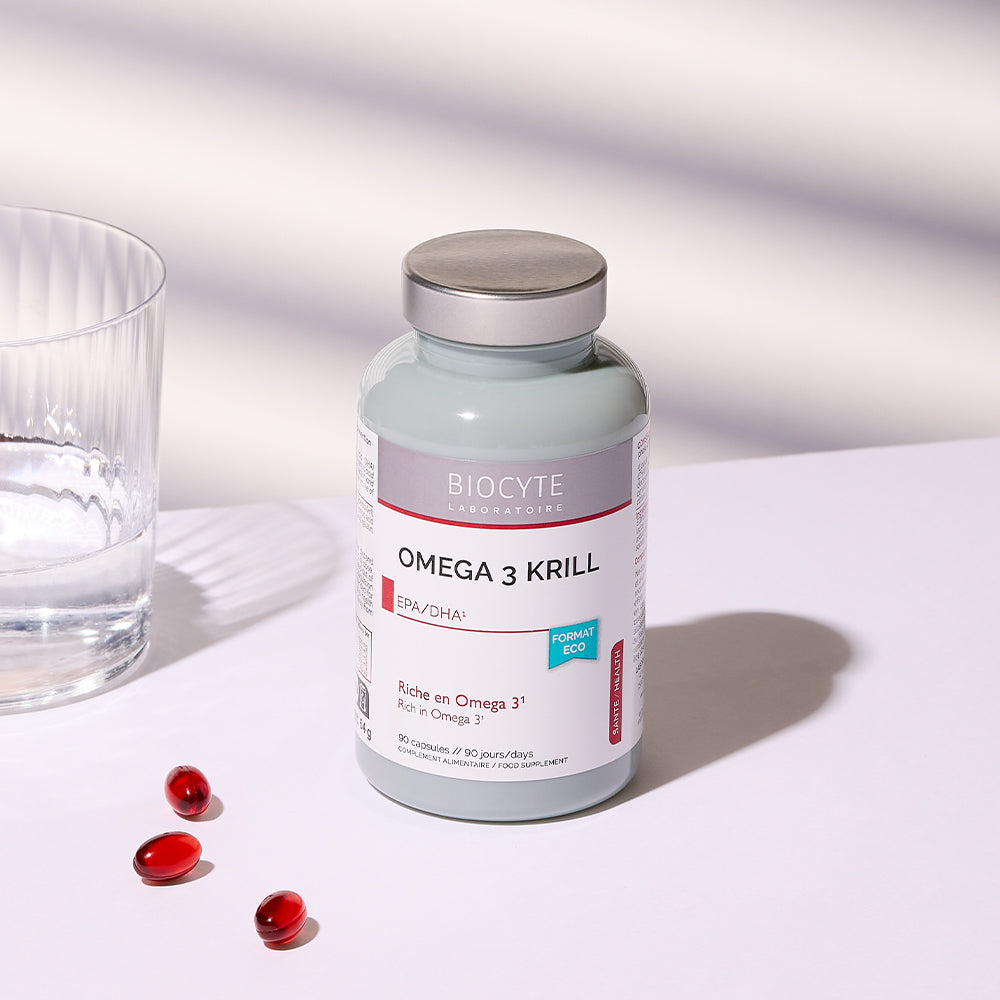
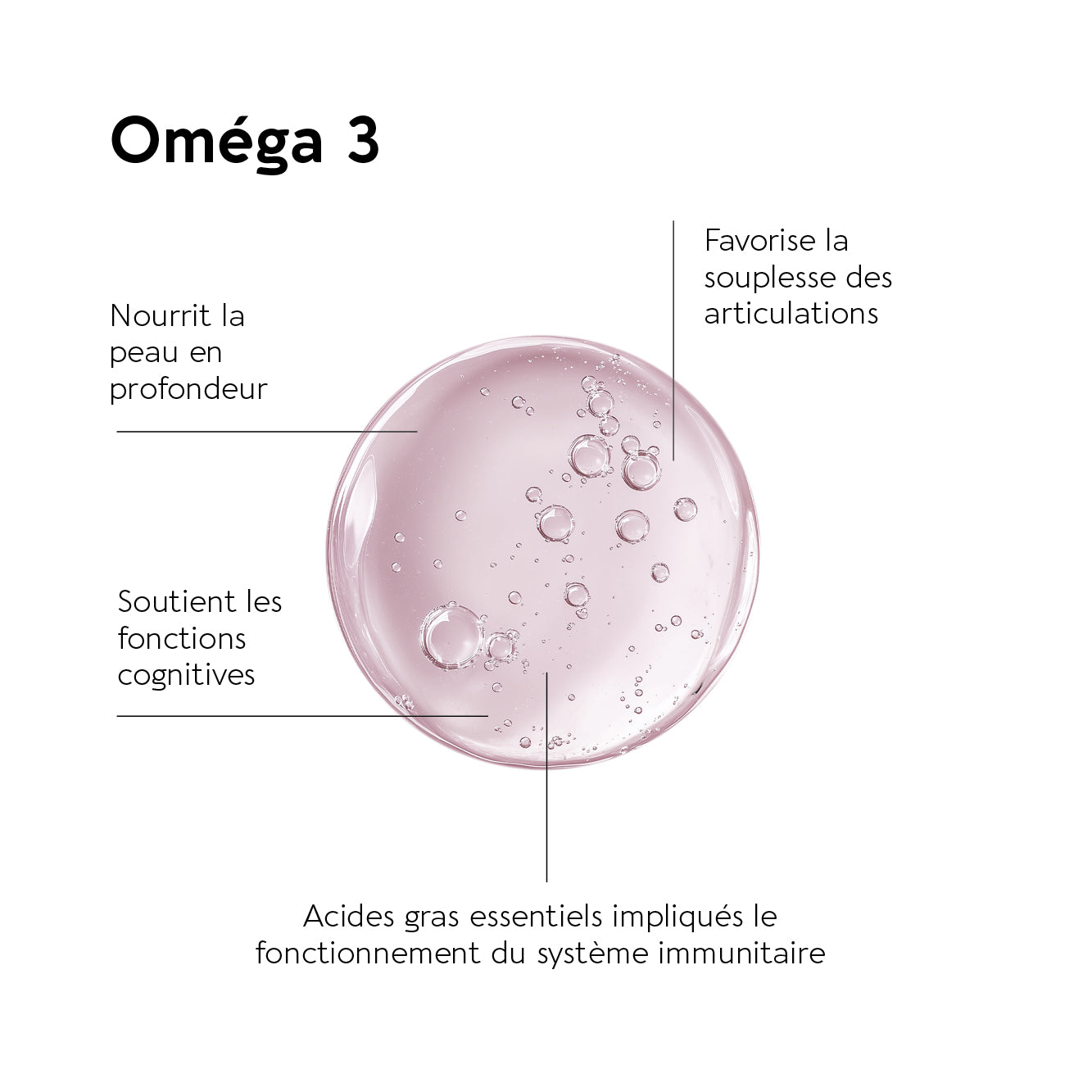
THEomega-3Omega-3 fatty acids (EPA/DHA, depending on the source) are polyunsaturated fatty acids that are components of cell membranes. Their benefits are often discussed in relation to lipid balance, membrane fluidity, and skin health, particularly regarding the skin barrier. In a nutricosmetic routine, omega-3s can be beneficial when the skin is prone to discomfort or lacks elasticity, in addition to internal hydration (for example, with hyaluronic acid).
Probiotics / Prebiotics
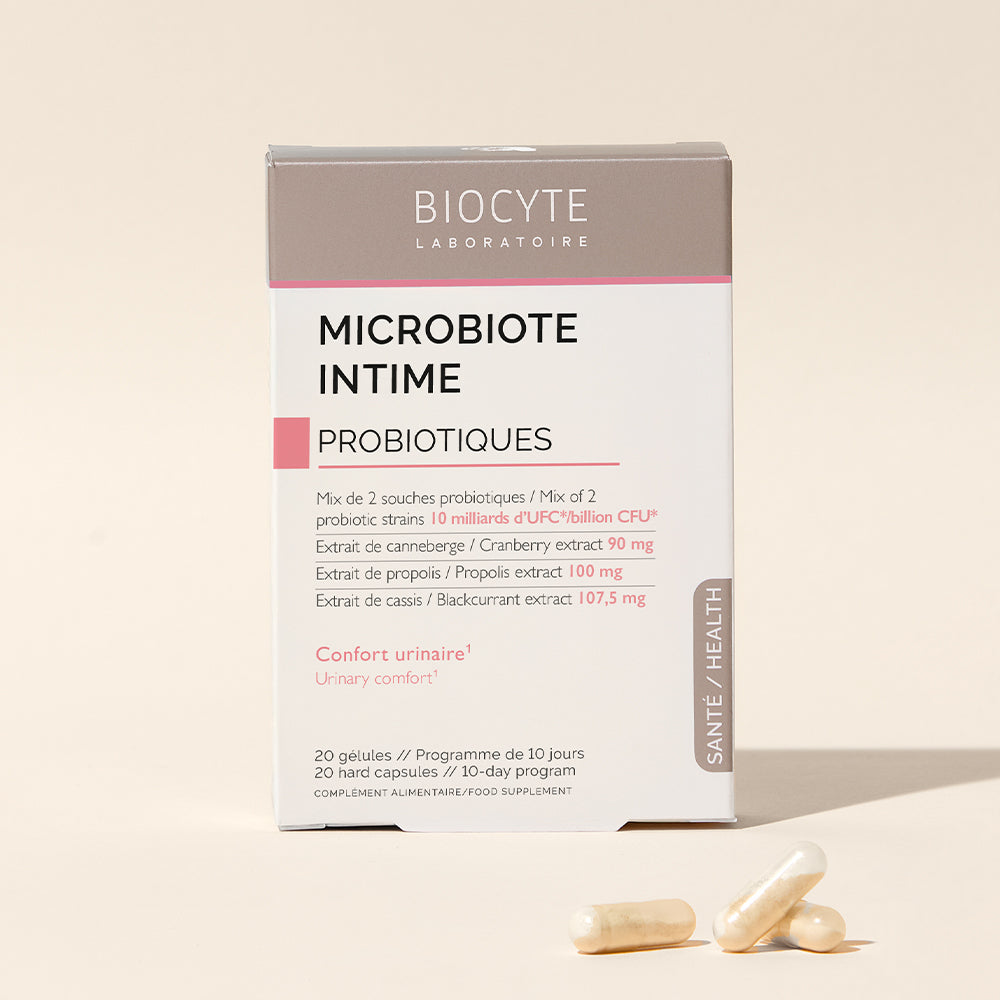
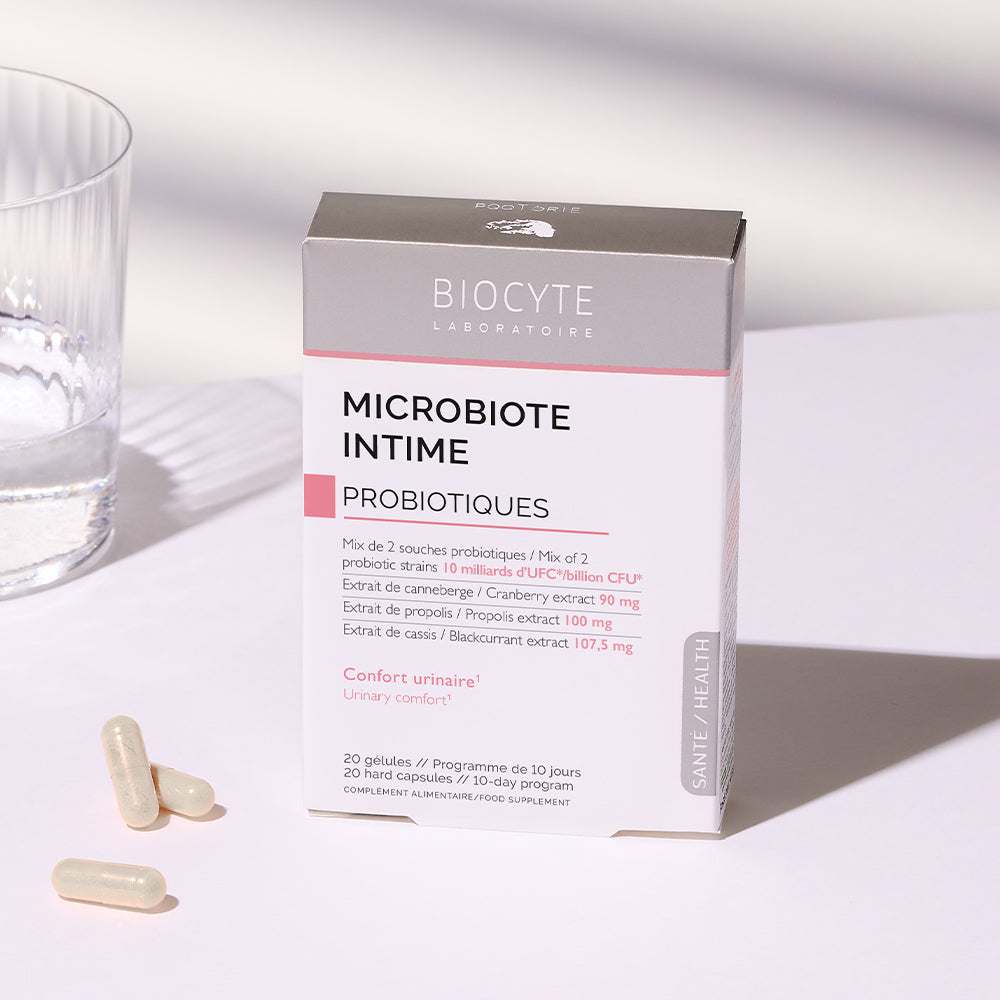
THEprobioticsThey act primarily through the gut microbiome. They are part of routines focused on digestive comfort, microbiota balance, and sometimes skin comfort. Results vary depending on the strain and the user profile. Robust studies describe the strain, dose, duration, and evaluation criteria (digestive scores, indirect measures).
Plants & extracts (turmeric, ginseng, etc.)
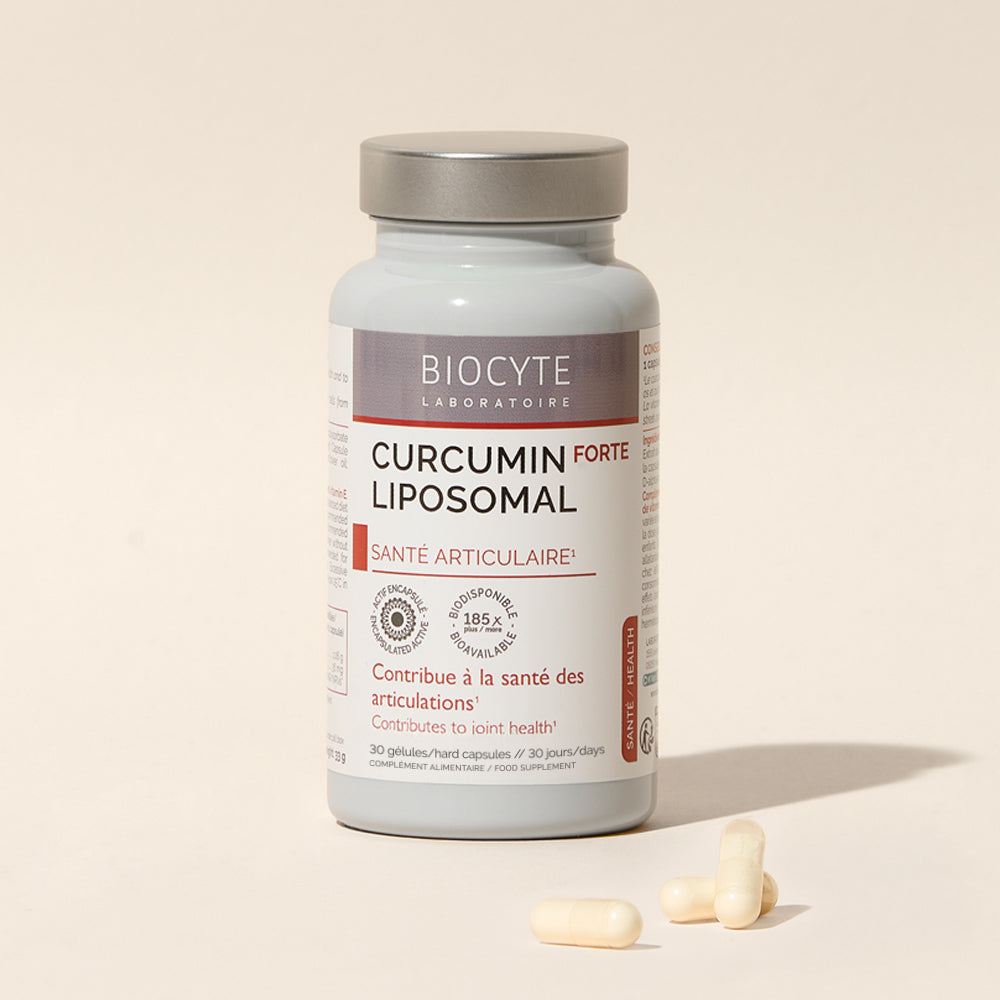
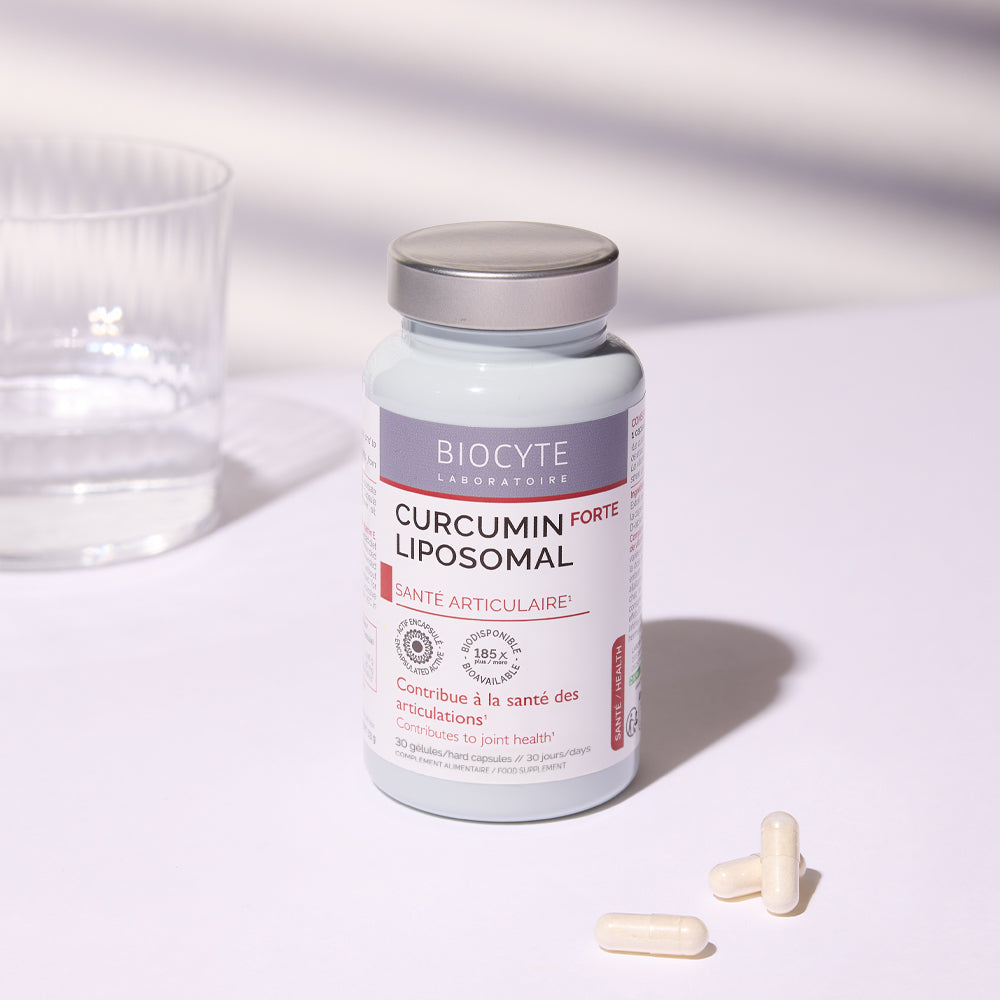
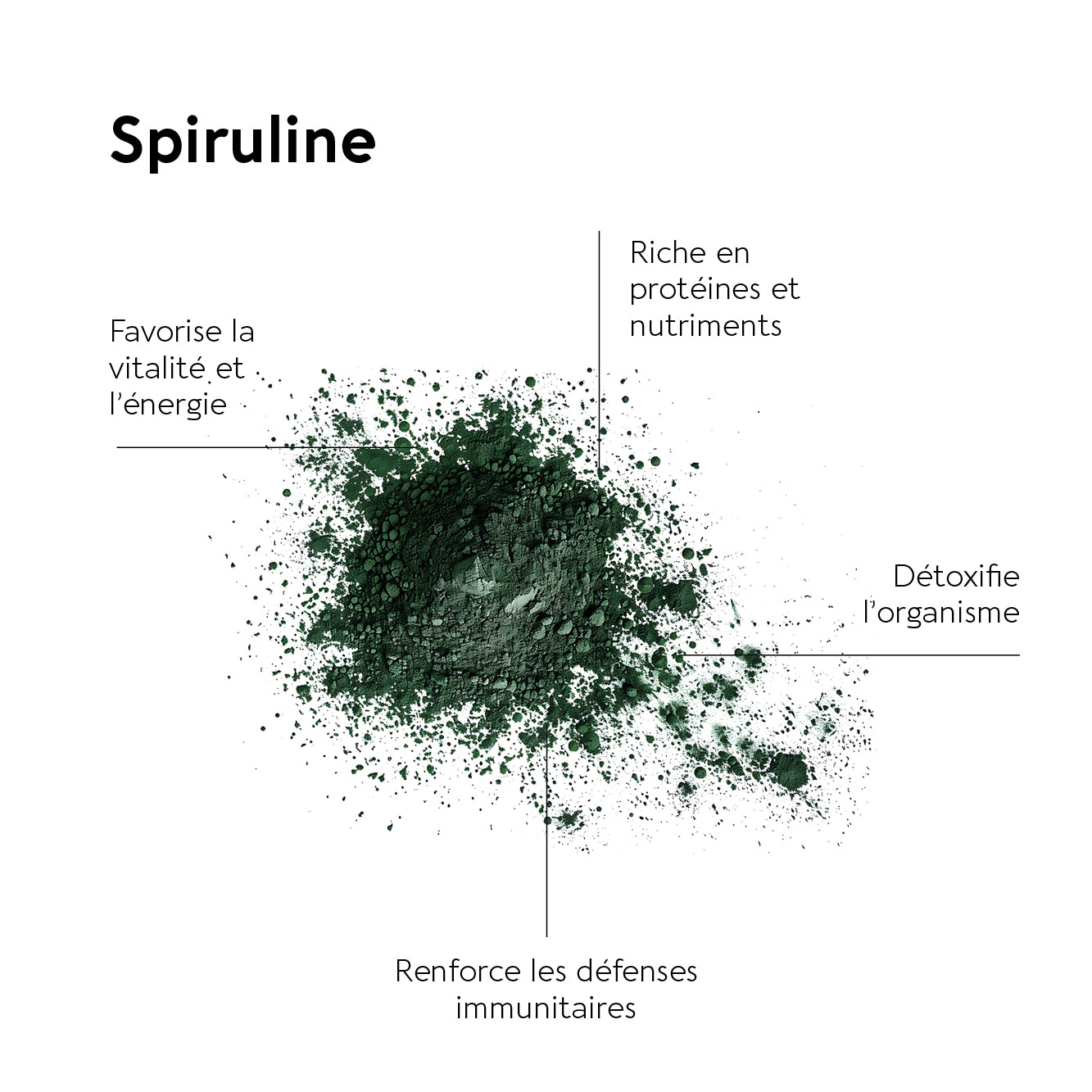
THEplant extractsThey offer diverse phytochemical profiles: polyphenols, saponins, curcuminoids… Turmeric is often associated with “comfort” and “balance” approaches, while ginseng is more focused on vitality and energy. In the world of adaptogenic plants, ashwagandha is frequently cited to support the response to perceived stress.
Collagen / Hyaluronic Acid
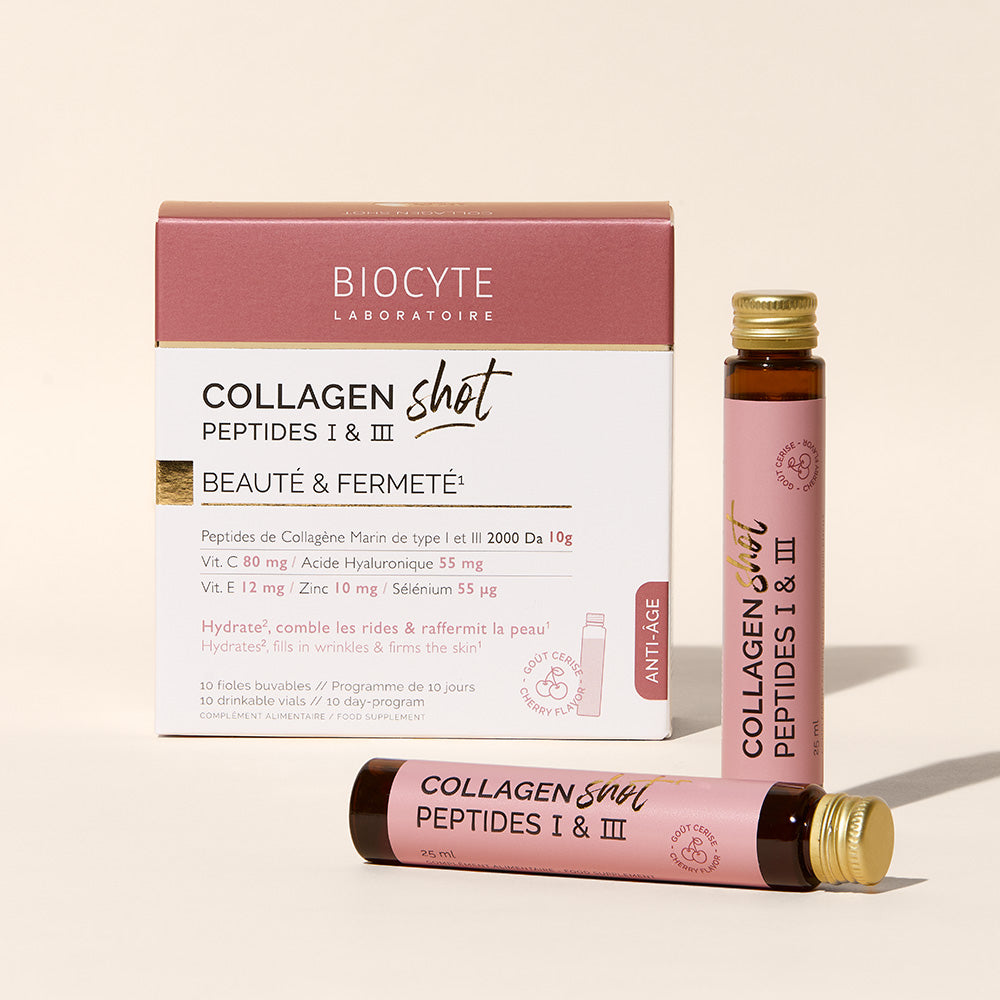
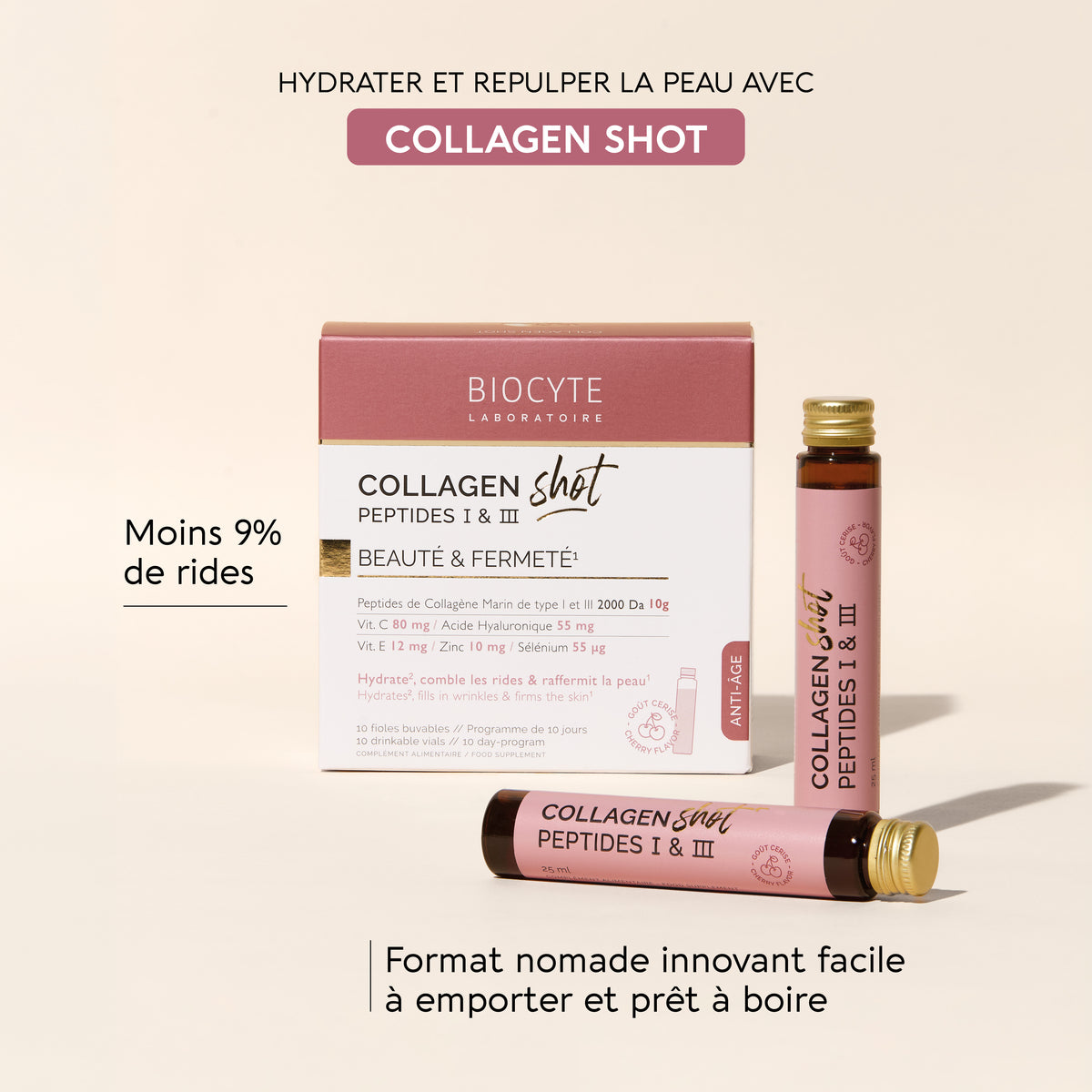
The duomarine collagen+hyaluronic acidIt is a classic ingredient in nutricosmetics, particularly for hydration and elasticity. Hydrolyzed collagen provides peptides; the body uses these as building blocks and signals in tissue metabolism. Hyaluronic acid supports hydration in relation to water retention. Clinical trials, when well-conducted, rely on instrumental measurements (hydration, elasticity) and sometimes dermatological assessments.
Proteins / amino acids
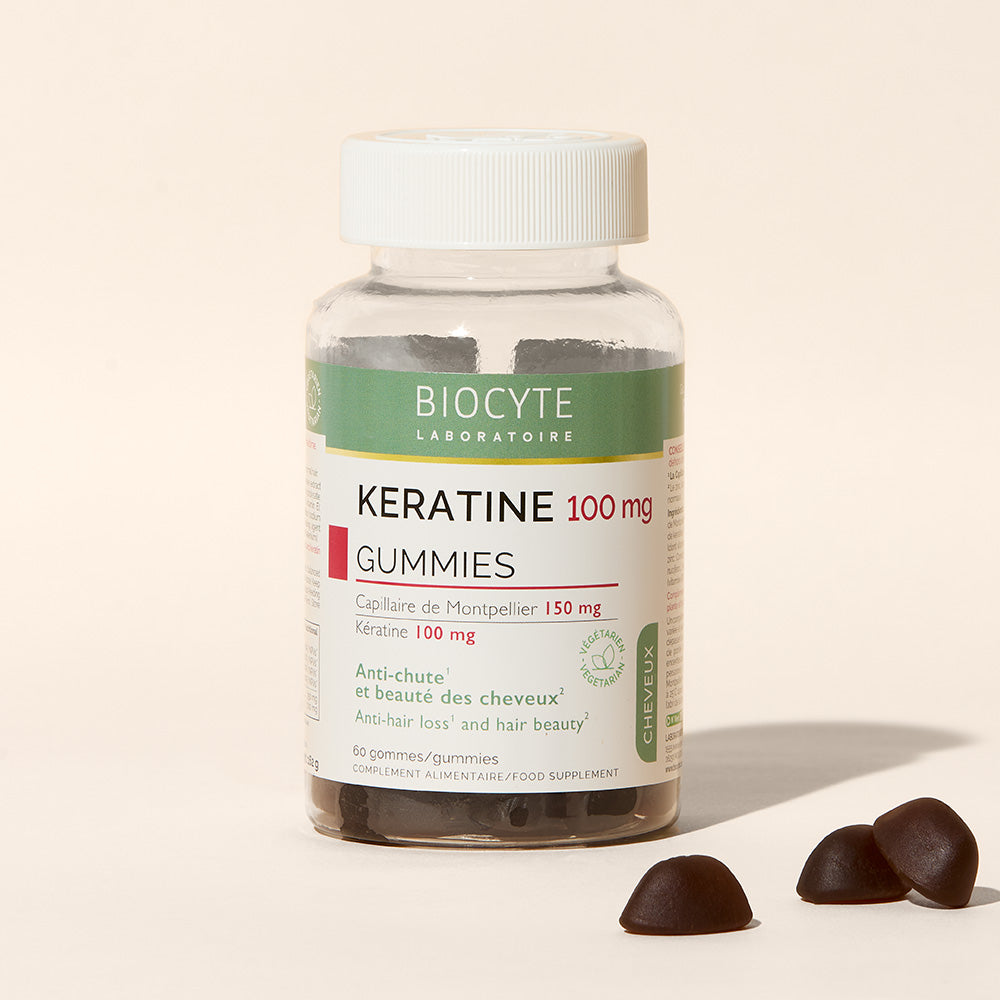
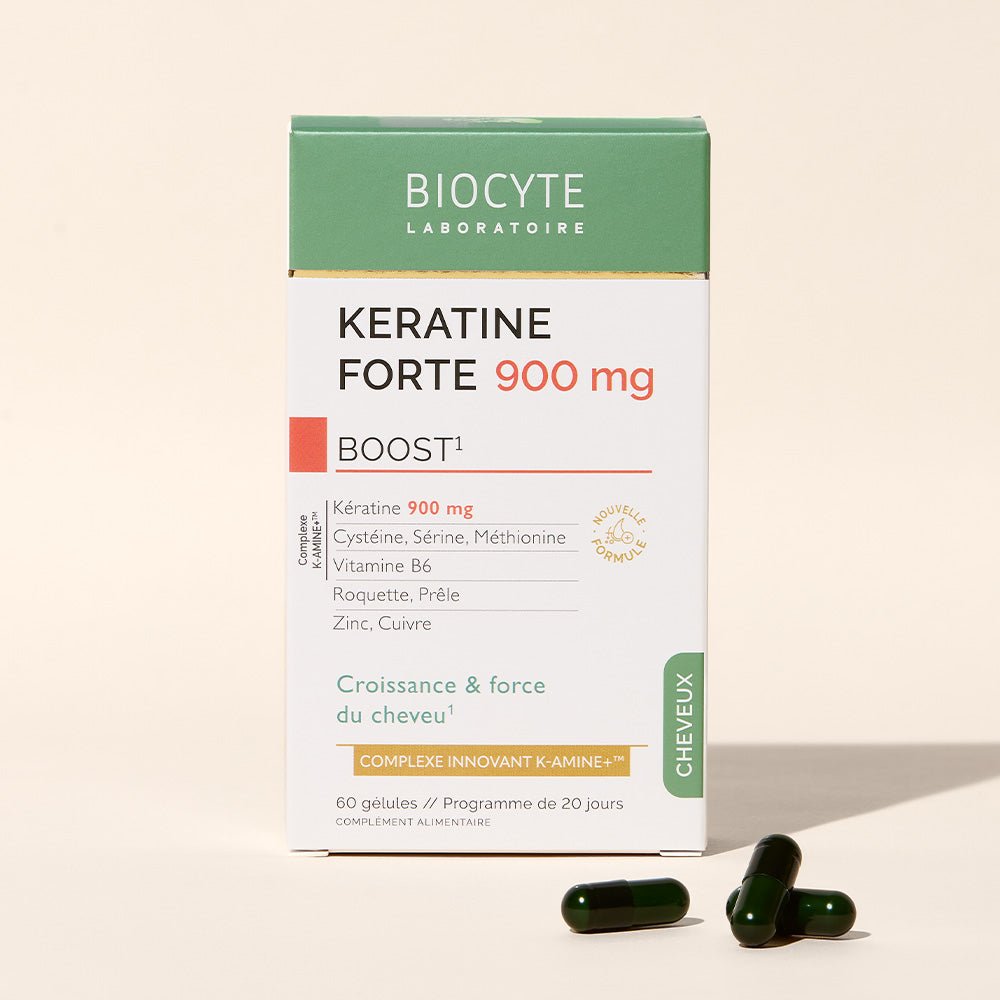
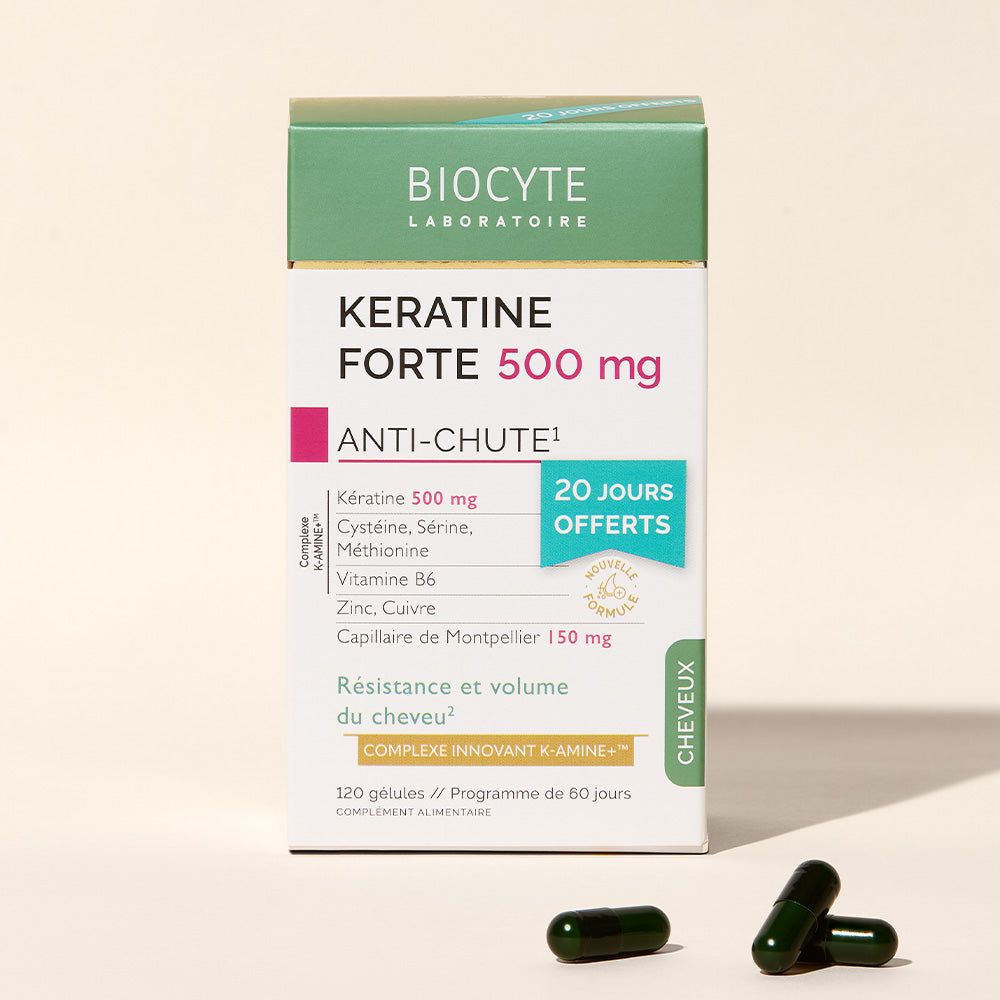
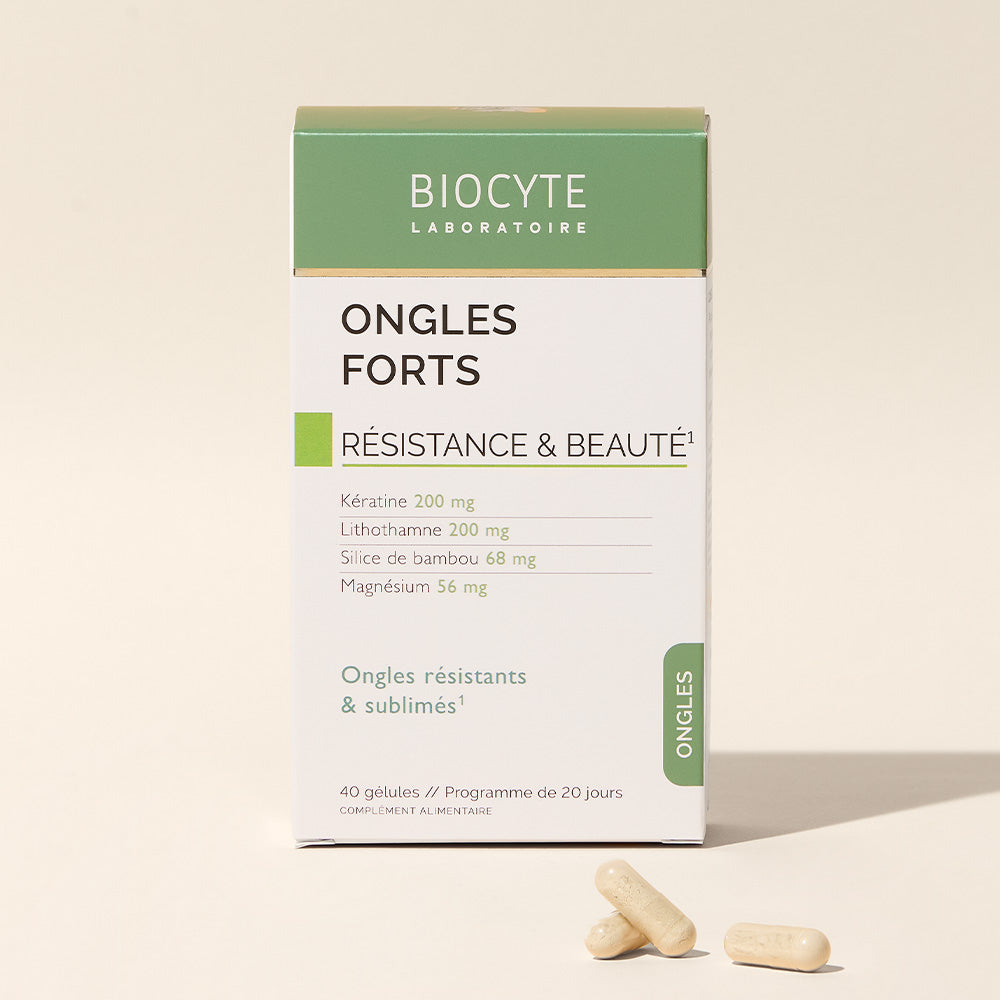
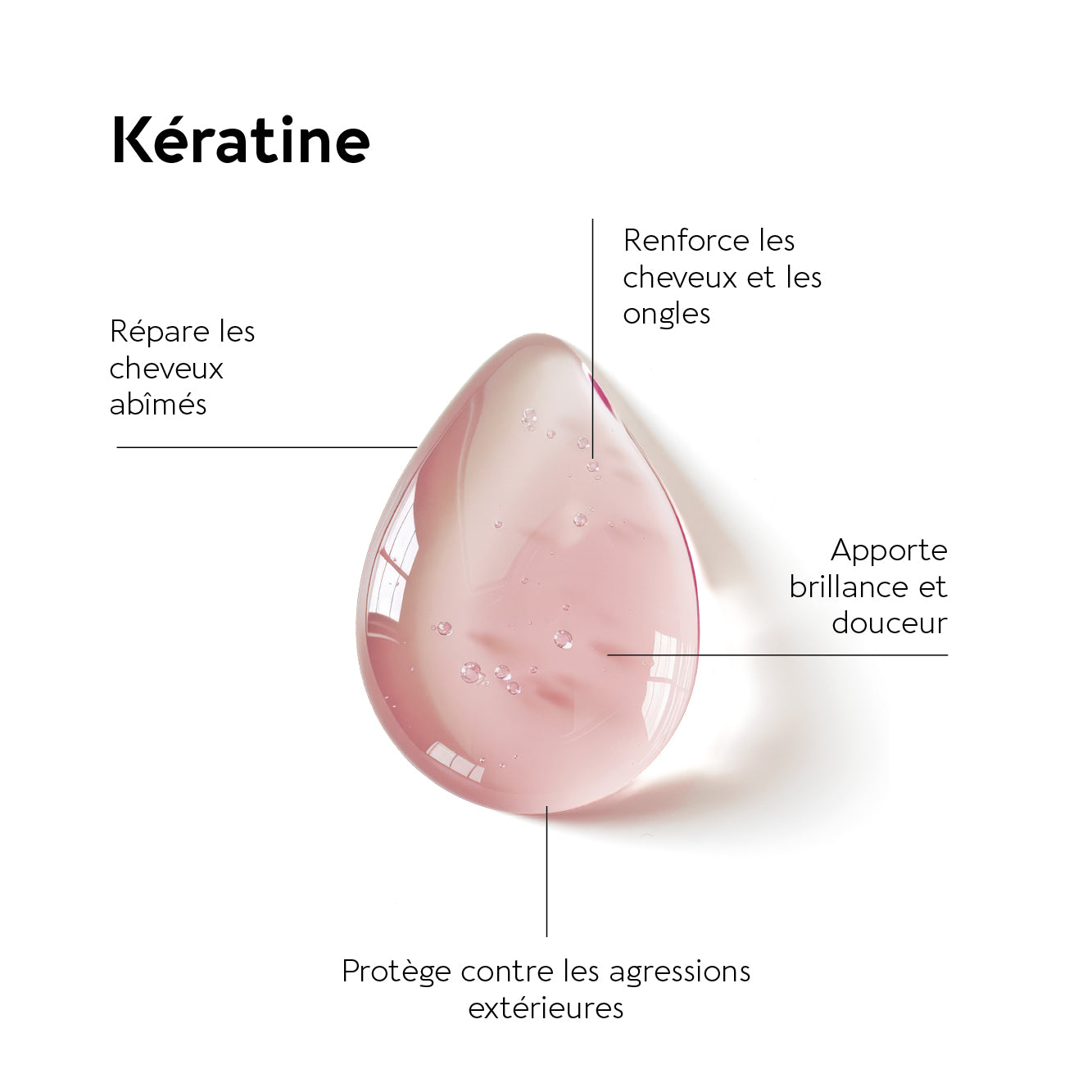
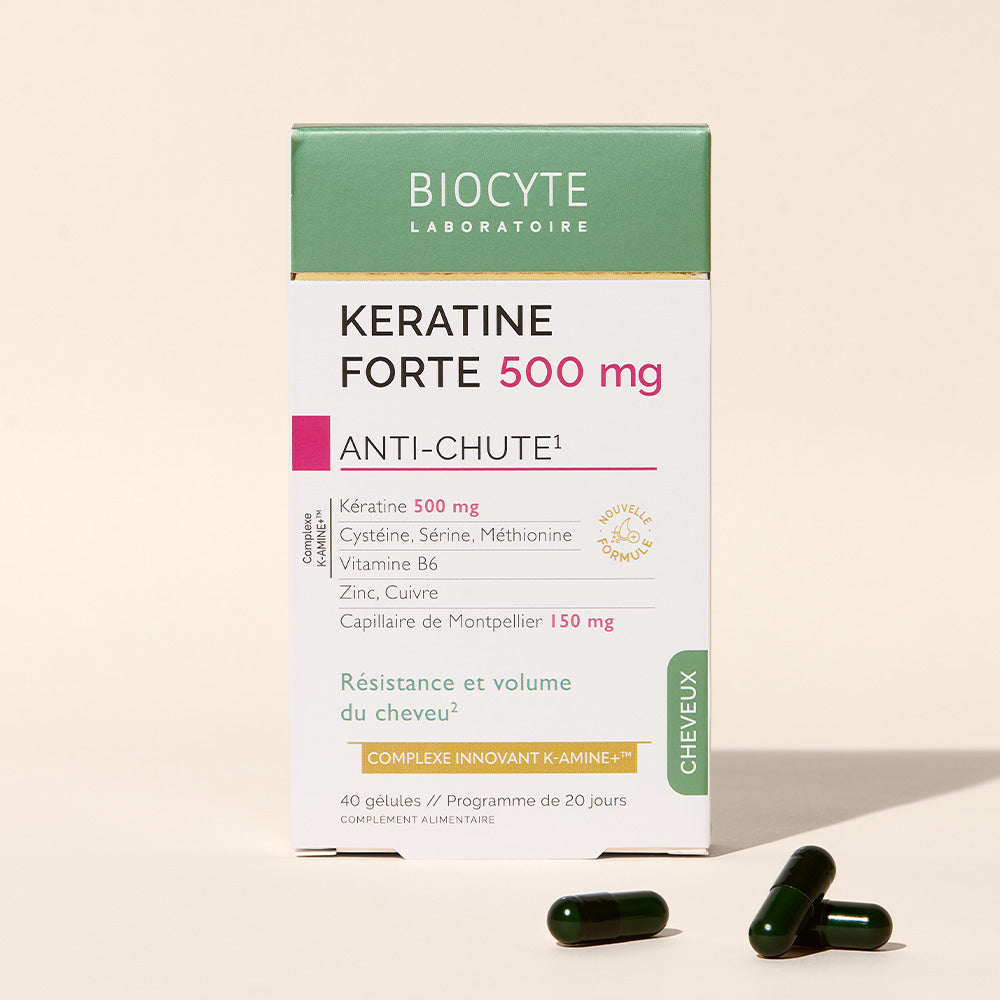
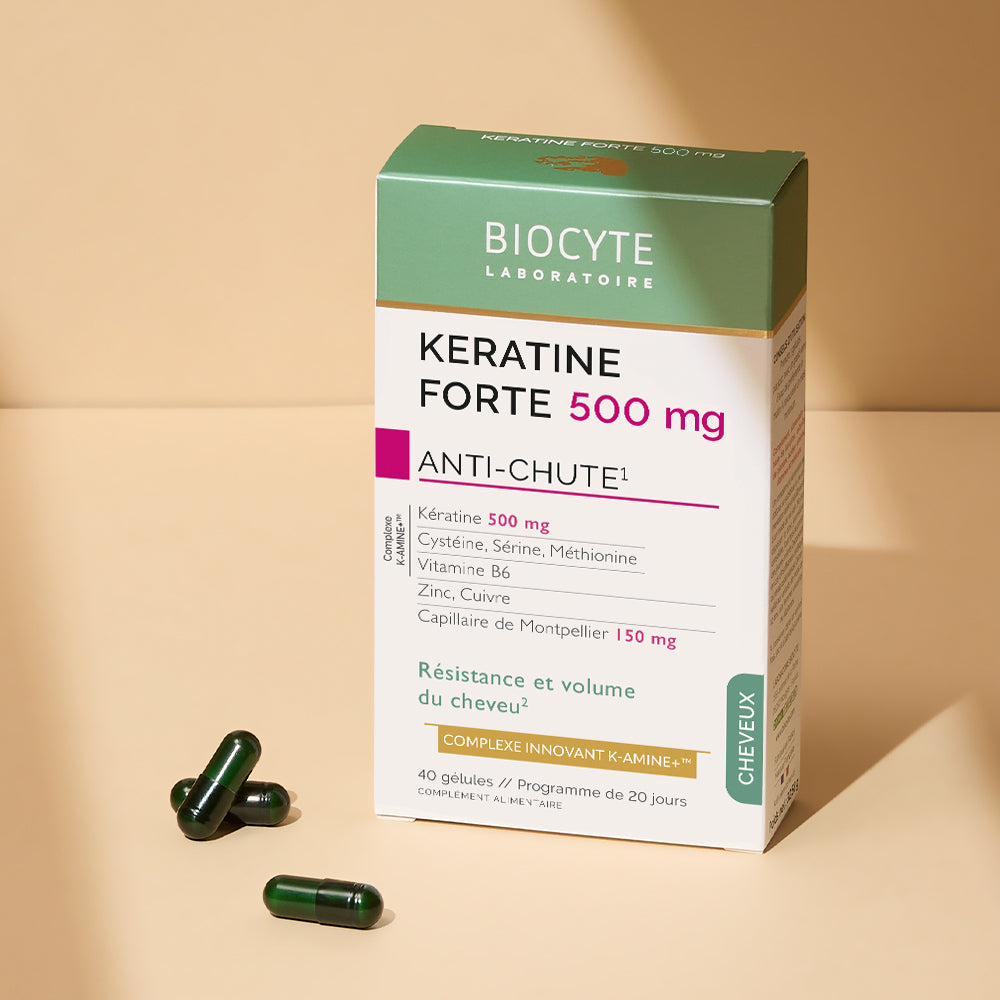
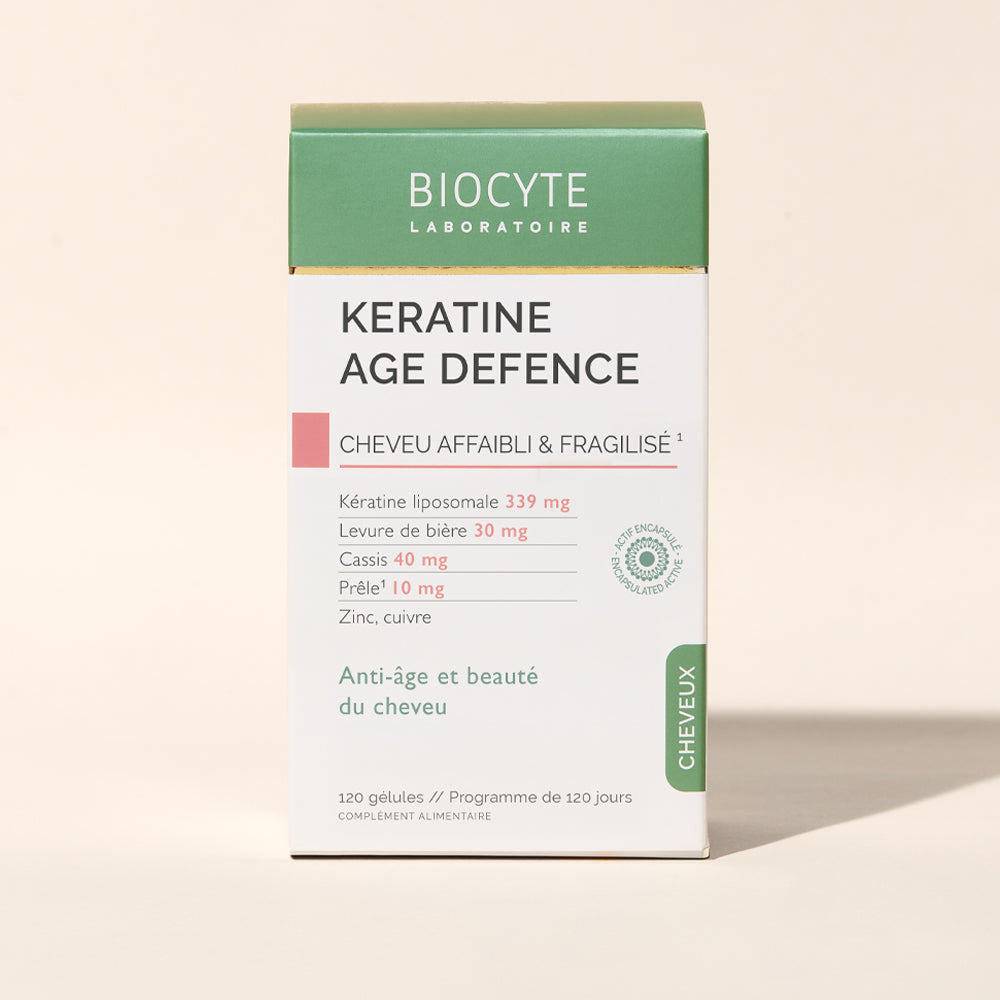
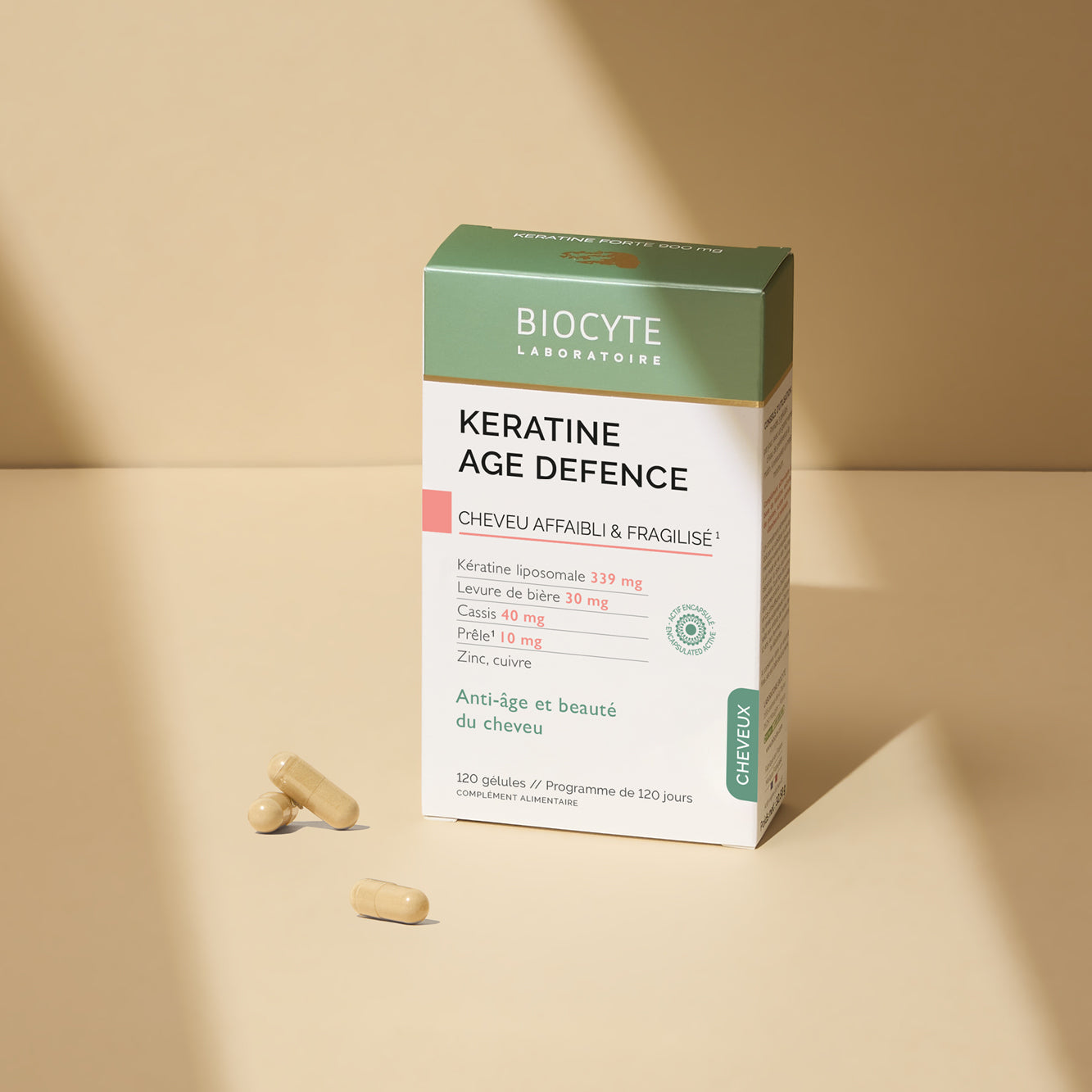
THEproteinsAndamino acidsThey provide structural building blocks. For hair and nails, the benefits are discussed in relation to specific amino acids and an appropriate micronutrient environment (certain vitamins and minerals). A hair/nail care routine may therefore combine protein, zinc, and sometimes vitamin B12, depending on the individual profile.
How to choose your dietary supplements?
Depending on your goal and profile
Choosedietary supplementsStart by clarifying your primary objective: energy, immunity, digestive comfort, sleep and stress support, or a beauty approach (skin/hair/nails). Next, your profile will refine your selection: diet, activity level, digestive sensitivity, sun exposure (indirect impact on vitamin D), and daily constraints. The idea is to build a clear routine, rather than simply adding redundant formulas.
Dosage, form and bioavailability
The dosage should be understood as a functional window: sufficient to support physiology, without excess.bioavailability- the fraction actually used by the body - depends on the form of the active ingredient, the dietary context and the interactions.
Quality, traceability, labels and composition
The quality of a product lies in the details: the origin of raw materials, standardization, controls, and transparency of content. For omega-3 fatty acids, purity and stability are crucial. For probiotics, strain identification and quantity guarantees are key. For collagen, hydrolysis and purity determine performance.
Available forms: capsules, tablets, gummies, powders…
Capsules / tablets
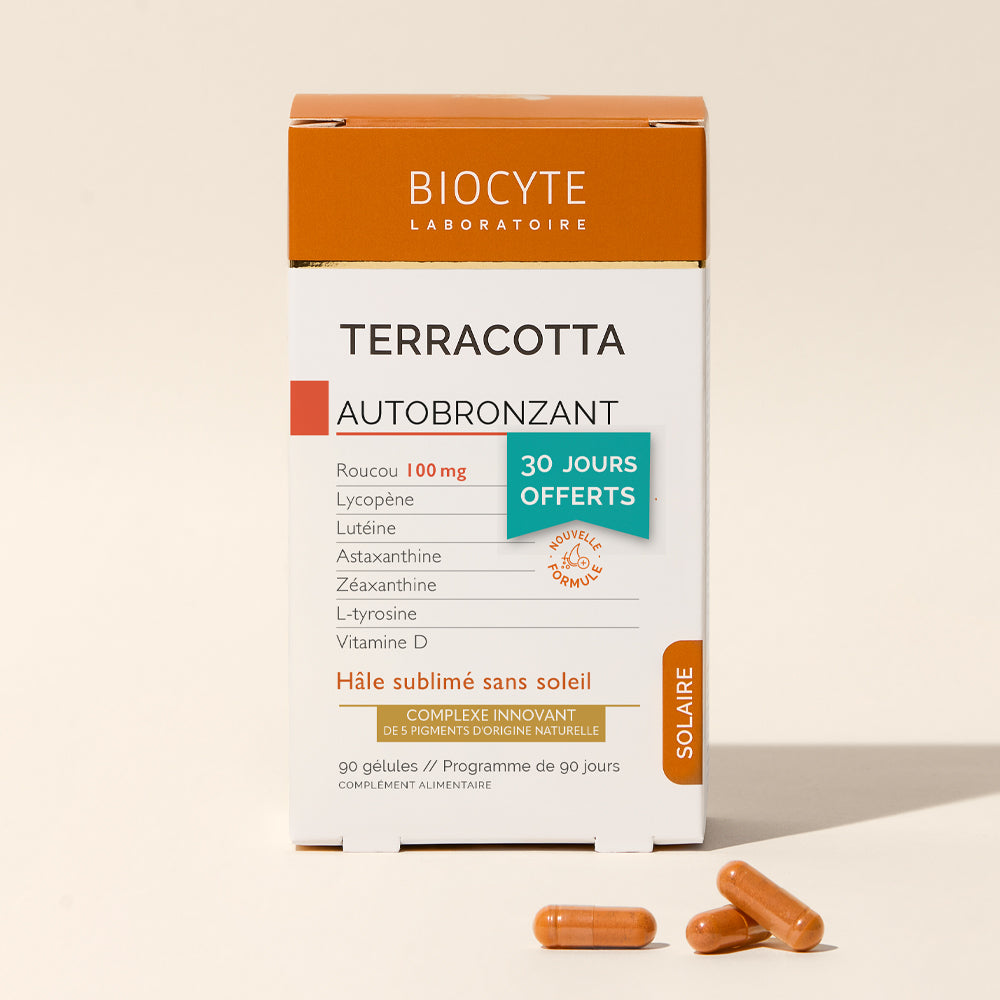
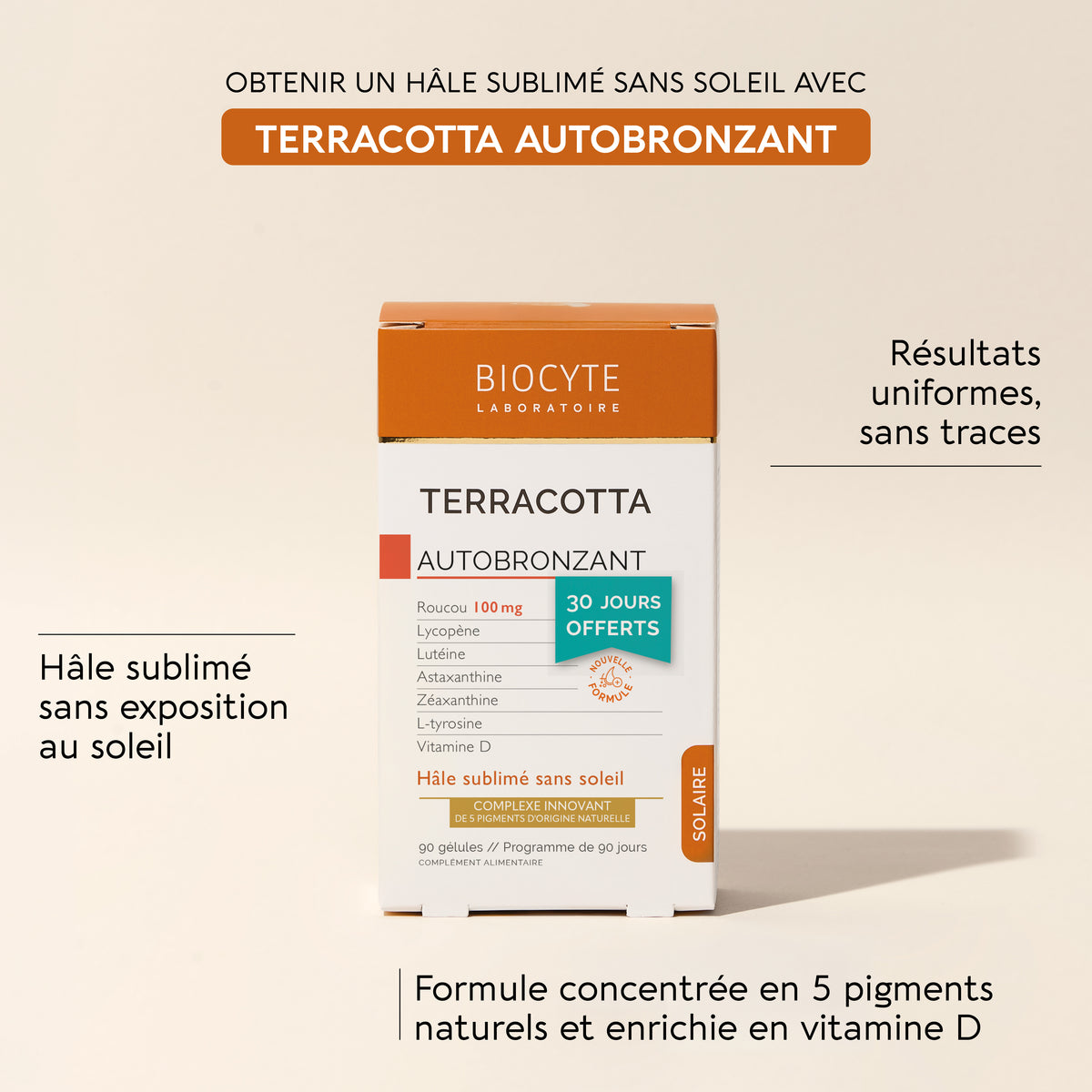
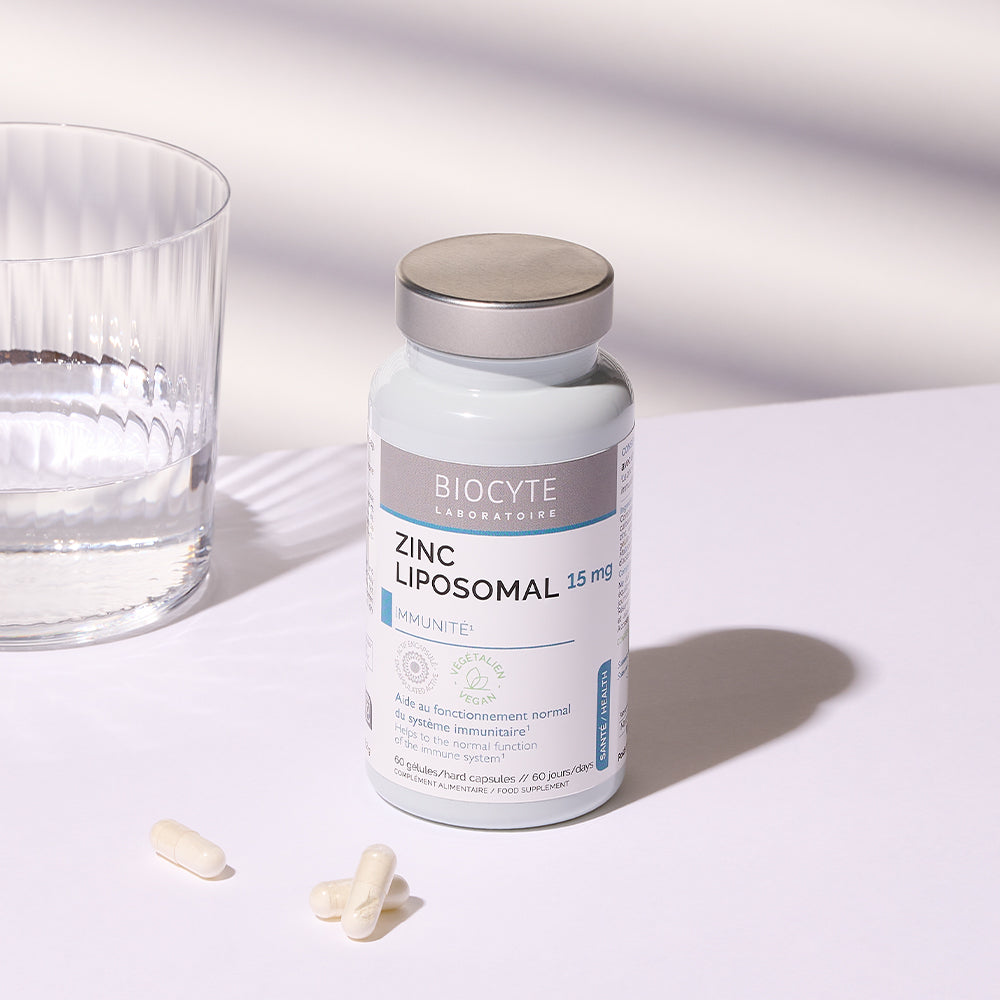
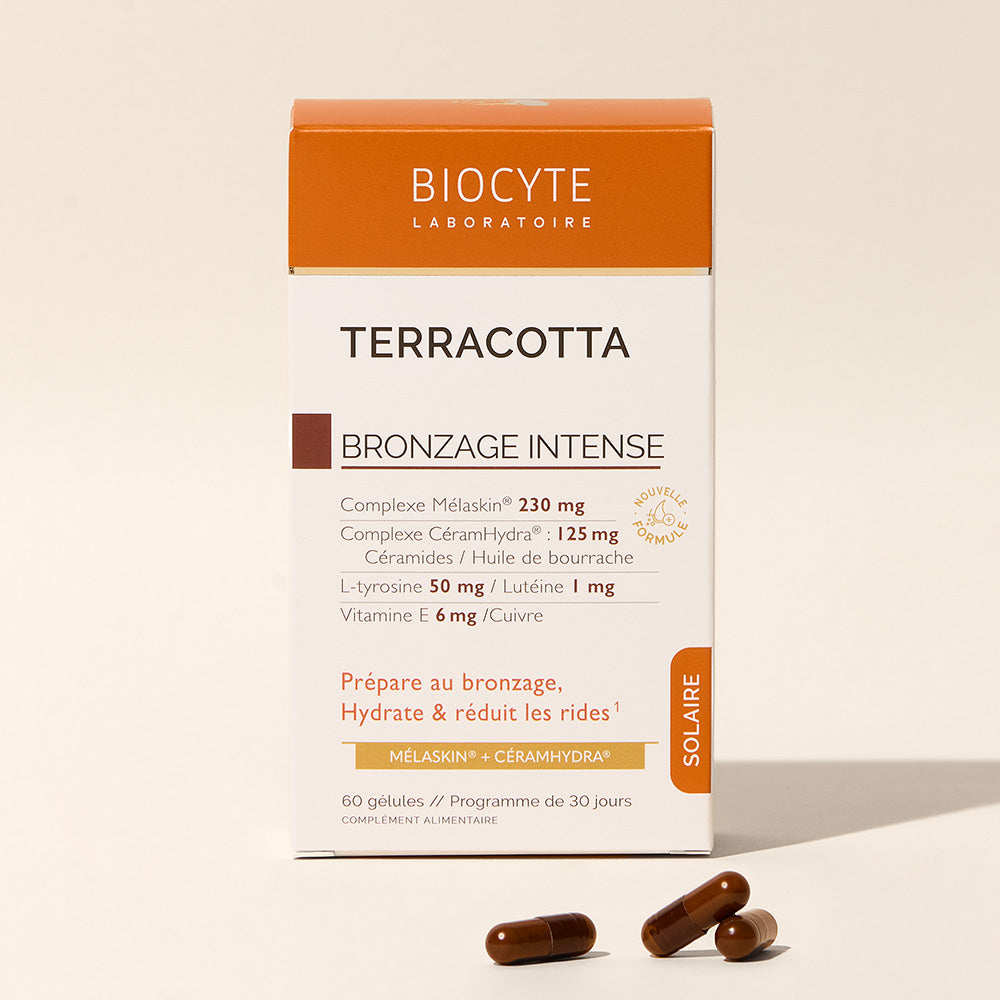
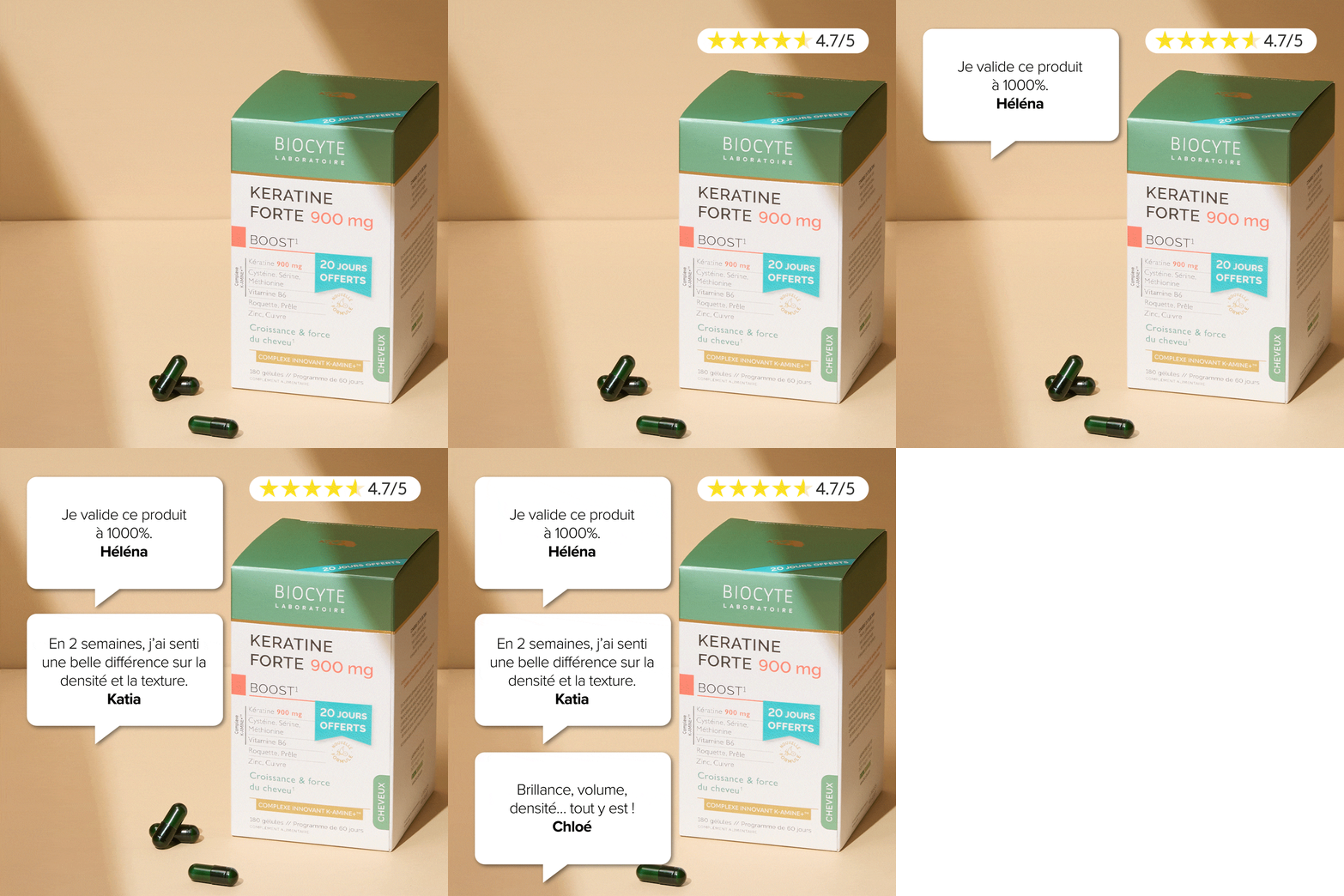
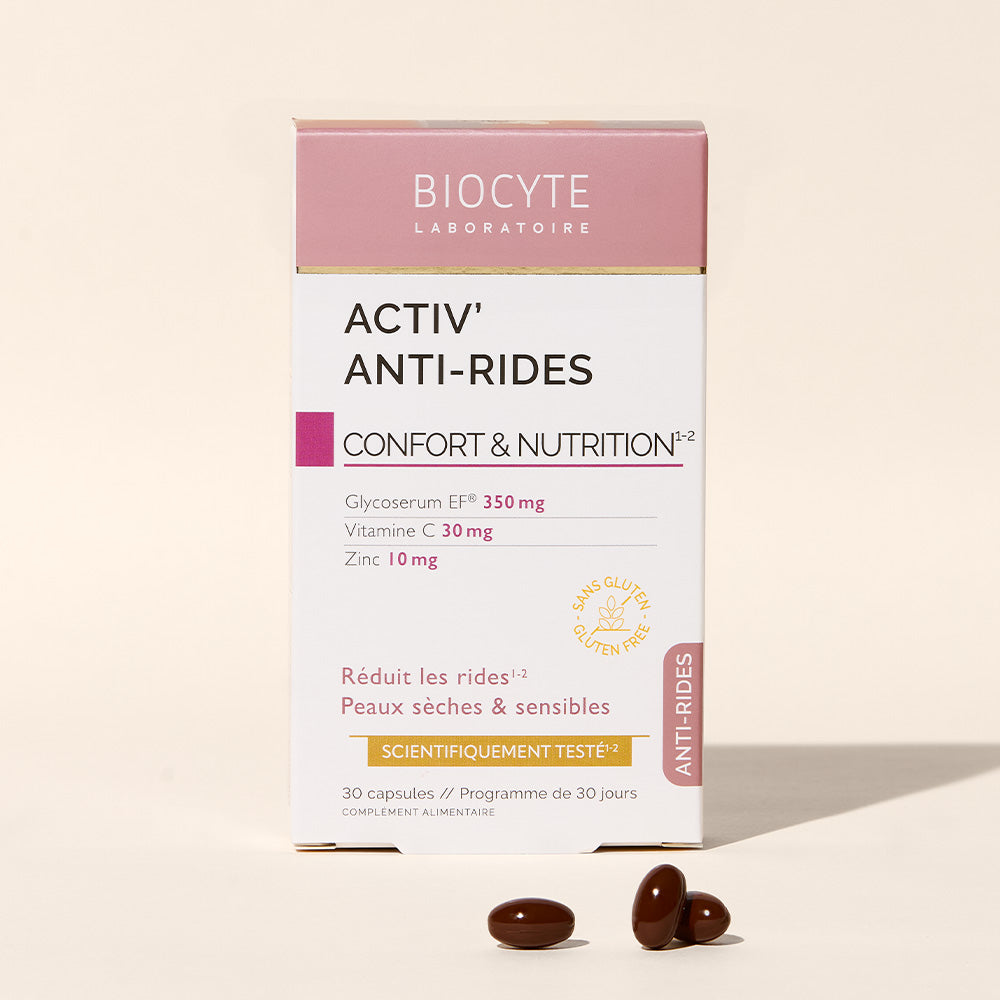
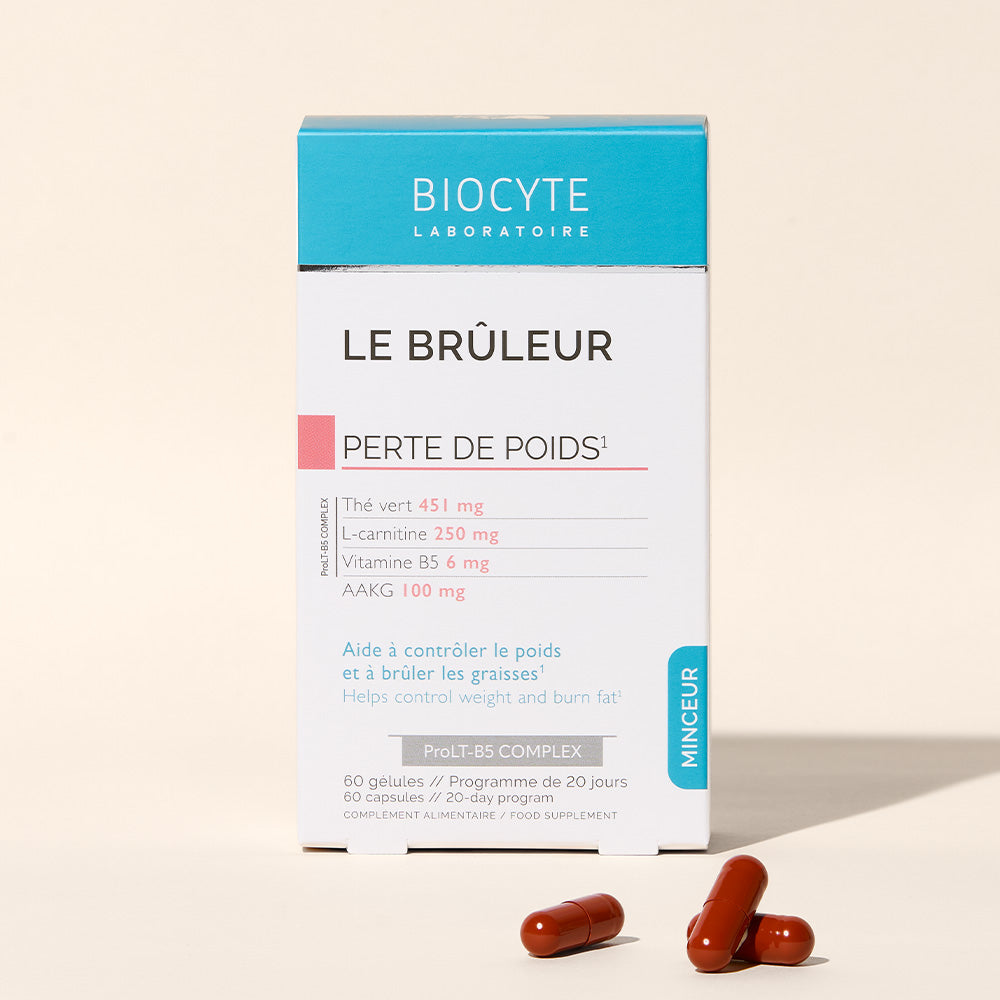
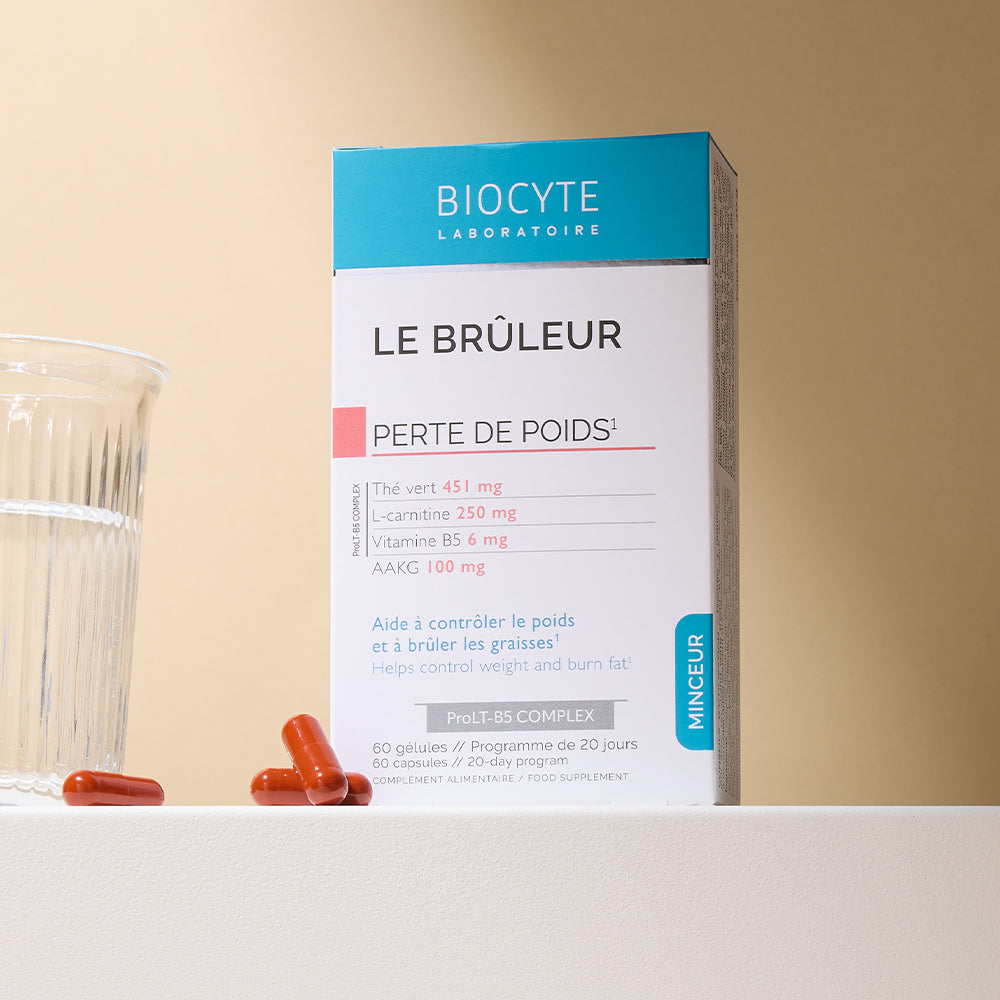
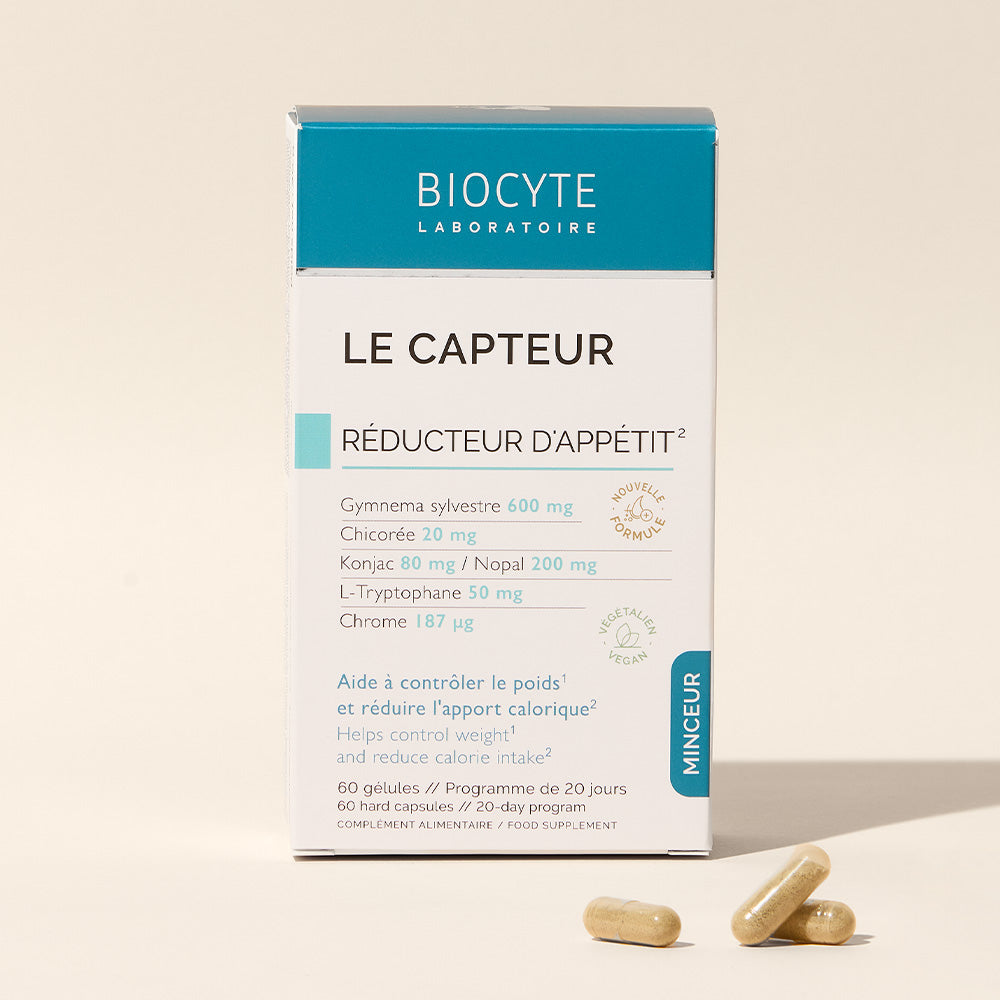
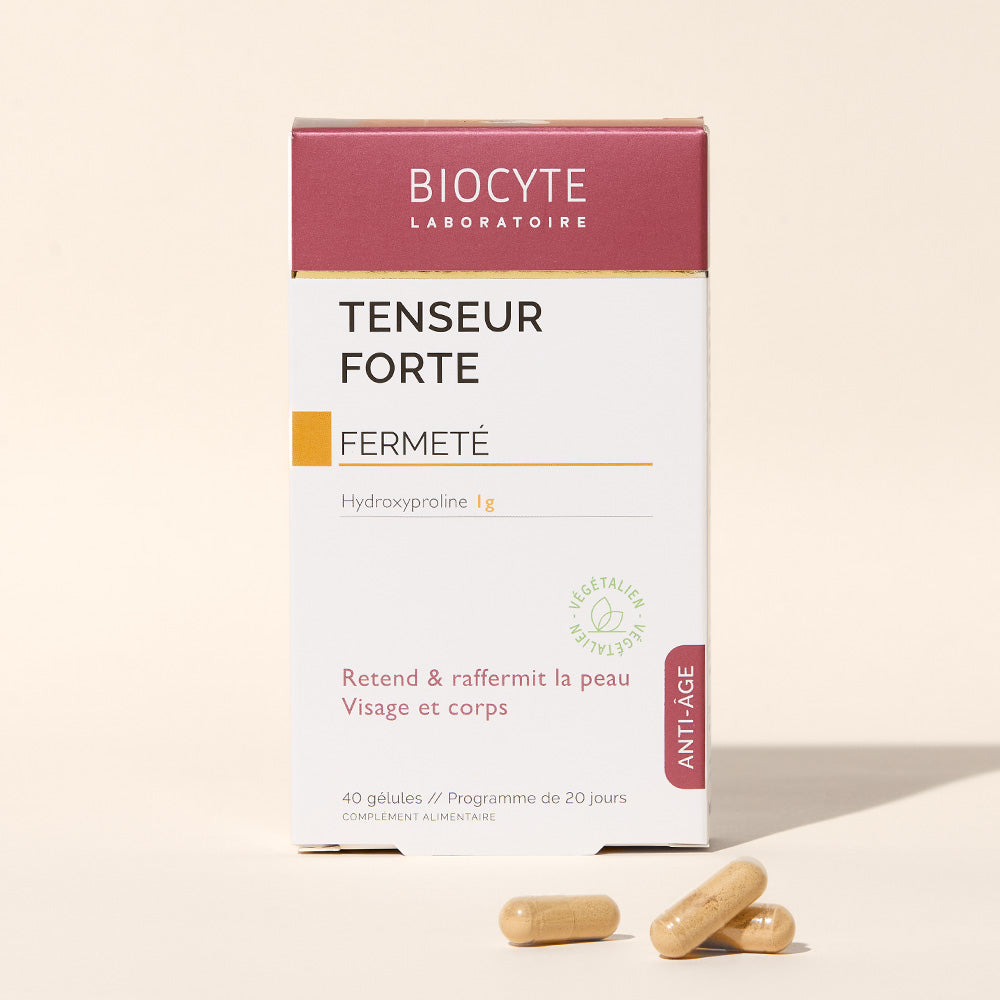
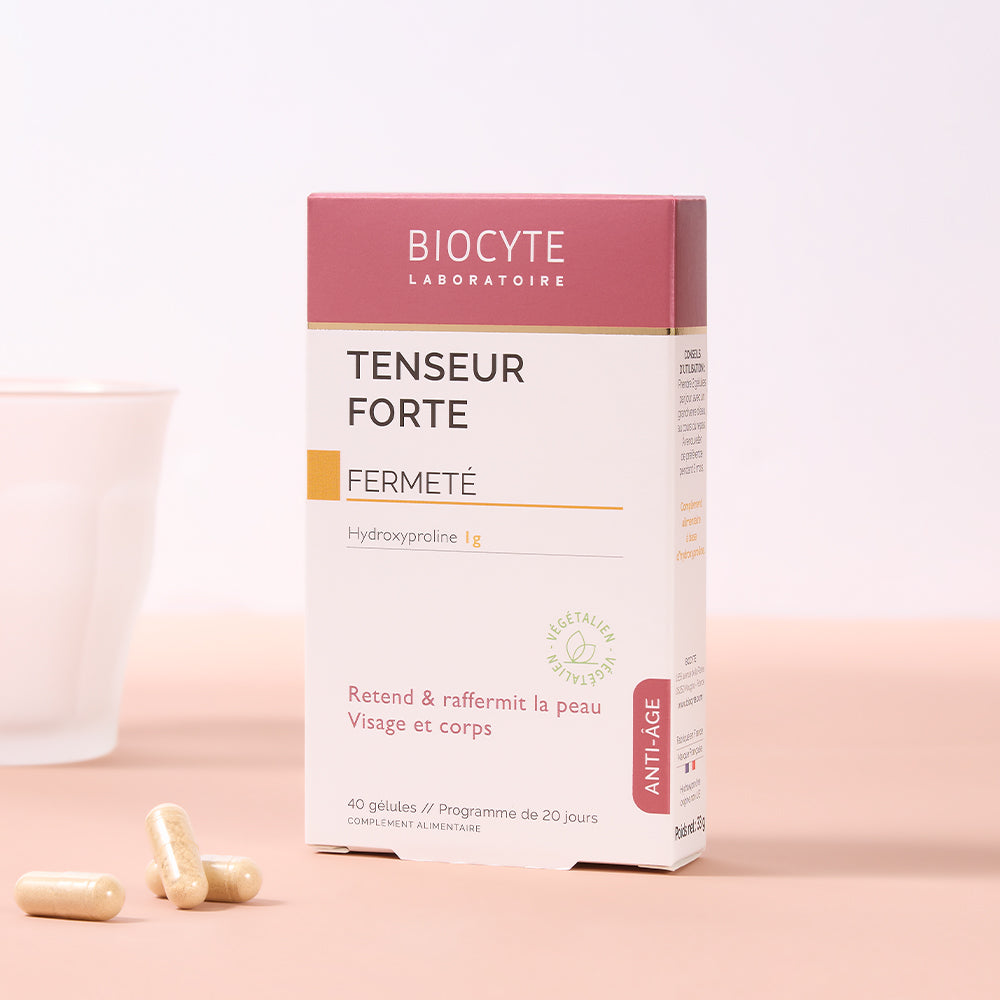
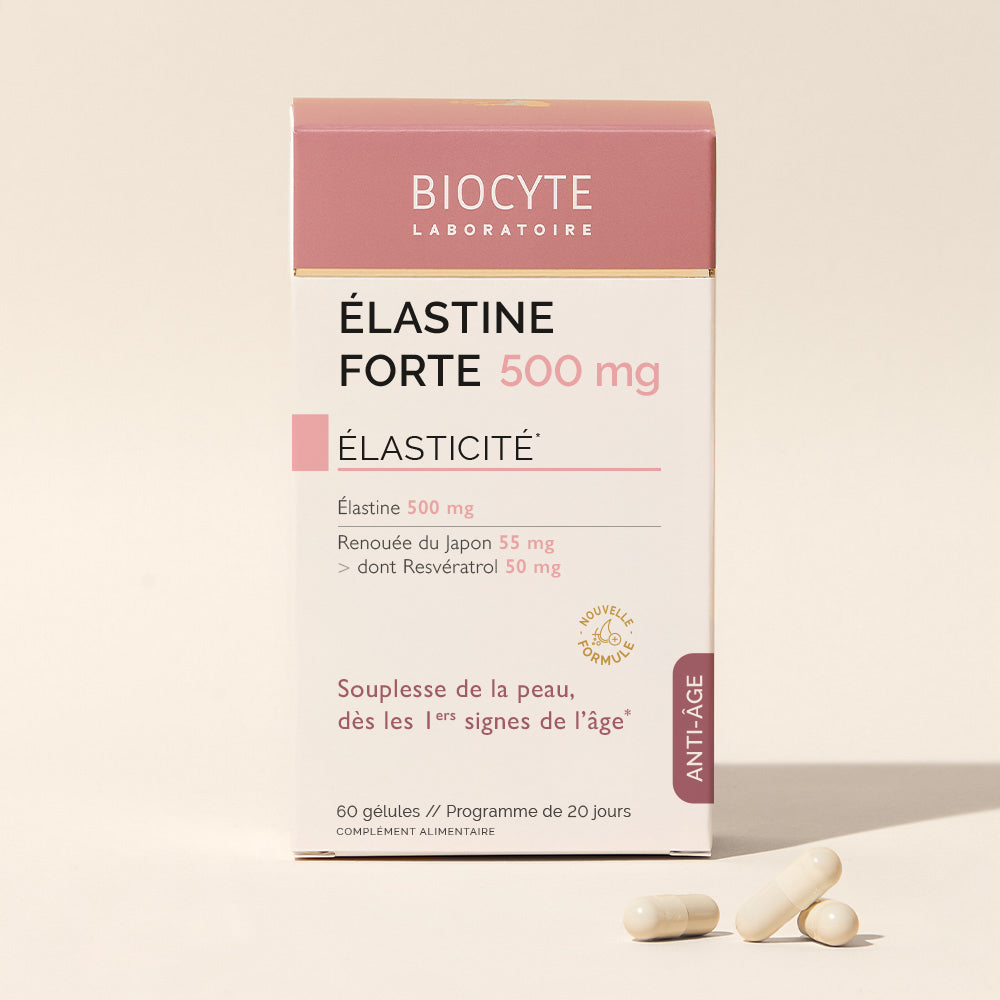
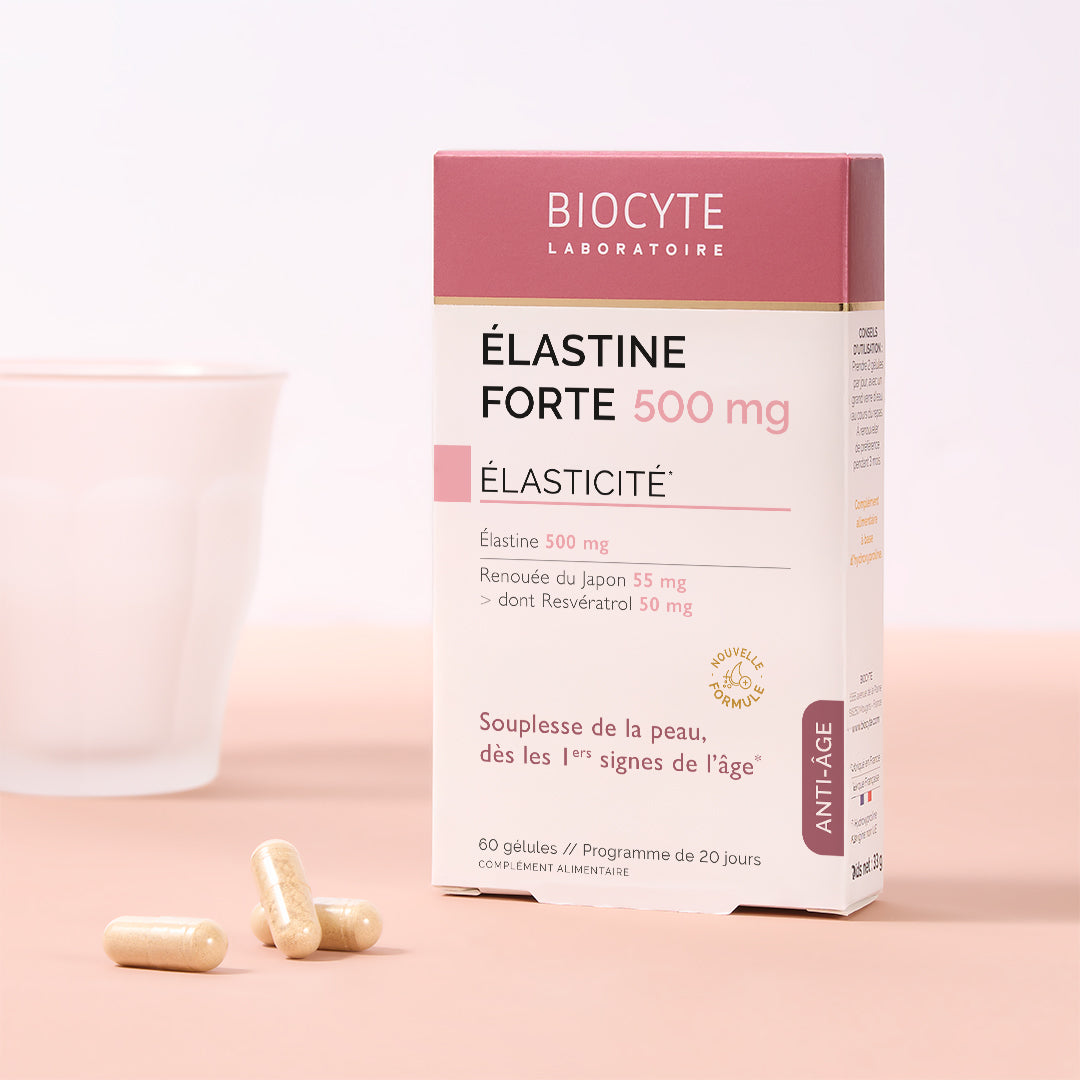
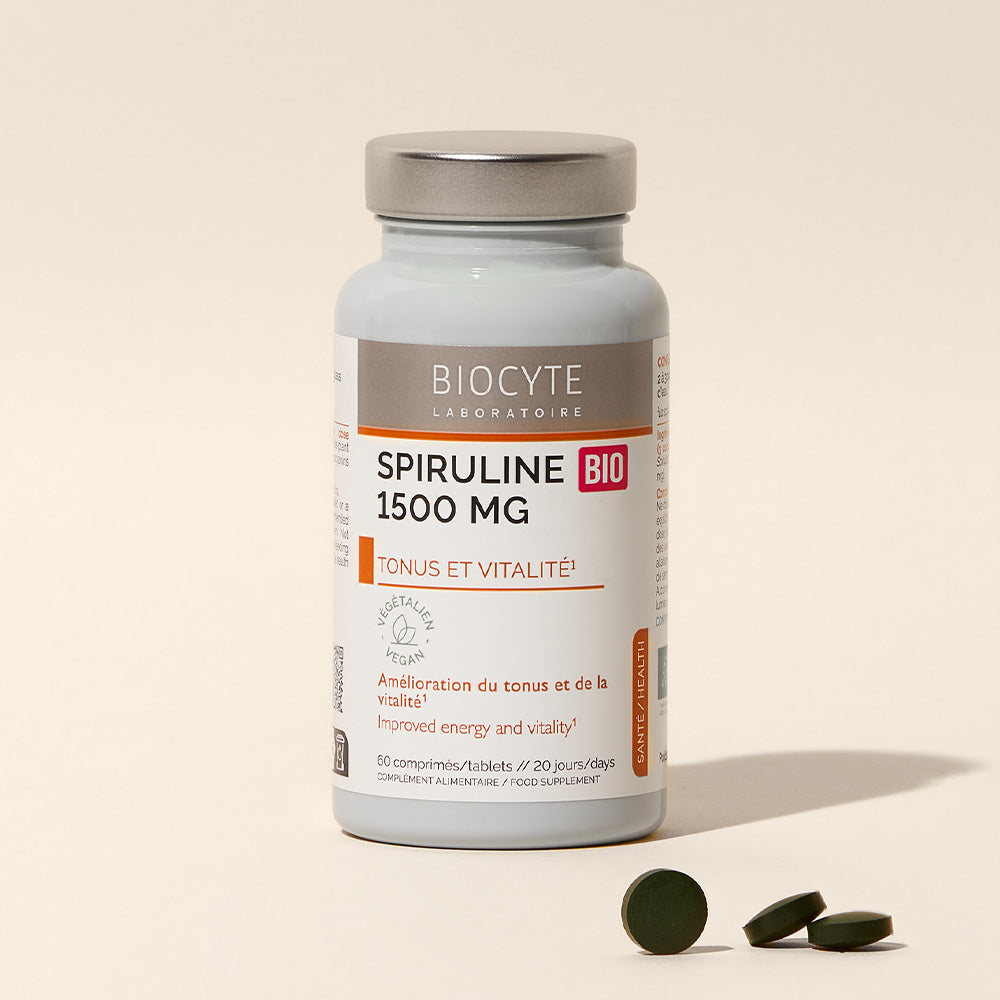
THEcapsules and tabletsThese capsules are suitable for concentrated formulas. They offer good stability and precise dosing, useful for combinations such as vitamins and minerals (e.g., magnesium, zinc). The capsules also facilitate targeted routines (skin, energy, immunity) without adding extra flavor.
Gummies
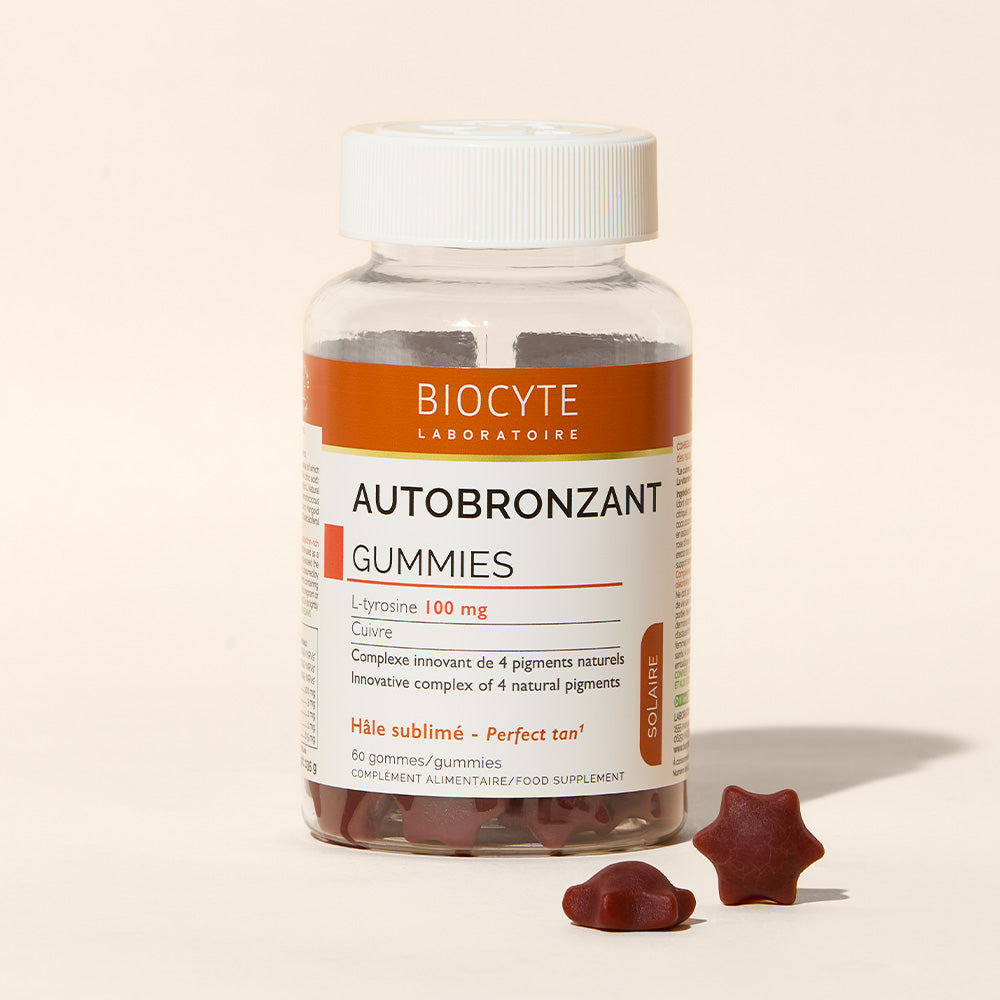
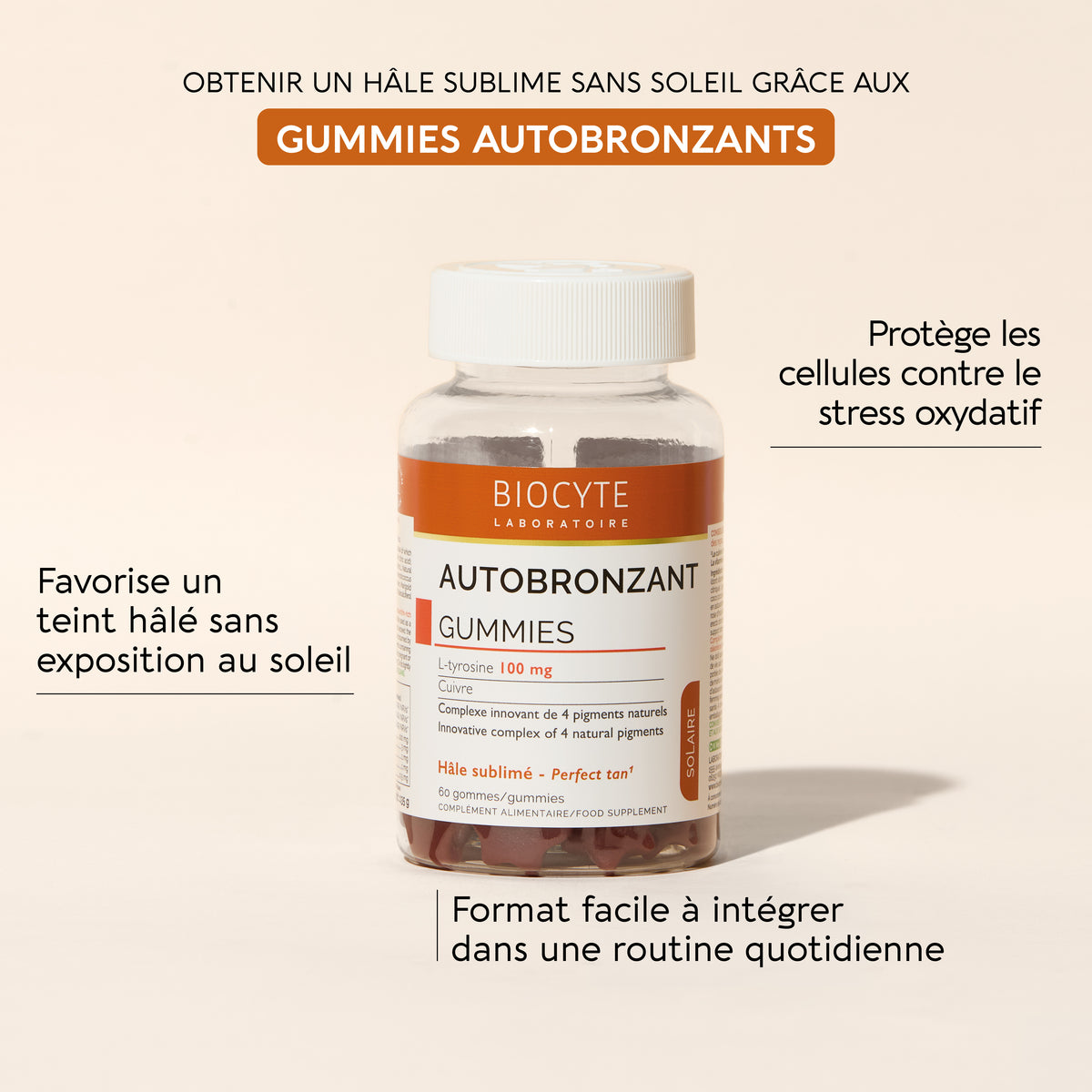
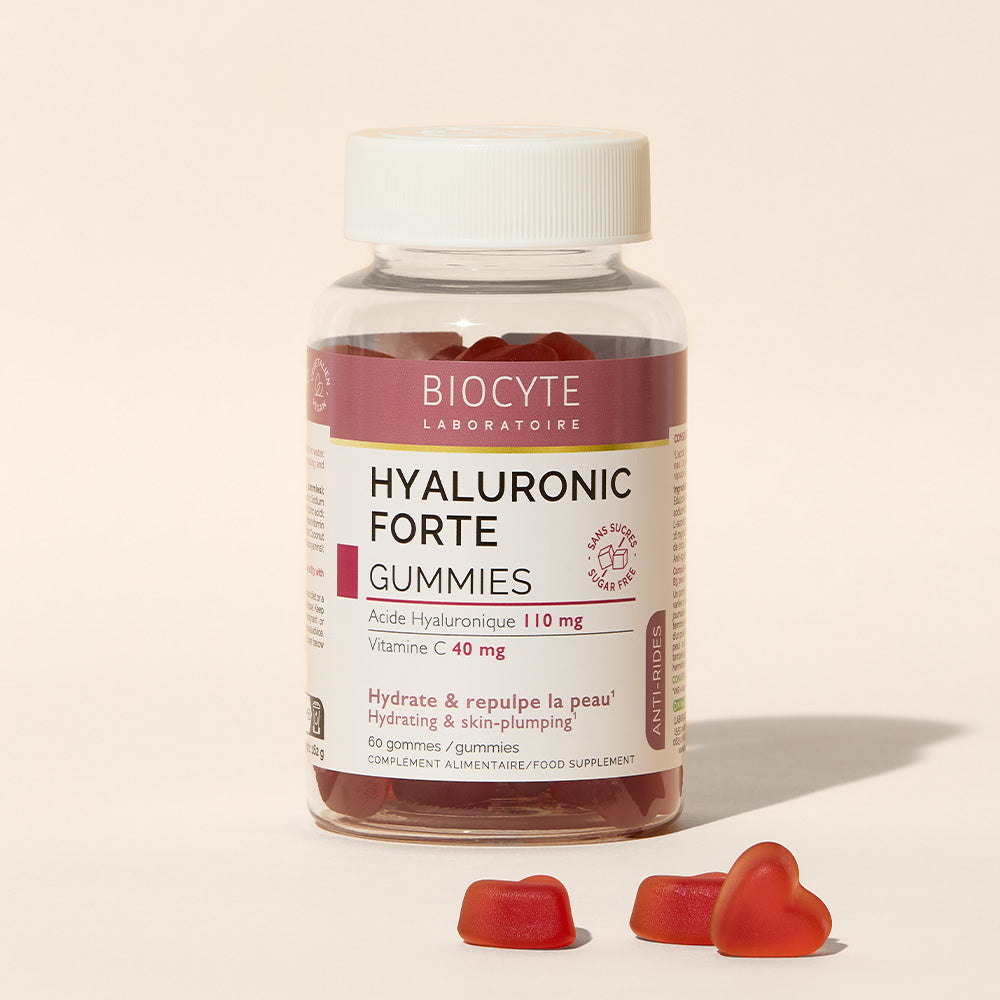
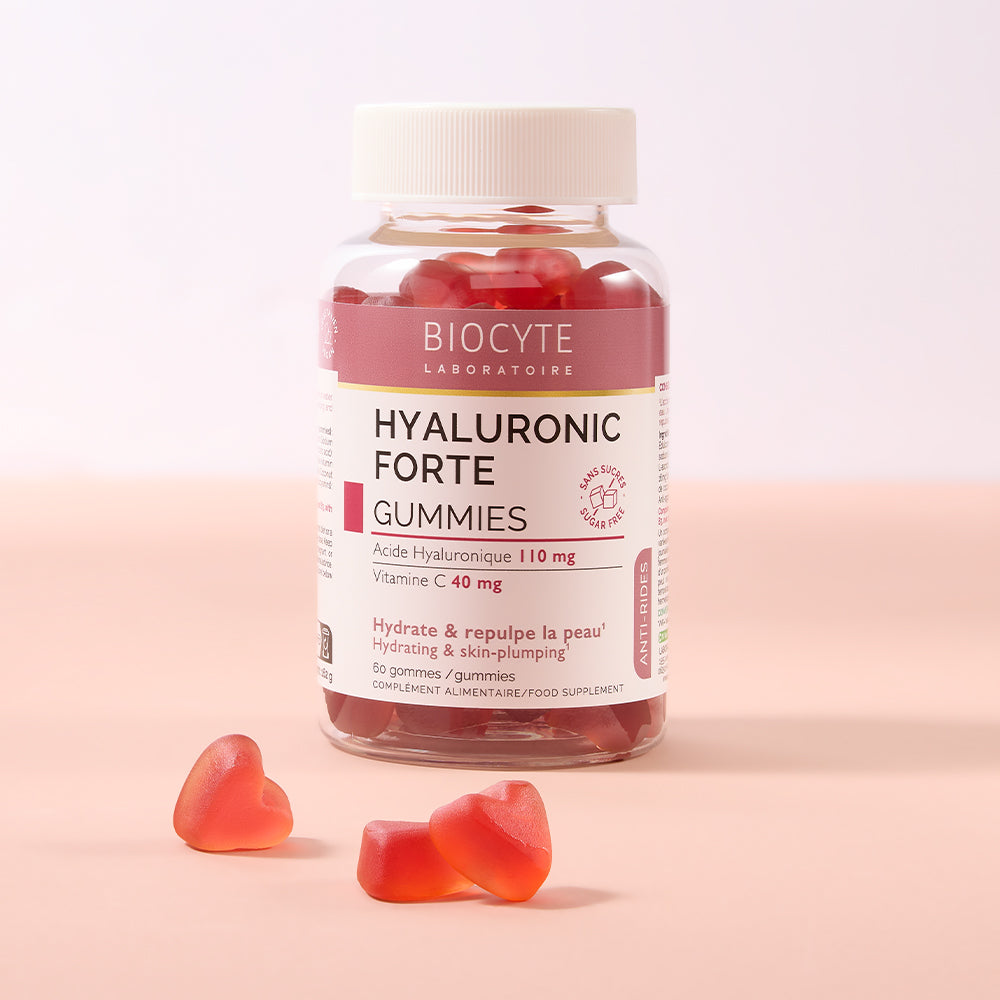
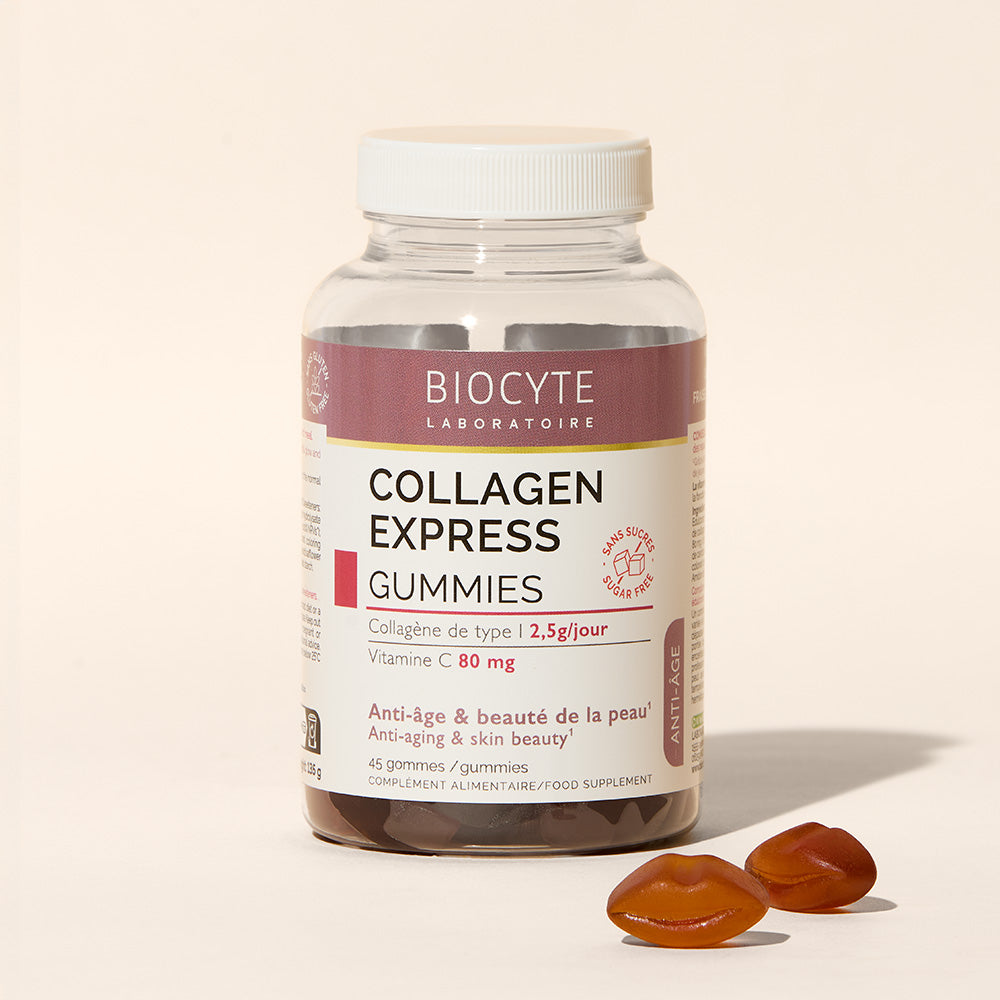
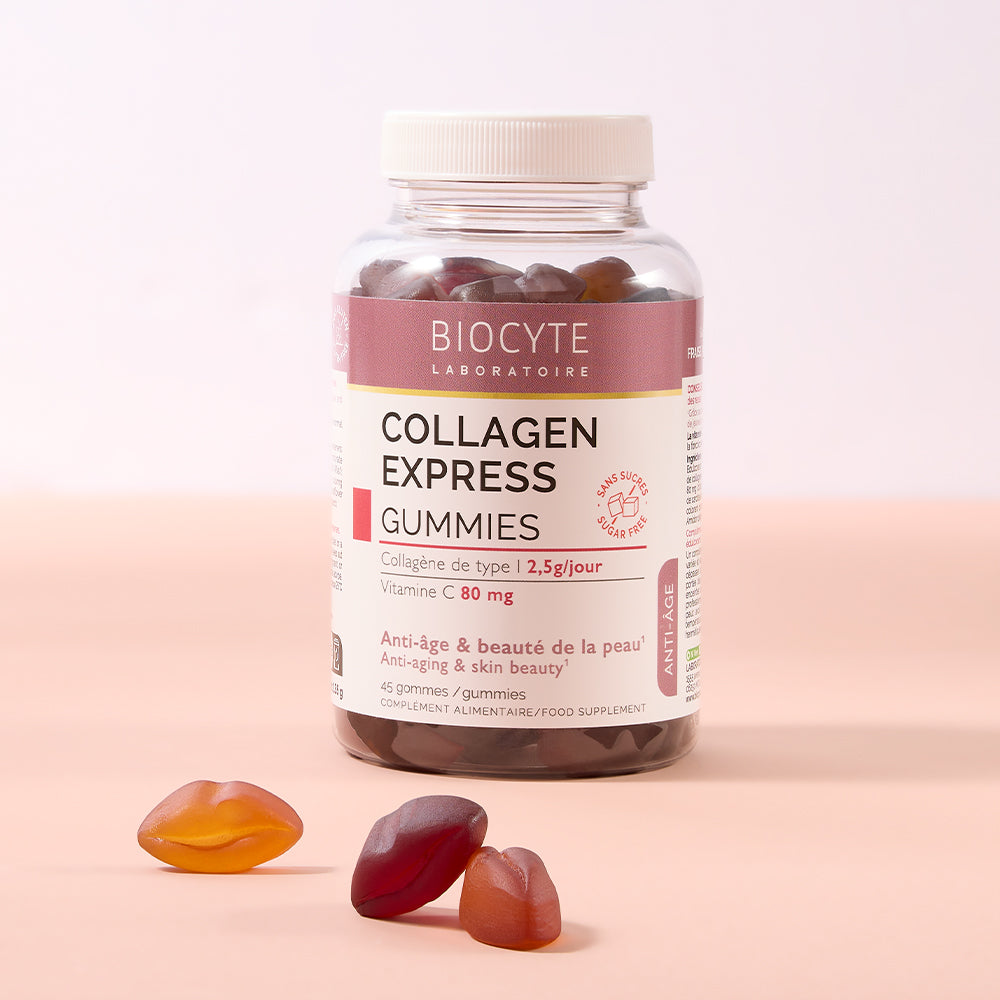
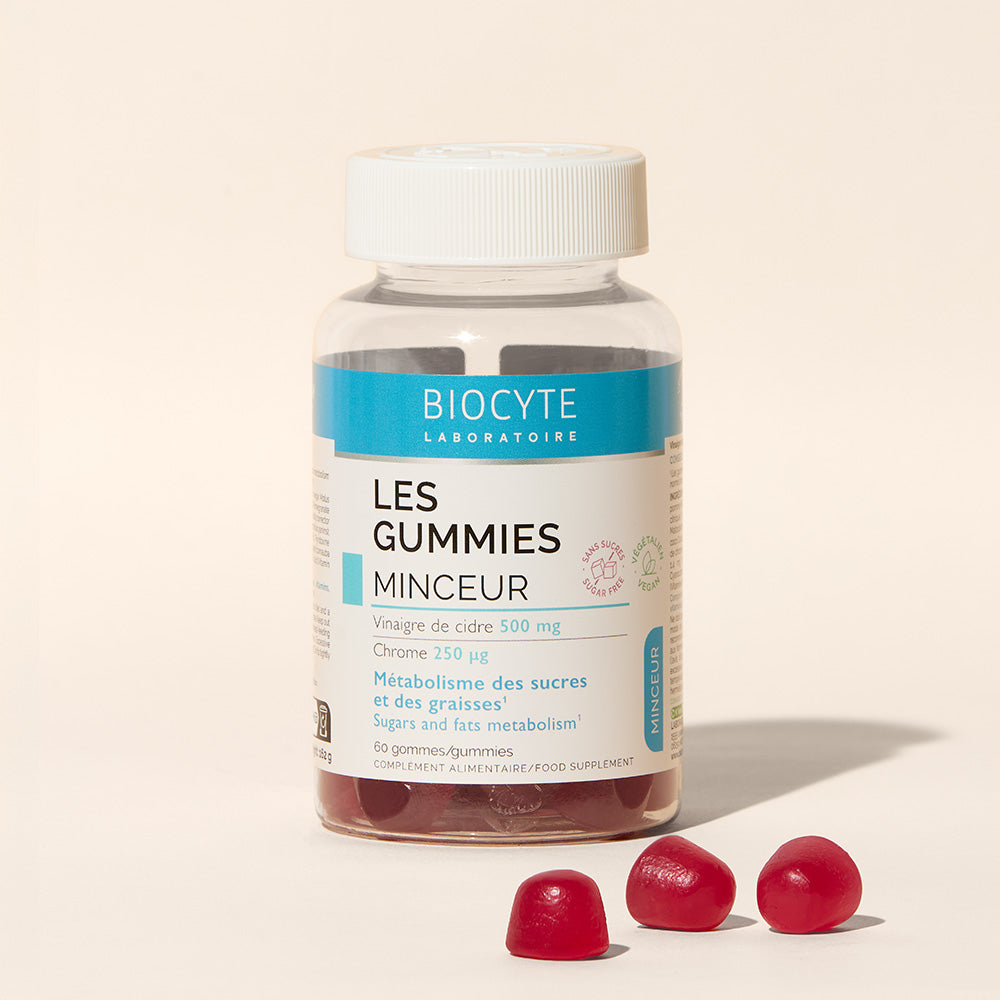
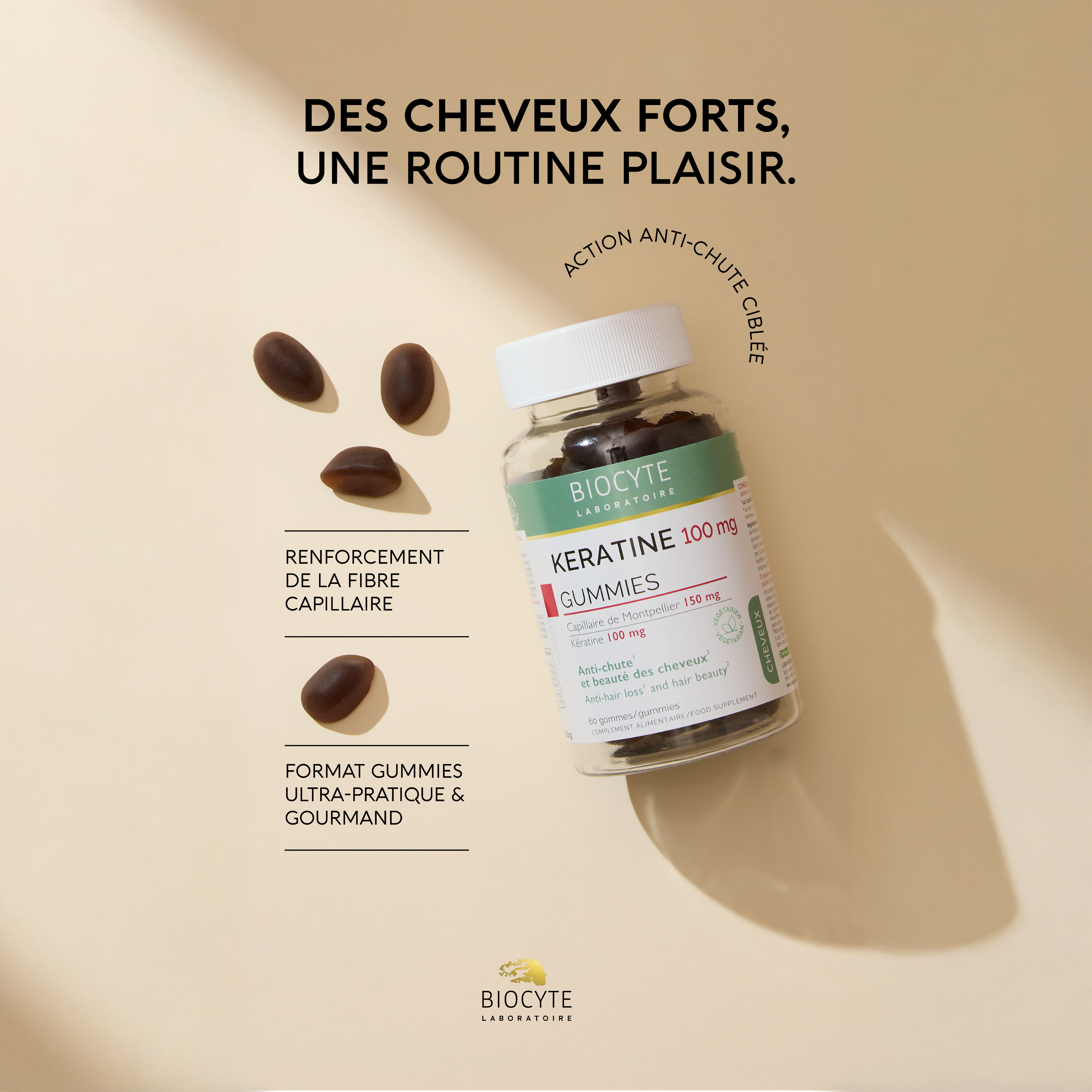
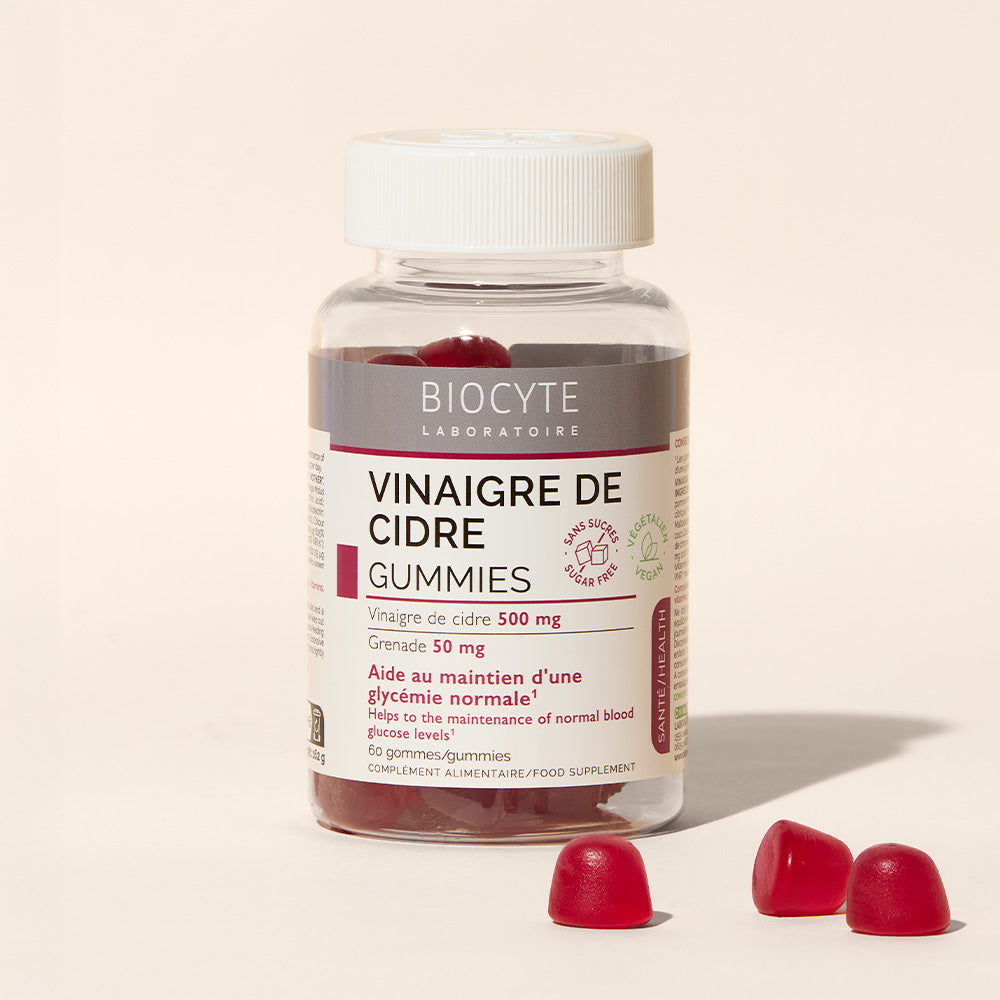
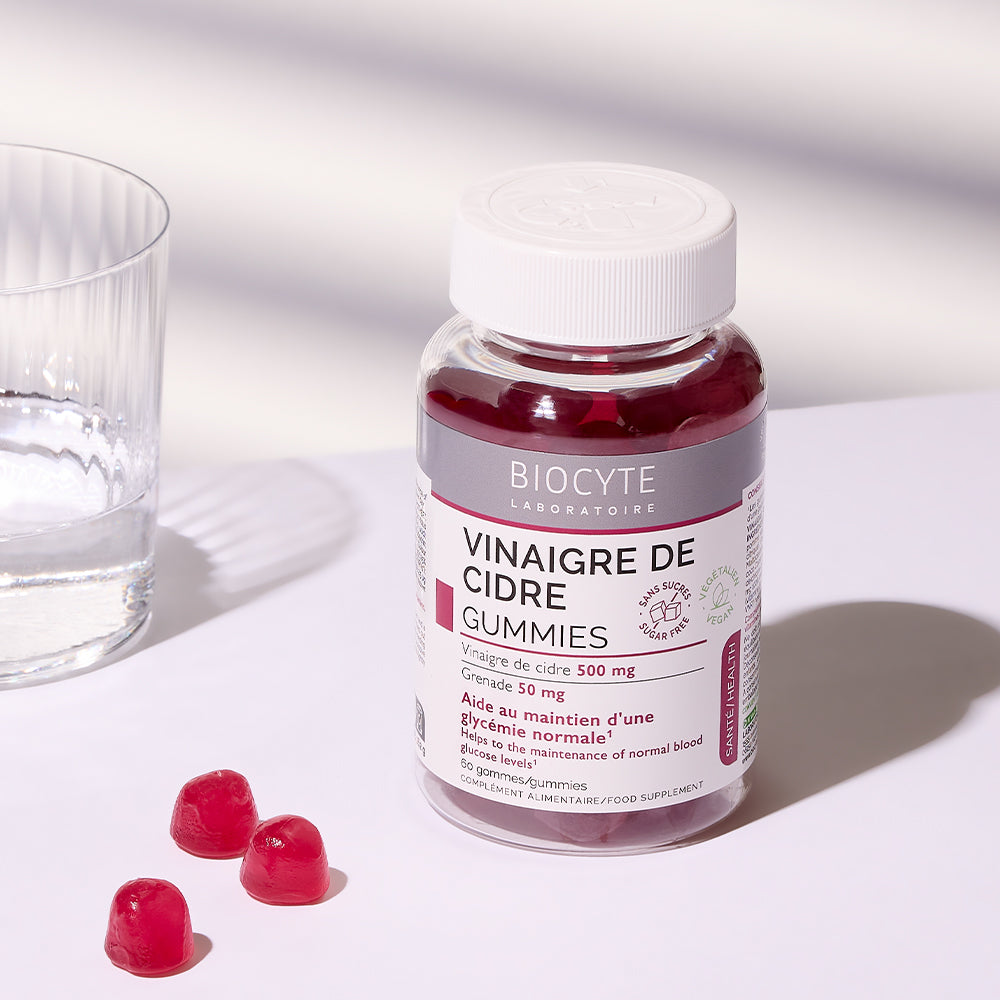
THEgummiesThey are appealing because of their practicality. The key point is the concentration of active ingredients: some formulas are more focused on ease of use than potency. A careful reading of the ingredient list is essential, particularly to ensure a sufficient presence of vitamins and that the formula is consistent with the intended purpose.
Powders
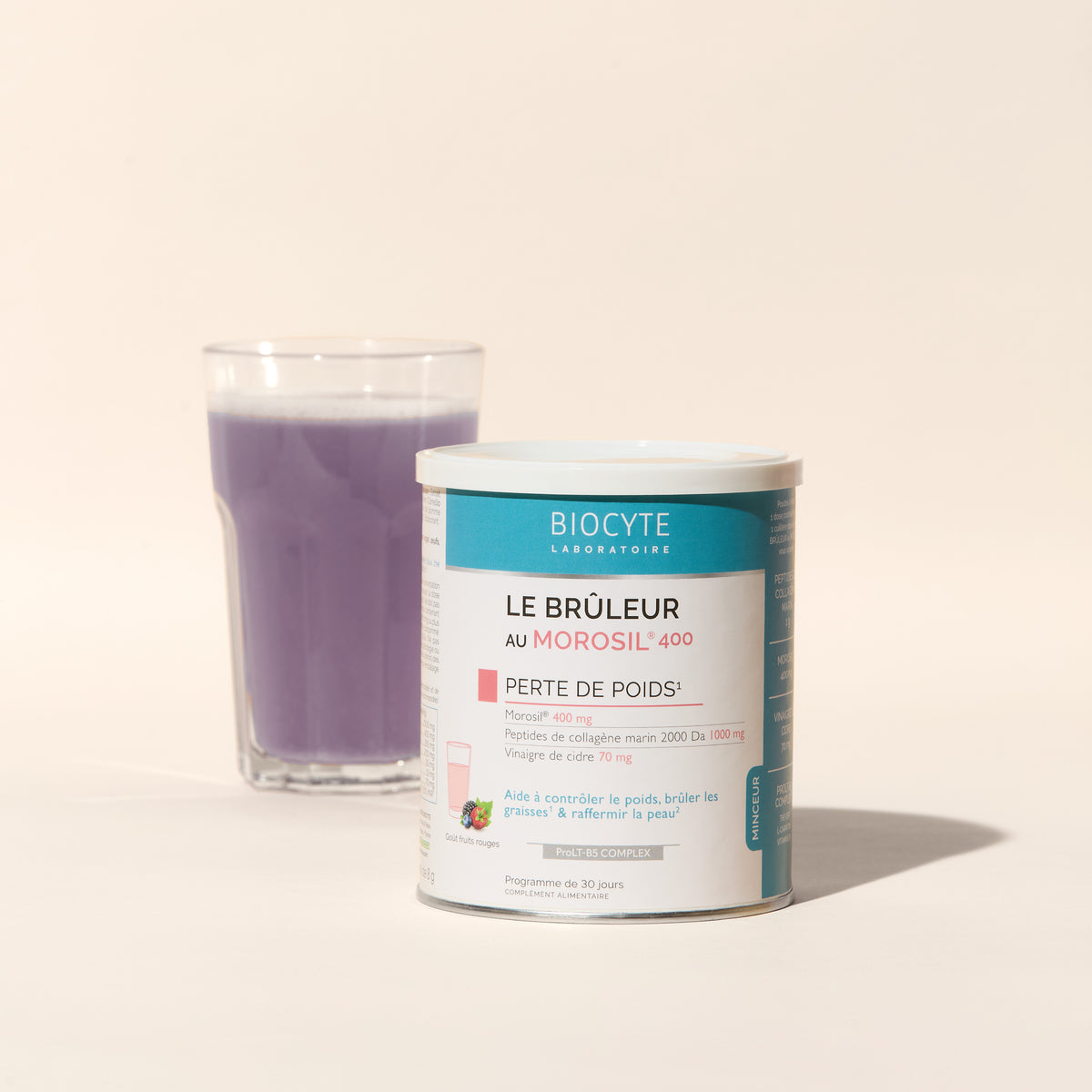
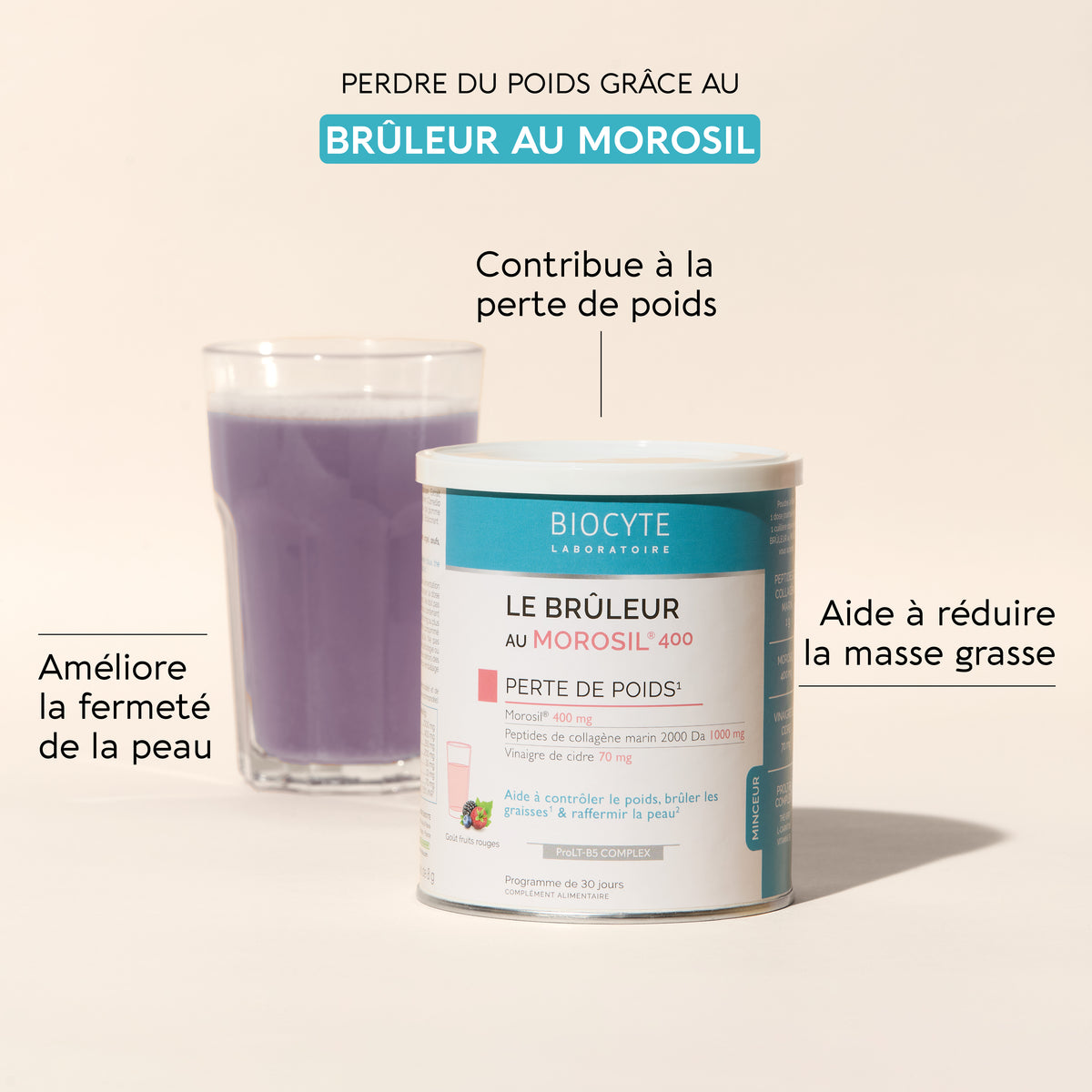
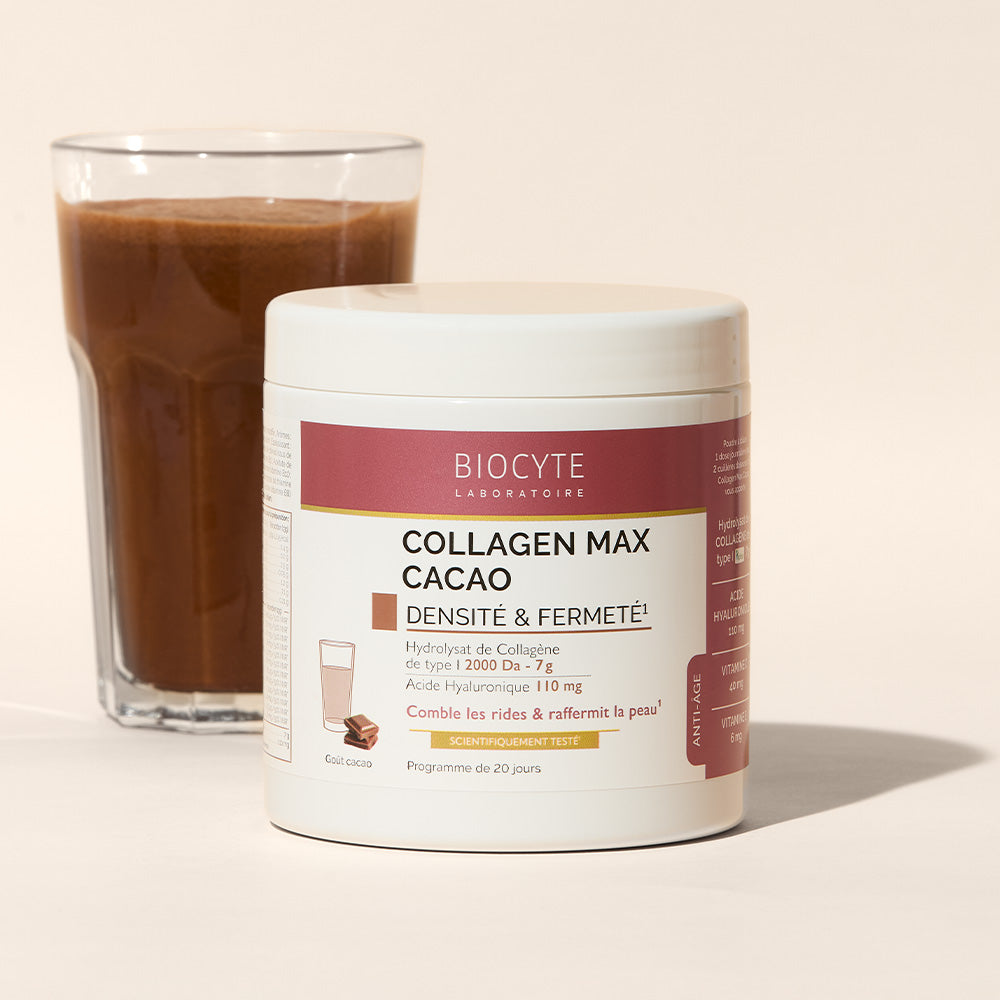
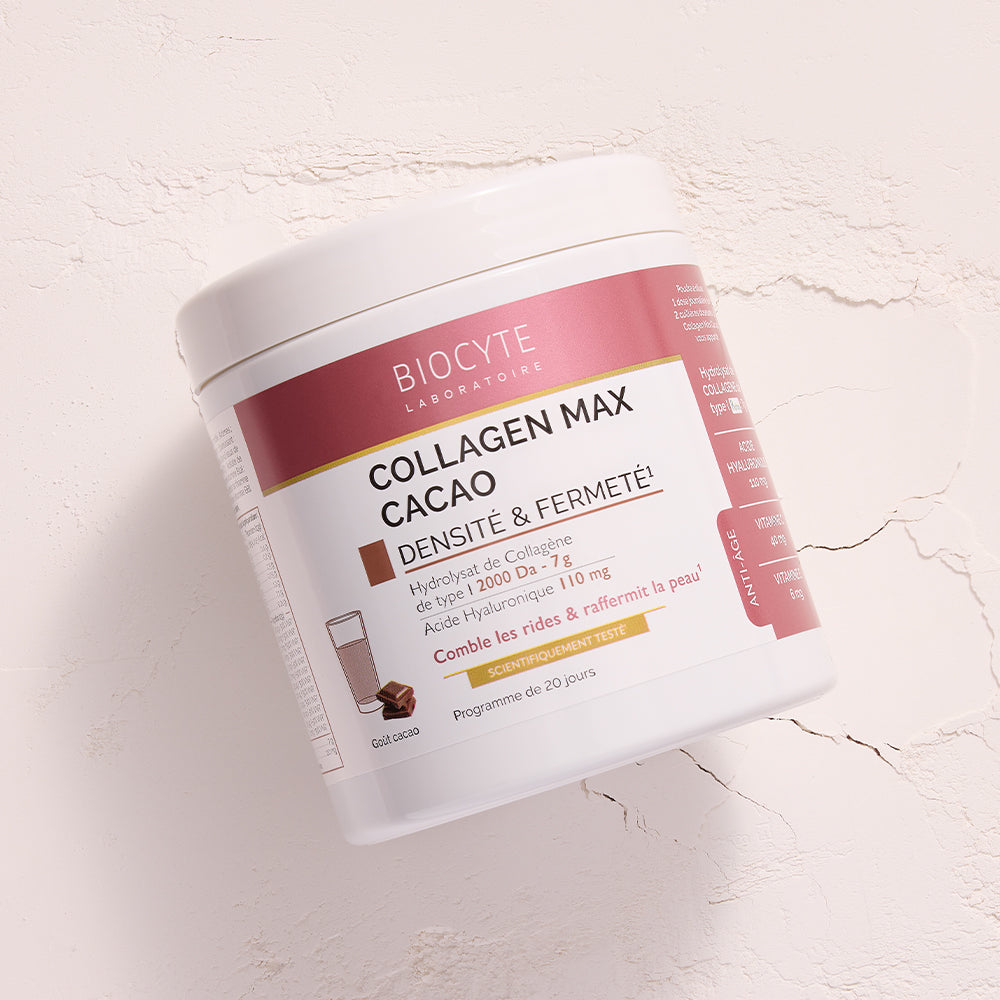
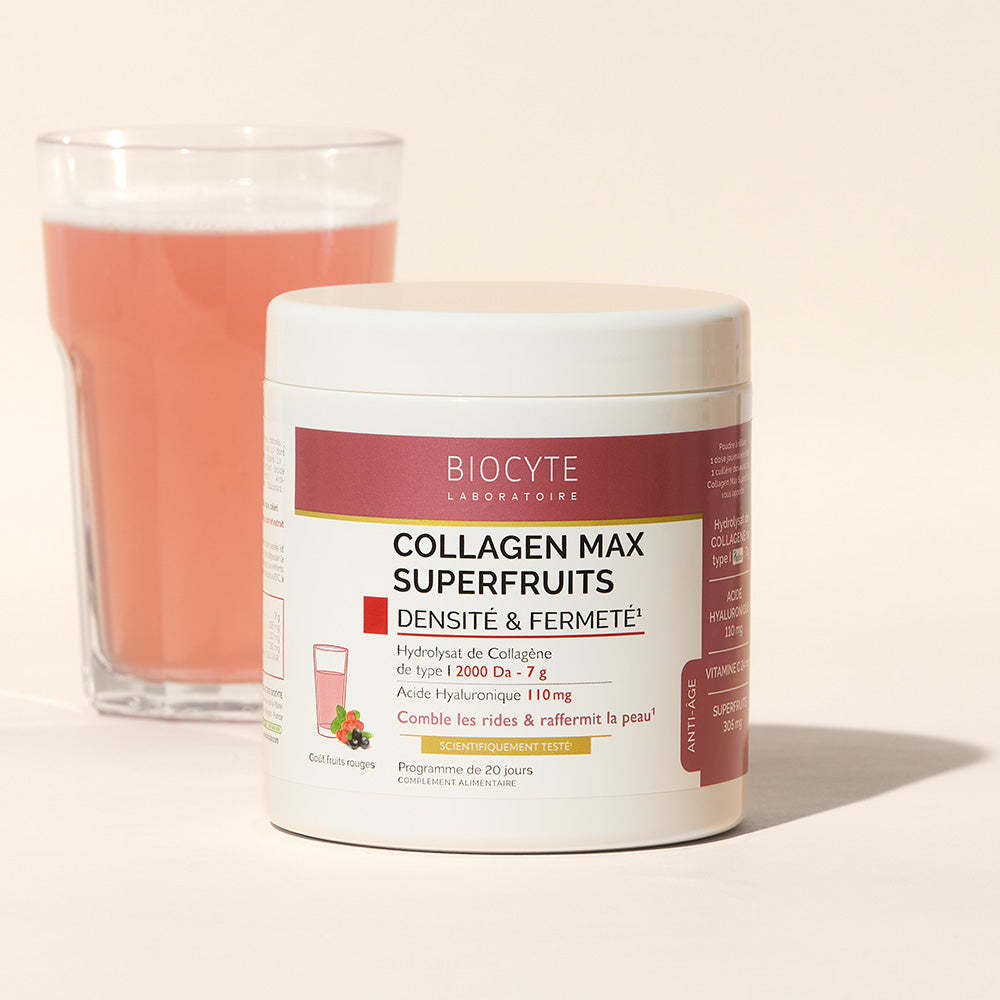
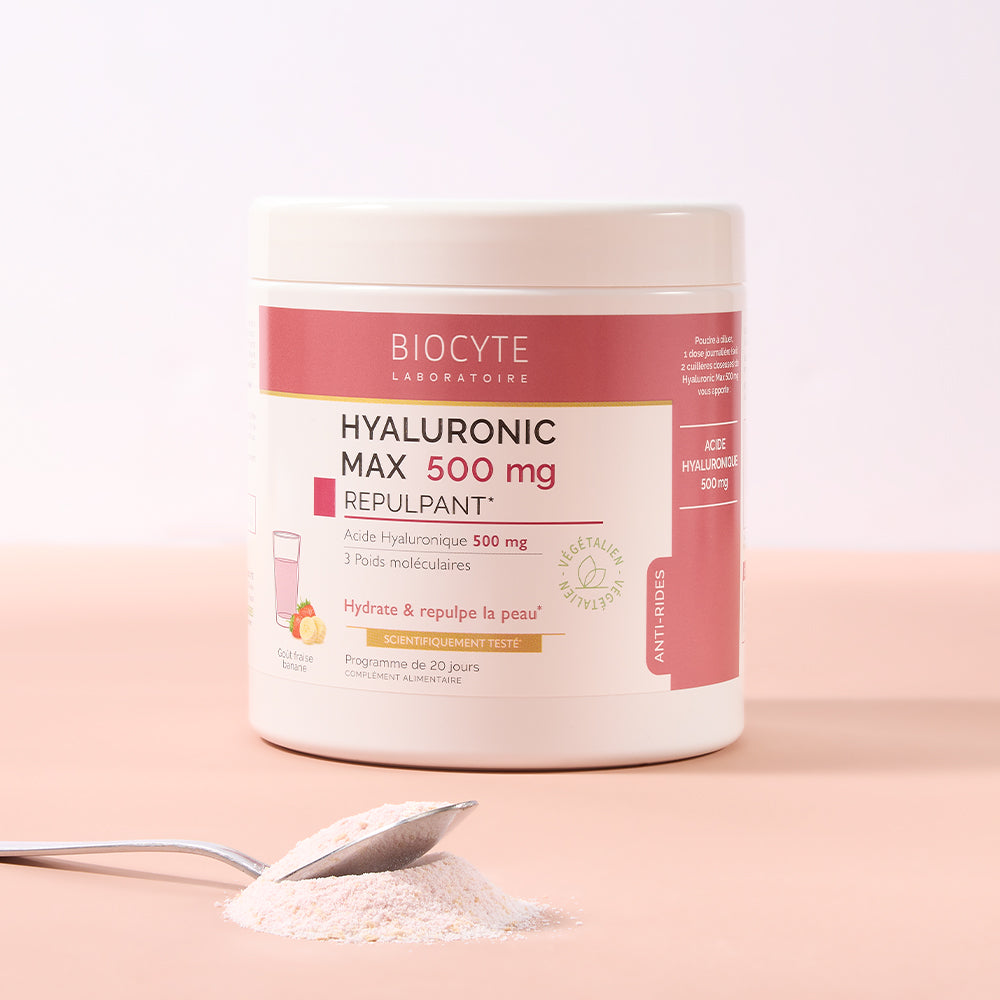
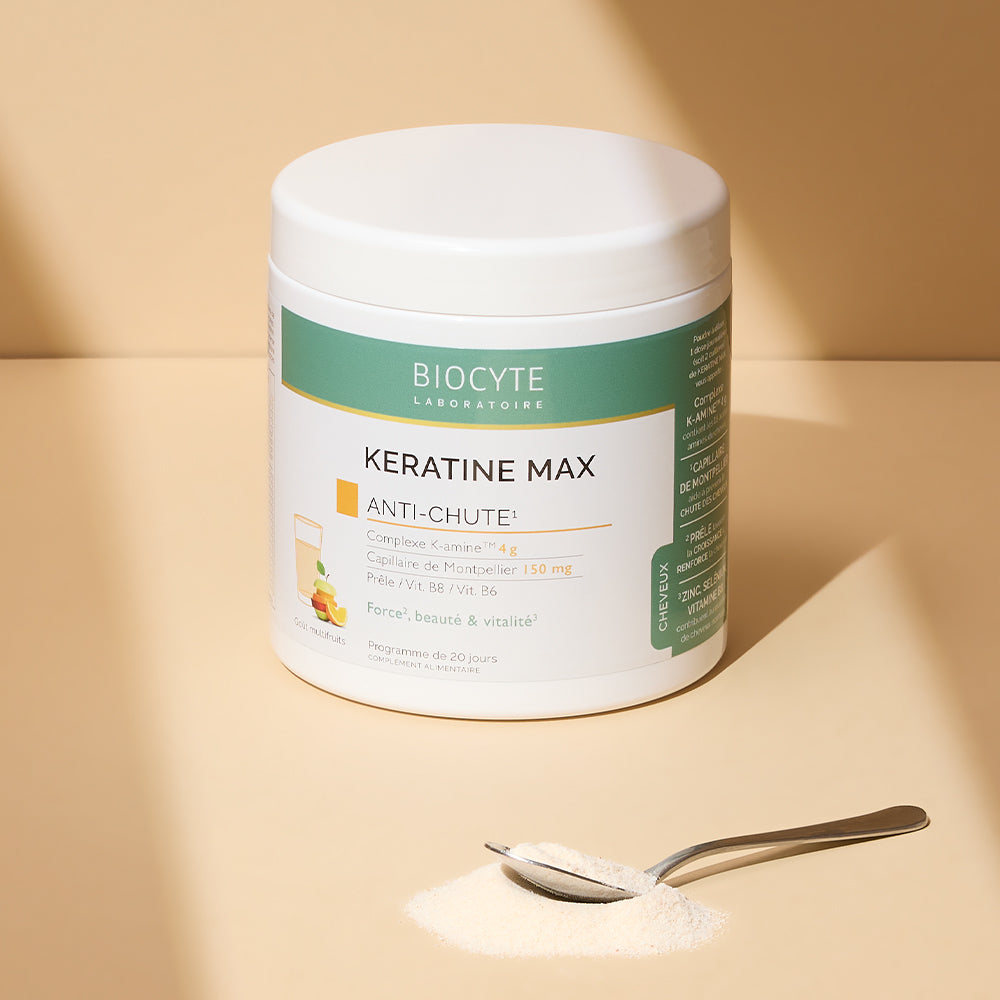
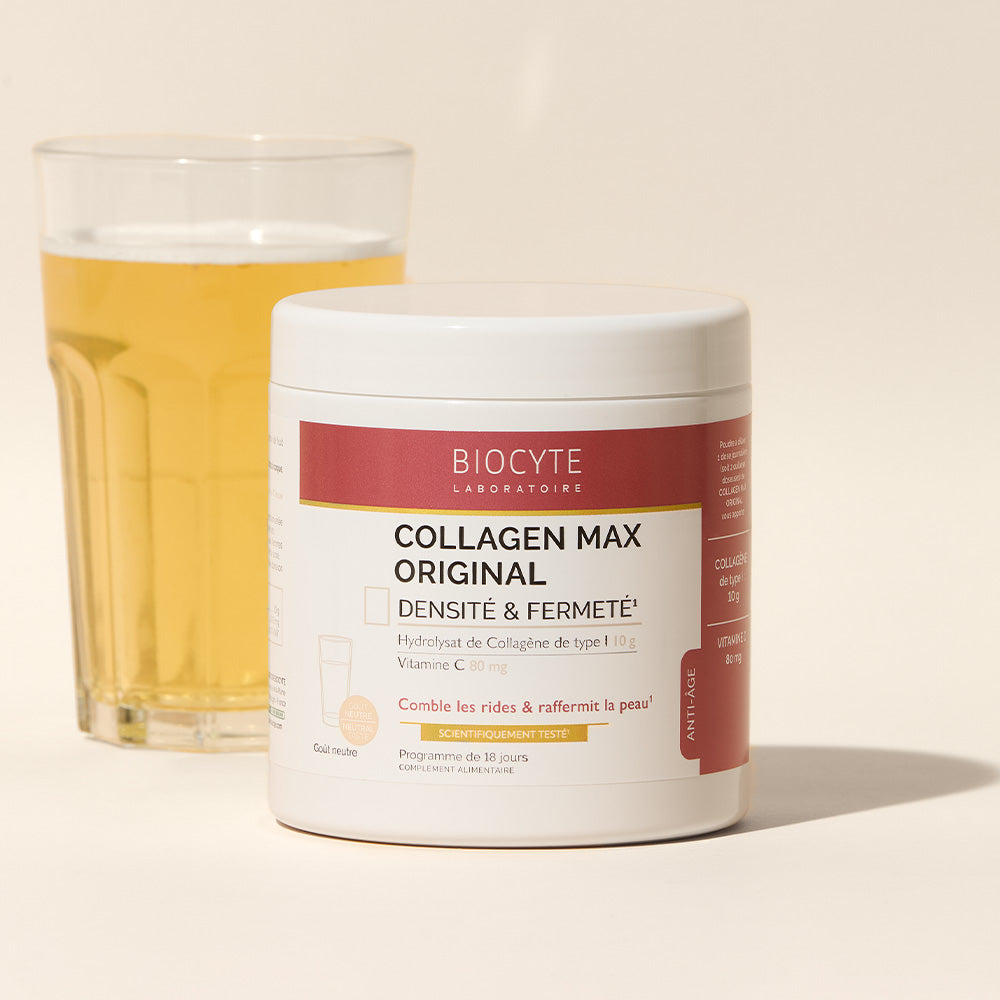
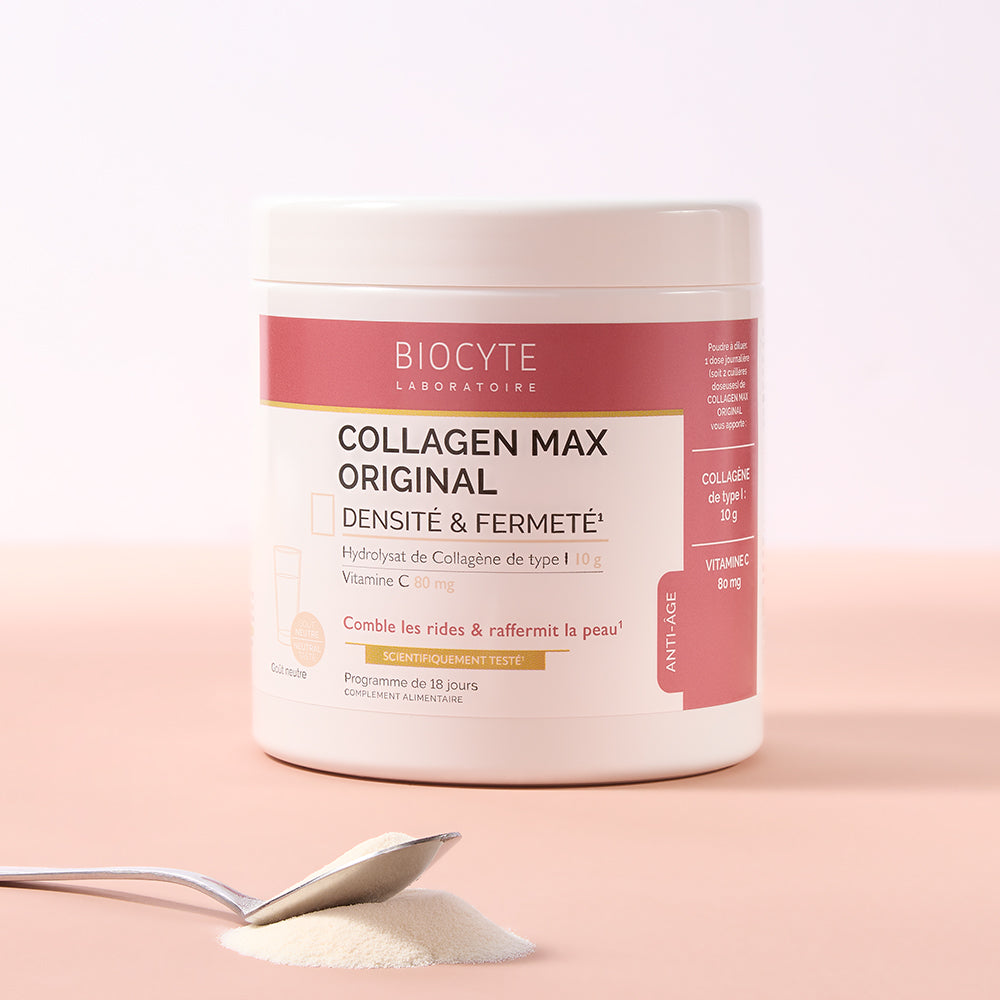
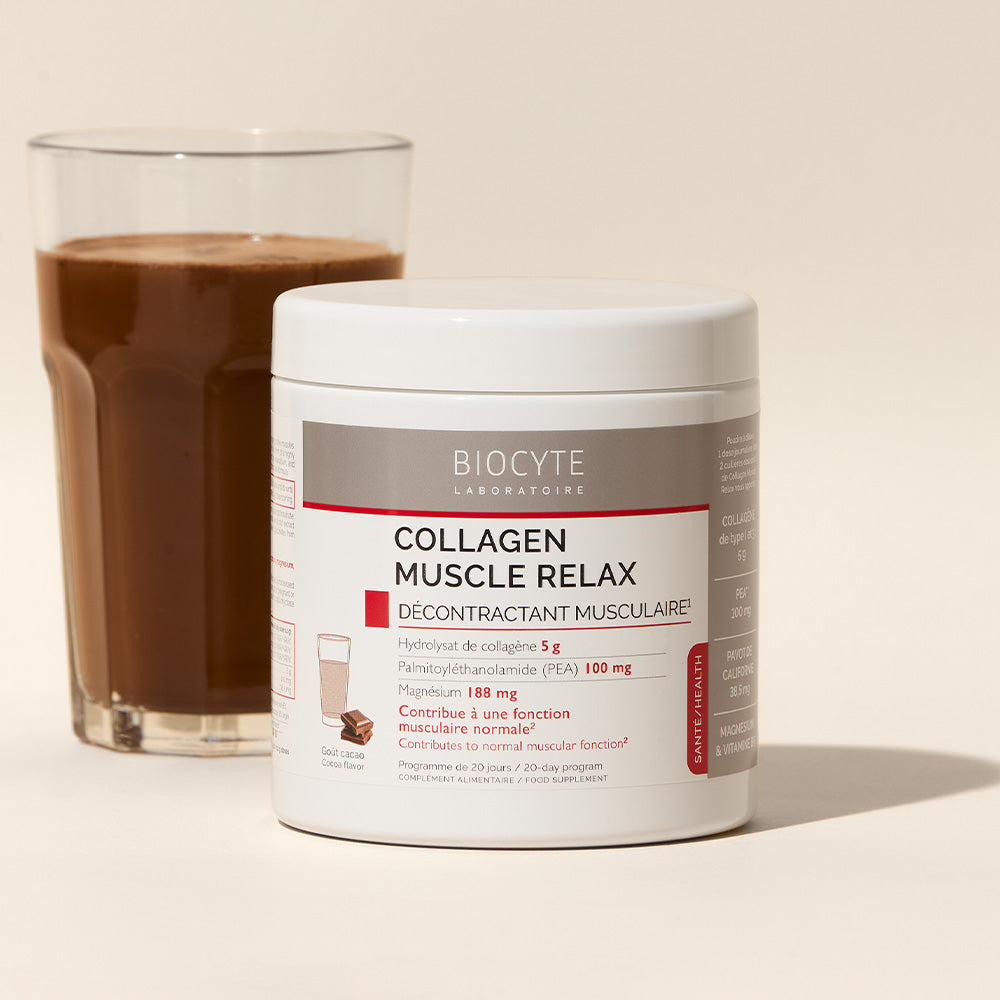
THEpowdersThey allow for fine-tuning. They are well-suited to active ingredients that require higher quantities (for example, certain collagen peptides, including marine collagen), or to "mixable" routines. They also offer a sensory advantage: they can be incorporated into a shaker, yogurt, or other beverage.
Liquids
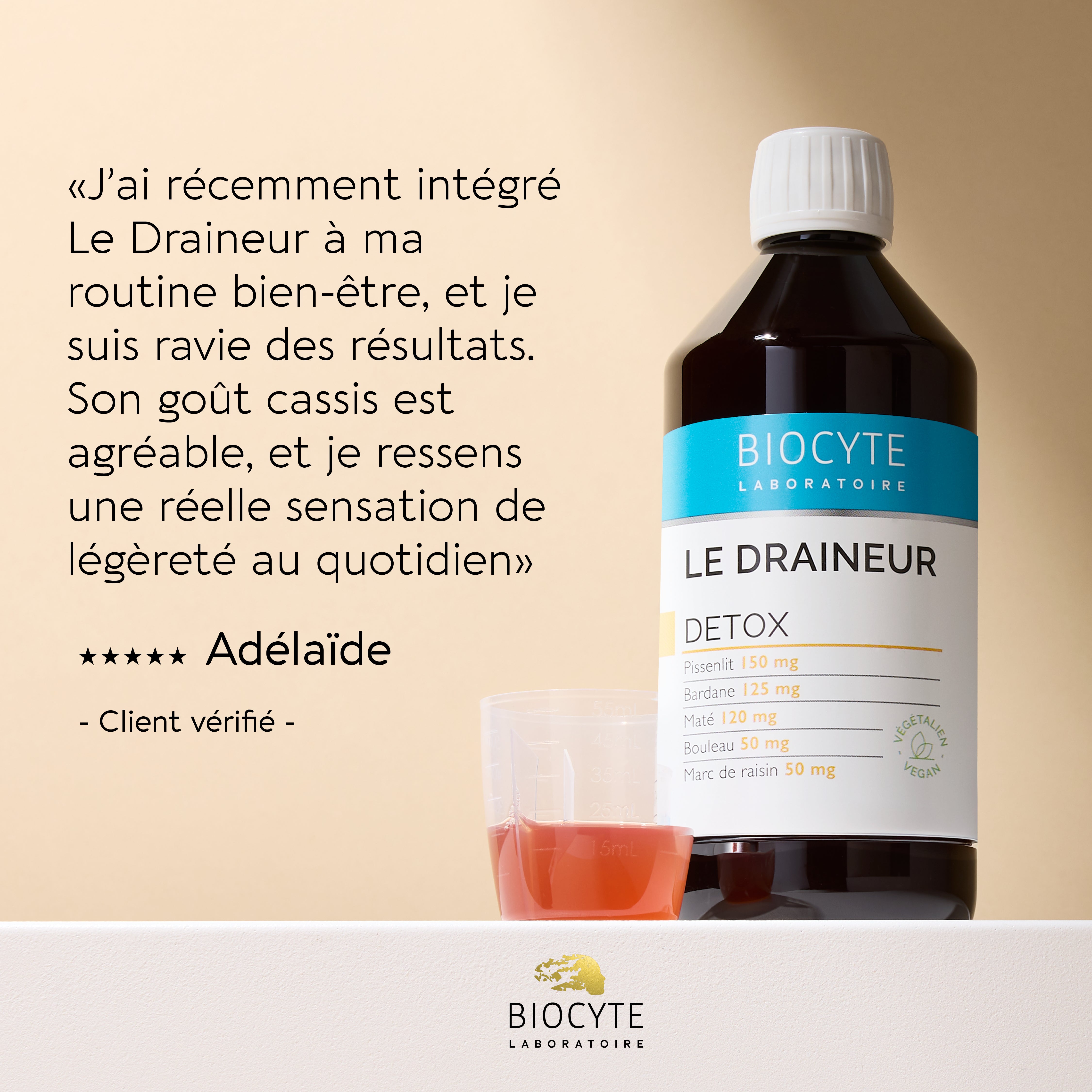
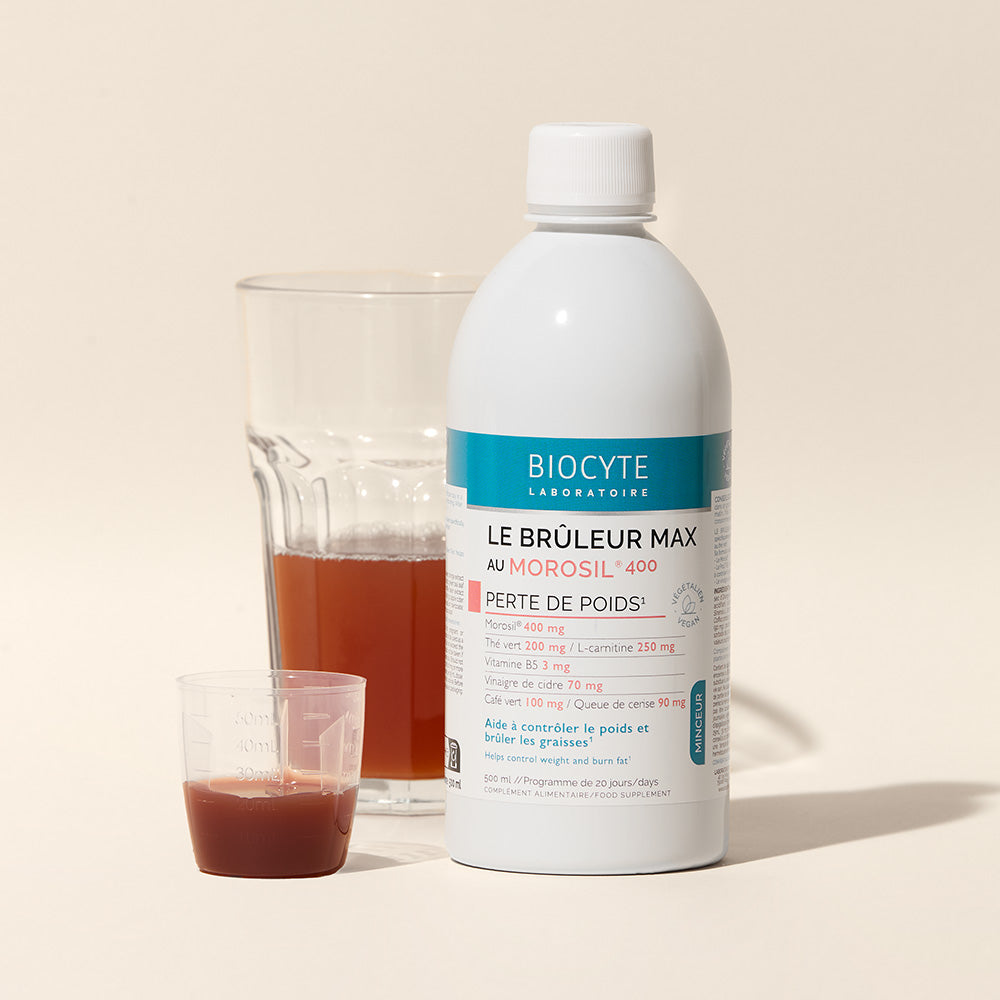
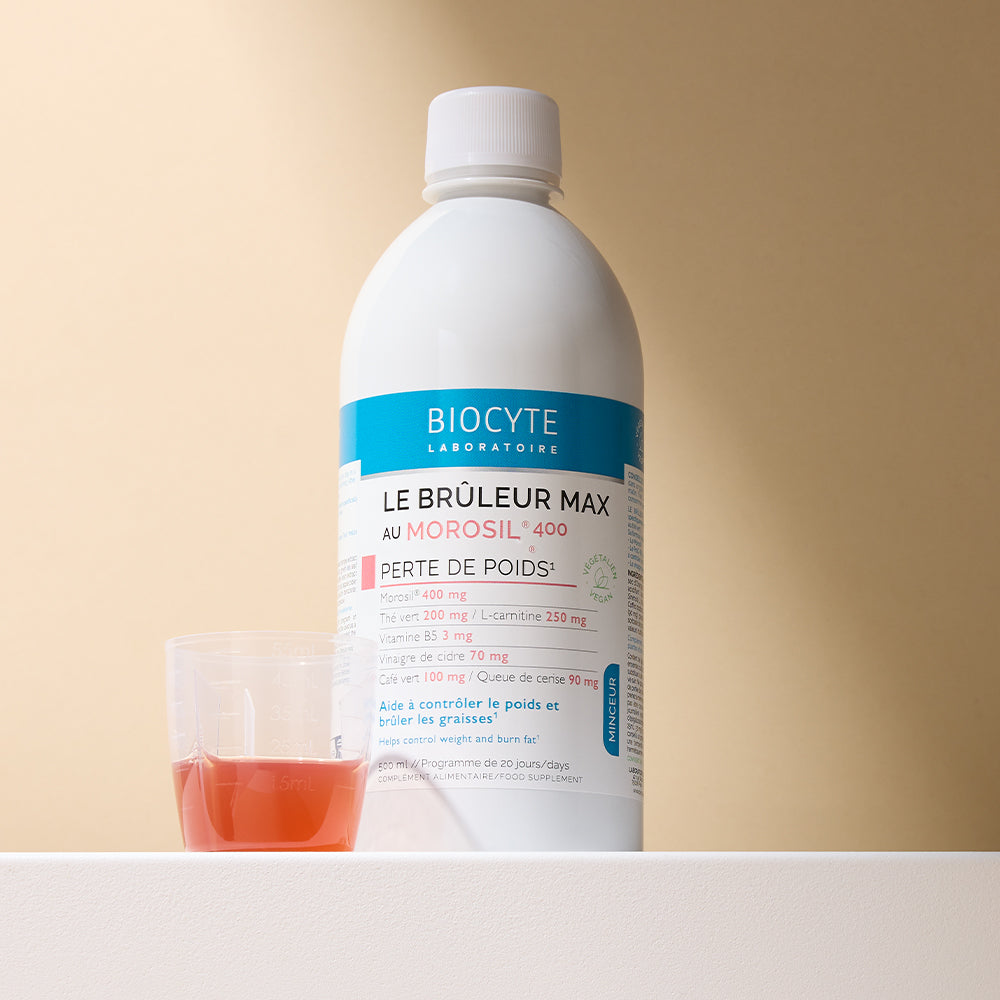
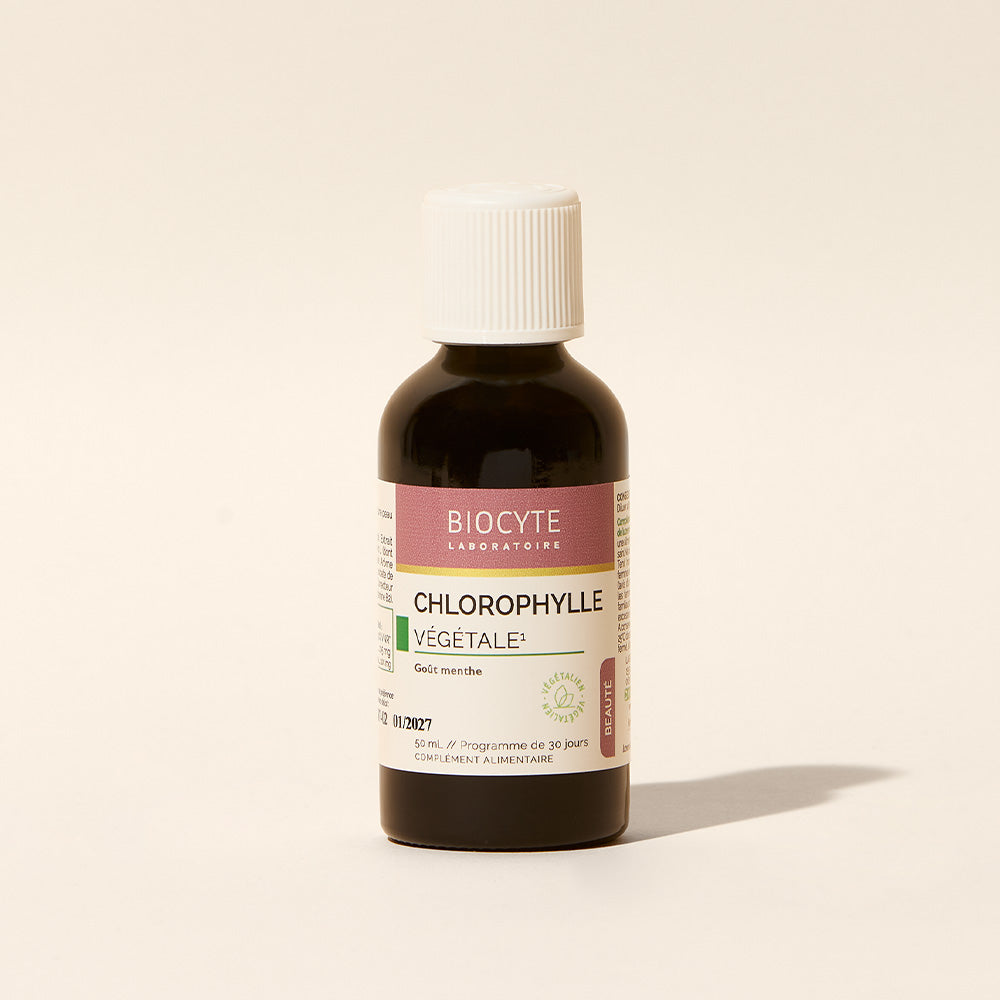
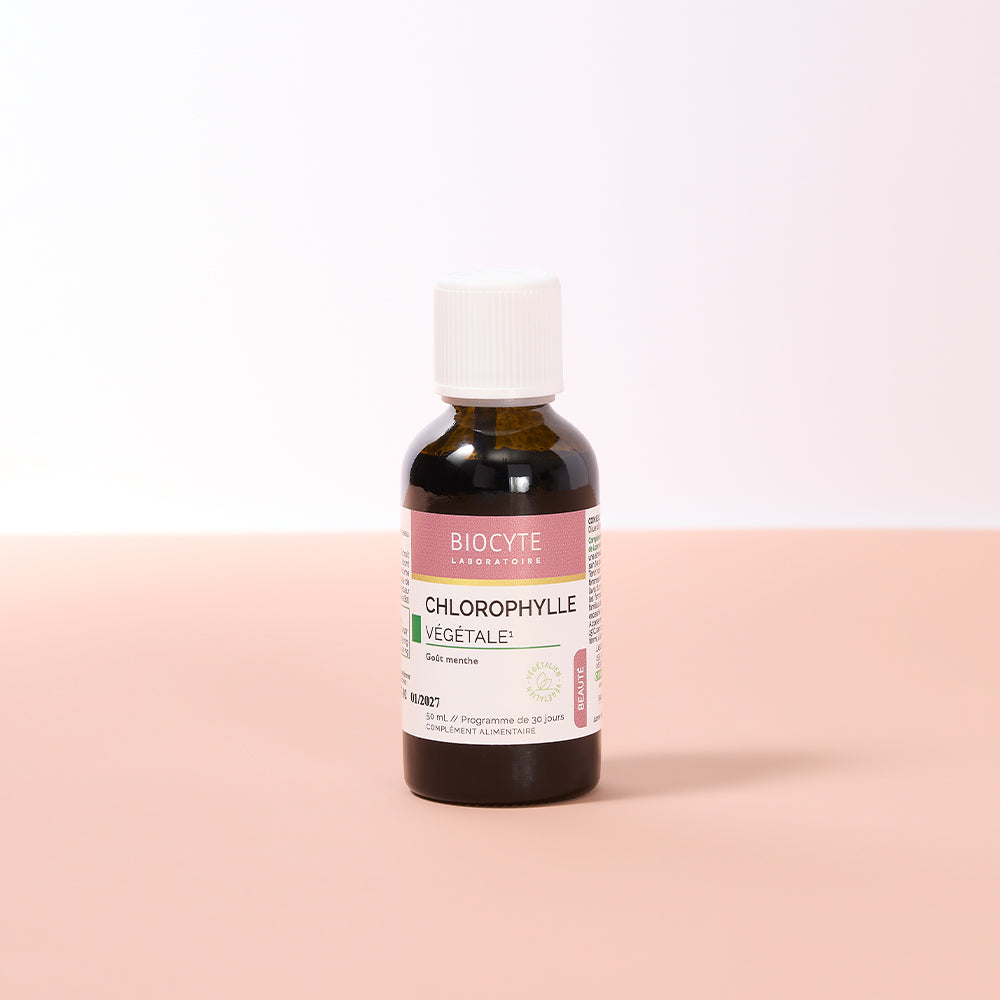
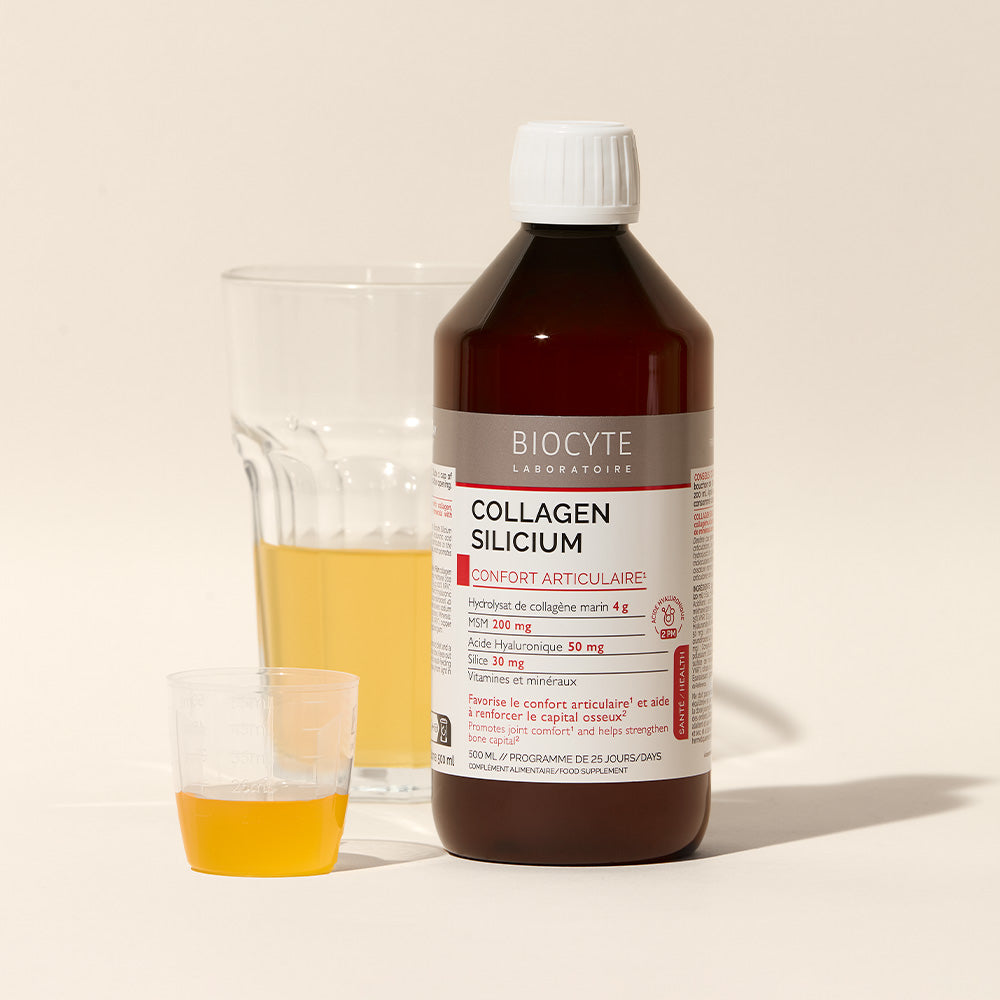
THEliquid formatsThey are appreciated for their ease of use. They lend themselves to certain "radiance" and "vitality" combinations with antioxidants, vitamin C, or plant extracts. Stability and shelf life should be carefully considered.
Our selection of dietary supplements
Bestsellers
THEbest sellersThese routines often reflect cross-cutting needs: beauty (skin), vitality, and digestive comfort. The most popular routines generally combine a key active ingredient (for example, marine collagen or probiotics) with complementary cofactors (vitamin C, zinc, antioxidants). This approach prevents distractions and promotes consistency.
New products
THEnew productsThey are frequently moving towards more targeted approaches: standardized extraction, new combinations, and an emphasis on bioavailability. Modern active ingredients are often evaluated on measurable criteria (hydration, elasticity, comfort) through controlled clinical trials lasting several weeks, with questionnaires and instrumental measurements depending on the subjects.
Promotions
THEpromotionsThese can be an opportunity to structure a coherent routine without using a multitude of products. The best strategy is to choose a priority objective (for example, sleep and stress, or digestion and gut microbiota) and then select a short, easy-to-read combination that aligns with the dosage.
FAQ — Frequently asked questions about dietary supplements
When to take them?
In general, vitamin and mineral supplements are taken with a meal for better tolerability. Probiotics should be taken according to the label (and stored as directed). Sleep and stress formulas are often best taken at the end of the day.
How long does it take to feel the effects?
It depends on the goal and consistency. Digestive comfort may be felt more quickly in some individuals. Beauty routines (e.g., marine collagen, hyaluronic acid) are best assessed over several weeks.
Can several of them be combined?
Yes, provided you avoid duplication. Be careful with combining vitamins and minerals (e.g., zinc, iron). Well-balanced combinations prioritize complementary benefits (e.g., vitamin C + collagen, omega-3 + antioxidants, probiotics + a gut microbiota approach).
What are the differences between vitamins and minerals?
Vitamins are organic micronutrients (e.g., vitamin C, vitamin D, vitamin B12). Minerals are inorganic elements (e.g., magnesium, zinc, iron). They are complementary depending on the objective.
Contraindications and precautions
Dietary supplements are not a substitute for a varied diet. In case of treatment, pregnancy/breastfeeding, or other specific circumstances, professional advice is recommended before adding new products, especially those containing plant extracts or high mineral content.
Storage and shelf life
Follow the storage instructions. Probiotics can be sensitive to heat and humidity. Omega-3 fatty acids should be protected from light and heat. Adhering to the expiration date and storage guidelines will preserve quality.


 Skin
Skin Hair & Nails
 Sun Care
 Slimming
 Health