 Skin
Skin Hair & Nails
 Sun Care
 Slimming
 Health
 K-Biocyte
 Clinical

Where can collagen be found in food and how can its intake be optimized?
Collagen in food plays a vital role in the health of skin, joints, and connective tissues. Yet, our modern eating habits severely limit our natural intake. Over time, our body's collagen production decreases, accelerating the signs of skin aging and loss of firmness.
Where can we find collagen in food? Why does our body produce less of it? And how can we stimulate its natural production? This article, based on scientific recommendations and Biocyte's expertise, answers all these questions to help you maintain firm, radiant, and healthy skin.
Discover the collagen food supplements developed by Biocyte, true allies to compensate for natural age-related collagen loss.
What is collagen and why is it essential?
Collagen is the most abundant structural protein in the human body , representing nearly 30% of our total protein. It acts as a framework, ensuring the cohesion, firmness, and elasticity of tissues: skin, bones, cartilage, tendons, ligaments, and blood vessels.
From the age of 25 , its natural production begins to slow down and increases with age, gradually leading to:
- a loss of collagen in the skin
- a decrease in joint flexibility
- increased fragility of supporting tissues
This natural phenomenon is accentuated by oxidative stress, modern lifestyle and certain nutritional deficiencies.
Collagen is also compared to hyaluronic acid; we explain the differences in our article on collagen or hyaluronic acid so that you can understand the distinct benefits of these two active ingredients.
Collagen in the diet: a now rare source
Why is our current diet lacking
In the past, broths, stews, and braised dishes were part of everyday life. These preparations used parts of the animal rich in collagen : bones, cartilage, skin, and offal. Today, modern diets favor lean meats and quick cooking methods (grilling, steaming, microwaving, air frying, etc.), which reduces the intake of natural collagen.
The result: our current diet provides very little bioavailable collagen . Even if some foods contain it, its absorption remains limited.
Foods that naturally contain it
The main food sources of collagen are:
- Bone broths: very rich in gelatin and amino acids
- Fish skin and marine collagen, particularly valued for their bioavailability
- Meats with tendons, cartilage or skin (pig's feet, oxtail, chicken wings)
- Natural gelatin, derived from animal collagen
However, the amount of collagen absorbed can quickly become insufficient to maintain optimal levels. This is why collagen supplements are becoming an essential solution for supporting the structure of the skin and tissues.
Factors that accelerate collagen destruction
Oxidative stress
Oxidative stress caused by pollution, UV rays, tobacco, or chronic stress damages collagen fibers, which then lose their structural function. This is why there is a close link between oxidative stress and skin quality.
Antioxidants —such as vitamin C, vitamin E, polyphenols, and carotenoids—are essential for neutralizing free radicals and protecting the skin from premature aging. Foods to favor include citrus fruits, berries, red bell peppers, green tea, spinach, carrots, tomatoes, and red fruits.
Chronic inflammation
A pro-inflammatory diet (rich in refined sugars, saturated fats, and ultra-processed foods) accelerates collagen loss in the skin and harms overall health. Adopting an anti-inflammatory diet helps slow this process through the inclusion of suitable foods: oily fish, nuts, flax seeds, fruits, colorful vegetables, and oils rich in omega-3 fatty acids.
Biocyte encourages a holistic approach combining balanced nutrition, healthy lifestyle and targeted supplementation to slow down collagen degradation.
How to optimize natural collagen production?
Favorable nutrition
To restart collagen synthesis , it is essential to provide the body with the right cofactors:
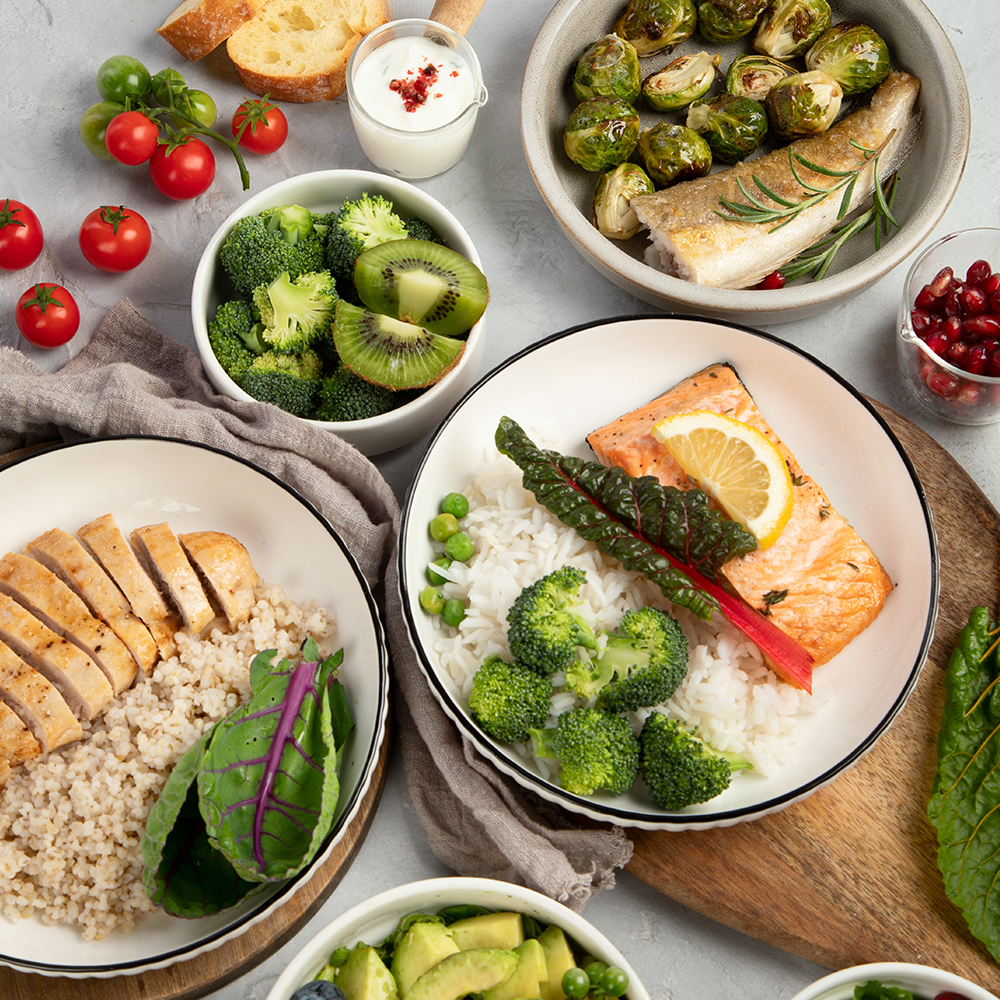
- Vitamin C: essential for collagen formation (citrus fruits, kiwi, bell pepper)
- Zinc and copper: found in seafood, legumes and nuts
- Amino acids (glycine, proline, lysine): found in eggs, meat and fish
A varied, colourful diet rich in antioxidants, combined with a reduction in sugar and alcohol, promotes collagen production and limits its oxidation.
Supplementation: an aid that is now indispensable
Even with a balanced diet, achieving optimal intake remains difficult. Collagen peptides are a highly bioavailable hydrolyzed form, supported by numerous clinical studies.
Research shows that daily consumption of hydrolyzed collagen (between 2g and 10g) visibly improves skin firmness and joint comfort .
Used as a supplement or in treatments, collagen helps maintain scalp hydration and elasticity . It thus promotes healthier hair growth and a fuller-looking head of hair.
Choose a quality supplement:
- marine or bovine origin
- optimal hydrolysis
- combination with vitamin C and zinc to enhance synthesis
Biocyte laboratory, a pioneer in nutricosmetics, offers innovative formulas combining collagen, hyaluronic acid, vitamins and minerals and antioxidants, clinically tested for visible results.
Conclusion
Food sources of collagen are now limited. Modern lifestyles, pollution, and oxidative stress reduce its natural presence in the body.
An anti-inflammatory diet rich in antioxidants remains the best way to support natural collagen production. However, collagen supplements offer an effective, safe, and scientifically validated solution to compensate for the progressive loss of collagen with age.
FAQ – Collagen in Food
What foods are richest in collagen?
Bone broths, fish skins, gelatin, and meats rich in tendons are the main sources.
Does plant-based collagen really exist?
No, but certain plant nutrients - such as vitamin C, copper and essential amino acids - stimulate its natural production.
What is the difference between hydrolyzed and classic collagen?
Hydrolyzed collagen is fragmented into low molecular weight peptides, which are better absorbed and more effective.
What factors destroy collagen?
Oxidative stress, chronic inflammation, sugar, tobacco, and UV radiation.
What is the best form of collagen?
Hydrolyzed peptides, of marine or bovine origin, combined with vitamin C and zinc, are the most effective.
Sources
- Proksch E. et al., “Oral supplementation of collagen peptides improves skin elasticity and hydration,” Skin Pharmacology and Physiology , 2014
- Zague V., “A new view concerning the effects of collagen hydrolysate intake on skin properties,” Archives of Dermatological Research , 2008
- Sibilla S. et al., “An overview of the beneficial effects of hydrolyzed collagen for skin aging,” Clinical Interventions in Aging , 2015
- Ohara H. et al., “Collagen-derived dipeptide prolyl-hydroxyproline promotes fibroblast growth,” Journal of Agricultural and Food Chemistry , 2010
- EFSA, Scientific Opinion on collagen hydrolysate and maintenance of skin elasticity , 2011