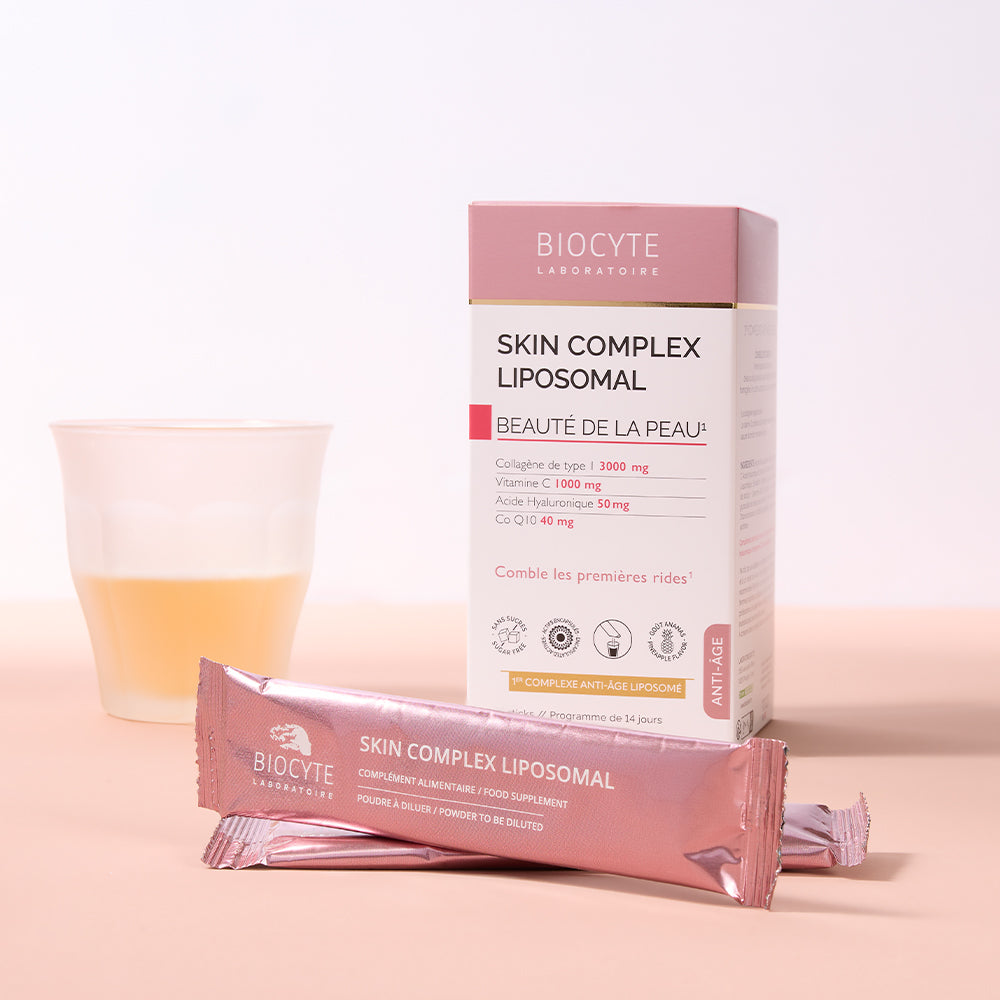
The interest ofCoenzyme Q10 (CoQ10)This can be understood in a simple idea: this molecule, naturally present in the body, is at the crossroads of cellular energy and cellular protection. On a daily basis, lifestyle, stress, pollution, or sun exposure can increase oxidative stress, while the body's endogenous production ofcoenzyme Q10tends to decrease over time. As a result, CoQ10 has become a key ingredient for those seeking vitality support, a targeted antioxidant approach, and comprehensive support for cellular balance.
Coenzyme Q10 (CoQ10): key role in cellular energy
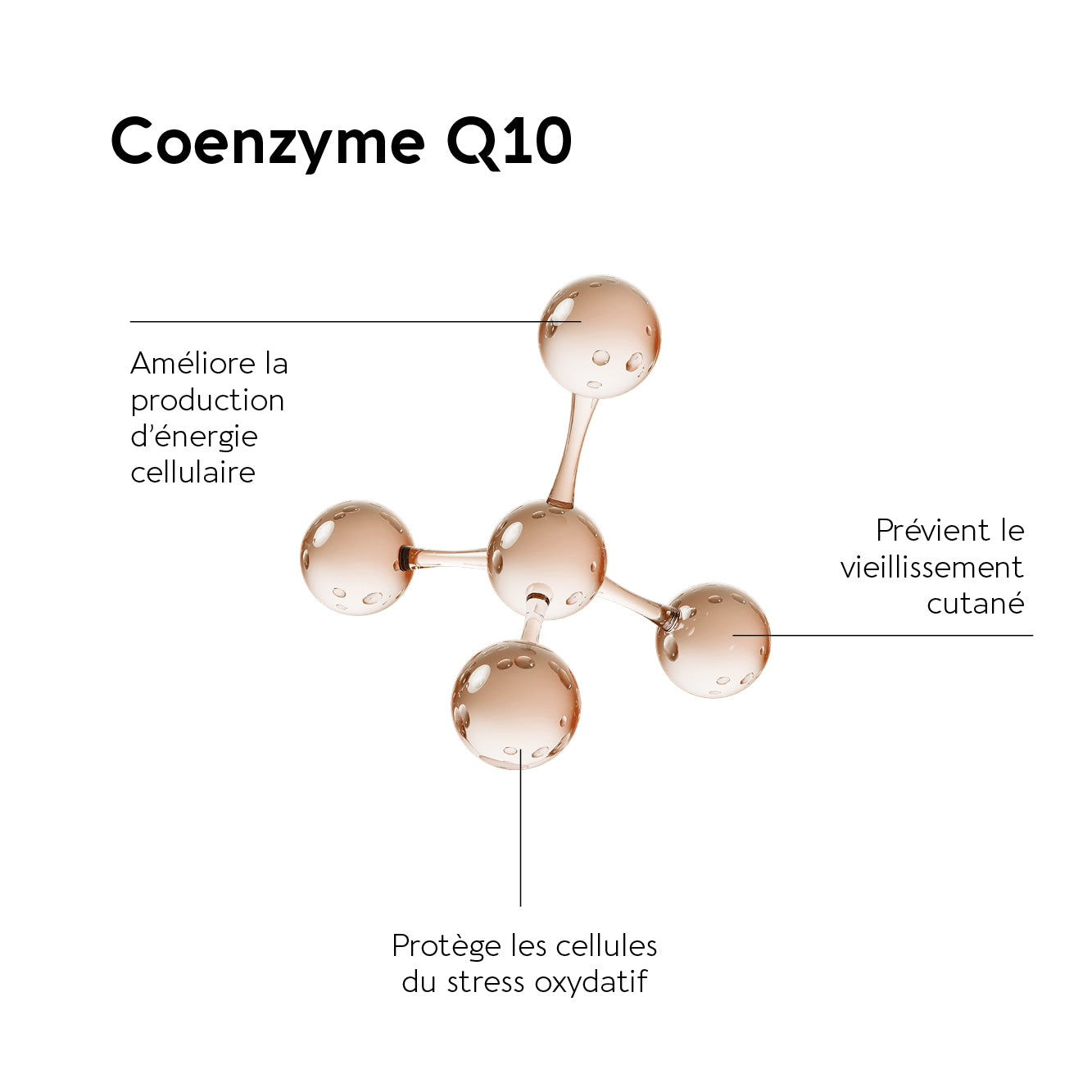
THEcoenzyme Q10 or CoQ10Coenzyme Q10 is a molecule naturally present in cells, concentrated in membranes and mitochondria. Its main role is related to cellular energy: it participates in the transfer of electrons in the respiratory chain, an essential step in ATP production. This function is particularly relevant for tissues with high energy demands, which explains why coenzyme Q10 is often associated with vitality and a feeling of daily energy.
Coenzyme Q10 is also aphysiological antioxidantIn practice, it helps limit the impact of oxidative stress, a phenomenon amplified by UV radiation, pollution, stress, or a hectic lifestyle. This principle of cellular protection is central to nutricosmetics, as oxidative balance influences membrane quality and overall cell performance. Over time, the body's own production of coenzyme Q10 tends to decrease, which reinforces the benefit of targeted external supplementation for certain individuals.
Why take Coenzyme Q10: vitality, antioxidant, cardiovascular support
Taking CoQ10 is primarily considered to support vitality when the body is under increased stress: mental strain, physical activity, lack of recovery, or periods of low energy. The connection is made through the mitochondria, as coenzyme Q10 plays a key role in cellular energy production. It is not a stimulant, but rather a support for the physiological mechanisms that transform energy from food into usable energy.
Secondly, CoQ10 is sought after as an antioxidant to help balance the body against oxidative stress. This approach concerns both general comfort and...beauty routines for the skinsince it is highly exposed to environmental aggressions. Finally, coenzyme Q10 is frequently associated with cardiovascular support and heart health in a wellness approach: the goal is to support highly energy-intensive tissues and to support antioxidant balance, always in addition to a coherent lifestyle.
Coenzyme Q10 ubiquinol vs. Coenzyme Q10 ubiquinone: how to choose the right form
We often talk about CoQ10 ubiquinol and CoQ10 ubiquinone. Ubiquinone is the oxidized form, and ubiquinol is the reduced form. The body can convert these forms as needed, meaning the choice depends primarily on the individual's profile, goal, and formulation, rather than a strict hierarchy.
In a routine orientedantioxidant and cell protectionUbiquinol can be appreciated because it fits directly into this logic. However, a high-quality, properly formulated coenzyme Q10 ubiquinone remains highly relevant. The decisive factor is bioavailability: a well-absorbed form, taken regularly, is generally more effective than a form that looks good on paper but is poorly absorbed.
Bioavailability and dosage: the criteria that make the difference
Coenzyme Q10 is lipophilic: absorption is often better with a meal containing fats. This is why bioavailability depends heavily on the formulation (lipid matrix, microencapsulation, liposomal systems). A technology that protects the active ingredient and improves its passage through the digestive system can promote more regular and better-utilized intake by the body, which is particularly desirable for aenergy food supplement.
In terms of dosage, typical intakes are often around 100 to 200 mg per day, depending on the goal. 100 mg may be suitable for a general vitality/oxidative balance routine, while 200 mg can be considered during more demanding periods, provided tolerance and consistency are prioritized. In practice, "dose + bioavailability + consistency" remains the most useful trio for choosing a Coq10 supplement.
Coenzyme Q10: when to take it, useful combinations and precautions
Coq10 is ideally taken with a meal (often in the morning or at lunchtime) to support absorption and easily integrate into your routine. When the goal is cellular energy and vitality, the morning is often preferred, but the key element remains consistency. The expected effects are appreciated over time, as coenzyme Q10 acts on fundamental mechanisms (mitochondria, membranes, oxidative stress).
The most consistent associations involve antioxidant and membrane synergies:vitamin E, selenium, omega-3They are part of a strategy to protect cells and support membrane lipids. Regarding precautions, professional advice is recommended in cases of pregnancy, breastfeeding, medication use, or specific health conditions. Particular vigilance is required with anticoagulants: the goal is to ensure safe combinations and use.
Our Coenzyme Q10 supplements: formats and approach by Biocyte
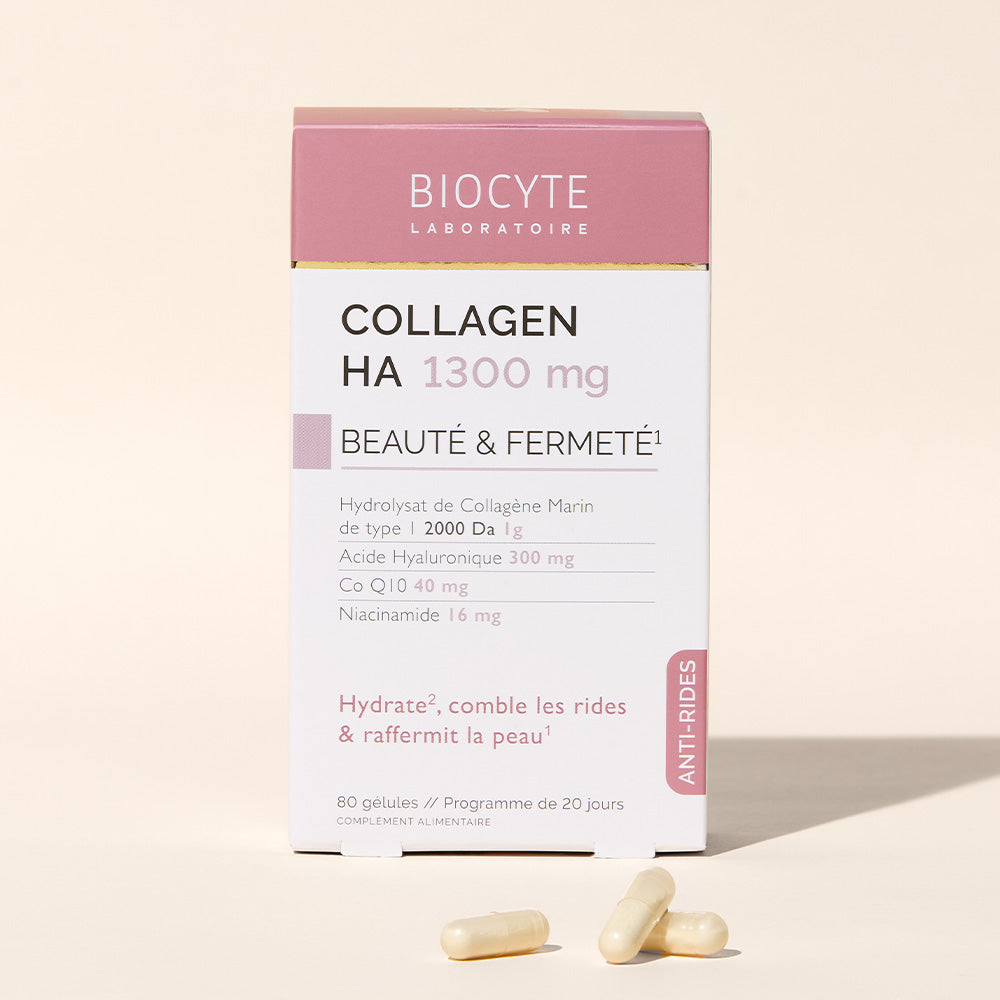
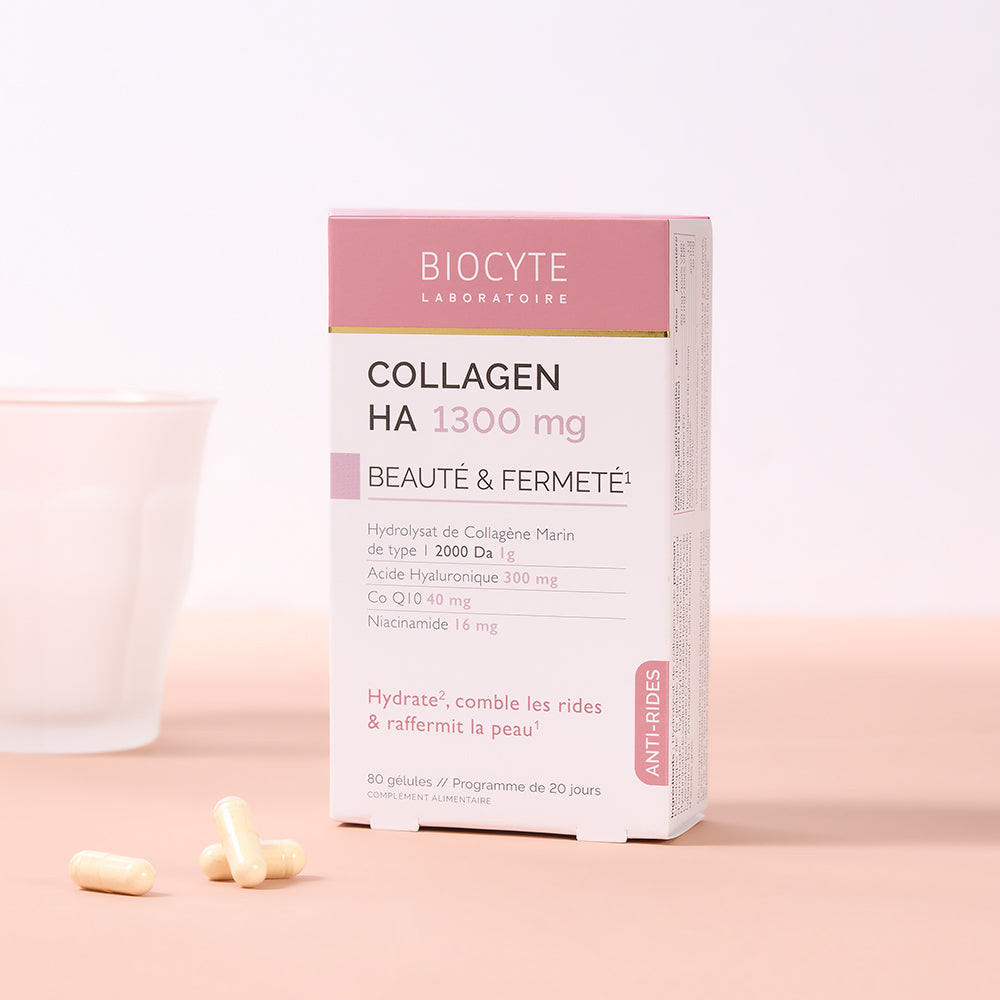
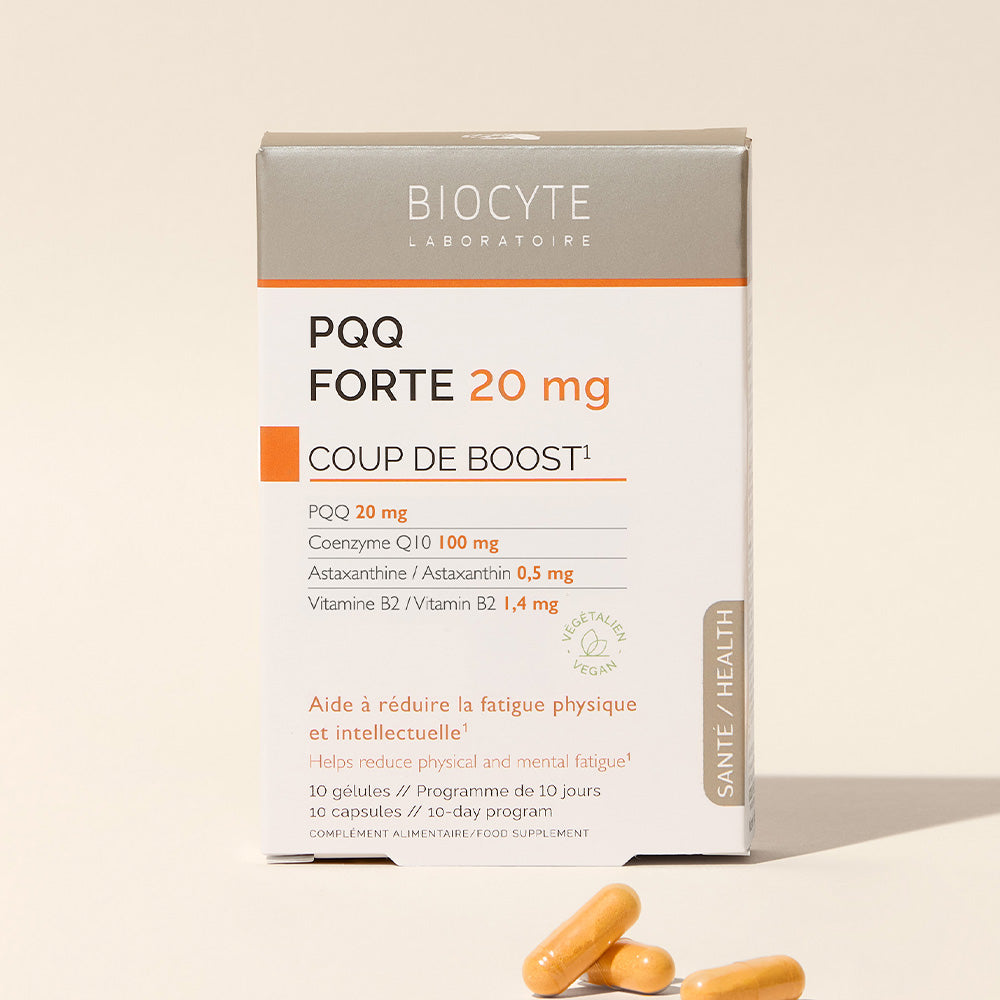
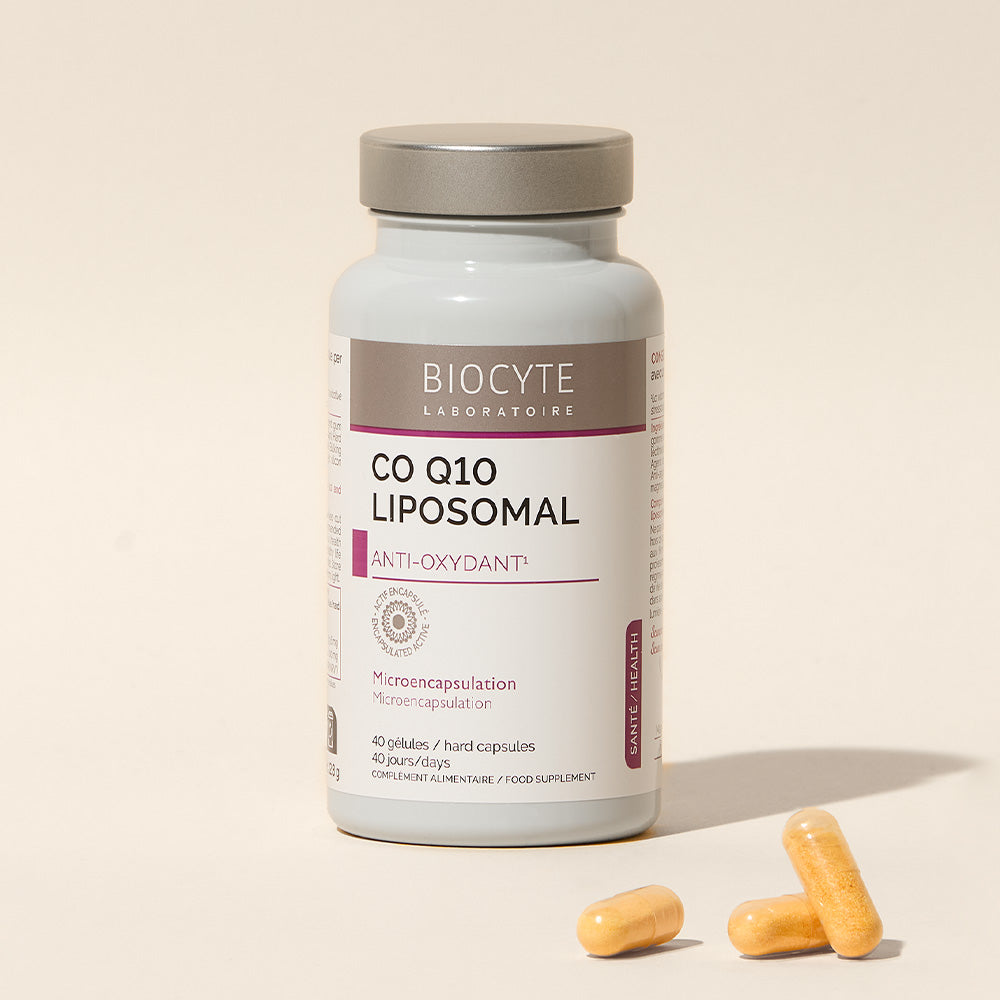
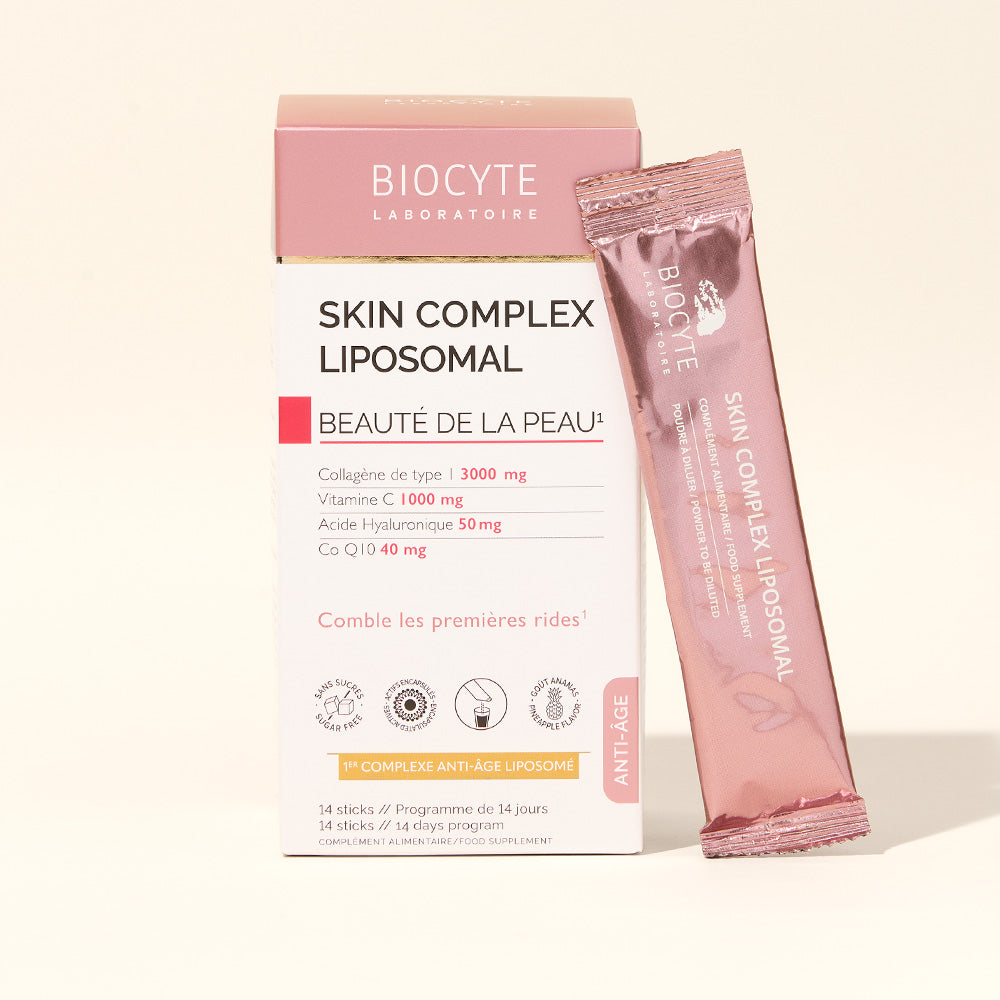
A good CoQ10 product is distinguished by a rigorous selection of raw materials and a formulation designed for bioavailability. In nutricosmetics, the formulation is not a minor detail: it determines the actual assimilation of coenzyme Q10. Biocyte adheres to this requirement with a scientific approach to formulation and technologies aimed at optimizing absorption, building on its expertise as a nutricosmetic laboratory.
To choose the right product, the objective guides the selection: a formula focused on antioxidants and oxidative stress for cellular protection and overall well-being, or a more "mitochondrial" approach for energy, fatigue, and vitality as a dietary supplement. In all cases, consistency in routine (diet, sleep, activity) and regular intake remain crucial to getting the most out of a quality coenzyme Q10.
FAQ – Coenzyme Q10 Dietary Supplements
CoQ10: What is the difference between ubiquinone and ubiquinol?
Ubiquinone is the oxidized form, ubiquinol the reduced form. The body can convert them. The choice depends primarily on the intended use and the bioavailability of the formulation.
What dosage of Coenzyme Q10 should I choose (100 mg, 200 mg…) according to my needs?
100 mg is often suitable for a daily vitality/antioxidant routine; 200 mg may be appropriate during more intense periods. Tolerance and consistency are key.
When to take CoQ10: morning or evening, with or without food?
Ideally, take it with a meal containing fats. Morning or midday is common, especially for cellular energy.
Can Coenzyme Q10 be combined with omega-3, vitamin E or selenium?
Yes, these combinations are consistent in terms of membranes and antioxidant balance/cell protection, while respecting the doses.
Does CoQ10 have any contraindications or interactions (particularly with anticoagulants)?
In the case of treatment, particularly anticoagulants, or in a particular situation, professional advice is recommended before using CoQ10.


 Skin
Skin Hair & Nails
 Sun Care
 Slimming
 Health