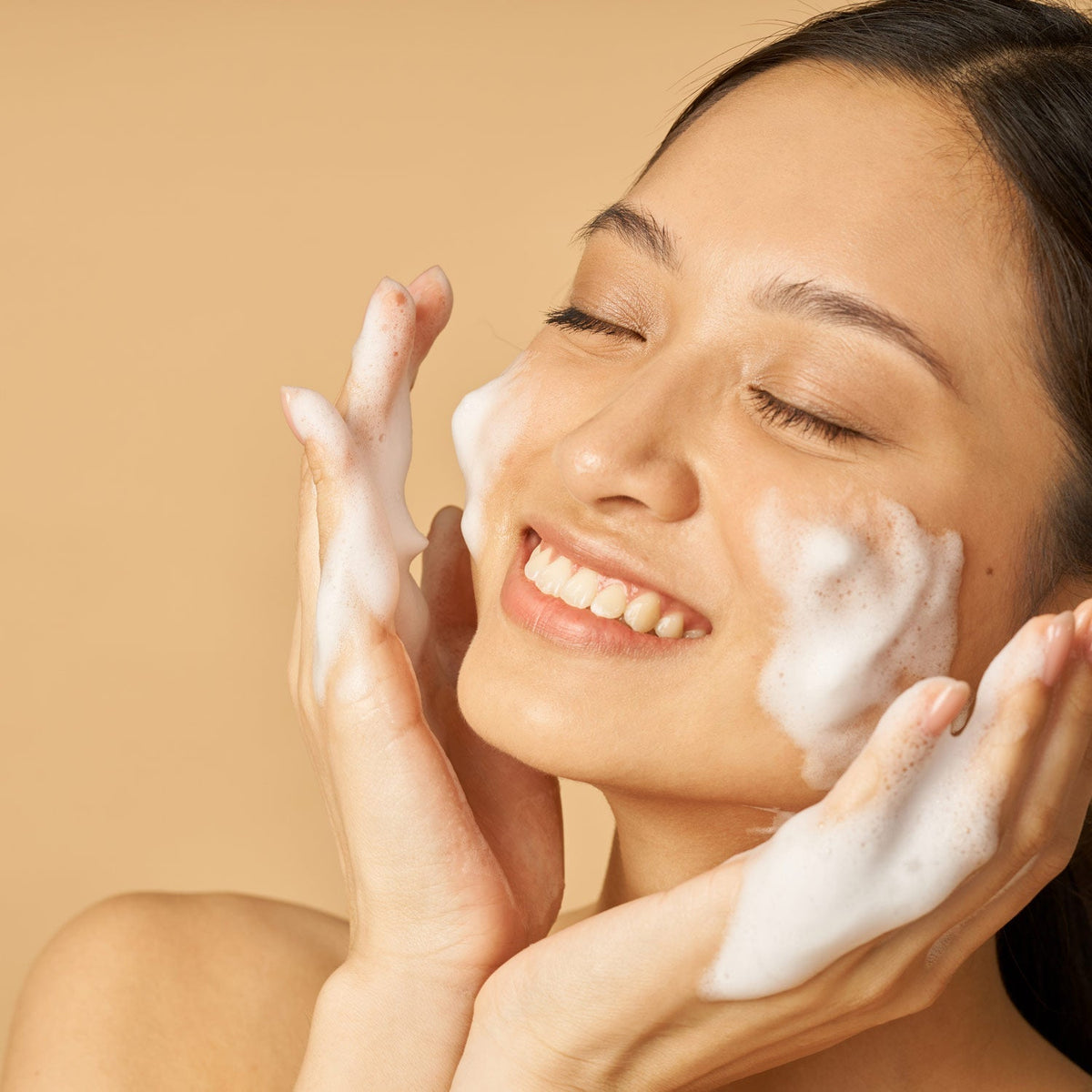
Moisturizing care for skin, hair and face: what are they used for?
Amoisturizing treatmentIts main mission is to maintain the water balance of the superficial tissues and support the skin barrier, the skin's true biological shield. When this barrier is weakened, water evaporates more quickly, leading to dehydrated skin, feelings of tightness, or discomfort. On the face as well as the body, ahigh-performance moisturizing treatmentIt works through humectants capable of attracting water, as well as biomimetic lipids that strengthen cell cohesion. This approach visibly improves suppleness, elasticity, and surface quality.
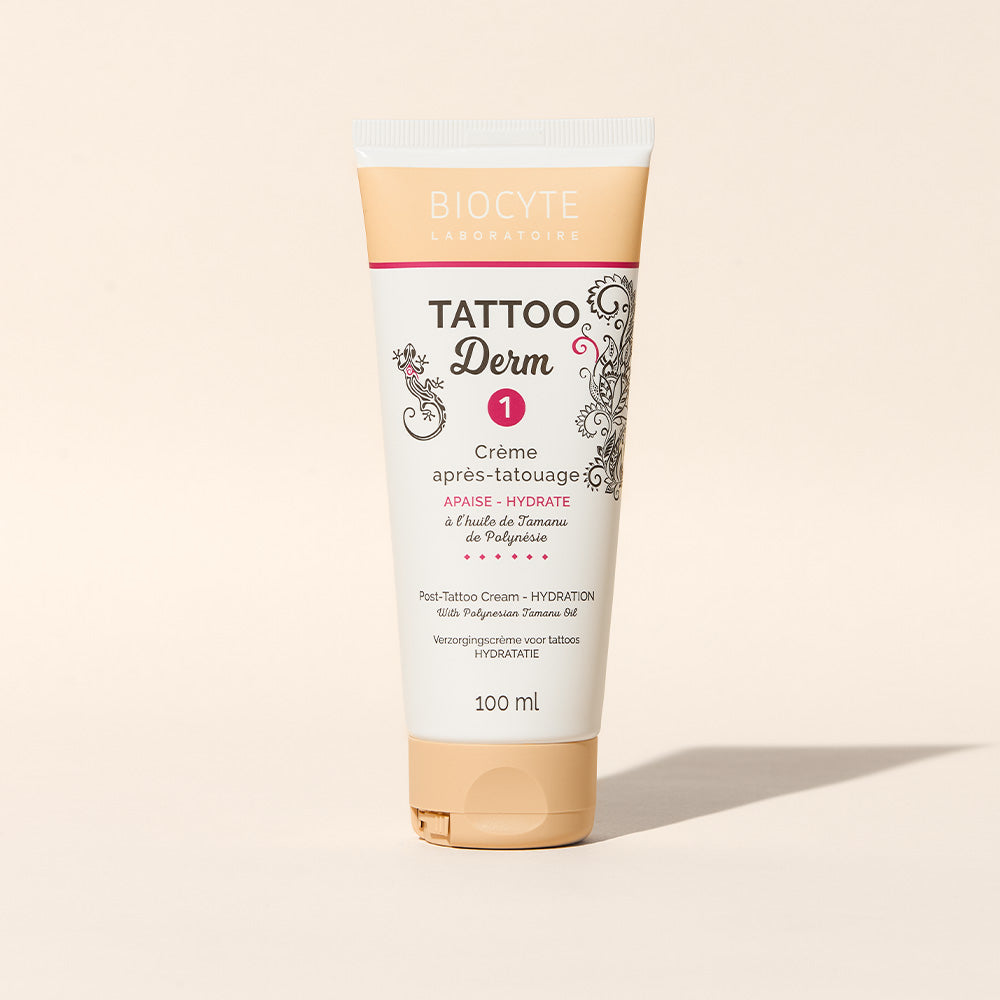
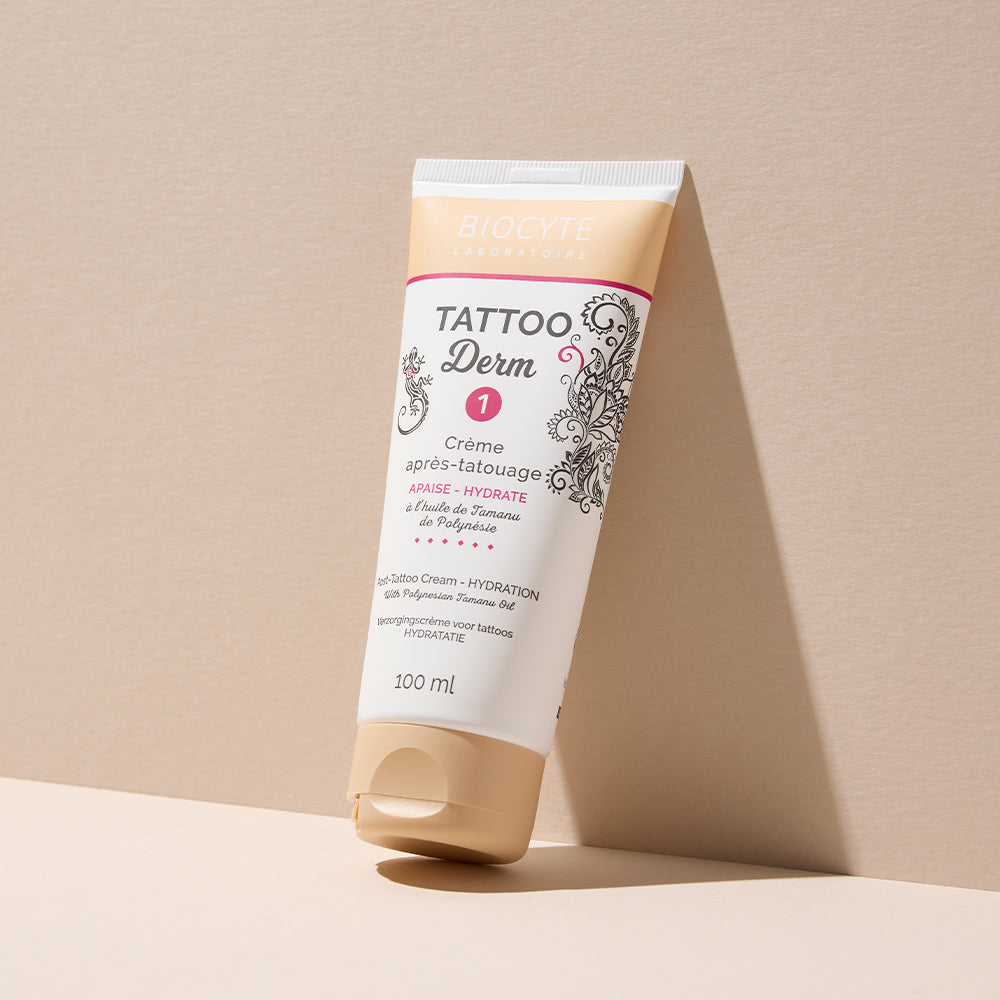
For hair, the role of moisturizing care is complementary but specific. The hair fiber, lacking active biological mechanisms, depends entirely on external inputs to maintain its suppleness.dry hair careWhether it's a gentle shampoo or a moisturizing mask, it helps smooth the cuticle, reduce porosity, and minimize frizz. Dry, older, and more exposed ends particularly benefit from regular hydration. Finally, for specific areas like tattoos, a suitable moisturizer supports skin comfort and helps maintain a visually even complexion.
Which moisturizing treatment should you choose according to your needs (dryness, tightness, frizz, dry ends)?
The choice of a moisturizing treatment depends first and foremost on the diagnosis: adehydrated skinlack of water, while adry skinpresents a lipid deficiency. In the first case, active ingredients such as hyaluronic acid and glycerin promote water retention in the stratum corneum. In the second, ingredients that strengthen the skin barrier, particularly ceramides, improve lipid cohesion and lasting comfort. Persistent tightness often reflects a combination of both phenomena, justifying a balanced formula.
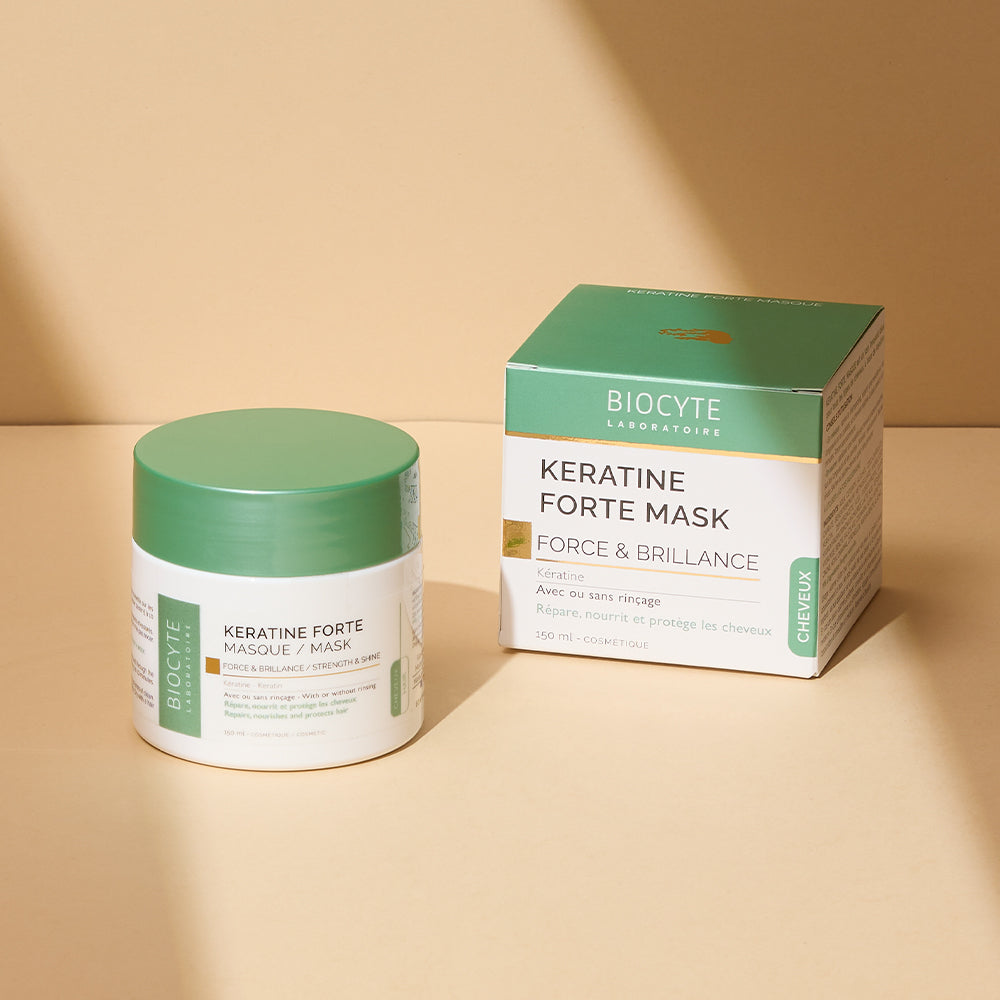
Regarding hair, a suitable moisturizing treatment limits dehydration of the hair fiber and improves its behavior in the face of ambient humidity. Frizz often results from an uneven cuticle that absorbs water inconsistently.moisturizing hair maskApplied to dry lengths and ends, it helps to even out the surface and optimize the anti-frizz effect. The choice should also take into account the damage the hair has suffered: heat, coloring, or repeated sun exposure.
Skin masks, shampoos, hair masks: which moisturizing treatment format is best for each area?
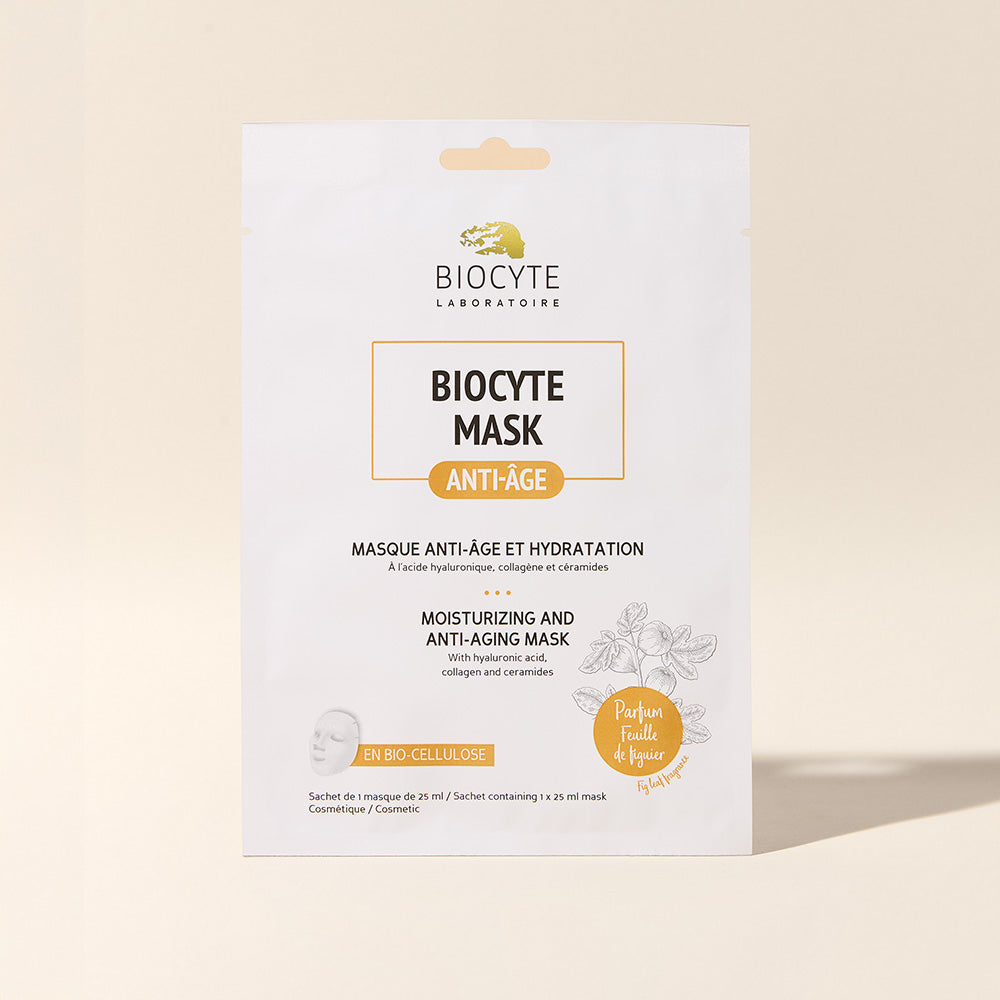
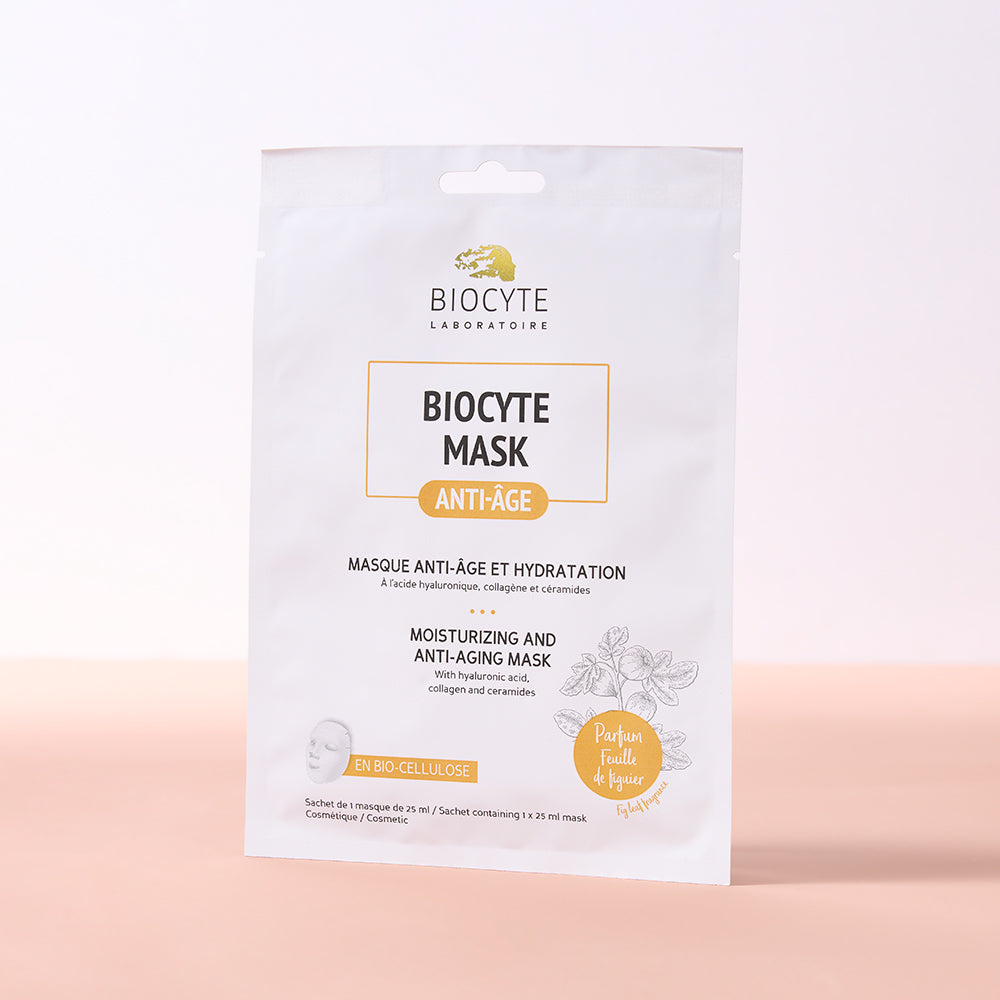
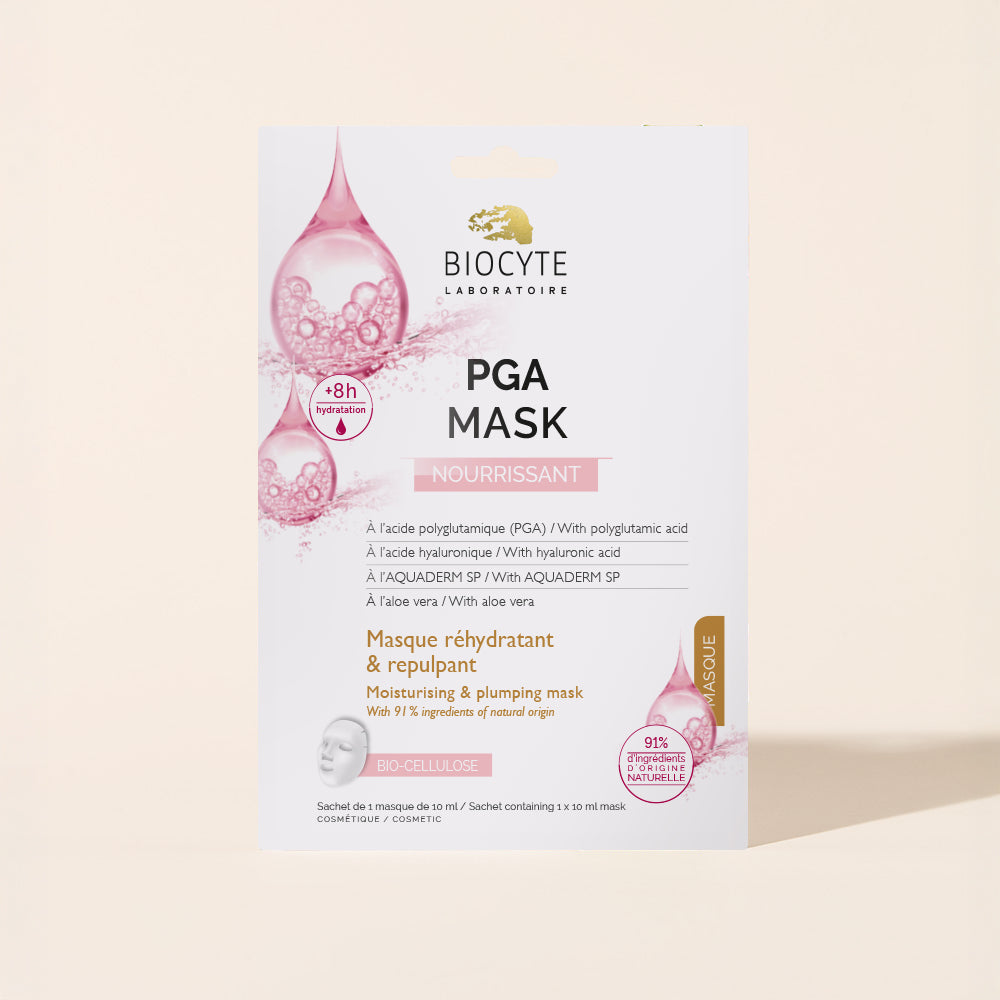
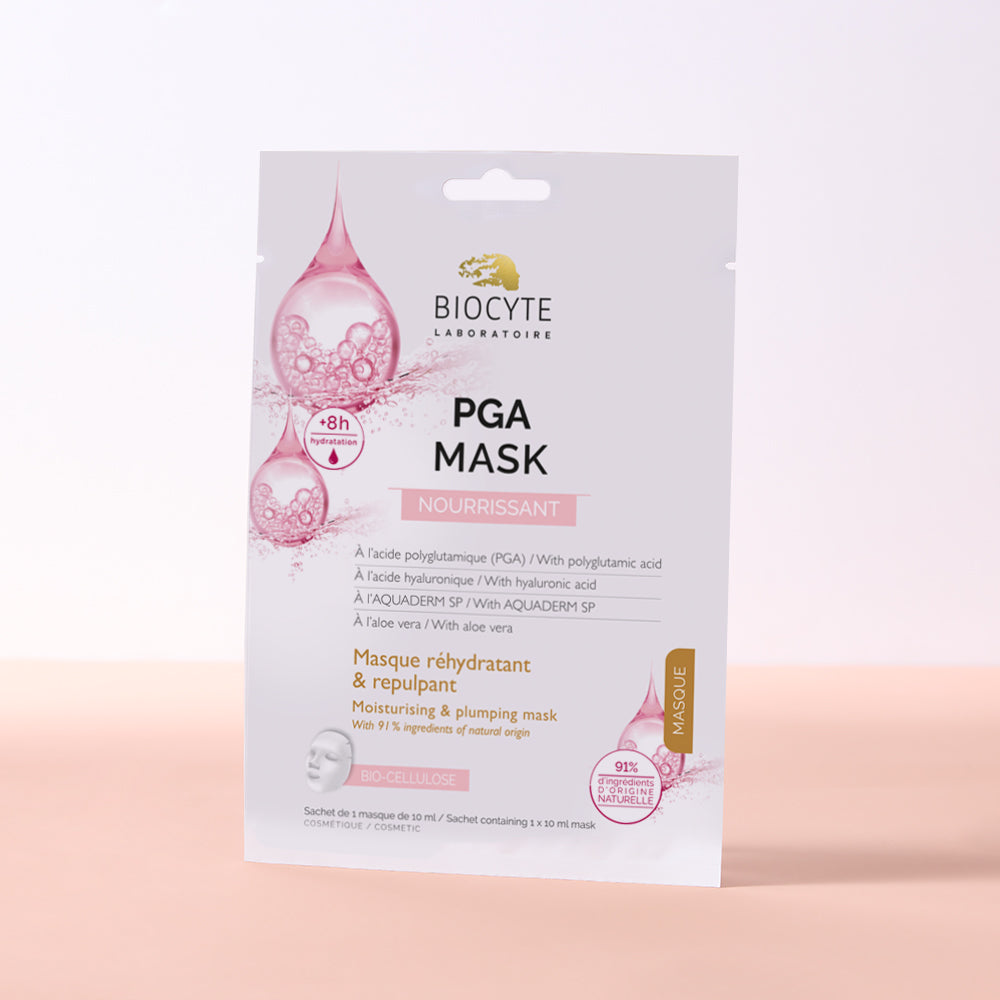
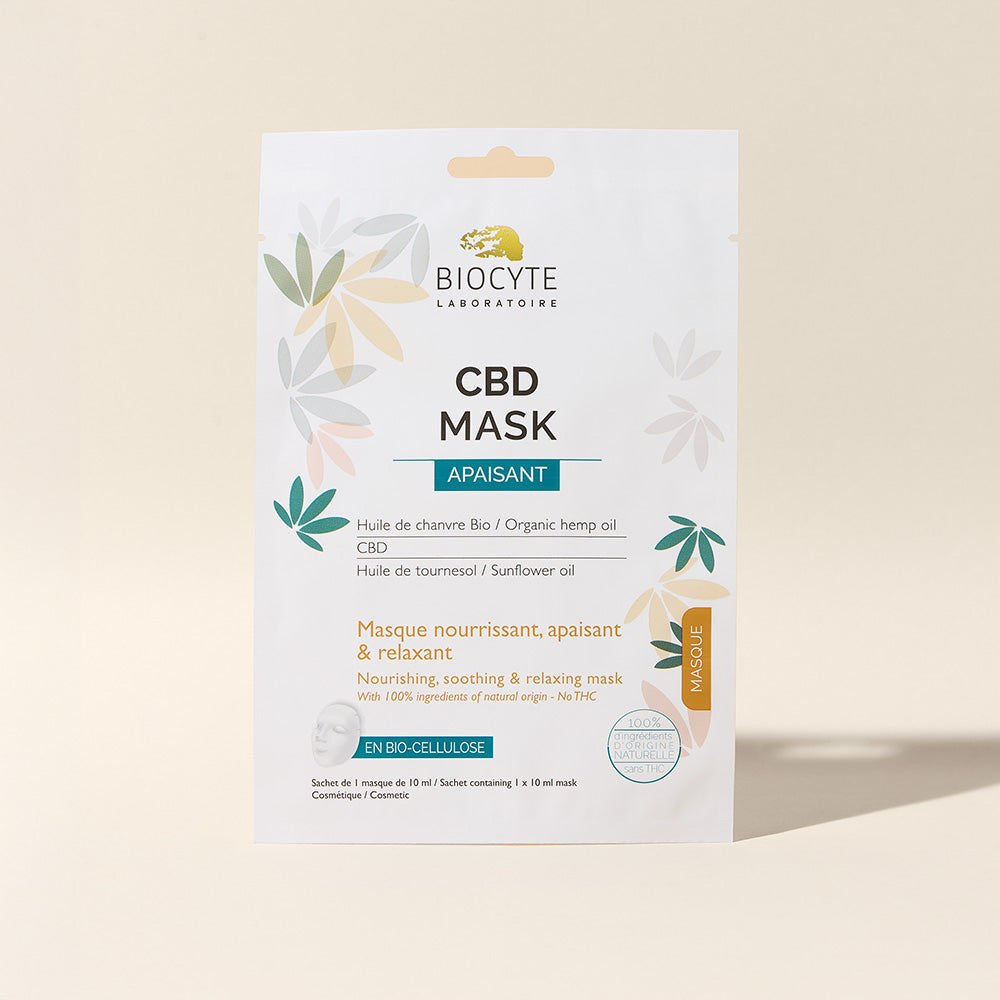
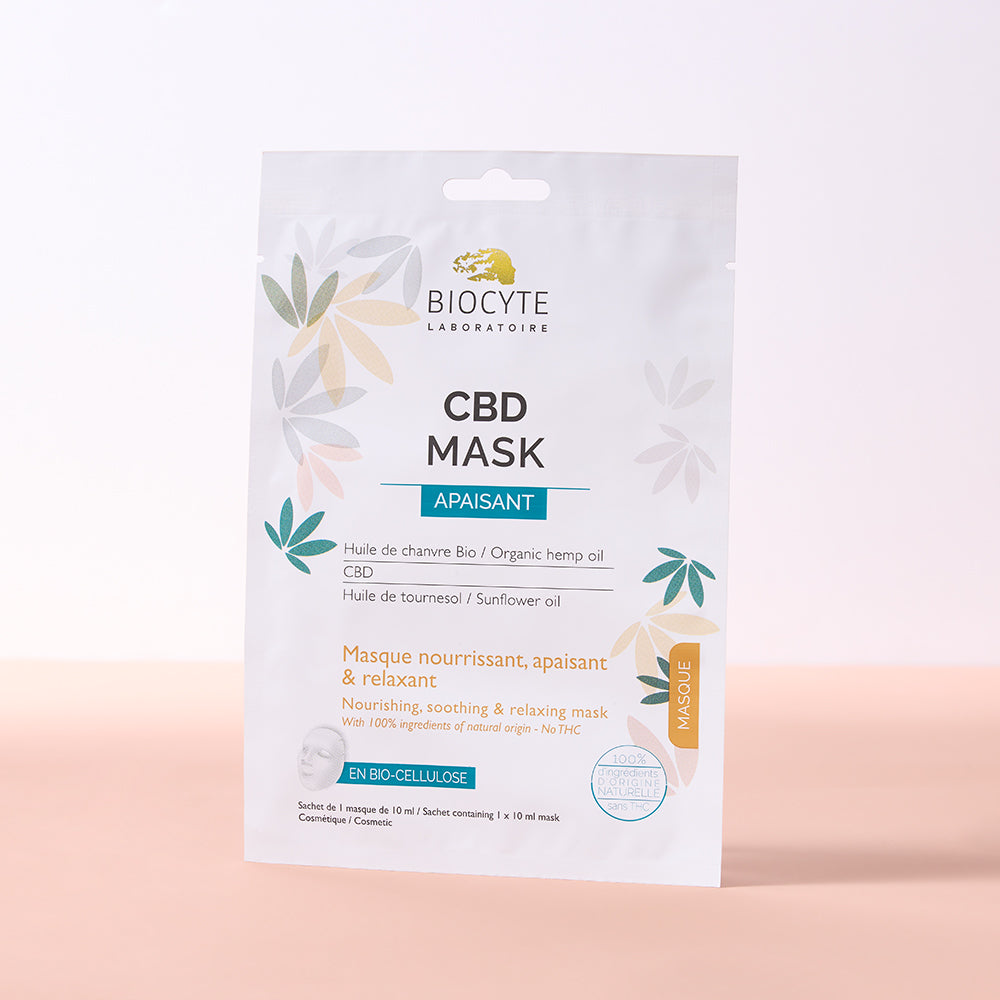
The format of a moisturizer directly influences its perceived effectiveness and its compatibility with daily routines. A moisturizing cream is particularly suitable for maintaining daily hydration and supporting the skin barrier. A hydrating serum, more concentrated in humectants such as...hyaluronic acidIt specifically targets dehydrated skin and can be layered over a cream to optimize water retention.moisturizing face maskUsed occasionally, it offers a more intensive and enveloping action, especially after significant environmental exposure.
For hair, thenourishing shampooThis constitutes the first step in a consistent moisturizing routine: gentle cleansing preserves the scalp's balance and prevents dryness from worsening.moisturizing hair maskWhen applied with sufficient processing time, it improves suppleness and limits the appearance of split ends. Adjusting the frequency according to the season and the condition of the hair fiber allows for an optimal balance between lightness and nourishment.
The key ingredients of an effective moisturizing treatment (hyaluronic acid, glycerin, ceramides, urea, aloe vera…)
Effective moisturizing treatment relies on a synergy of complementary active ingredients.hyaluronic acidIt acts like a molecular sponge, capable of retaining several times its weight in water, visibly improving the plumped appearance of the skin's surface. Glycerin, which is well-documented, increases the water content of the stratum corneum andpromotes lasting hydrationCeramides support the skin barrier, reducing transepidermal water loss and improving the overall tolerance of fragile skin.
Other active ingredients, such as urea, at low concentrations, contribute to the...improved elasticity of dry skin areasWhile aloe vera provides comfort and a feeling of freshness. The effectiveness of a moisturizer depends not only on the presence of well-known ingredients, but also on their concentration, bioavailability, and the quality of the formulation. This scientific rigor is part of Biocyte's DNA, a pioneering laboratory in nutricosmetics, recognized for its approach based on rigorously selected active ingredients and measured clinical evaluations.
How to integrate a moisturizing treatment into a face, body and hair routine (day/night, frequency, application techniques)
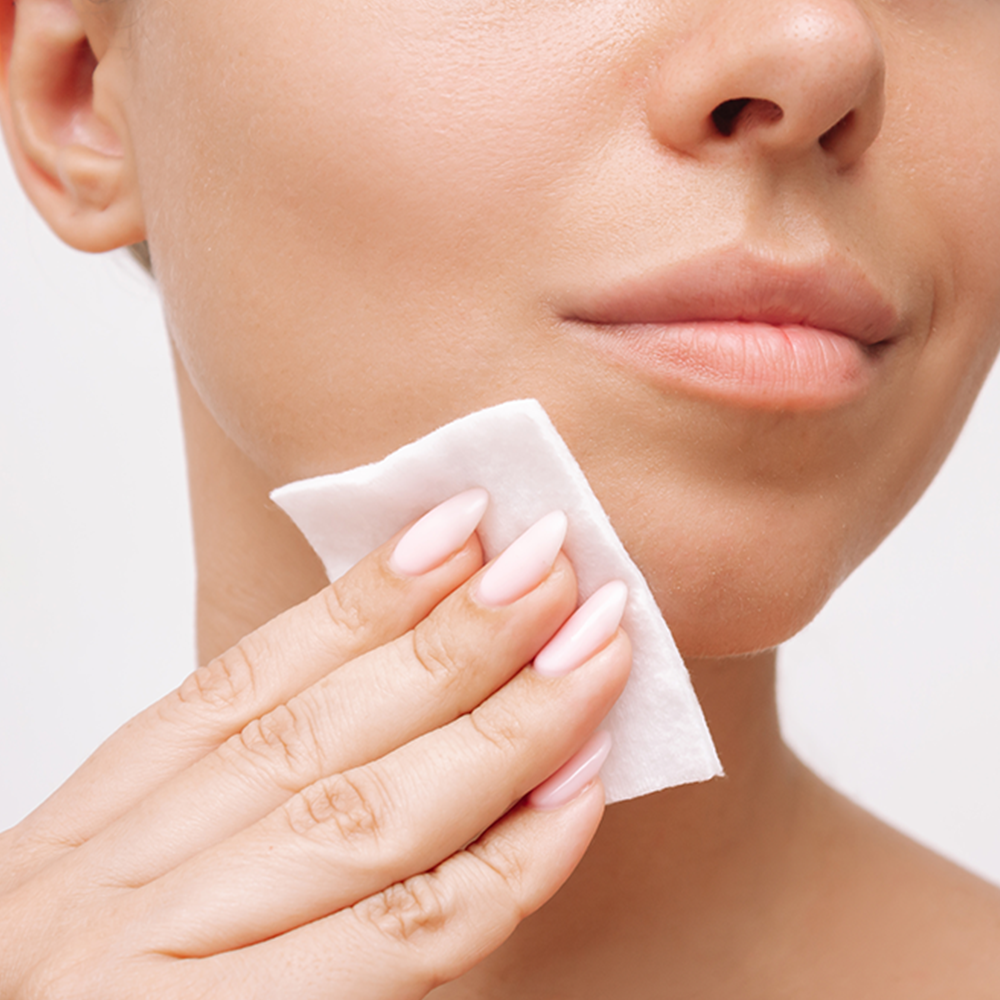
Integrating a moisturizer into your routine relies on consistency and regularity. On the face, applying it after cleansing, ideally on slightly damp skin, promotes the penetration of humectants. Combining a hydrating serum and a moisturizing cream optimizes water retention and supports the skin barrier, which is particularly beneficial for dehydrated skin. In the morning, thesun protectioncompletes the routine; in the evening, a slightly richer texture may be preferred depending on the season.
For the body and hair, the frequency should be adapted to the level of dryness. Dry skin benefits from a daily moisturizing treatment after showering to limit evaporation. Hair benefits from a moisturizing mask once or twice a week depending on its condition, paying particular attention to thedry endsThe goal is not over-application, but consistency, in order to progressively improve surface quality and the feeling of comfort.
FAQ: Everything you need to know about moisturizing care
What is the difference between moisturizing and nourishing skincare?
A moisturizing treatment primarily targets water intake and retention using humectants such as hyaluronic acid or glycerin. A nourishing treatment provides more lipids tostrengthen the skin barrierThis is particularly relevant for dry skin. The two approaches are complementary and can coexist in the same formula.
Which facial moisturizer should I choose for dry, combination or oily skin?
Dry skin will benefit from a richer, more enveloping moisturizer with ceramides. Combination or oily skin can opt for a light hydrating serum with a fluid texture. Even oily skin can be dehydrated, justifying the use of a suitable moisturizer.
How to choose a moisturizing treatment for sensitive or reactive skin?
Amoisturizing care for sensitive skinIt must support the skin barrier with well-tolerated active ingredients such as glycerin or ceramides. Simple and balanced formulas minimize the risk of discomfort. Regular application improves skin stability.
What moisturizing treatment is best for dry, curly, or colored hair?
A treatment for dry hair combinesgentle shampooAndmoisturizing maskTargeted on dry lengths and ends. Curly hair benefits from an anti-frizz effect thanks to better hydrated hair fibers. Colored hair gains softness and shine with a regular routine.
Should you moisturize your hair every day?
Daily moisturizing hair care isn't always necessary. A frequency adapted to the condition of your hair is usually sufficient. The important thing is consistency and choosing a moisturizing mask suited to your hair's porosity.


 Skin
Skin Hair & Nails
 Sun Care
 Slimming
 Health