 Skin
Skin Hair & Nails
 Sun Care
 Slimming
 Health

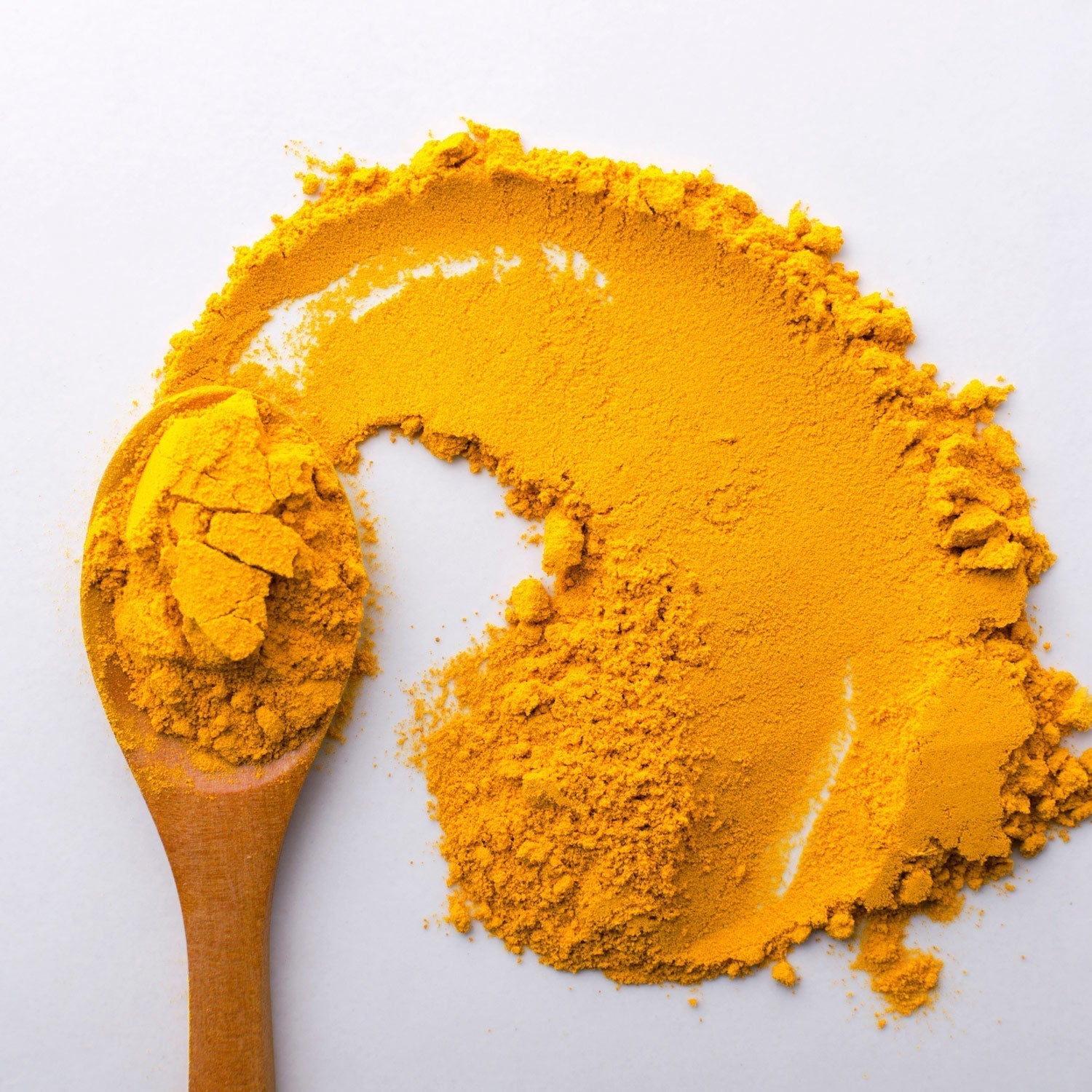
Curcumin: benefits for the body

Key takeaways
Curcumin is the active ingredient in turmeric; consuming powdered turmeric does not guarantee a sufficient functional intake.
Its documented benefits include chronic inflammation, oxidative stress, joint comfort, and skin health, at standardized doses and in highly bioavailable forms.
The bioavailability of native curcumin is less than 1%: the choice of galenic form is crucial for actual efficacy.
The effective dosage is between 500 and 1,500 mg of curcuminoids per day, with meals, for a minimum duration of 4 to 8 weeks.
Certain contraindications and drug interactions require special vigilance: anticoagulants, gallstones, pregnancy, chemotherapy.
For millennia, turmeric has occupied a central place in Ayurvedic medicine and Asian gastronomy. However, it is not the plant as a whole that concentrates most of its properties, but one of its active compounds: curcumin. This polyphenolic pigment, responsible for turmeric's characteristic orange-yellow color, is now the subject of considerable scientific interest. Hundreds of studies explore its effects on inflammation, oxidative stress, joint health, skin, and the balance of the gut microbiota.
Understanding the benefits of curcumin first means understanding the conditions under which it can actually act on the body. Because between the powder sprinkled in a curry and a curcumin food supplement, the difference is considerable and often crucial for the results obtained and the health benefits.
TABLE OF CONTENTS
Curcumin and turmeric: don't confuse the two
Turmeric and curcumin are two terms often used interchangeably, wrongly. Behind these two words lie very distinct realities, and this difference is essential to understand why not all turmeric products are created equal.
Turmeric, a plant; curcumin, an active ingredient
Turmeric (Curcuma longa) is an herbaceous plant native to Southeast Asia. Its dried and ground rhizome constitutes the powder used in cooking and phytotherapy. This powder contains starch, essential oils and especially curcuminoids, a family of polyphenols of which curcumin represents approximately 75 to 80% of the total.
The difference between curcumin and turmeric is therefore fundamental: turmeric is the raw plant as a whole, curcumin is its main active ingredient. It is what concentrates most scientific research and justifies the development of curcumin food supplements. Consuming powdered turmeric does not guarantee a sufficient intake of curcumin because its concentration in the raw plant remains low, between 2 and 5% of dry weight depending on the species and growing conditions.
Why curcumin concentration determines effectiveness
A turmeric extract standardized to 95% curcuminoids does not have the same action profile as a raw powder at 3%. In clinical studies, the doses used generally vary between 500 mg and 2,000 mg of standardized curcumin per day; levels inaccessible through diet alone, which justifies the use of concentrated forms. Standardization also guarantees the reproducibility of effects from one routine to another. An unstandardized product is exposed to significant variability in active ingredient content, making result evaluation difficult. This is one of the first criteria to check on the label of curcumin capsules.

The benefits of curcumin documented by science
Curcumin is one of the most studied natural active ingredients in nutraceutical research. Its effects have been evaluated in hundreds of clinical and preclinical trials, covering fields as varied as inflammation, cellular aging, joint health, and skin.
Chronic inflammation and regulation of pro-inflammatory cytokines
Among the best-documented benefits of curcumin is its action on inflammatory processes. Anti-inflammatory curcumin acts by blocking several signals that trigger and maintain inflammation in the body. By acting upstream of these mechanisms, it helps reduce the production of pro-inflammatory molecules involved in many functional imbalances.
A systematic review published in Foods (2017), covering more than 700 studies, confirmed this potential in humans. Its action is particularly relevant for low-grade, silent, and diffuse chronic inflammation, rather than acute inflammatory responses, which are a normal and necessary reaction of the body.
Oxidative stress and cell protection
Curcumin is also a powerful antioxidant, with a dual mechanism of action: it directly neutralizes free radicals and simultaneously stimulates the body's natural antioxidant defenses. This dual effect distinguishes it from common dietary antioxidants, whose action is most often limited to direct neutralization.
The overproduction of free radicals accelerates tissue aging, promotes the degradation of skin collagen, and alters cell integrity. In vivo studies have reported a measurable reduction in markers of oxidative stress after curcumin supplementation, confirming its relevance in contexts where the body is subjected to high oxidative pressure.
Joint health: what studies say
The benefits of curcumin for joints are among the most validated effects in human clinical trials. A systematic review and meta-analysis published in the Journal of Medicinal Food (2016), covering eight randomized controlled trials, concluded that curcumin supplementation significantly reduced joint pain and improved functional mobility compared to placebo.
Its action involves reducing local inflammatory processes and protecting articular cartilage from degradation. The galenic form is crucial here: optimized curcumin capsules produce significantly better results than raw turmeric powder.
Hepatic and digestive support
Curcumin also supports liver function by promoting bile production and contributing to natural detoxification functions. Experimental studies have shown a protective effect on liver cells in situations of high oxidative stress.
Regarding digestion, natural curcumin helps balance the intestinal mucosa and can help modulate discomfort associated with certain local inflammations of the digestive wall. These effects make it a relevant complementary active ingredient in wellness-oriented digestive protocols, strictly adhering to the boundary between nutritional and medical use.
Immunity and microbiota: a link under exploration
Recent research is exploring the impact of curcumin on the balance of the gut microbiota. It is thought to promote the growth of beneficial bacteria while limiting certain opportunistic pathogens, thus contributing to a better balance of the digestive flora. Preclinical data also suggest a positive effect on the modulation of immune responses.
This work is still partly extrapolated from animal models and requires confirmation in human clinical trials. Nevertheless, it reinforces the relevance of curcumin as a food supplement in a global nutritional strategy, well beyond its sole articular action.
The Real Problem with Curcumin: Its Bioavailability
Despite the extent of its documented properties, curcumin faces a major limitation: its oral absorption is naturally very low. This paradox—an active ingredient with remarkable effects but poorly absorbed in its raw form—has led the nutraceutical industry to develop advanced formulation strategies.
Native Curcumin: Why It Struggles to Cross the Intestinal Barrier
The bioavailability of native curcumin is estimated to be less than 1% after oral ingestion in several pharmacokinetic studies. The molecule is poorly soluble in water and rapidly degraded by the body before it even reaches the bloodstream. In practical terms, almost the entire ingested dose does not exert a measurable biological effect.
This observation explains why the choice of galenic form is as important as the dosage displayed on the label. A well-formulated optimized curcumin can produce effects that a raw powder at an equivalent dose will never achieve.
Optimized Forms
Several technologies have been developed to significantly improve bioavailable curcumin. There are many forms of curcumin. The combination with black pepper is the most recognized but can cause digestive discomfort. Liposomes significantly increase bioavailability with excellent digestive tolerance.
How to Read a Label to Assess the Real Efficacy of a Supplement
Choosing an effective curcumin in capsules requires knowing how to decipher the label. The first step is to distinguish the total turmeric extract dose from the effective dose of curcuminoids; it is this second figure that determines the product's actual biological activity. Beyond dosage, the formulation technology is equally crucial: the presence of liposomal microencapsulation or a phospholipid complex guarantees significantly higher absorption than a raw powder. A serious optimized curcumin combines both: an extract standardized to at least 95% curcuminoids and a bioavailability strategy identifiable on the label, as is the case with Biocyte's liposomal formula.
Usage Tips: Dosage, Timing, and Combinations
Simply choosing the right curcumin supplement is not enough: the conditions of intake directly influence the effectiveness of the routine. Dose, time of day, and combinations are three simple levers to activate to get the most out of it.
What daily dose of curcumin according to the objective?
A detail often overlooked on the label: the displayed dose of total turmeric extract is not equivalent to the effective dose of curcuminoids. It is this latter figure that matters for evaluating a product's potential efficacy. Irregular or too short supplementation does not allow for stable concentrations sufficient to observe measurable effects. Therefore, it is always necessary to follow the recommended dosage.
Morning or Evening, Fasting or with Meals: What Really Matters
Since curcumin is a lipophilic molecule, it is significantly better absorbed in the presence of dietary fats. Therefore, taking it with a meal containing lipids is strongly recommended, regardless of the meal chosen. On an empty stomach, absorption is significantly reduced, and some people report slight gastric irritation. Regarding morning or evening timing, there is no conclusive clinical data in favor of a specific time.
What to combine curcumin with to boost its effects?
Several combinations are well-documented depending on the desired objective. To enhance the anti-inflammatory action, omega-3s form a relevant synergy, as both active ingredients act on complementary pathways of the inflammatory cascade. Finally, in a global cellular protection approach, vitamin C or quercetin can potentiate curcumin's antioxidant action. In all cases, if you are taking medication, these combinations must be validated by a healthcare professional.
Precautions, Contraindications, and Interactions
Despite a generally favorable safety profile at nutritional doses, curcumin is not indicated indiscriminately for all populations. Identifying at-risk situations before starting supplementation is essential.
Populations for whom curcumin is not recommended
Curcumin is not recommended in cases of gallstones or obstruction of the bile ducts, as it stimulates gallbladder contraction and can trigger pain. It is also not recommended in cases of known allergy to plants of the Zingiberaceae family (turmeric, ginger). Due to its moderate anticoagulant effect, it is recommended to stop all supplementation at least two weeks before scheduled surgery. Finally, during pregnancy or breastfeeding, it is important to seek advice from a healthcare professional before any curcumin supplementation.
Drug Interactions to Monitor
The most significant side effects of curcumin concern its potential drug interactions. Combination with anticoagulants or antiplatelet agents (warfarin, aspirin, clopidogrel) can amplify the anticoagulant effect and increase the risk of bleeding; medical advice is therefore imperative before taking it.
Curcumin can also alter the efficacy or tolerance of drugs metabolized by the liver, particularly certain immunosuppressants or antihypertensives. In the context of chemotherapy, an interaction with certain cytotoxic agents is documented and requires prior oncological advice.
Curcumin and Liver: Distinguishing Uses from Risks
At usual nutritional doses, curcumin has a favorable hepatic profile and can even contribute to protecting liver cells from oxidative stress. However, cases of hepatotoxicity have been reported, most often with combined formulas of opaque composition or at doses far exceeding recommendations. Choosing a standardized, traceable curcumin supplement with a clearly indicated dosage remains the best protection against these rare but real risks.
FAQ — All You Need to Know About the Benefits of Curcumin
What are the benefits of curcumin for joints?
Curcumin for joints is one of the most clinically validated effects in humans. Several randomized trials have shown a reduction in joint pain, improved mobility, and a decrease in inflammatory markers.
Curcumin with piperine: is it really necessary?
Not necessarily. Curcumin with piperine significantly improves absorption, but it's not the only option. Phytosomes and liposomal formulas achieve comparable or superior levels, without the potential digestive discomfort of piperine.
Is curcumin effective against chronic inflammation?
Available data are favorable. Anti-inflammatory curcumin acts by blocking several signals at the origin of chronic inflammation, with a measurable impact on biological markers in several clinical studies. Efficacy remains conditional on the form used: unformulated natural curcumin produces minimal effects, unlike optimized curcumin with high bioavailability.
When should you avoid taking curcumin?
In cases of gallstones, anticoagulant treatment, ongoing chemotherapy, or before surgery. During pregnancy or breastfeeding, it is important to seek advice from a healthcare professional before any supplementation. The most common side effects at high doses are digestive, such as mild nausea or loose stools, and are reversible upon discontinuation.
Sources
- Hewlings, S.J. & Kalman, D.S. (2017). Curcumin: A Review of Its Effects on Human Health. Foods, 6(10), 92.
- Panahi, Y. et al. (2016). Curcuminoid treatment for knee osteoarthritis: a randomized double-blind placebo-controlled trial. Phytotherapy Research, 28(11), 1625–1631.
- Shoba, G. et al. (1998). Influence of piperine on the pharmacokinetics of curcumin in animals and human volunteers. Planta Medica, 64(4), 353–356.
- Gupta, S.C. et al. (2013). Therapeutic roles of curcumin: lessons learned from clinical trials. The AAPS Journal, 15(1), 195–218.
- Daily, J.W. et al. (2016). Efficacy of turmeric extracts and curcumin for alleviating the symptoms of joint arthritis. Journal of Medicinal Food, 19(8), 717–729.
- Dei Cas, M. & Ghidoni, R. (2019). Dietary curcumin: correlation between bioavailability and health potential. Nutrients, 11(9), 2147.
- Tayyem, R.F. et al. (2006). Curcumin content of turmeric and curry powders. Nutrition and Cancer, 55(2), 126–131.