What is snacking and why does it occur?
Snacking refers to eating between meals, often spontaneously, which is unrelated to genuine physiological hunger. It stems from an imbalance between the brain's satiety signals and reward signals, particularly through the dopaminergic system. Contrary to what some might think, it does not always reflect a lack of willpower, but rather a biological response to poorly regulated internal or external stimuli.
These untimely snacks often become eating habits rooted in daily routines, specific emotional contexts, or moments of low energy. Understanding their origin is the first step toward better anticipating them and restoring a lasting dietary balance.
What are the main causes of cravings?
Cravings are driven by several distinct mechanisms. From a glycemic perspective, a sudden drop in blood sugar after a meal high in simple sugars creates a feeling of hunger, sometimes accompanied by irritability or fatigue, which leads to a sugary or high-calorie snack. This vicious cycle perpetuates energy fluctuations that make it harder to manage portions and control calorie intake throughout the day.
Emotional snacking is another common cause: stress, boredom, or unregulated emotions activate food-based coping mechanisms that are well documented in neuroscience. In this context, cravings for sugar between meals do not respond to any real energy need, but rather to a need for internal regulation, making it particularly difficult to manage food cravings without targeted support.
Which nutrients help control appetite?
Several nutrients are known to play a role in regulating hunger and promoting lasting satiety. Dietary fiber, particularly soluble fiber, slows gastric emptying and prolongs the feeling of fullness after meals. It also helps stabilize blood sugar, thereby reducing the energy spikes and dips that promote snacking.
Chromium is a trace element that contributes to the normal metabolism of macronutrients and the maintenance of normal blood sugar levels, according to EFSA-approved health claims. By supporting the body's use of glucose, it can help limit the sudden energy fluctuations associated with cravings. When included in a balanced diet, these nutrients provide a solid foundation for daily appetite control.
What active ingredients are found in anti-snacking dietary supplements?
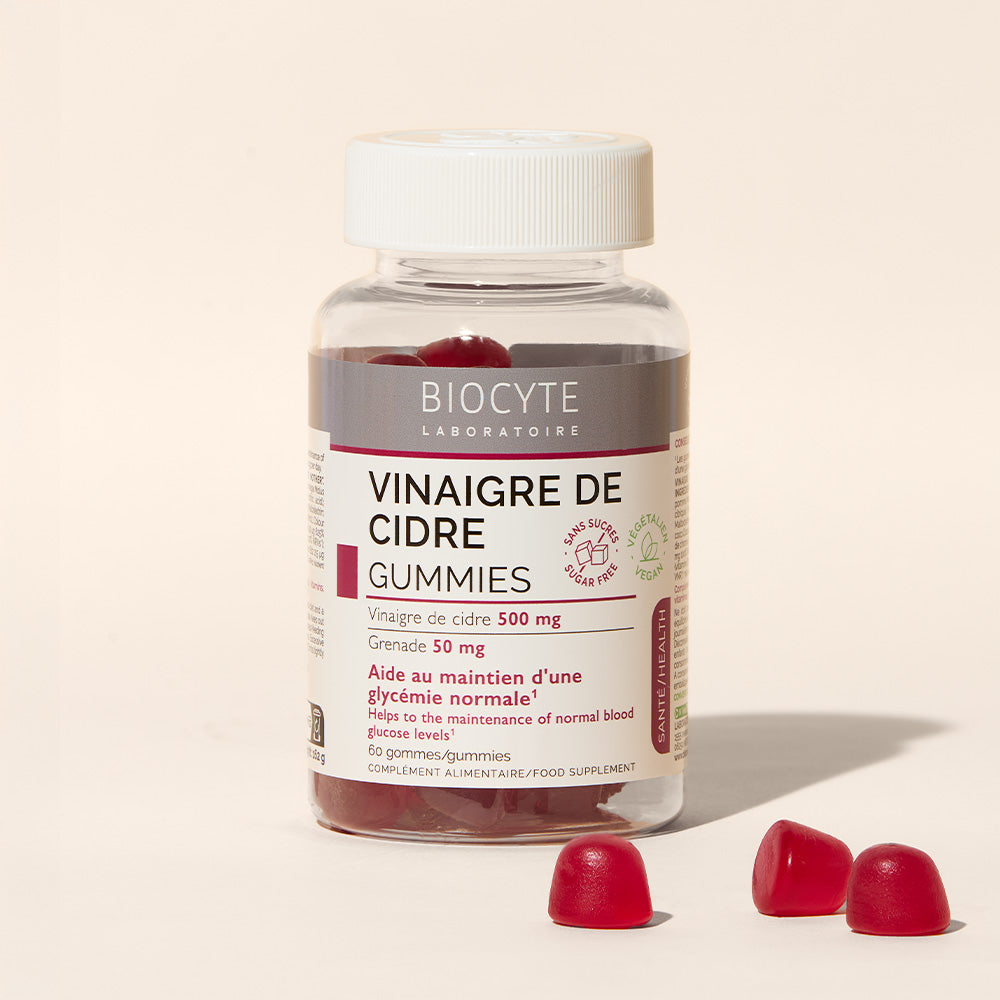
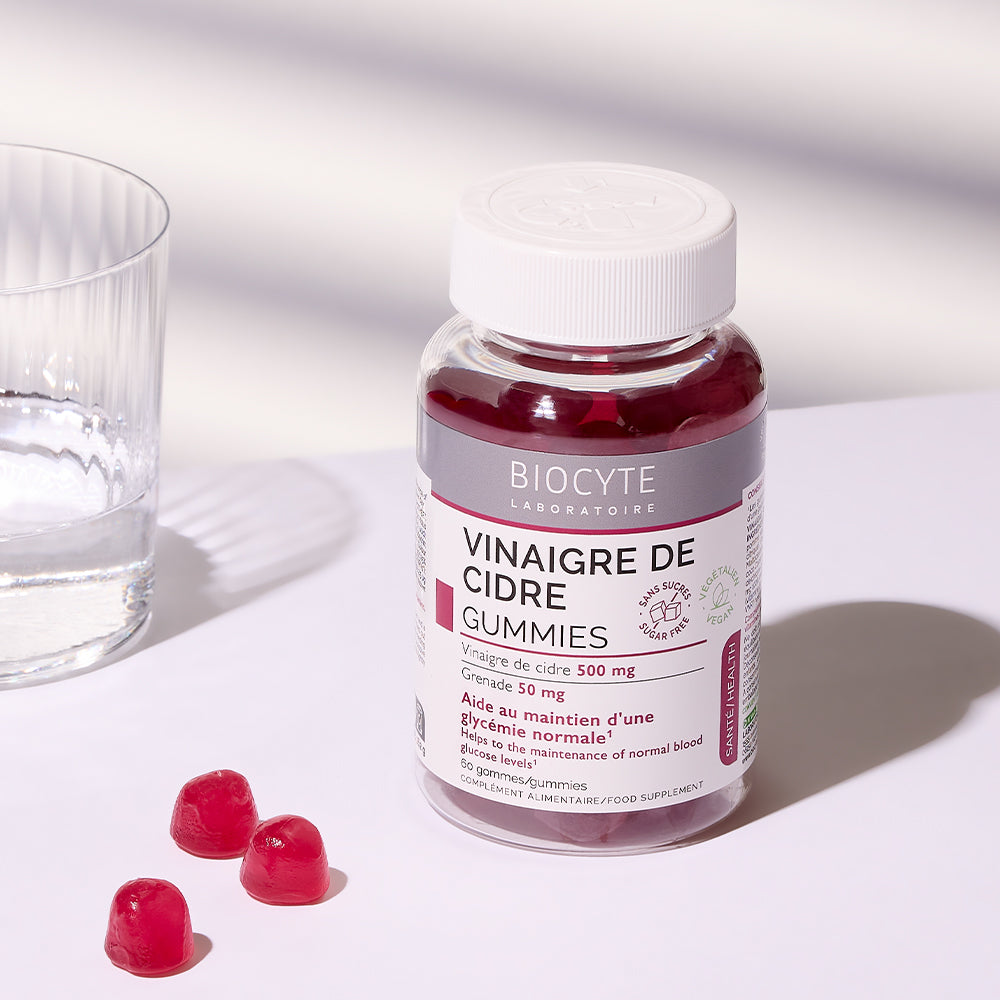
Anti-snacking dietary supplements combine several active ingredients with complementary mechanisms. Apple cider vinegar helps slow gastric emptying and modulate the glycemic response after meals, thereby prolonging the feeling of fullness. Pomegranate, rich in polyphenols, supports overall metabolic balance.
Chromium, in the form of picolinate for optimal bioavailability, contributes to the normal metabolism of carbohydrates and the maintenance of normal blood sugar levels, according to EFSA-approved health claims. Vitamins B6, B9, and B12 complement this action by supporting energy metabolism and the functioning of the nervous system, two factors directly linked to managing food cravings.
How to choose an anti-snacking dietary supplement?
Choosing an anti-snacking dietary supplement should be based on several essential criteria. The quality and dosage of the active ingredients are crucial: chromium picolinate will only have an effect on glycemic regulation at sufficient, bioavailable doses, and transparency regarding the formula's composition remains a reliable indicator of its quality. Formulas that are too diluted offer little assurance of their actual effectiveness.
It is also important toidentify your specific goal: is it to reduce sugar cravings, better manage emotional snacking, or support a more comprehensive dietary rebalancing? Each profile requires a targeted formulation. In any case, an anti-snacking dietary supplement is a supportive tool, not a substitute for a structured diet.
How to limit cravings throughout the day?
Several practical approaches can help better regulate cravings without automatically reaching for a snack between meals. Structuring meals with a sufficient amount of protein and dietary fiber from the morning helps stabilize blood sugar for several hours and delay the onset of hunger. Drinking enough water also plays a significant role, as mild dehydration is frequently mistaken for a craving.
Regarding eating habits, anticipating vulnerable times during the day, whether it is the afternoon break or returning home at the end of the day, helps better organize mealtimes and avoid impulsive behaviors. Combining this organization with a suitable anti-snacking dietary supplement strengthens long-term management of food cravings, especially as part of a weight-loss program or dietary rebalancing.
Which dietary supplements can support a weight-loss program?
As part of a goal for weight loss or weight management, an anti-snacking dietary supplement is part of a broader approach. It can be combined with active ingredients that act on fat metabolism, energy management, or the balance of the intestinal microbiota, whose link with appetite regulation is increasingly well documented. The goal is not to mechanically reduce calorie intake, but to restore a more balanced relationship with food and limit dietary lapses linked to compulsive hunger.
Biocyte, a pioneer in nutricosmetics in France, offers formulas that incorporate this holistic approach, designed to adapt to individual needs as part of a weight-loss program or gradual dietary rebalancing. The effectiveness of such support depends on the coherence of the formula, the quality and dosage of the active ingredients, and also on consistent intake over time.
Why combine an anti-snacking dietary supplement with good eating habits?
An anti-snacking dietary supplement is only fully effectivewithin a structured dietary context. Taken on its own, without addressing underlying eating habits, it may provide temporary support without lasting changes to behaviors related to emotional snacking or poor food combinations. However, when integrated into a dietary rebalancing approach, it strengthens every measure put in place.
Learning to distinguish physiological hunger from a simple craving, spacing out meals properly, limiting high-glycemic foods, and exercising regularly are all key pillars that, combined with a well-chosen weight-loss supplement, can help achieve visible and lasting results in daily weight management and calorie control.
FAQ – Anti-Snacking
What is the best anti-snacking dietary supplement?
There is no universal formula: the most suitable anti-snacking dietary supplementdepends on each person's profile and goals. For satiety, formulas based on konjac glucomannan are among the best documented. For managing sugar cravings, active ingredients that act on blood sugar, such as chromium or gymnema, are more relevant. Ideally, a formula combining several complementary active ingredients at validated and clearly indicated dosages is best.
How to avoid sugar cravings between meals?
Between-meal sugar cravings are often a sign of glycemic instability caused by a diet too high in simple carbohydrates or meals that are not filling enough. Incorporating morefiber and protein into main meals is the first step. Additionally, certain active ingredients such as chromium or hypoglycemic plant extracts can help stabilize these fluctuations and naturally space out sugar cravings.
Which active ingredients are most commonly used to reduce cravings?
Among the active ingredients most commonly used in anti-snacking dietary supplements are apple cider vinegar for its effect on satiety and the glycemic response, chromium for regulating carbohydrate metabolism, and pomegranate for its antioxidant support of metabolic balance. Vitamins B6, B9, and B12 are also frequently included for their role in energy metabolism and the proper functioning of the nervous system.
Does an anti-snacking dietary supplement help with weight loss?
An anti-snacking dietary supplement cansupport a weight-loss goal by helping to reduce impulsive eating and better control daily calorie intake. It does not replace dietary rebalancing or regular physical activity, but it is a useful supportive tool for people who struggle to control their food cravings between meals as part of a weight-loss program.
When should you take an anti-snacking dietary supplement?
The time of intake depends on the formula and its active ingredients. Supplements based on apple cider vinegar are generally taken before meals to maximize their effect on satiety and the glycemic response. In any case, it is recommended to read the directions carefully and follow the recommended duration of use to observe lasting effects.
What is the difference between hunger and a craving to snack?
Physiological hunger develops gradually and is associated with real bodily signals such as a rumbling stomach or a drop in energy. It disappears after a balanced meal. A craving to snack, on the other hand, often occurs suddenly, focuses on a specific food (often sugary or fatty), and is frequently triggered by an emotional context or an external stimulus such as a smell or image. Learning to distinguish these two signals is a fundamental pillar of dietary rebalancing.
Are anti-snacking dietary supplements suitable for everyone?
Anti-snacking dietary supplements are generally well tolerated by healthy adults. They are not recommended for pregnant or breastfeeding women, nor for people taking medication without prior medical advice. Some active ingredients, such as glucomannan, require sufficient hydration to be taken under optimal conditions. If in doubt, a healthcare professional remains the best person to consult for guidance on the most suitable formula.
How long does it take to see results?
The first effects on satiety and reduced cravings may be felt within the first few days for volume-based active ingredients. However, a lasting effect on eating habits and weight management generally requiresregular intake over several weeks, ideally combined with gradual dietary rebalancing. Consistency and coherence of the overall approach remain the most important factors for observing concrete results.


 Skin
 Hair & Nails
 Sun Care
 Slimming
 Health
 K-Biocyte
 Clinical