Bovine collagen: understanding its benefits and choosing the right one
THEbovine collagencollagen is generating increasing interest in the world of nutricosmetics and supplements dedicated to joint comfort and skin beauty. A major structural protein in the human body, collagen contributes to the architecture of connective tissues. With age, oxidative stress, and certain environmental factors, the natural production of collagen gradually decreases. This physiological change can result in a decrease in...skin elasticity, a loss of firmness or a feeling of joint stiffness.
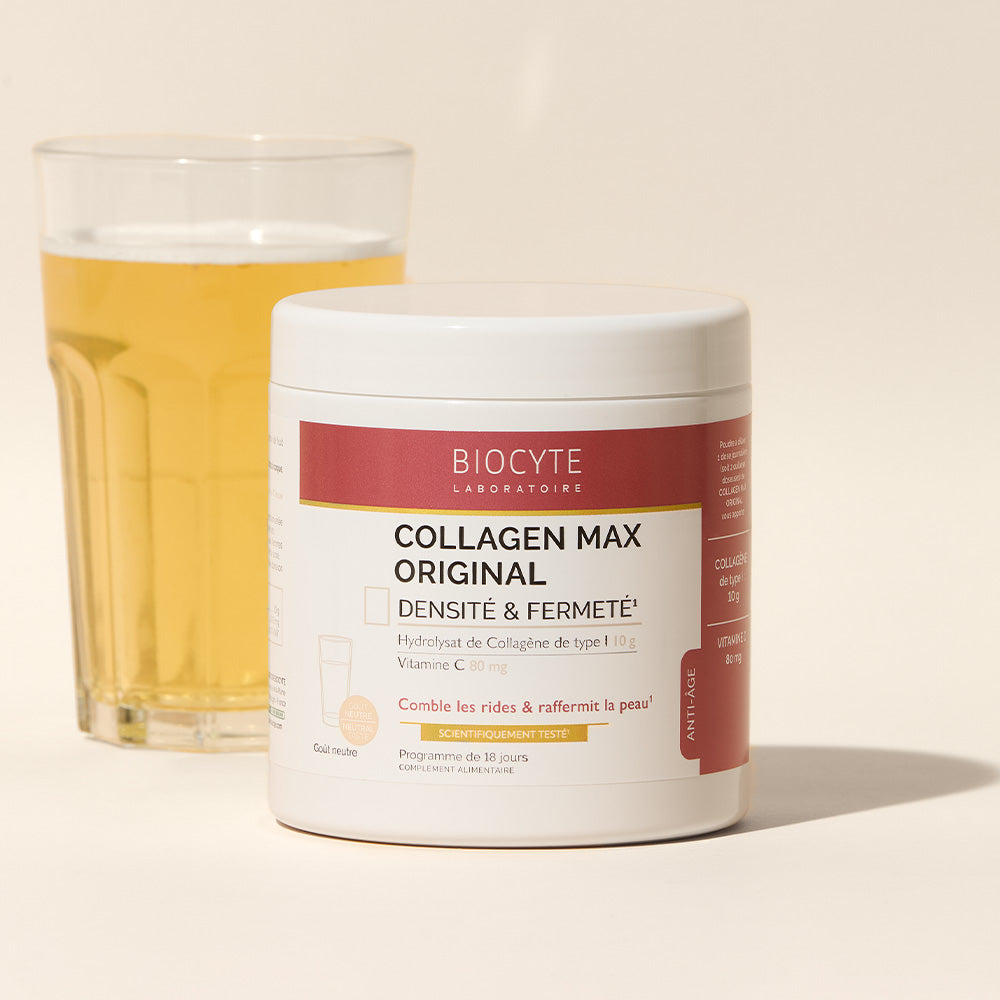
In this context, bovine collagen integrates as a collagen food supplement aimed at supporting skin and musculoskeletal structures. However, not all formulas are created equal. Hydrolysis, purity, dosage, and synergy with vitamin C and collagen are key criteria for selecting a truly high-quality product.
What is bovine collagen?
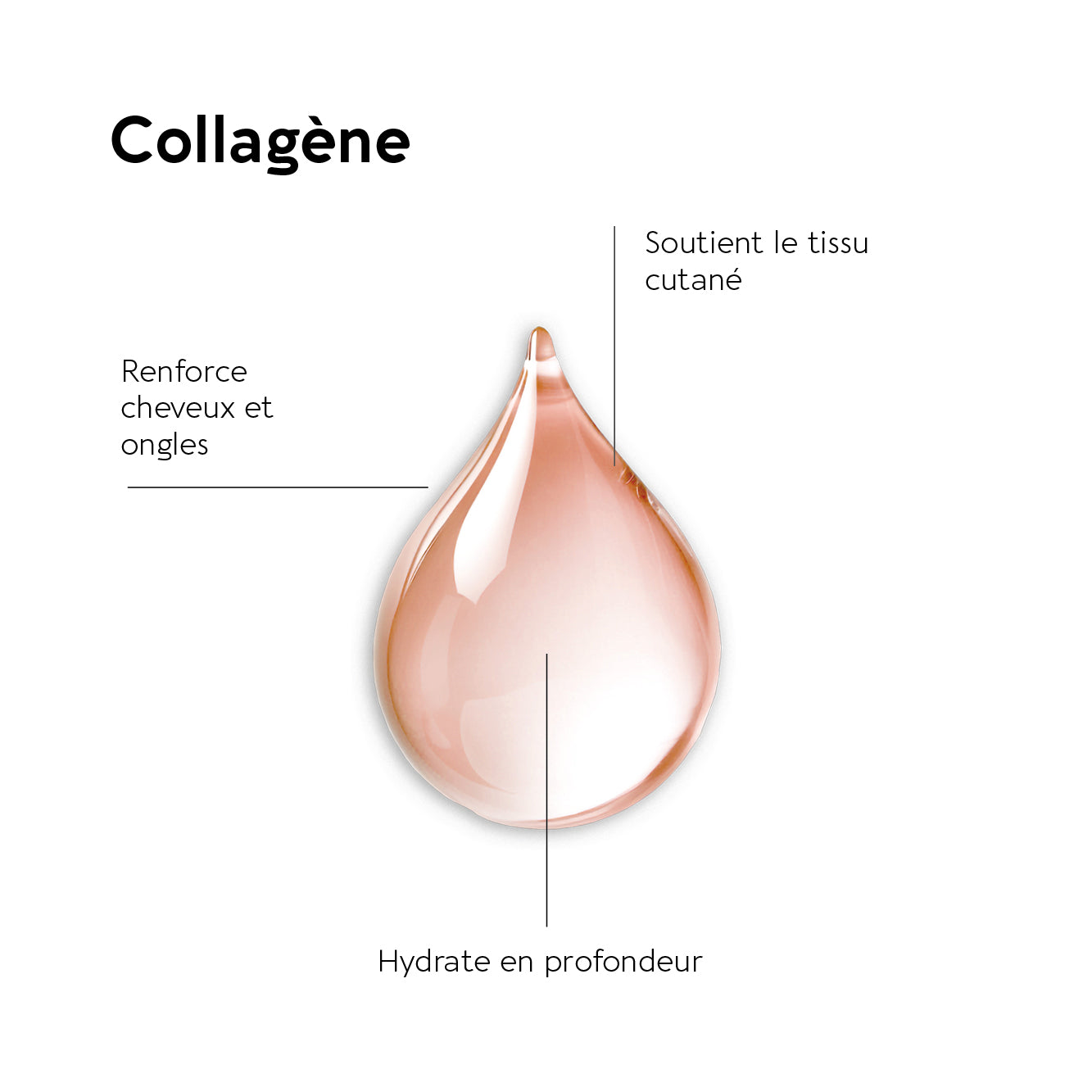
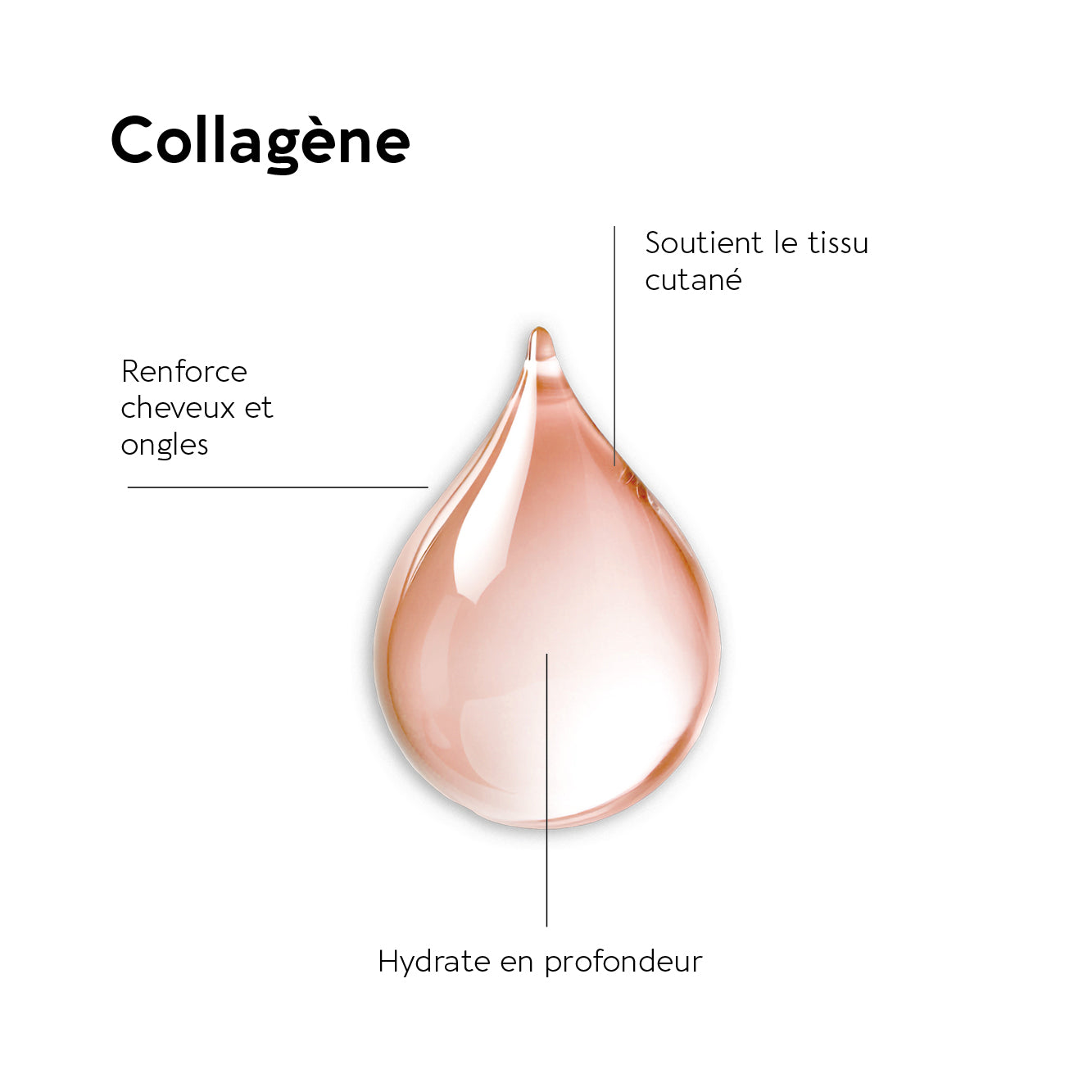
THEbovine collagenis a protein extracted from bovine tissues, then purified and processed for use in supplements. Biologically, it is rich incollagen type I and III, two forms widely present in the skin, tendons, ligaments and bone. Type I contributes mainly to the strength and density of the extracellular matrix, while type III participates in the flexibility and organization of the fibers.
The structure of collagen is based on a triple helix composed of specific amino acids such as glycine and proline. When we talk aboutbovine collagen peptidesThese are fragments resulting from a hydrolysis process that yields smaller, more easily absorbed molecules. This technical transformation is essential to make thehydrolyzed bovine collagencompatible with efficient absorption and optimal use by the body.
Why choose bovine collagen as a dietary supplement?
The choice of bovine collagen is based on its composition of types I and III, which are particularly relevant for skin and connective tissue health. As a collagen dietary supplement, it provides specific peptides that can support the natural dynamics of fibroblasts, cells involved in the synthesis of the dermal matrix. The goal is not to replace existing collagen, but to provide structural elements and nutritional signals that align with physiological needs.
Clinical studies conducted on collagen peptides generally evaluate measurable parameters such as skin elasticity, hydration, or joint comfort over several weeks. The quality of the hydrolyzed bovine collagen, its molecular weight, and its dosage strongly influence the observed results. In this approach, the associationvitamin C and collagenis relevant since vitamin C contributes to normal collagen formation, thus strengthening the biological coherence of the formula.
Bovine collagen: what are the benefits for skin, joints and bones?
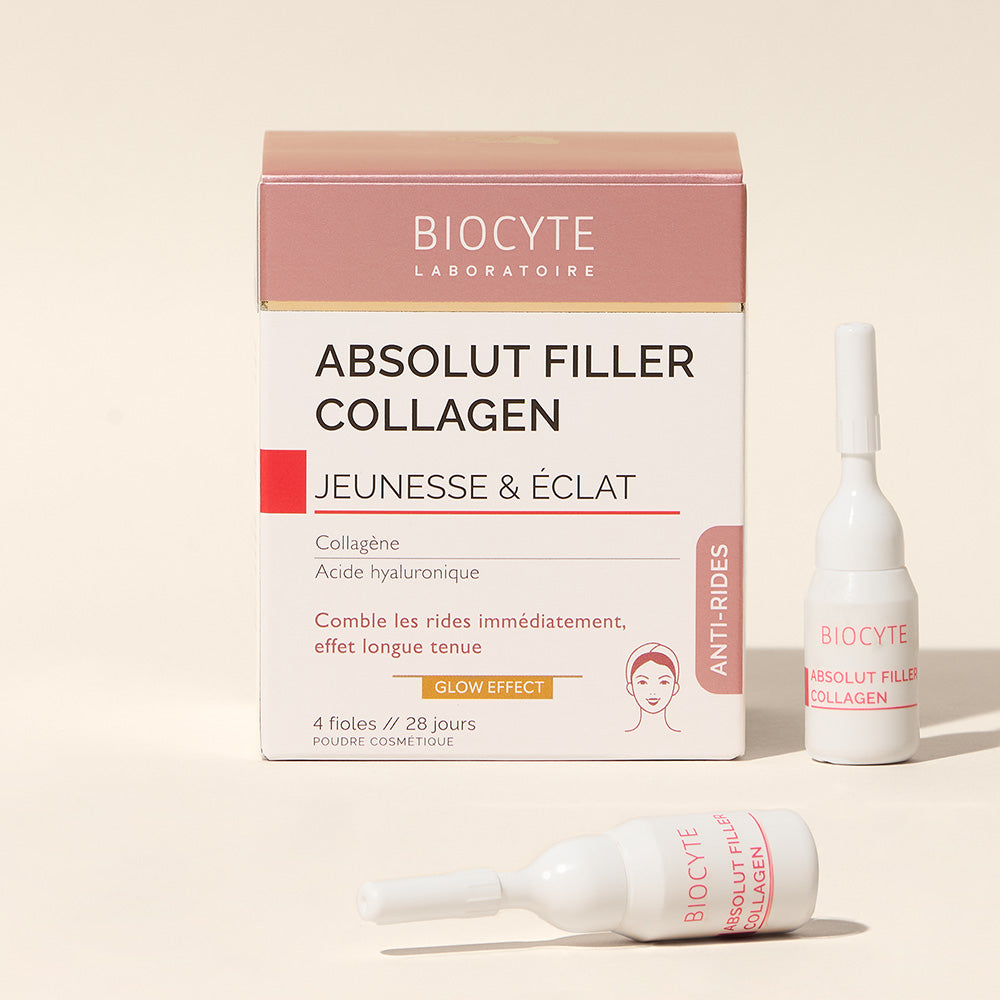
For the skin, thecollagen for the skinThis is sought after to support skin firmness and elasticity. The dermal matrix, composed mainly of type I and III collagen, ensures tissue cohesion and strength. Supplementation with bovine collagen peptides can help support skin elasticity and a smoother appearance, in a process often referred to as anti-aging collagen, without claiming any medical action.
Regarding mobility, the collagen for the joints aims to support joint comfort by bolstering the structure of connective tissues such as tendons and ligaments. Collagen also plays a structural role in bone, contributing to the organic matrix that supports bone density. In a holistic approach, bovine collagen is thus integrated into a coherent nutritional strategy combining protein, micronutrients, and appropriate physical activity.
Hydrolyzed bovine collagen: what is the difference and what are the advantages?
Hydrolyzed bovine collagen is a form that has been enzymatically pre-cleaved into shorter peptides. This hydrolysis improves solubility and facilitates intestinal absorption, clearly distinguishing this form from unprocessed native collagen. The resulting bovine collagen peptides have a reduced molecular weight, ensuring optimal distribution throughout the body.
The quality of bovine collagen therefore depends primarily on its degree of hydrolysis, its purity, and its traceability. A well-formulated product prioritizes standardized peptides and rigorous quality controls. Following this scientific approach, adopted by expert nutricosmetic laboratories like Biocyte, innovation relies on the technological mastery of hydrolysis and the selection of targeted biomolecular active ingredients.
How to choose the best bovine collagen?
Choosing the best bovine collagen involves examining several key parameters: clear labeling as hydrolyzed bovine collagen, the presence of type I and III collagen, the daily dosage in grams, and transparency regarding the bovine collagen peptide content. A good collagen supplement should also indicate its traceability and limit unnecessary excipients.
Synergy is another key criterion. The combination of vitamin C and collagen optimizes the physiological coherence of the formula. Finally, regular use and a dosage adapted to the objectives, whether it's collagen for the skin or...collagen for the jointsare essential to incorporate supplementation into a structured and measurable strategy.
Bovine collagen in powder, capsules or liquid form: which format is best?
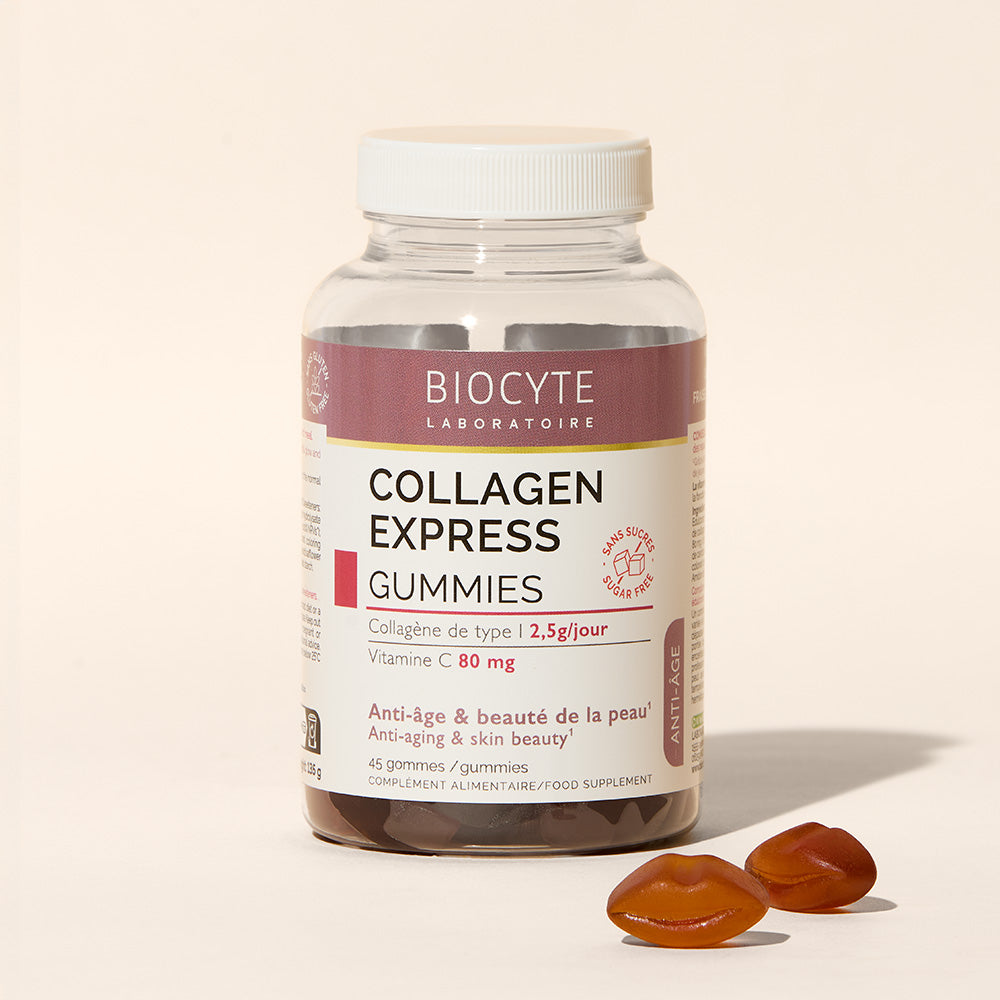
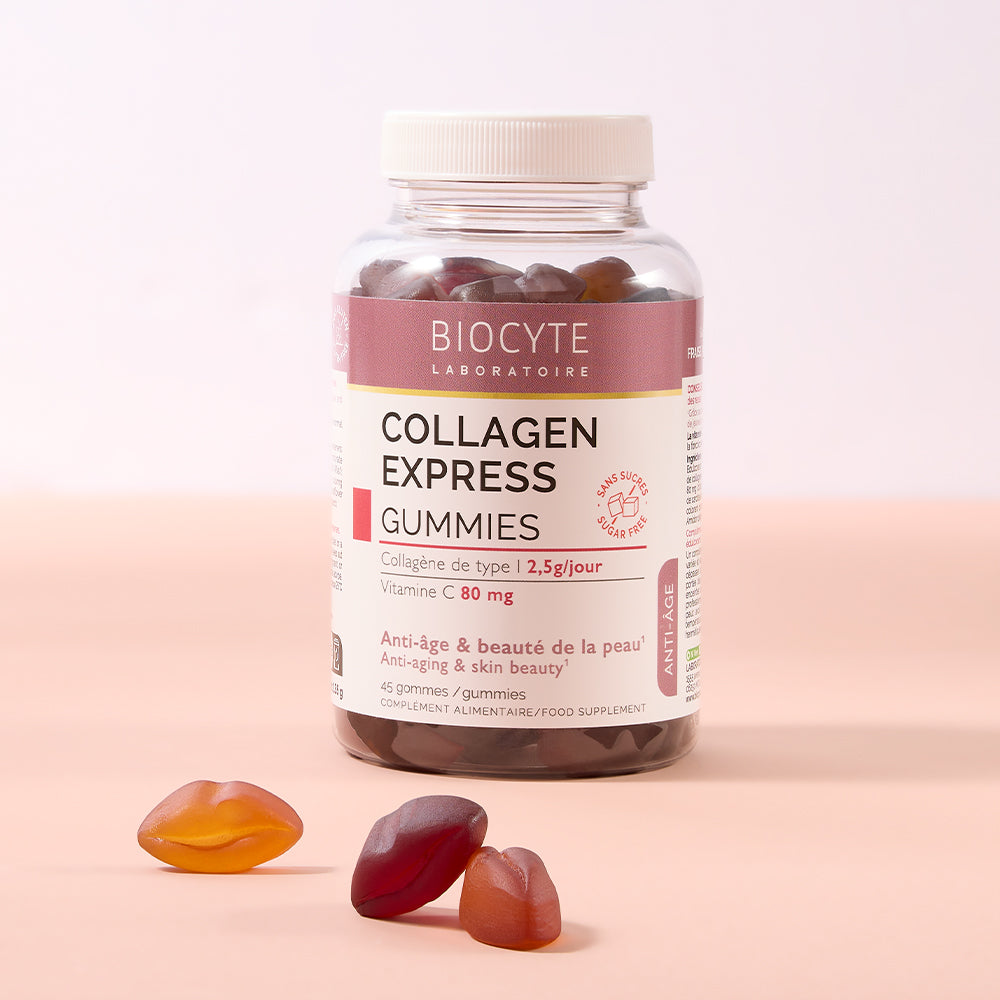
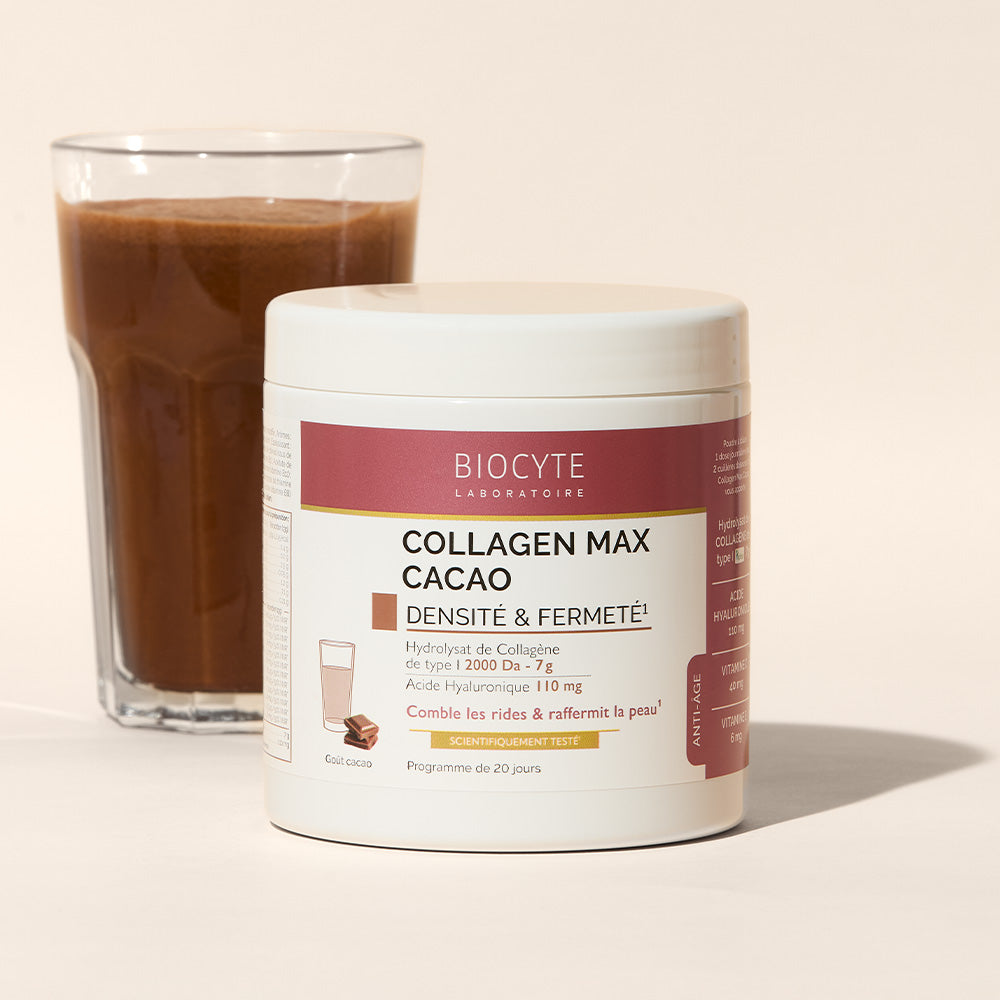
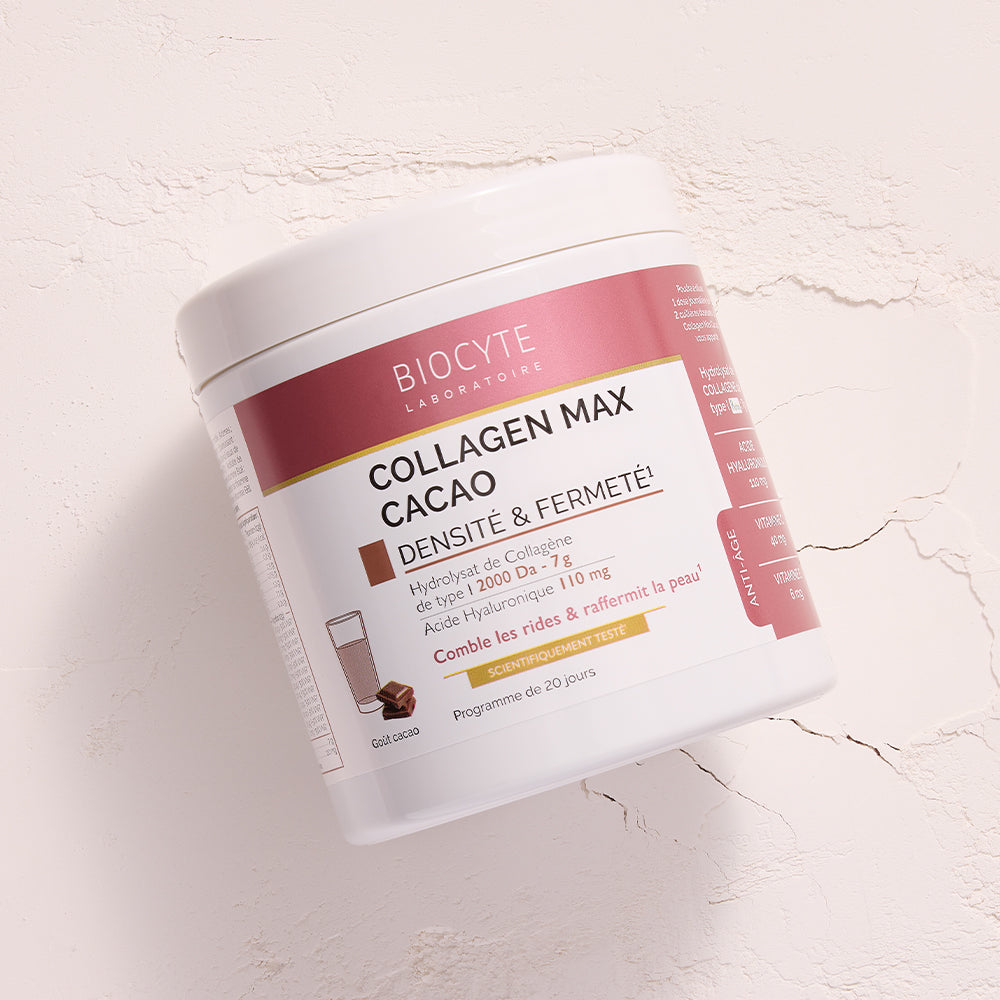
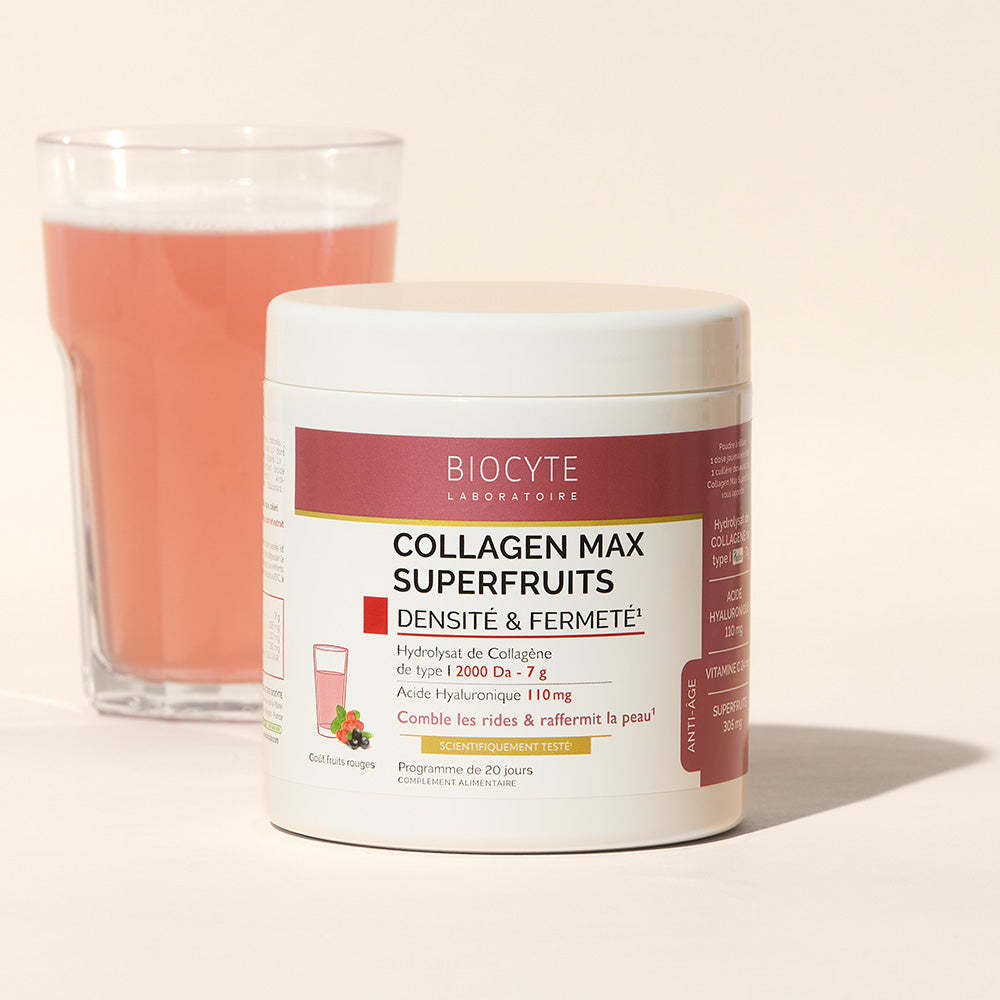
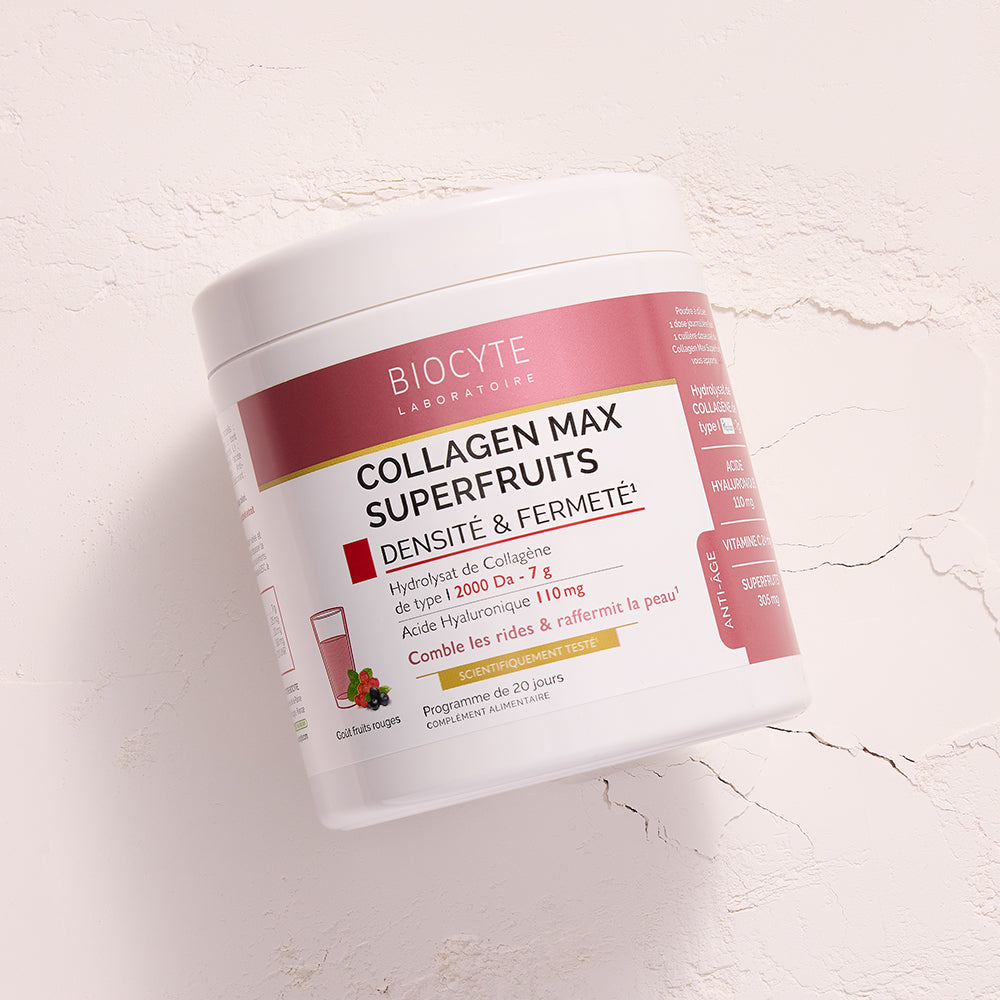
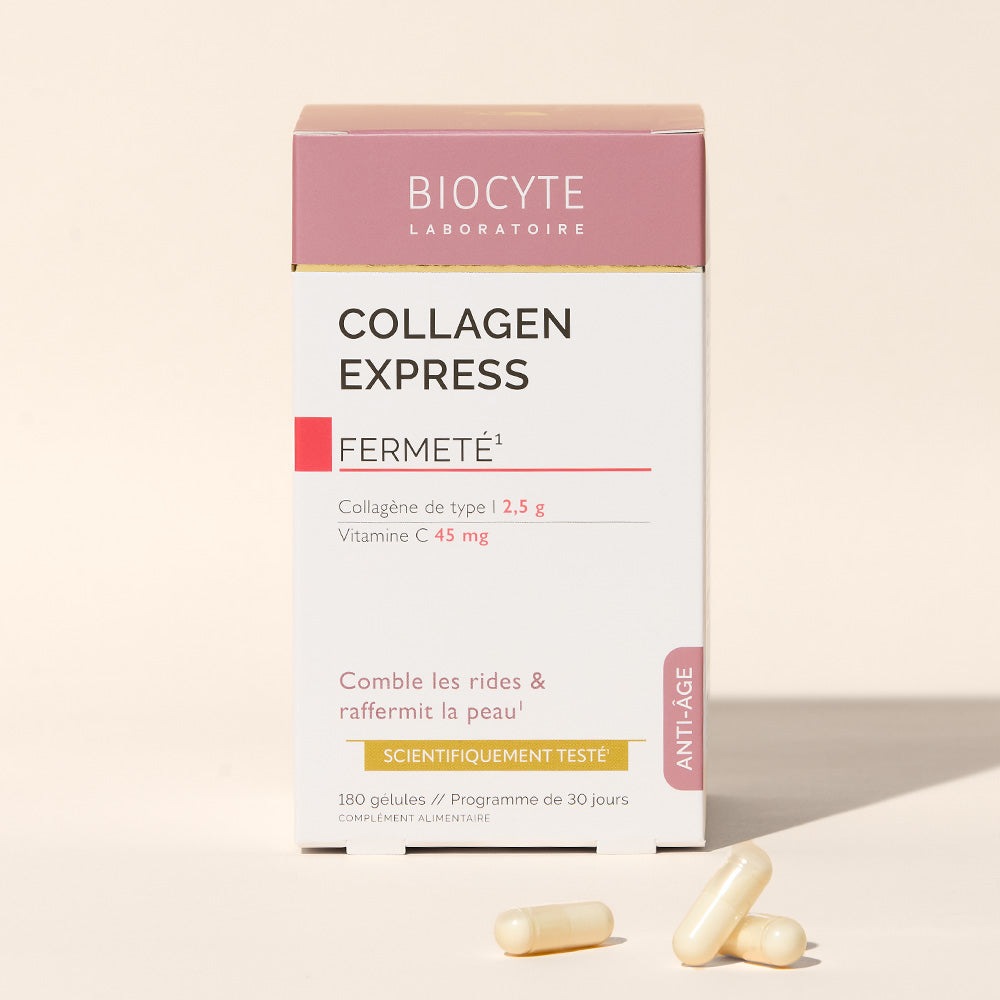
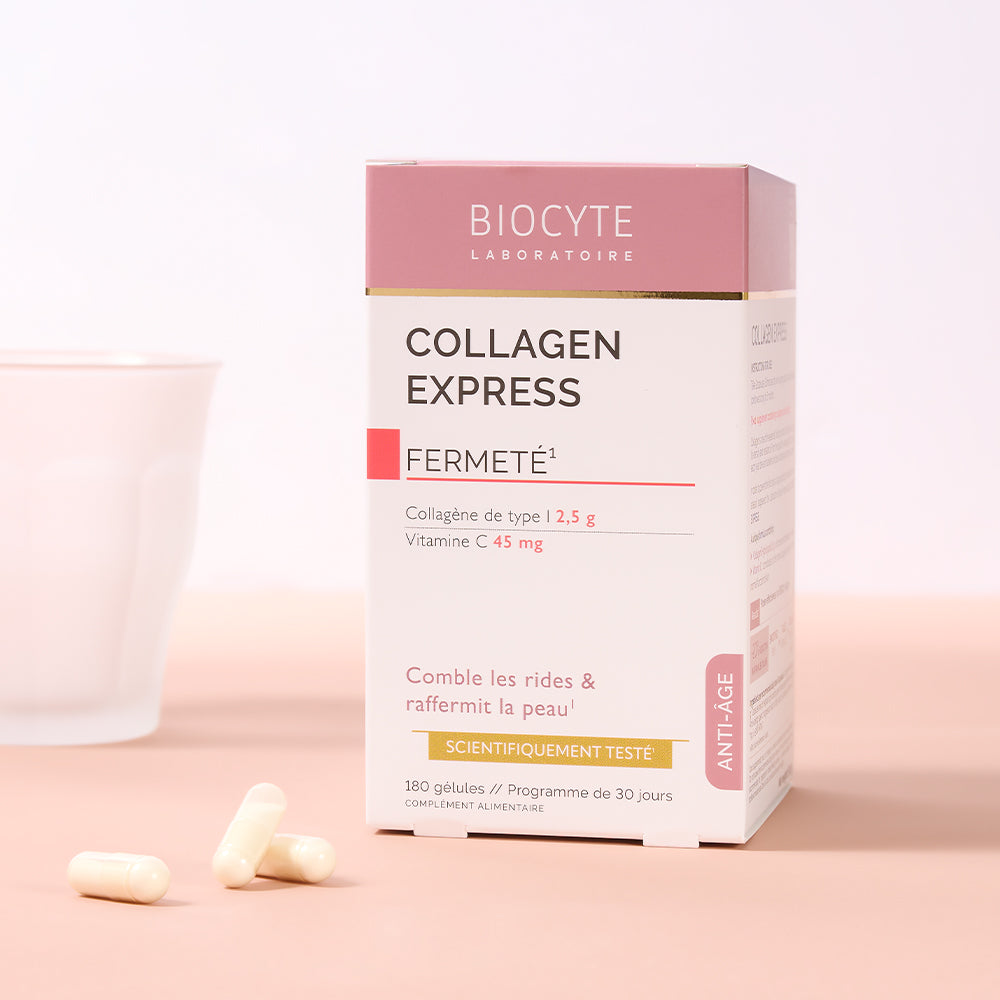
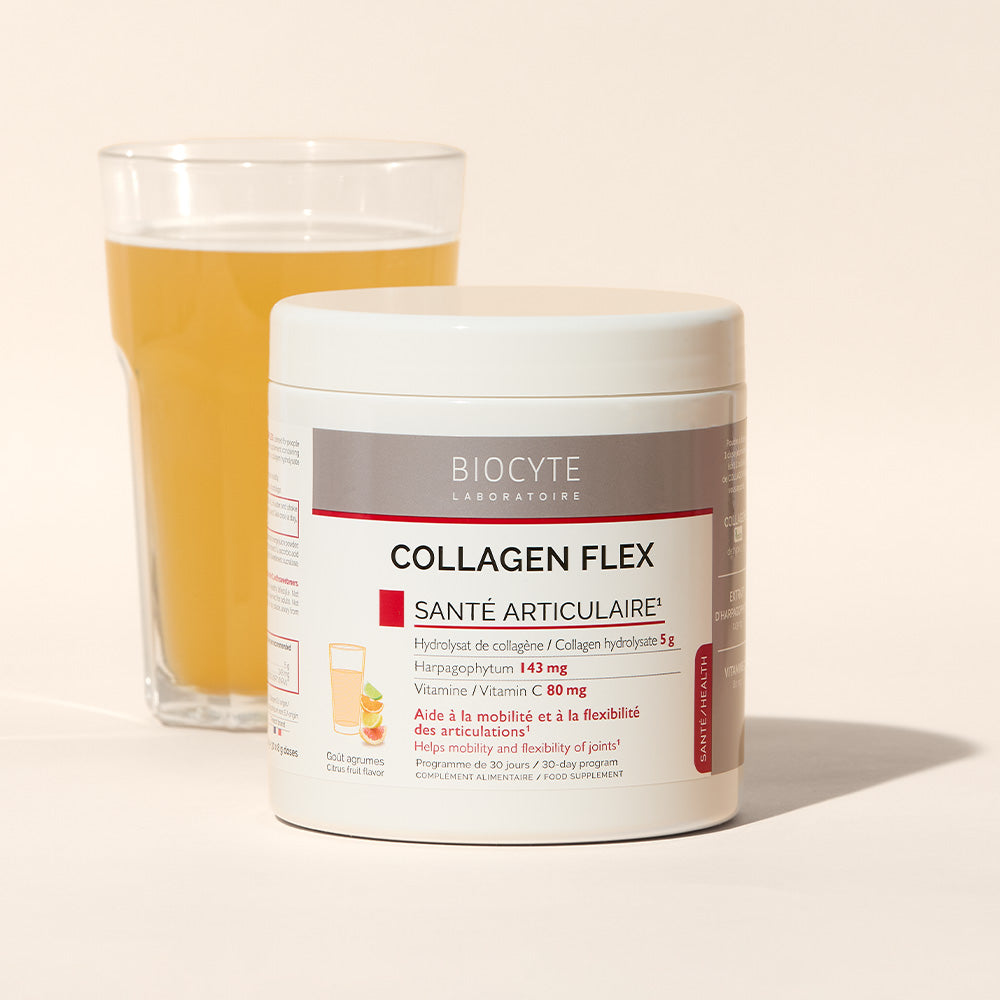
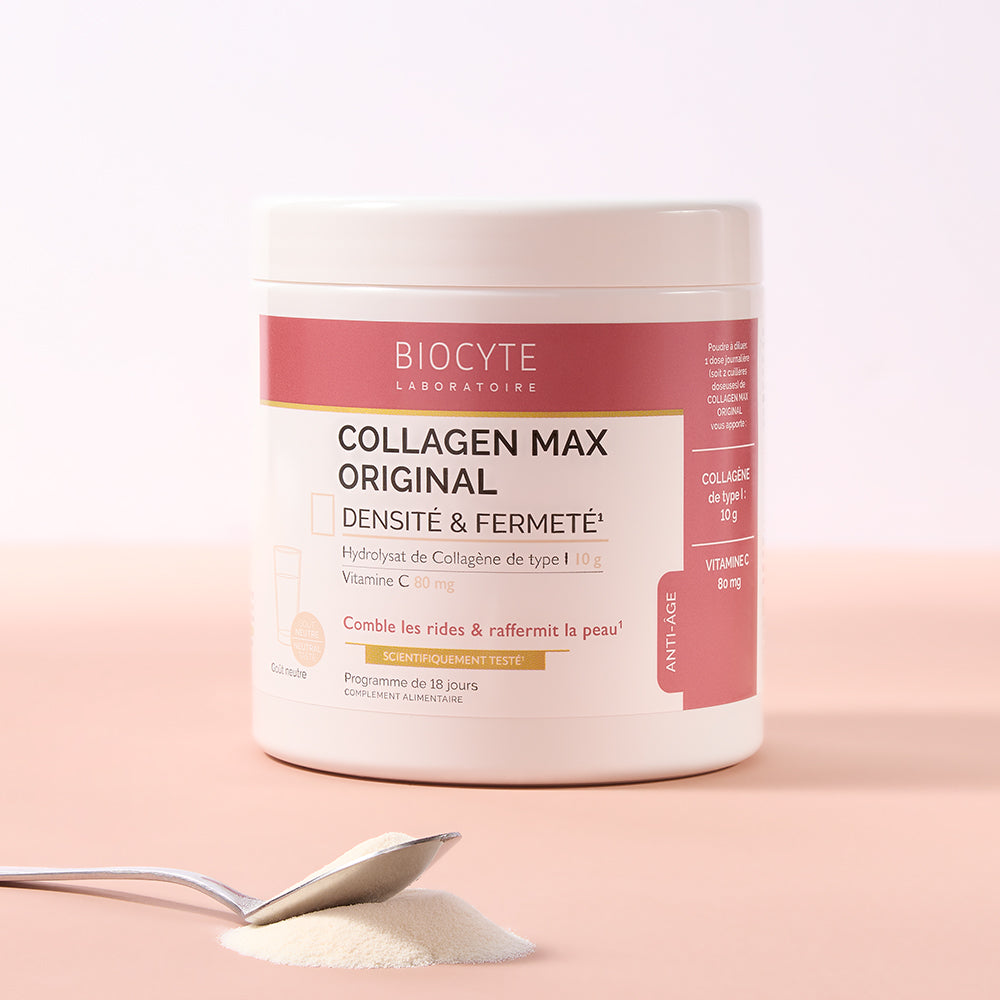
THEcollagen powderIt generally makes it easier to reach intakes in grams that comply with peptide studies. It is easily incorporated into a drink or daily meal, which facilitates regularity.collagen capsulesIt offers great practicality and is suitable for people looking for a discreet and portable format, although the number of capsules may be higher to achieve an optimal dosage.
The choice of format therefore depends primarily on lifestyle and the ability to maintain a regular intake. Regardless of the medium, the essential factors remain the quality of the bovine collagen, its degree of hydrolysis, its purity, and the overall consistency of the formula.
FAQ: Everything you need to know about bovine collagen
What is the difference between bovine collagen and marine collagen?
The difference between bovine and marine collagen lies primarily in the origin of the raw material. Bovine collagen is often rich in type I and III collagen, while marine collagen is predominantly type I. However, quality depends mainly on the degree of hydrolysis, purity, and dosage. There is no strict hierarchy: a well-formulated hydrolyzed bovine collagen can be just as effective as ahigh-quality marine collagen.
Is bovine collagen effective for joints?
Bovine collagen is frequently used in approaches aimed at improving joint comfort. Bovine collagen peptides support the matrix of connective tissues such as tendons and ligaments. Clinical studies typically evaluate functional criteria over several weeks. Regular use and appropriate dosage are key factors for optimizing the experience.
Is bovine collagen good for skin and wrinkles?
In a collagen approach for the skin oranti-aging collagenBovine collagen contributes tosupports skin elasticity and firmnessStudies on peptides observe measurable improvements in parameters such as elasticity after several weeks.
What dose of bovine collagen should I take per day?
The dose of bovine collagen varies depending on the objective and the chosen form. Peptide studies typically use several grams per day. Powdered collagen makes dosage adjustments easier, while capsules sometimes require multiple doses. Daily consistency remains essential for a coherent approach.
How long does it take to see the effects of bovine collagen?
The effects of bovine collagen are generally observed after several weeks, corresponding to the rate of tissue renewal. Clinical studies often measuredevelopments over 8 to 12 weeksRegarding skin elasticity or joint comfort, the quality of the hydrolyzed bovine collagen and the regularity of use influence the perceived results.
 Skin
Skin Hair & Nails
 Sun Care
 Slimming
 Health
 K-Biocyte
 Clinical