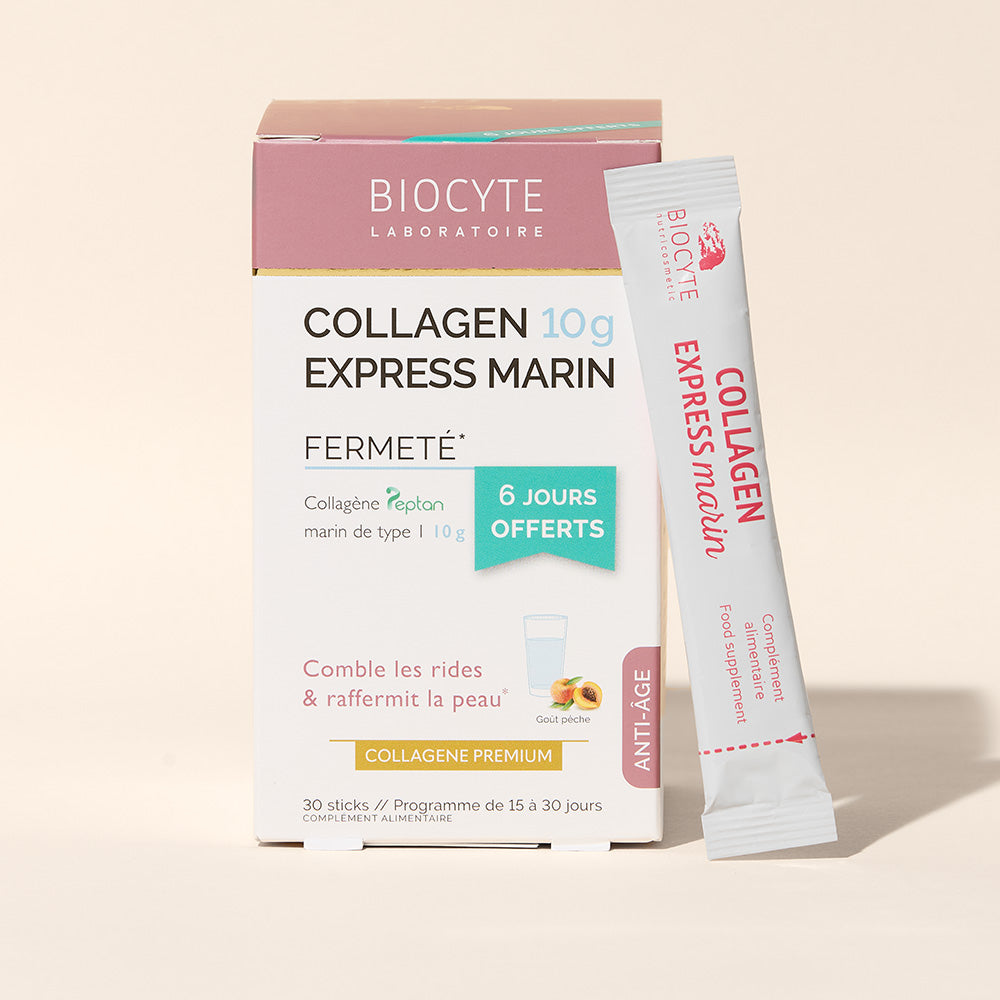
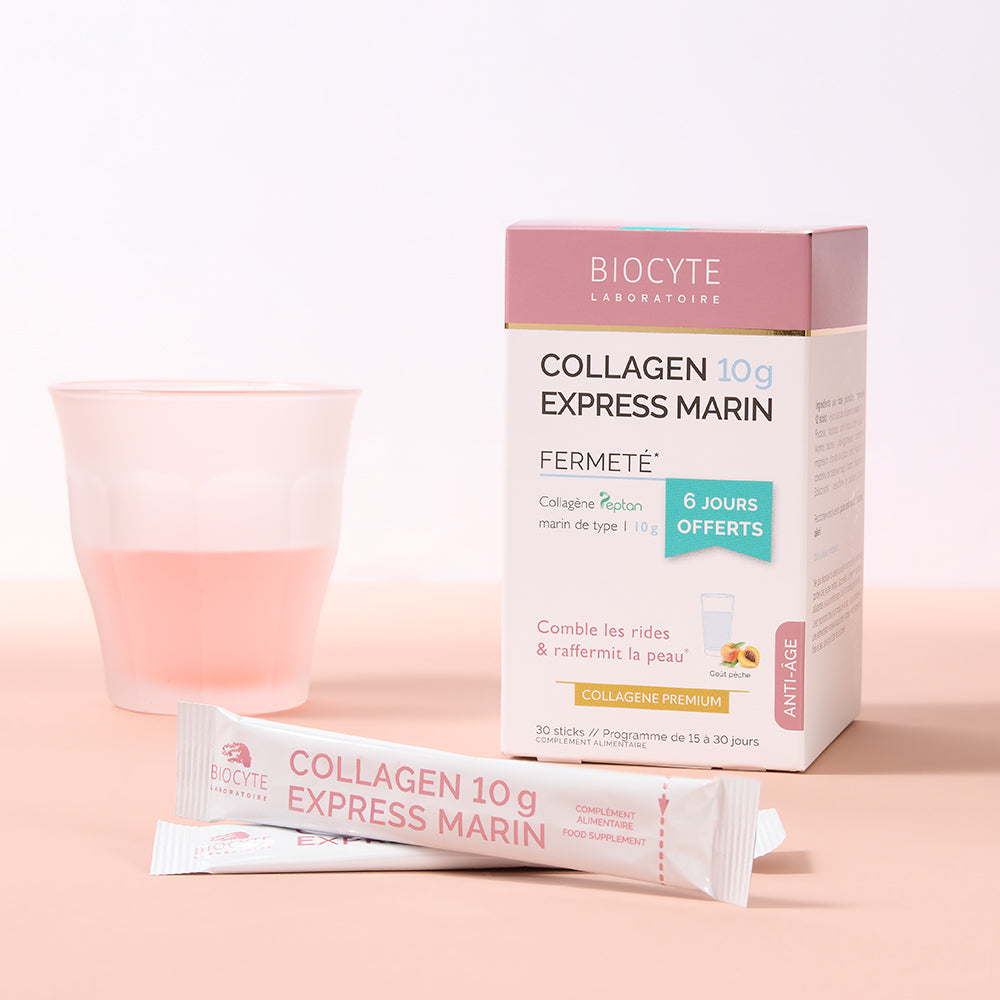
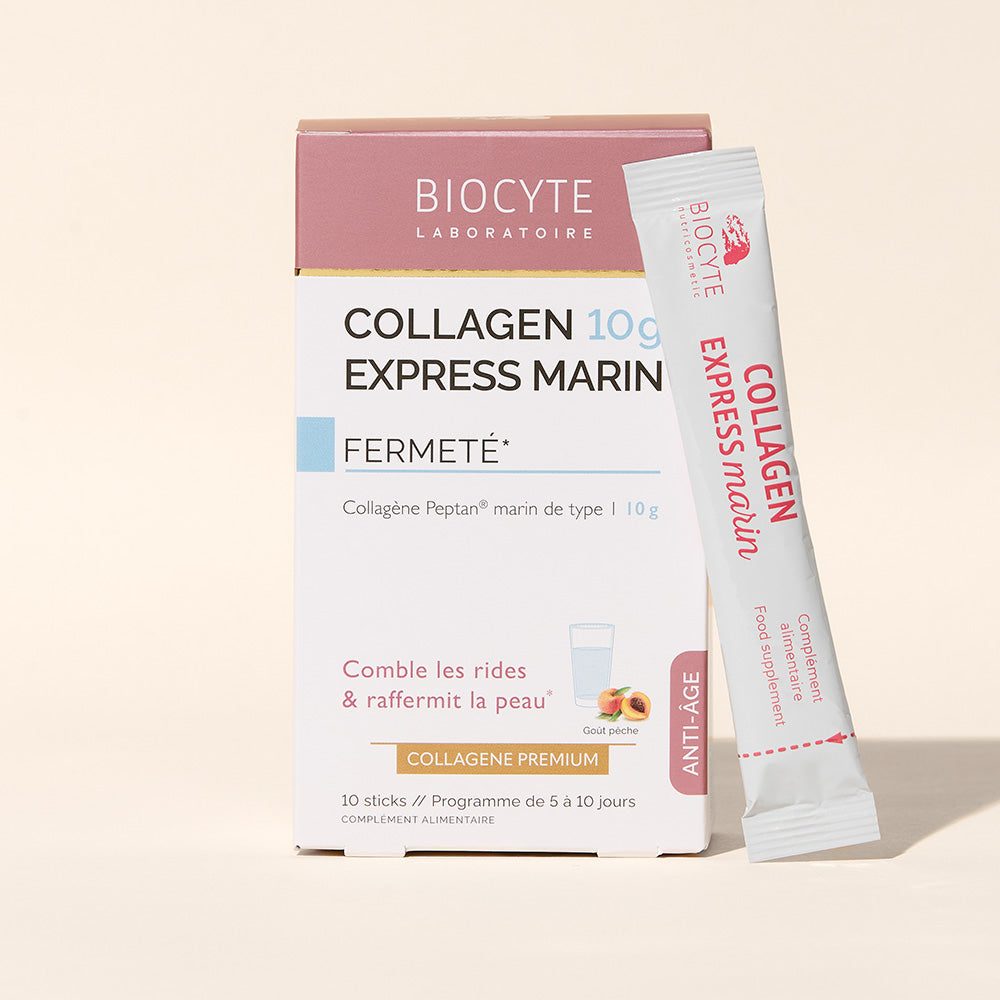
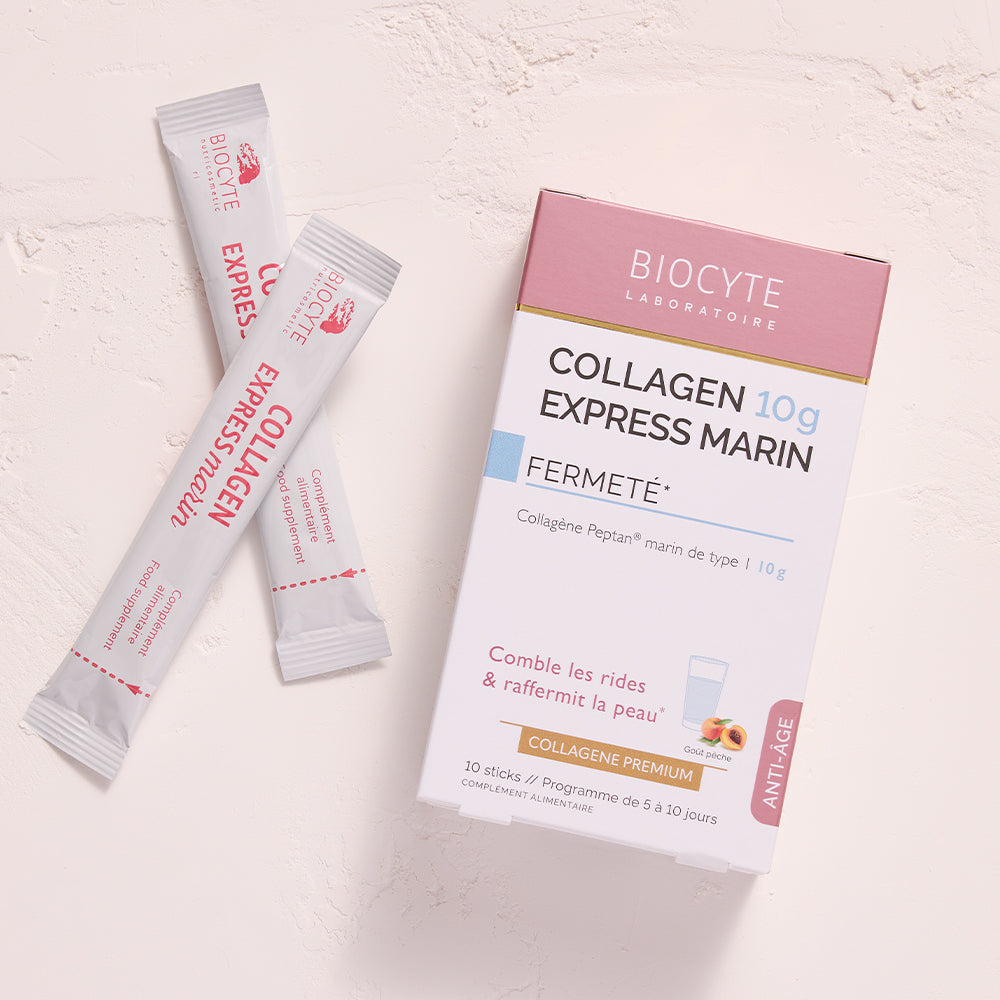
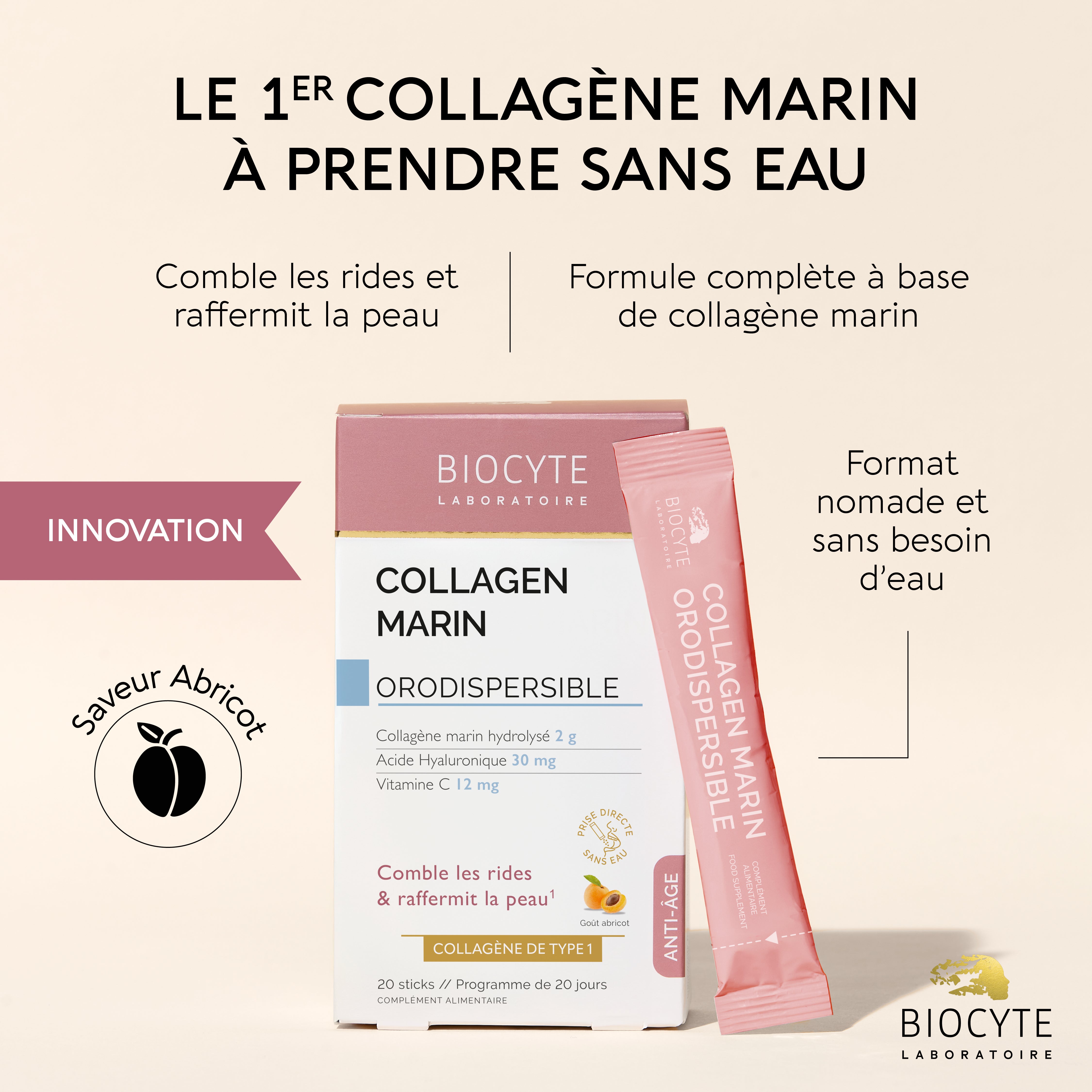
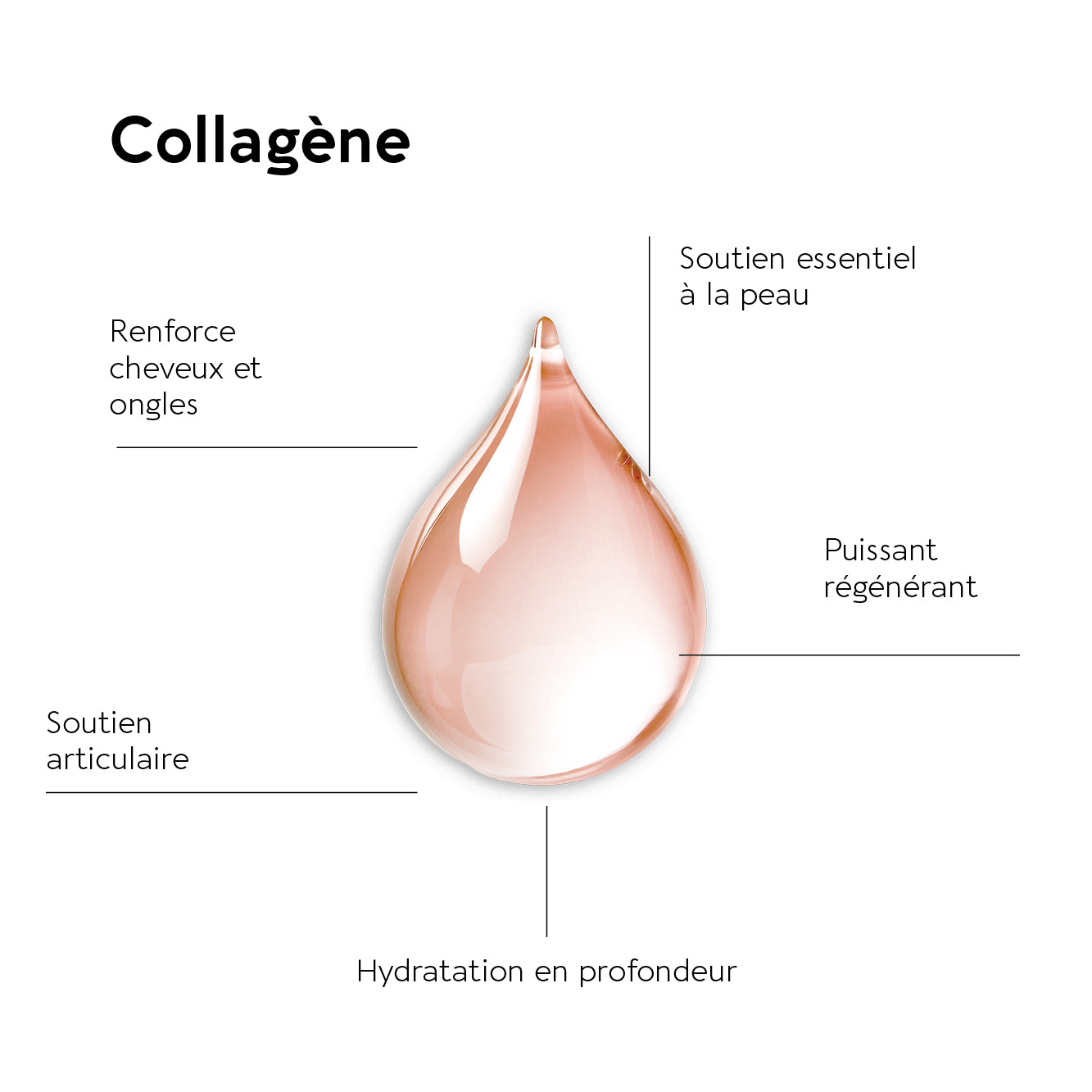
THEmarine collagenCollagen is now an essential ingredient in nutricosmetics. Naturally present in the skin, tendons, cartilage, and all connective tissues, collagen contributes to the cohesion, strength, and flexibility of structures. Over time, its renewal slows down, which can affect skin firmness, elasticity, and hydration, as well as the feeling of joint comfort.
Integrating amarine collagenIn a nutritional routine, this doesn't mean replacing the body's collagen, but rather providing specific peptides and amino acids derived from hydrolyzed collagen, selected for its quality and bioavailability. The benefit lies in a comprehensive, regular approach that is consistent with one's lifestyle.
Why choose marine collagen?
Marine collagen is particularly valued for its richness intype I collagenIt is the predominant component of collagen in the skin. This characteristic makes it a relevant active ingredient in beauty routines, particularly when the goal is to support firmness, elasticity, and the appearance of wrinkles. However, its quality depends primarily on the hydrolysis process: collagen hydrolyzed into peptides facilitates digestive absorption and promotes better bioavailability of amino acids.
From a scientific perspective, clinical studies on collagen supplements generally evaluate instrumental and subjective skin parameters over several weeks. The measured results often concern skin hydration, elasticity, or texture, within the framework of placebo-controlled trials. Marine collagen thus fits into a progressive strategy, based on theregularity and quality of contributions.
The benefits of marine collagen for skin, joints and hair
On the skinMarine collagen contributes to a comprehensive nutricosmetic approach. Peptides derived from hydrolyzed collagen provide characteristic amino acids that support the physiological mechanisms involved in the quality of the skin matrix. Clinical studies have observed measurable improvements in skin quality after several weeks of use.elasticity and hydration, as well as a change in the perception of wrinkles, particularly in mature skin.
At the level of the jointsCollagen is a structural component of cartilage and tendons. Marine collagen supplementation is sought to improve comfort and mobility, particularly for active or athletic individuals. It does not act mechanically on tissues, but rather provides nutritional support compatible with the body's natural processes.normal functioning of joint structures, in addition to appropriate physical activity.
Regarding hair and nailsMarine collagen contributes to an "internal" beauty strategy, notably through its amino acid content. Its benefits are enhanced when incorporated into a synergistic formula that includes, for example, vitamin C, known for its role in normal collagen formation, or other targeted micronutrients depending on individual needs.
How to choose a quality marine collagen?
Choosing a quality marine collagen involves examining several technical criteria. The labelhydrolyzed or peptidesThis indicates that the protein has been fragmented to optimize its bioavailability. The degree of hydrolysis influences absorption and digestive tolerance, two essential elements for daily intake. The reference to type I is particularly relevant when the target is the skin.
Traceability, purity, and transparency regarding dosage are also crucial. Quality depends not only on origin but also on process control and batch monitoring. In this respect, the expertise of a specialized laboratory provides a reliable benchmark. Biocyte, a French pioneer in nutricosmetics and a leader in oral solutions based on collagen and hyaluronic acid, develops formulas grounded in a scientific approach and rigorously selected active ingredients.
Powder, capsules or gummies: which form of marine collagen should you choose?
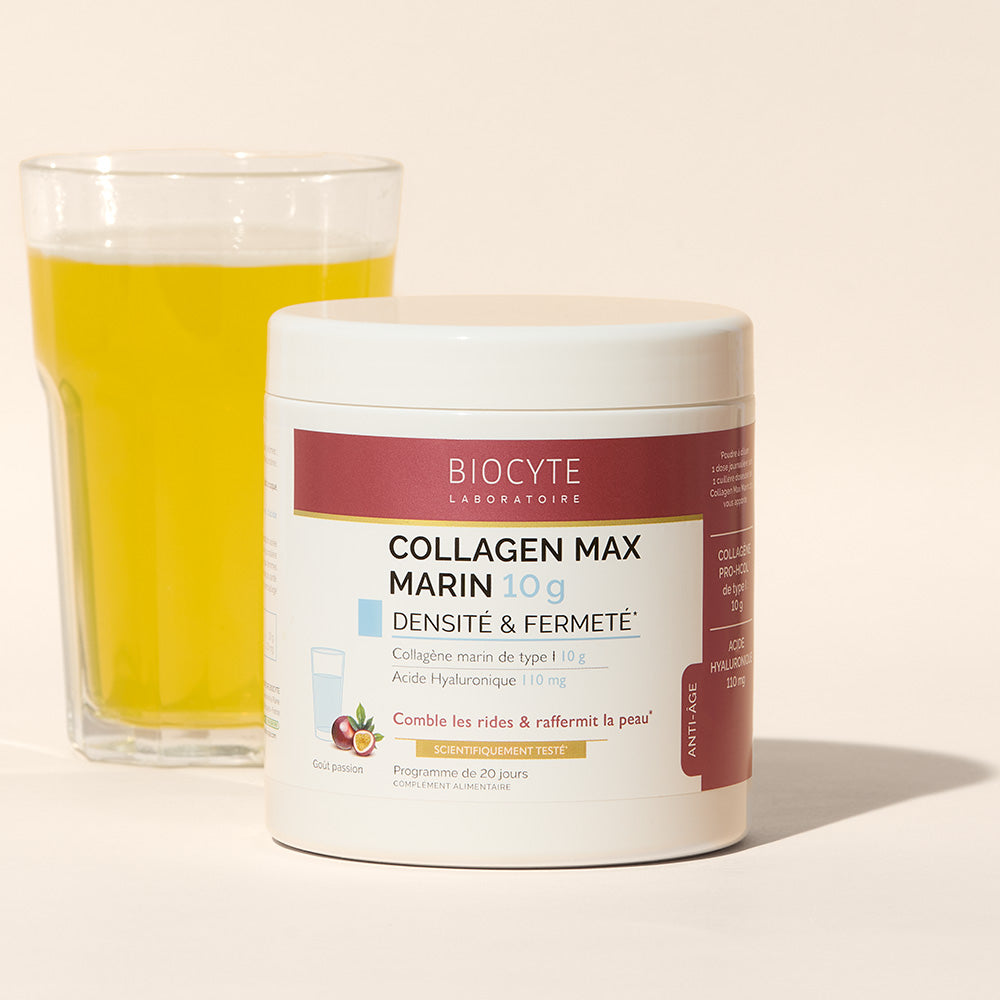
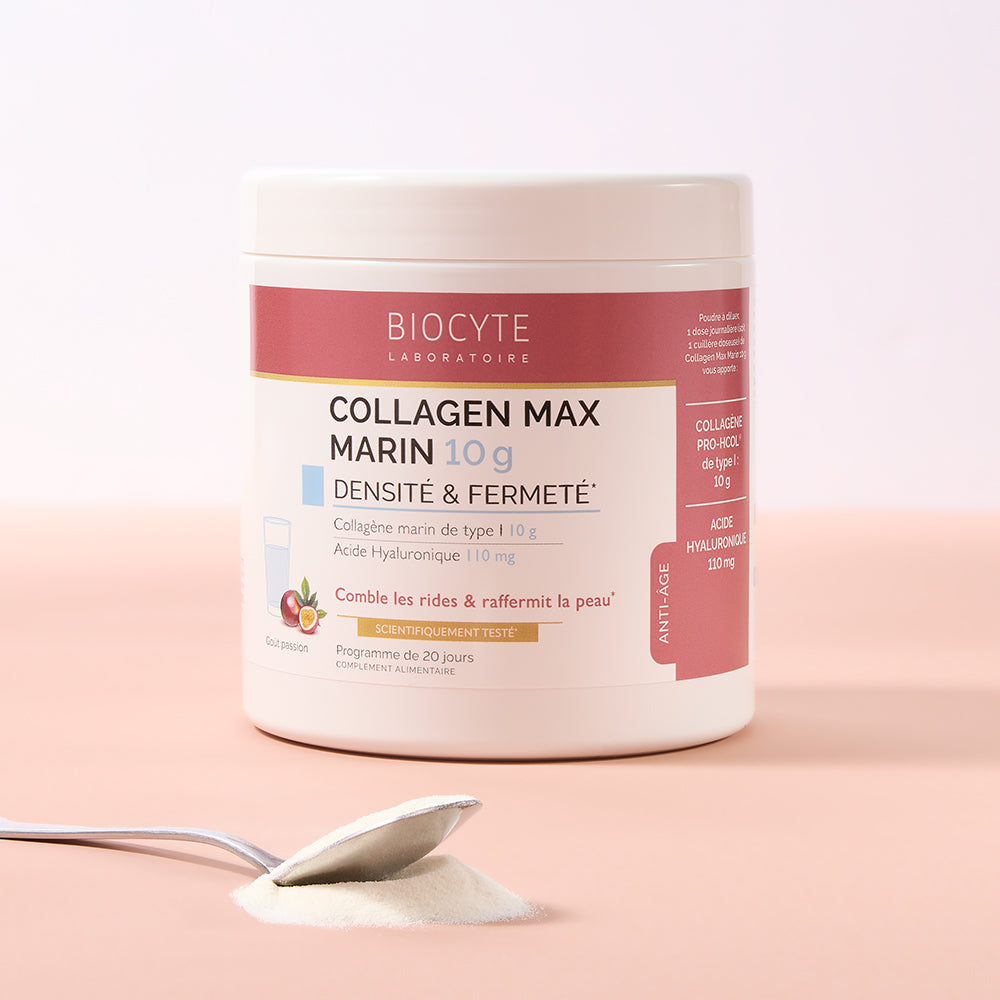
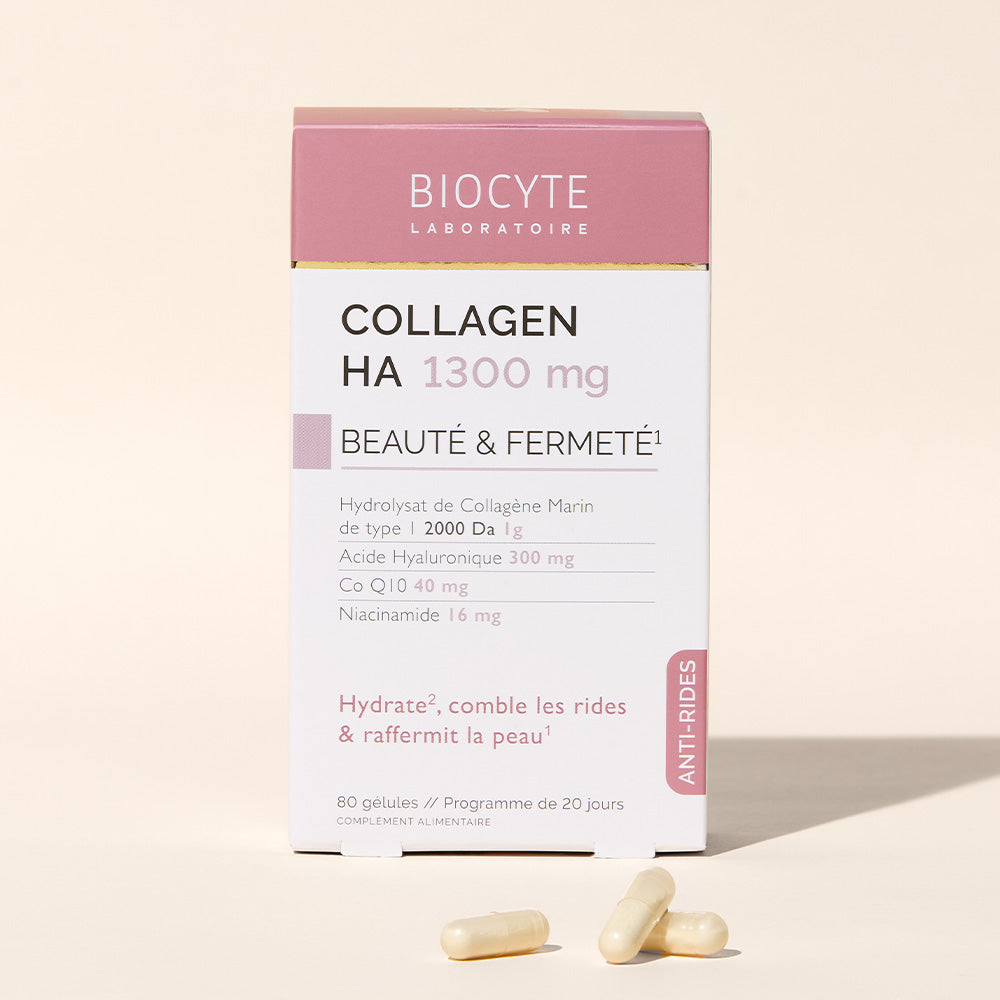
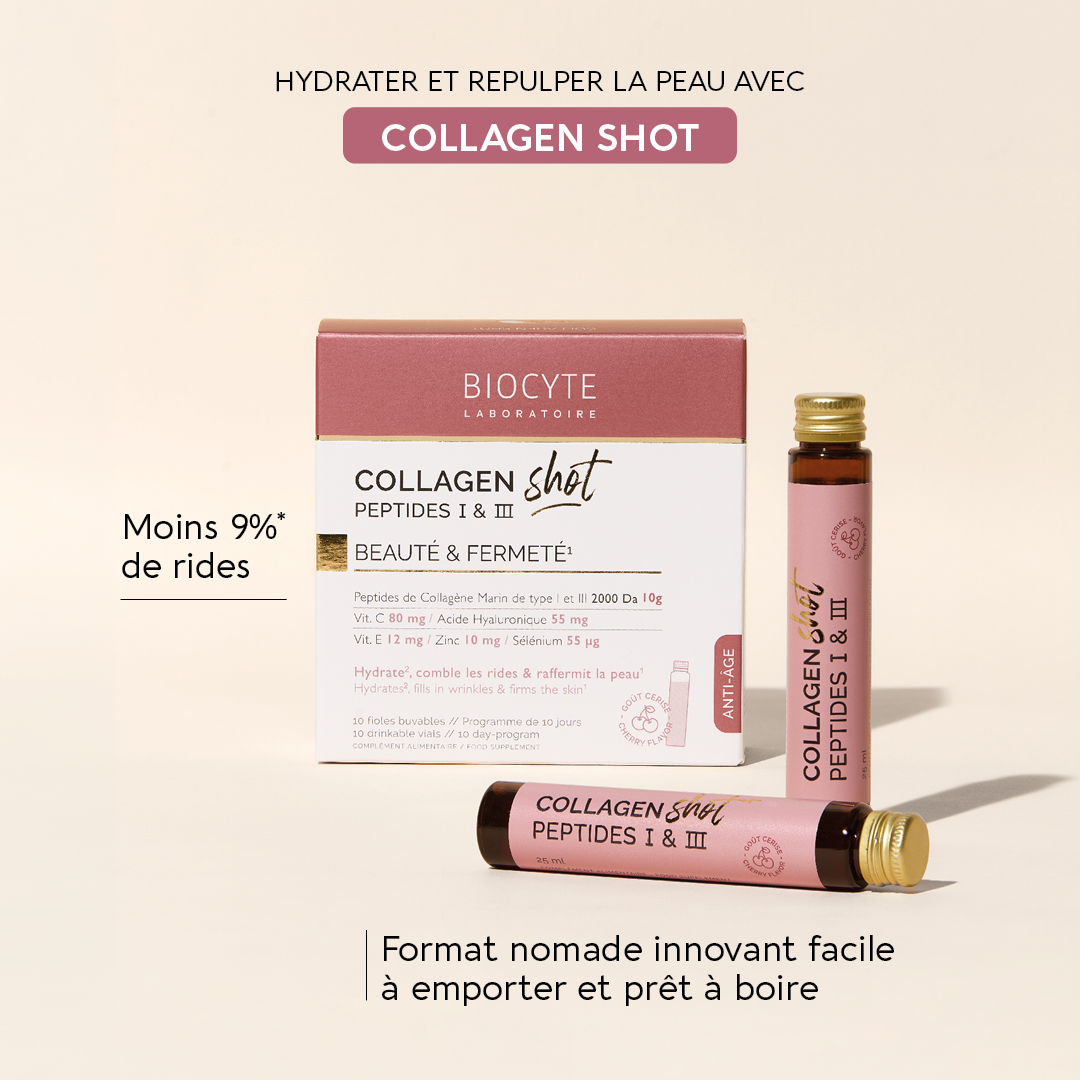
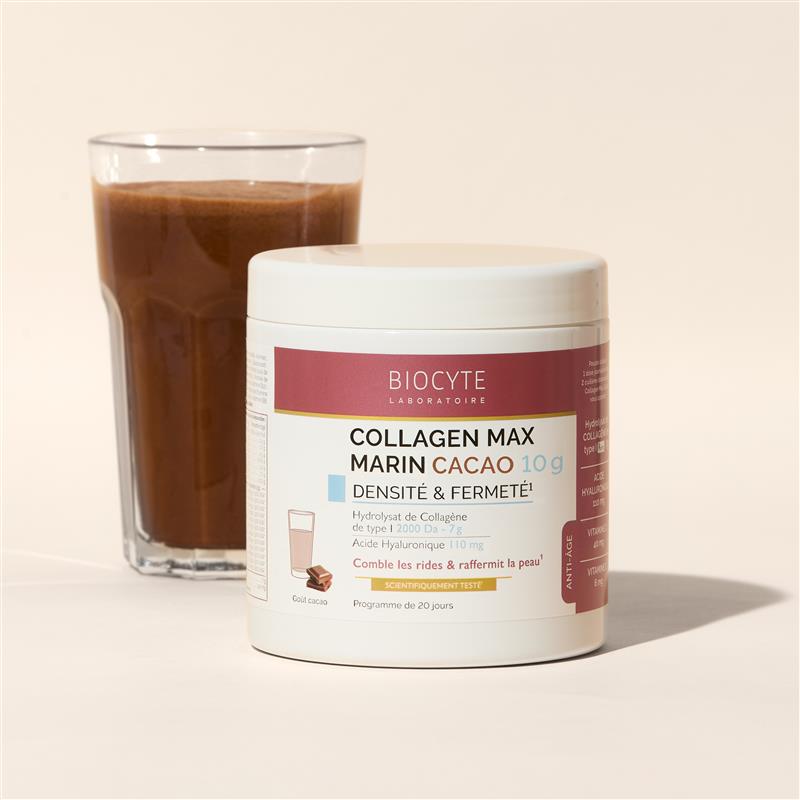
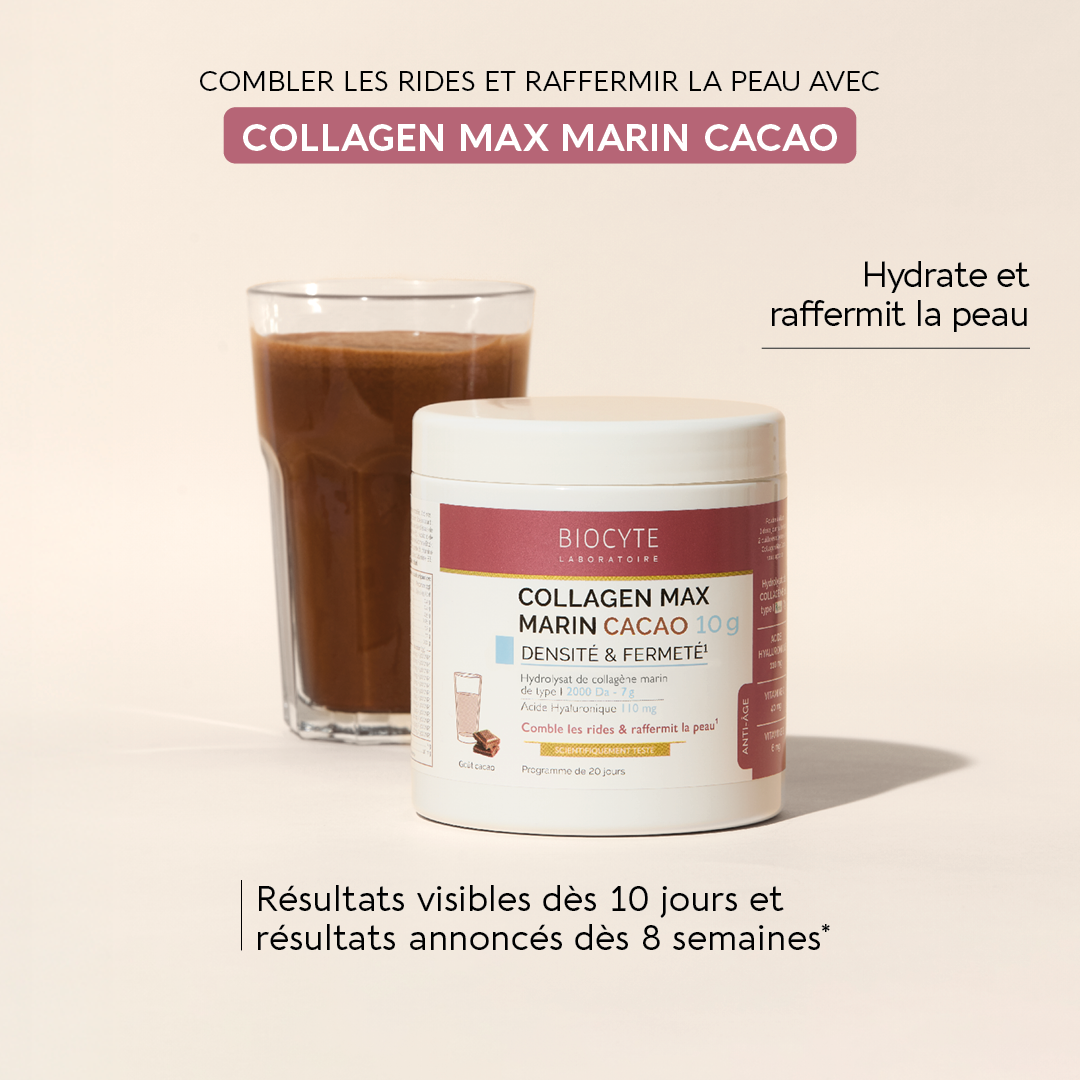
The choice of marine collagen format depends primarily on ease of integration into daily routines. Powder often allows for more adjustable dosage and blends easily into a drink, while capsules offer a convenient and tasteless solution.collagen gummiesMeanwhile, they promote compliance thanks to their sensory aspect, provided that the actual quantity of peptides supplied is verified.
Regardless of the format, the most important factor remains the quality of the hydrolyzed marine collagen and its concentration of specific amino acids. Consistency is key: a well-tolerated and long-lasting supplement will always be more effective than a restrictive format, however technically advanced.
How to take marine collagen to optimize results?
Consistency is key to taking marine collagen. Clinical studies evaluatingcollagen peptidesGradual changes are observed, generally after several weeks of continuous use. It is recommended to adhere to the dosage indicated by the manufacturer and to choose a fixed time of day to promote long-term adherence.
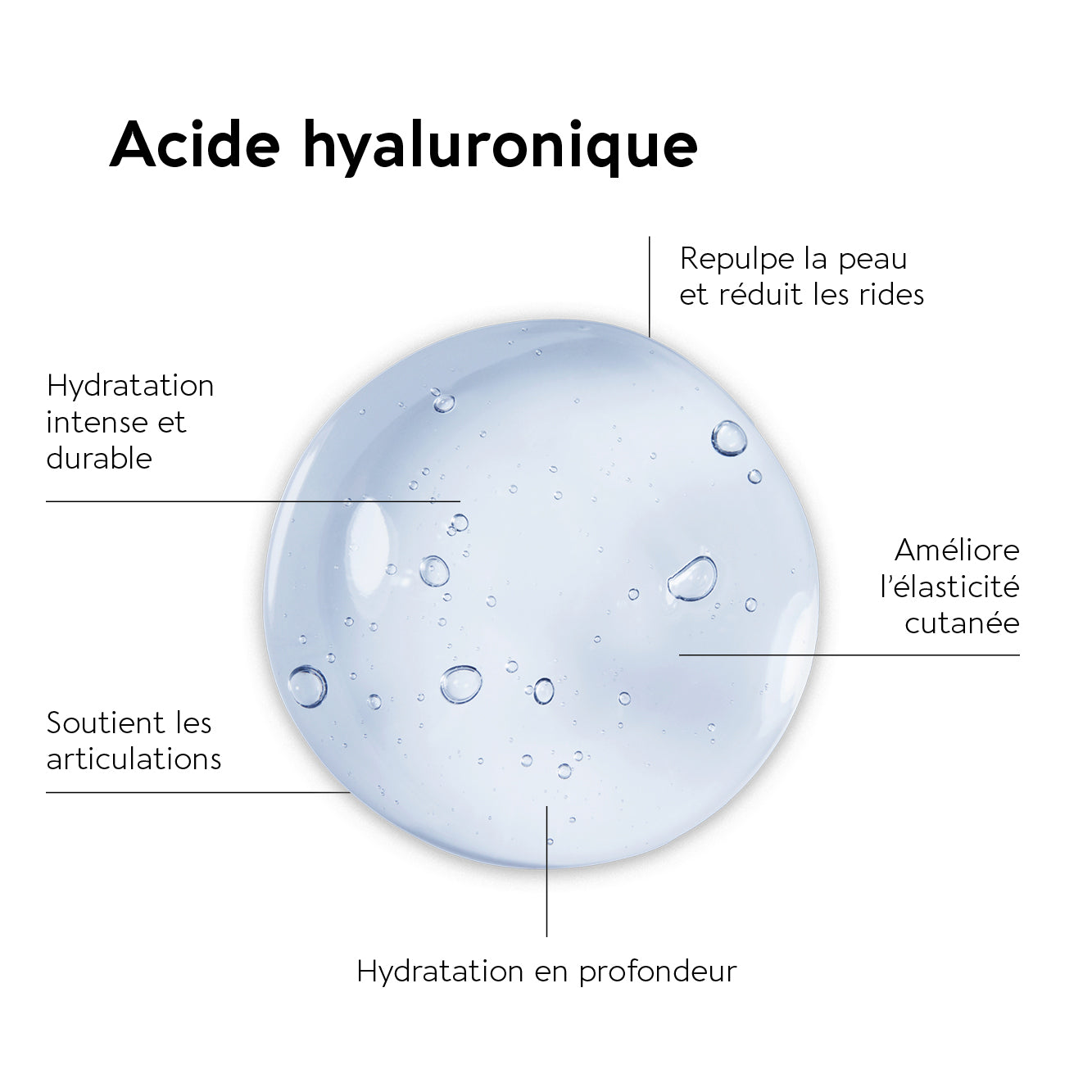
Combining it with vitamin C makes sense in a beauty strategy, as this vitamin contributes to normal collagen formation. For a holistic approach to skincare, incorporating complementary active ingredients such as...hyaluronic acidIt can enhance the perception of hydration and comfort. In a sports context, marine collagen can be part of a routine focused on mobility and recovery, in line with diet and training.
FAQ - Marine Collagen
Marine collagen: how long does it take to see results?
Studies conducted on collagen peptides generally observe changes over several weeks, depending on the parameters evaluated (elasticity, hydration, wrinkle perception). Individual variability is significant: age, UV exposure, cosmetic routine, sleep, and nutritional intake all influence perceived results. Consistent absorption of marine collagen is a determining factor.
What is the difference between marine, bovine, and porcine collagen?
The main difference lies in the origin, but perceived effectiveness depends primarily on the quality of the transformation: degree of hydrolysis, purity, and quality control.collagen hydrolyzed into peptidesWhen properly controlled, it can be integrated into a routine, regardless of its origin. The choice of marine collagen is often driven by preference for its origin and by formulas geared towards type I skin.
Which marine collagen should I choose for my skin: peptides, type I, hydrolyzed?
For a beauty routine, hydrolyzed marine collagen in peptide form is often preferred for its bioavailability. The "Type I" designation can be relevant because Type I collagen is the predominant type in the skin. The final decision rests on transparency (dosage and traceability) and skin tolerance – marine, bovine, or porcine collagen.
What daily dose of marine collagen should I take and how should I distribute it?
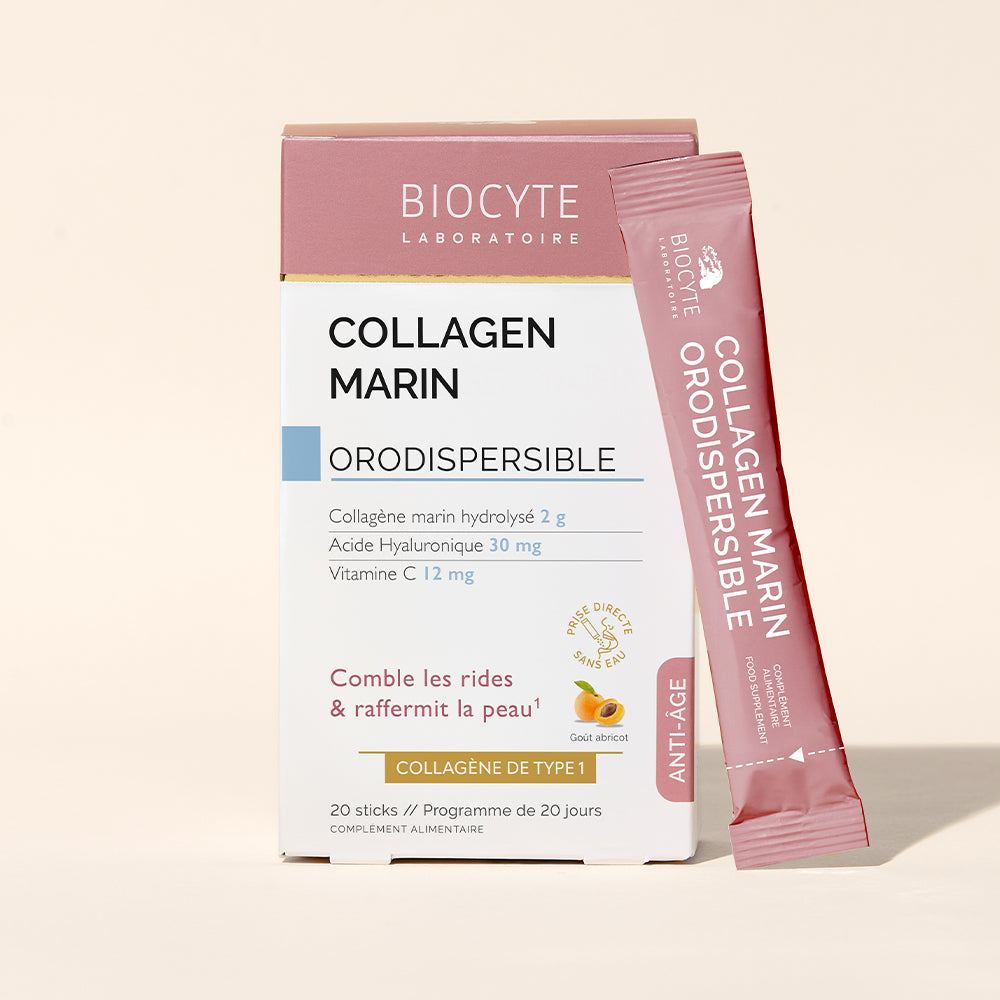
The dosage depends on the product and its form. The key is to follow the manufacturer's instructions and choose a form that fits your routine. In capsule form, the dose can be divided into two intakes; in powder form, it can be mixed with a beverage. The goal is to ensure a regular supply of peptides and amino acids.
Can marine collagen and vitamin C (or hyaluronic acid) be combined?
Yes, the associationmarine collagen + vitamin CThis is consistent because vitamin C contributes to normal collagen formation. Hyaluronic acid is a complementary ingredient, focusing on comfort and hydration. The choice depends on the objective: wrinkles, firmness, elasticity, or overall skin comfort.
Does marine collagen have any contraindications?
If you have a fish allergy, caution is essential: marine collagen may not be suitable. For pregnancy and breastfeeding, it is best to consult a healthcare professional before starting any dietary supplement. A category page should make this information visible and easy to find.
Marine collagen and sport: is it useful for joints and recovery?
As part of a wellness approach, marine collagen can be integrated into a targeted routine.joint comfort and mobilityIn addition to appropriate muscle strengthening and structured recovery, supporting tissues, including cartilage and tendons, also respond to training load and overall lifestyle.


 Skin
Skin Hair & Nails
 Sun Care
 Slimming
 Health