What are the benefits of omega-3?
Omega-3s are a group of fatty acids: alpha-linolenic acid (ALA), eicosapentaenoic acid (EPA), and docosahexaenoic acid (DHA) are components of vital organs and contribute to their proper functioning. ALA is considered "essential" because it allows the body to synthesize the other omega-3 fatty acids. From this essential fatty acid, the body synthesizes EPA and DHA. However, because the conversion rate is low, it is crucial to ensure an adequate intake of omega-3s, either through diet or supplements. Consuming a good proportion of omega-3s is essential for maintaining a healthy brain and cardiovascular system. These polyunsaturated fatty acids contribute to normal heart function and the maintenance of normal vision.
Beyond their cardiovascular and cognitive effects,the benefits of omega-3 on the skinare particularly sought after within the framework of a comprehensive nutricosmetic approach
In addition to improving skin elasticity, omega-3 fatty acids are essential for epidermal hydration. Used as nutricosmetic active ingredients, they contribute to good cohesion between skin cells.
When should I take omega-3?
Omega-3 fatty acids are essential at every stage of life. They can be obtained through a healthy diet and also taken as a supplement. To facilitate absorption of omega-3 supplements, it is recommended to take the capsules with a meal. Omega-3 supplements should be taken as part of a healthy lifestyle and a balanced diet. If you have any questions, it is advisable to consult a doctor.
How much omega-3 per day?
According to the World Health Organization (WHO), a good daily intake of omega-3 fatty acids is 0.8g to 1.1g of ALA and 0.3g to 0.5g of EPA and DHA. To ensure adequate omega-3 intake, it is essential to eat a varied diet rich in these fatty acids. Cod liver oil is the best-known source of omega-3. However, these fatty acids can also be found in many oily fish such as salmon, mackerel, and tuna. To meet your omega-3 needs, it is also beneficial to consume vegetable oils such as rapeseed, flaxseed, or walnut oil. Taking omega-3 supplements can help compensate for insufficient daily intake. Omega-3 supplements should not replace a balanced diet.
What is the best omega-3 food supplement?
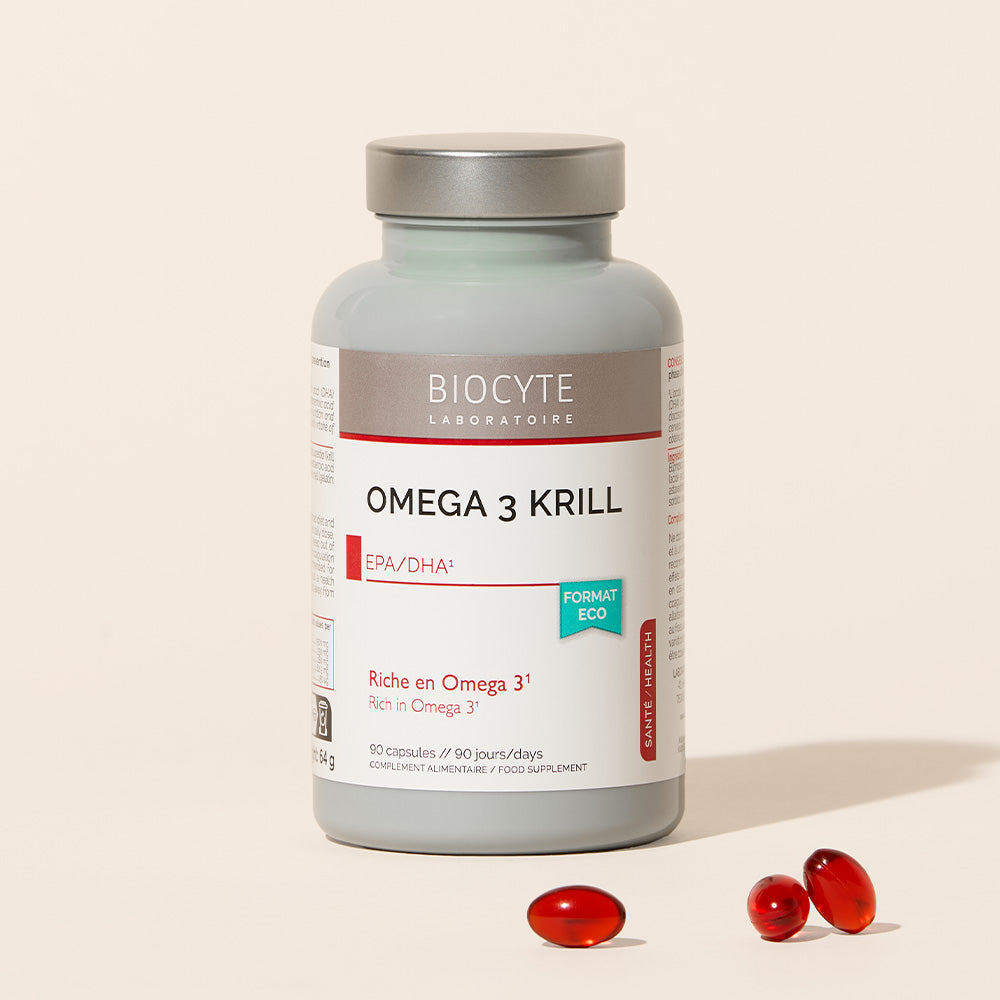
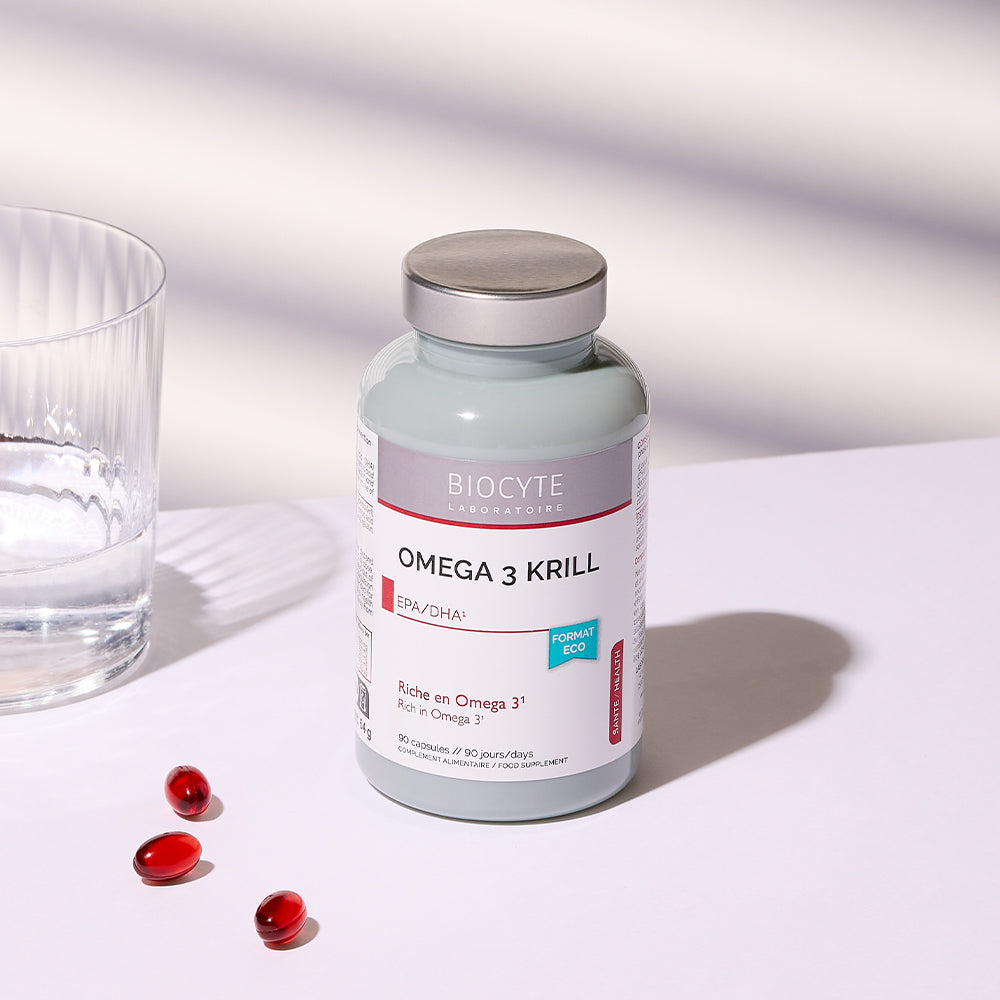
The quality of an omega-3 supplement depends on the quality of its ingredients. Omega-3 supplements made with krill oil have a particularly beneficial effect on the heart, brain, and joints. Studies have shown that the EPA and DHA fatty acids found in krill increase omega-3 levels more quickly and effectively than other marine and algae sources. If you are looking for an omega-3 supplement formulated for vegans and vegetarians, discover our Vegan Omega-3 formula. Made with algae oil, this supplement is suitable for those who wish to maintain or improve their overall well-being.


 Skin
Skin Hair & Nails
 Sun Care
 Slimming
 Health