Why take a probiotic food supplement?
THEprobiotic food supplementsThese practices are part of an approach to supporting the balance of the gut microbiota, also known as intestinal flora. This complex ecosystem plays a key role in digestion, the assimilation of certain nutrients, and the maintenance of a harmonious intestinal environment. Irregular eating habits, stress, or changes in routine can disrupt this balance, which explains the growing interest in probiotics for preventative and functional purposes.
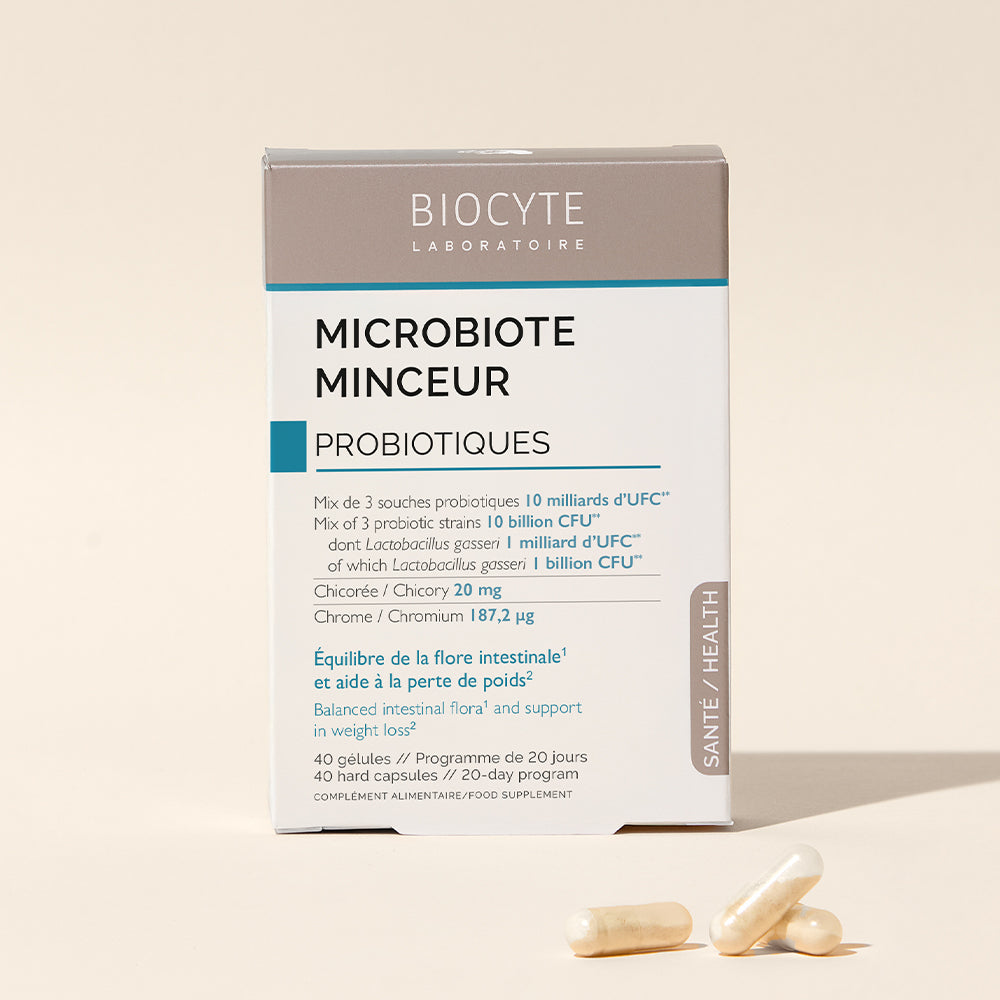
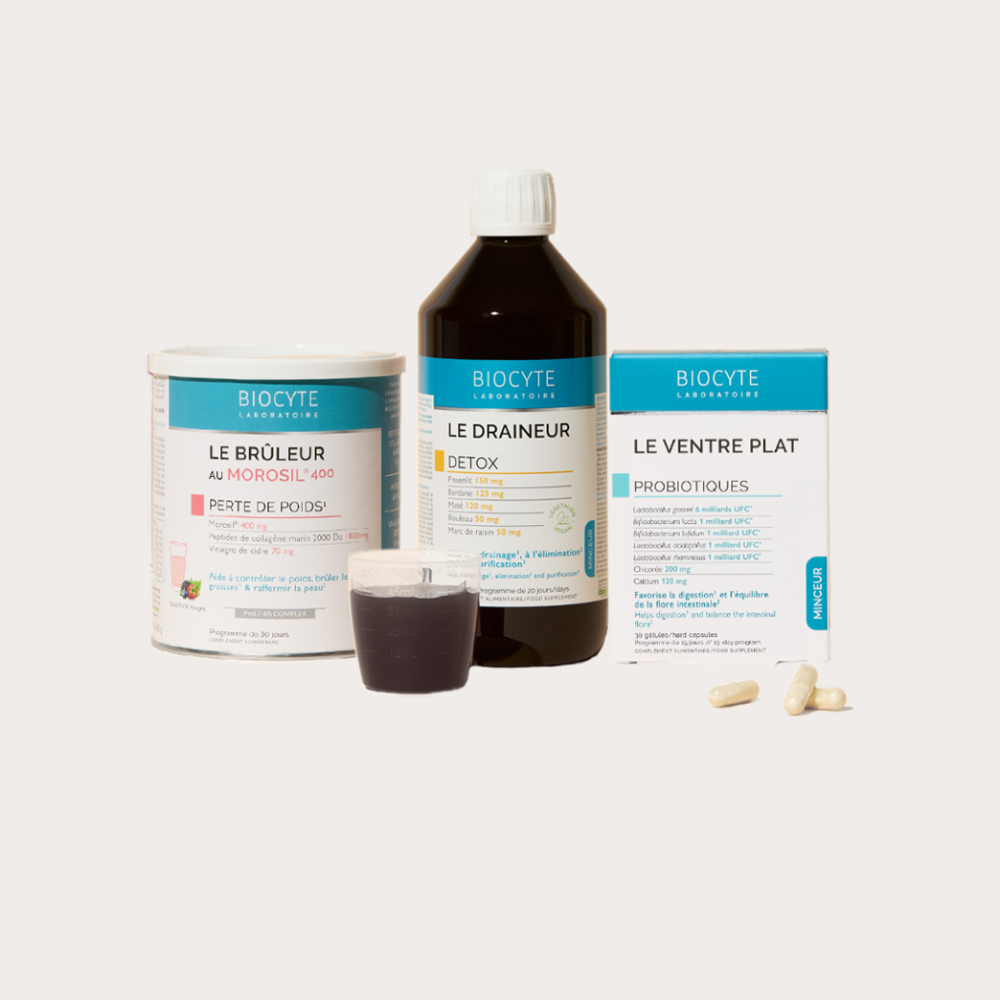
Many people seek probiotic supplements to improve their digestive comfort, particularly in cases of bloating, a feeling of fullness, or irregular bowel movements. The goal is not to treat a specific condition, but to support the digestive system towards greater stability. Certain periods, such as travel or dietary changes, also highlight the benefit of targeted microbiota support. The value of probiotic supplements also extends to research on microbiota balance and its interaction with metabolism, an area explored within the framework of a comprehensive program.weight management.
Finally, research into the interactions between the gut and immunity has contributed to the rise of immunity-boosting probiotics in supplements. From this perspective, theprobiotic food supplementbecomes a tool for overall balance, integrated into a coherent lifestyle including dietary fiber, hydration and regularity of meals.
How to choose an effective probiotic food supplement?
Choosing an effective probiotic food supplement depends first and foremost on the accuracy of theprobiotic strainsIt is not enough to mention a genus such as Lactobacillus or Bifidobacterium; the complete strain must be identified, as the effects are strain-dependent. A transparent formulation, clearly indicating the origin and reference of the microorganisms, is a first indicator of reliability.
The second determining criterion is the dosage, expressed in CFU (Consumer Units). This figure indicates the quantity of viable microorganisms per dose, ideally guaranteed until the end of the product's shelf life. However, a high CFU count is only meaningful if the formula ensures good stability and adequate protection during gastric passage. The formulation technology—gastro-resistant capsule or protective process—directly contributes to the effectiveness of a probiotic food supplement.
Finally, some formulas combine prebiotics, creating synbiotics that combine microorganisms and nutrient substrates. This synergy can strengthen the coherence of a microbiota-focused program, provided it is adapted to individual digestive tolerance. Formulation expertise, such as that developed by Biocyte, is based precisely on this requirement for rigorous selection of active ingredients and scientific consistency.
Strains, CFUs and microbiota: the key criteria of a probiotic food supplement
Probiotic strains form the functional core of a probiotic dietary supplement. The generalactobacillus and bifidobacteriumThese microorganisms are among the most documented for their interaction with the gut microbiota. They act primarily in a transient manner, interacting with the intestinal environment and contributing to the balance of the gut flora.
CFUs (Consumer Units) allow for the assessment of the concentration of viable microorganisms. However, quality is more important than quantity: consistent dosing, combined with proven stability and effective protection technology, often provides a more consistent experience. The ideal probiotic supplement therefore combines precise strain identification, appropriate dosage, and guaranteed preservation.
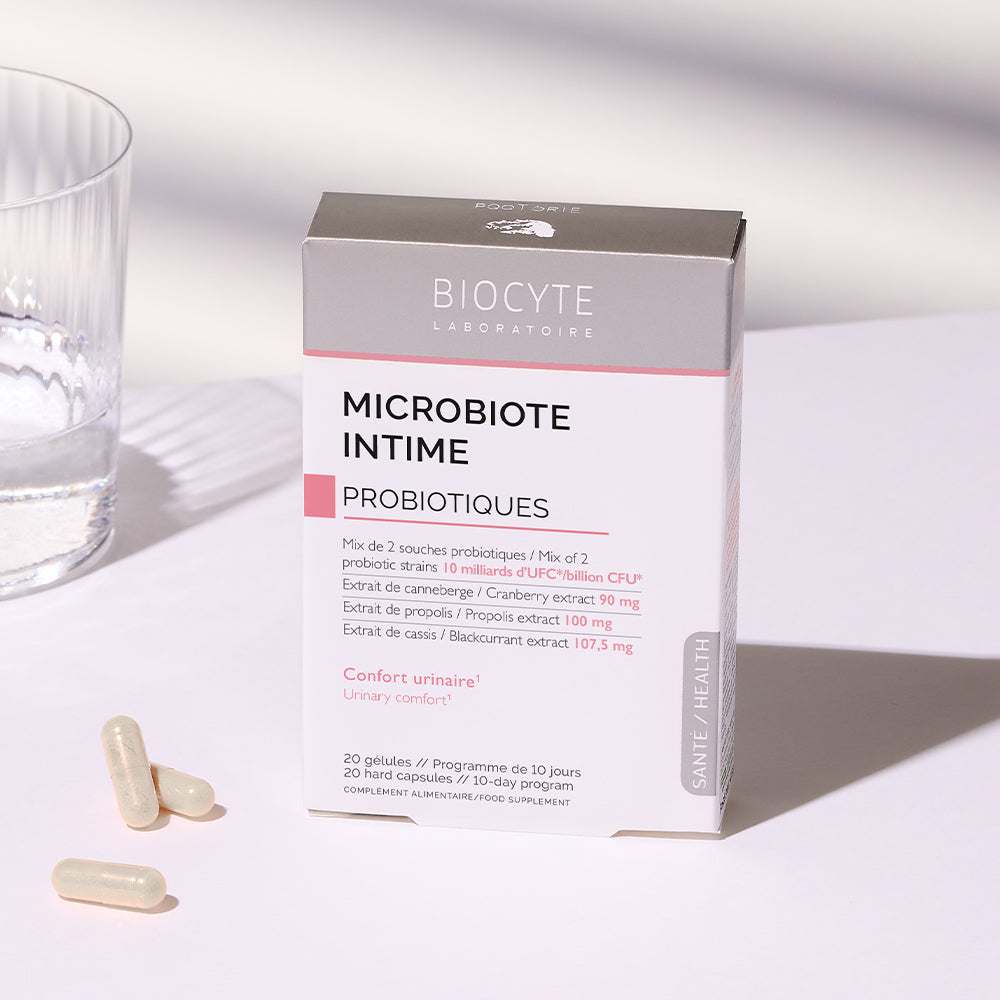
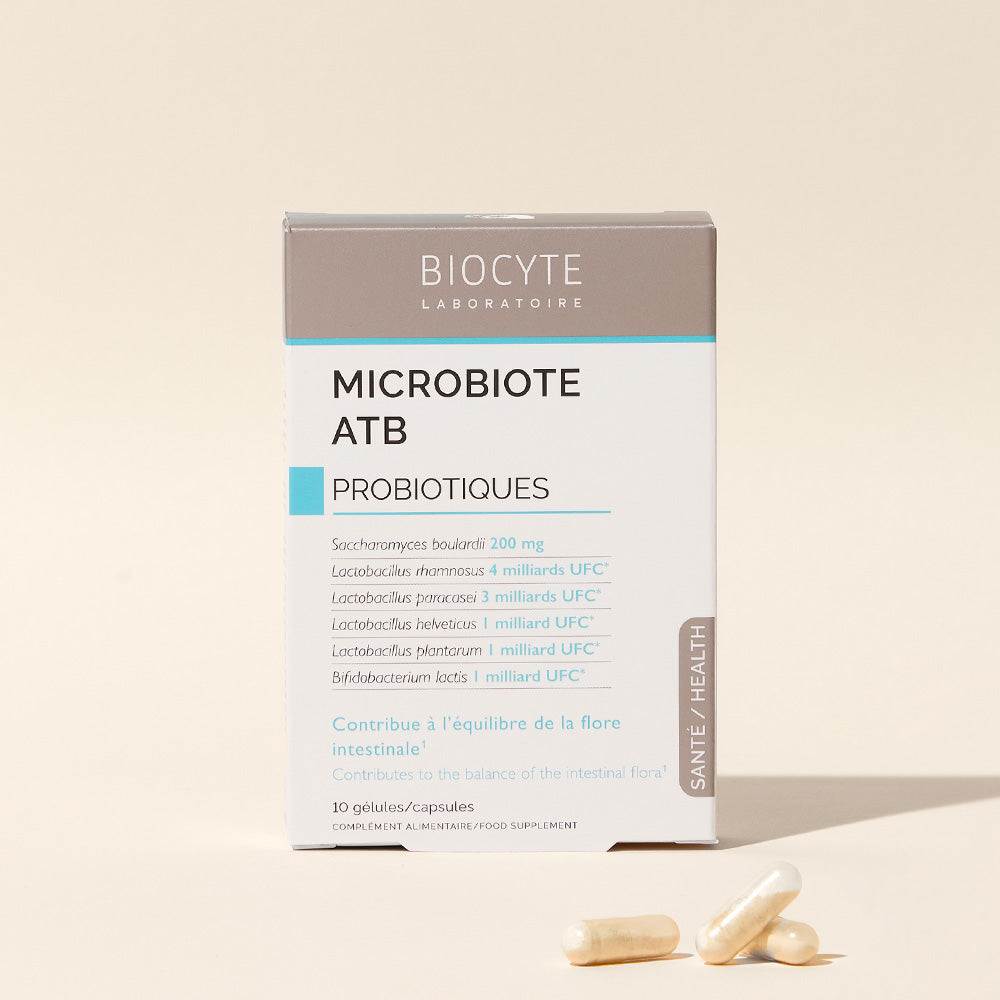
Depending on the needs, some formulas are more geared towards digestive comfort, particularly in cases offeeling of bloating, while others target intestinal transit or probiotic situations after antibiotics or even theurinary comfort, depending on the strains selected. The important thing is to adapt the selection to the individual profile, prioritizing the readability of the label and the overall consistency of the formulation.
Which form of probiotic food supplement should be preferred?
The dosage form directly influences adherence to the routine. A probiotic food supplement can be presented as a capsule, tablet, powder in a stick, or sachet. Gastro-resistant capsules are often preferred to protect the probiotic strains during passage through the stomach, while powders can offer more flexible intake.
The choice also depends on lifestyle. A formula that is stable at room temperature makes it easier to use every day, especially when traveling. The composition should be carefully examined: check for the possible presence of fibers, flavorings, or excipients that could affect tolerance, particularly for people prone to bloating.
Therefore, the best probiotic supplement is not simply the one with the highest CFU count, but the one that combines strain quality, stability, and ease of use. The goal is to ensure regular and convenient intake, an essential condition for supporting the gut microbiota.
Usage tips and precautions before buying a probiotic food supplement?
Regularity is a key factor in the use of a probiotic food supplement. Taking it daily, at the same time each day,promotes a consistent supply of microorganismsDepending on the formula, intake may be recommended during or outside of meals; it is therefore important to carefully follow the manufacturer's instructions to optimize the stability of the CFUs.
The effects on digestive comfort or intestinal transit can vary depending on individual constitution, diet, and fiber intake. Combining a probiotic supplement with a plant-rich diet promotes the natural intake of prebiotics, thus supporting a balanced gut microbiota.
Certain situations require special attention, particularly in cases of weakened immune systems or specific treatments. For probiotic testing following antibiotic treatment, it is generally advisable to space out doses to preserve the viability of the strains. If in doubt, consulting a healthcare professional is recommended.
FAQ – Probiotic food supplement
When is the best time to take a probiotic food supplement?
The best time to take it depends primarily on the formula and the label recommendations. In practice, the most important factor is consistency: taking a probiotic supplement at the same time every day makes adherence easier. Some formulas are designed to be taken with a meal, others between meals, especially when a protective technology is included. The goal is to follow the manufacturer's instructions and maintain a stable routine.
How long should you take a probiotic food supplement?
The timeframe varies depending on the objective (comfort, bloating, bowel movements) and individual factors (diet, stress, fiber). The balance of the gut microbiota changes gradually; therefore, it makes sense to evaluate the experience over several weeks of regular intake rather than just a few days. A consistent routine (fiber, hydration, regular meals) often reinforces the perception of digestive comfort.
What is the difference between probiotics and prebiotics?
Probiotics are live microorganisms that interact with thegut microbiotaPrebiotics, on the other hand, are fibers or substrates that serve as "food" for certain intestinal bacteria. When a product combinesprobiotics and prebioticsThese are called synbiotics. This combination can be relevant if the diet is low in fiber, while remaining attentive to tolerance in people sensitive to fermentable fibers.
What do the CFUs mean on a probiotic food supplement?
THECFU (colony-forming units)These figures indicate the quantity of viable microorganisms provided per serving. To compare two probiotic supplements, it is helpful to check if the number of CFUs (Cold Units) is guaranteed until the end of the product's shelf life. The figure should also be considered in light of the formula's quality: stability, protection, strain identification, and storage conditions.
Is it safe to take a probiotic food supplement while taking antibiotics?
This is a common search, especially aroundprobiotics after antibioticsWhen used as a dietary supplement, the idea is to separate the intake of the probiotic from that of the antibiotic by several hours, in order to limit the direct impact on the microorganisms. In the case of specific treatment or particular vulnerability, professional advice remains the best option.
Can probiotics cause bloating initially?
In some people, atransitional adaptationBloating can occur, especially if the formula contains prebiotics or if the diet changes at the same time. If bloating develops, it may be helpful to adjust the dosage (gradually), check the ingredients (fermentable fiber, excipients), and consider a probiotic supplement designed for optimal tolerance. Regular hydration and a gradual increase in dietary fiber often help improve comfort.
How to store a probiotic food supplement?
Storage depends on the strains and the technology used. Some products can be stored at room temperature, away from heat and humidity; others may require refrigeration. To preserve the probiotic strains and CFU levels, it is essential to follow the manufacturer's instructions, tightly close the container, and avoid prolonged exposure to heat.


 Skin
Skin Hair & Nails
 Sun Care
 Slimming
 Health