
 Skin
Skin Hair & Nails
 Sun Care
 Slimming
 Health

What is the best hair supplement?
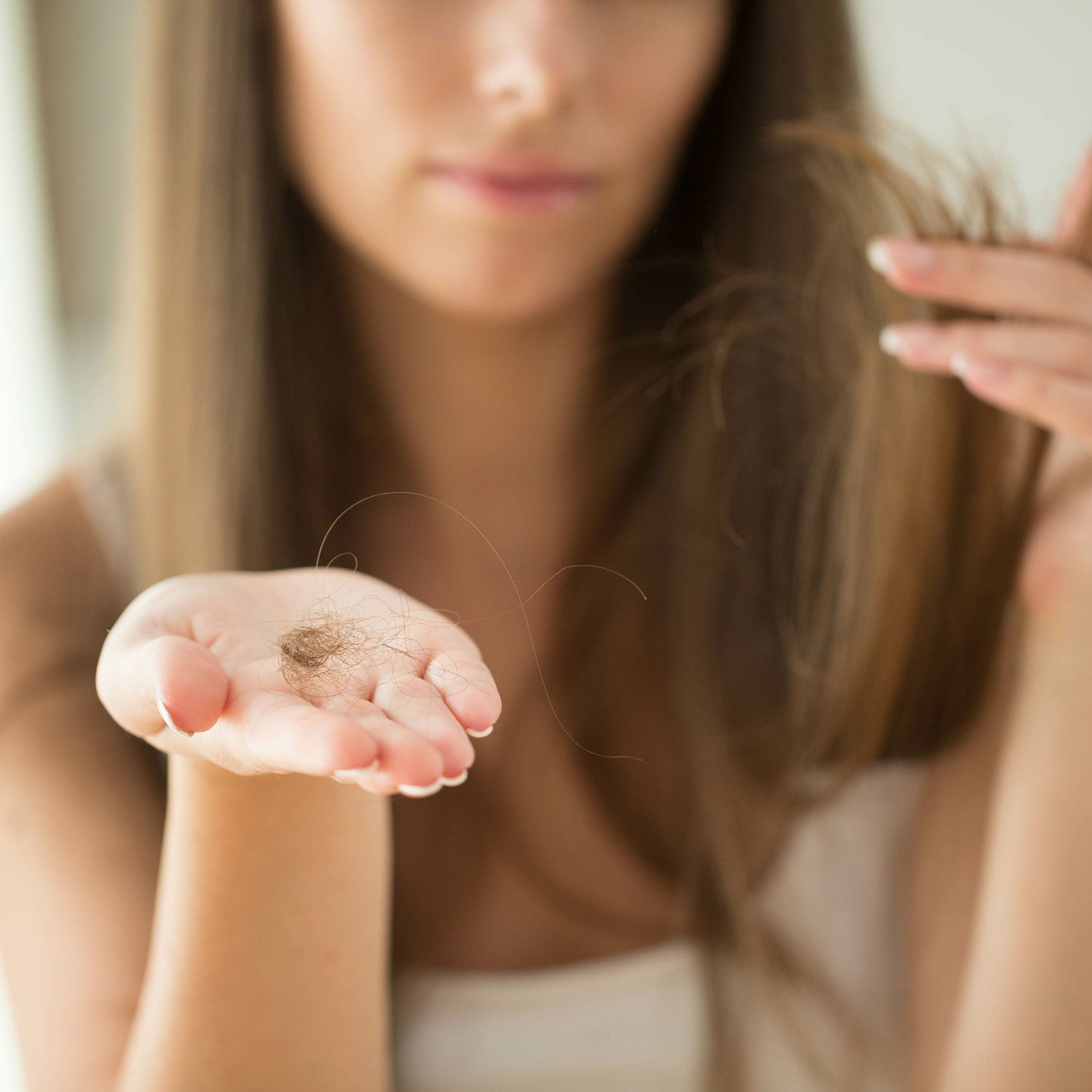
Why take them? Which ingredients are truly effective? How to choose the right supplement for you? The answer depends on your hair situation: hair loss, slow growth, thin and brittle hair, excess sebum, or lack of shine. The best hair supplement works from within, providing nutrients useful for keratin production, scalp activity, and fiber resistance.
It is worth remembering that a supplement does not replace a quality external routine but strengthens it. It primarily targets minor deficiencies and increased needs related to stress, seasons, or hormonal changes. Hair supplements exist to support these deficiencies to always maintain beautiful hair.
This guide helps you identify the best hair supplement according to your goal: anti-hair loss, hair growth supplement, routine for thin and brittle hair, or shine improvement. It also presents key ingredients (biotin, zinc, iron, sulfur amino acids, spirulina, royal jelly, nettle) and selection tips adapted to individual needs, including female hair loss, supplements for gray hair, or supplements for fine hair.
Why do hair need food supplements?
Our hair is exposed to multiple factors: stress, fatigue, hormonal variations, seasons, pollution, heat from styling tools. For some people, diet alone is not enough to cover all needs. A well-chosen supplement can help to compensate for insufficient intake and support growth and resistance. This is particularly true when aiming for a non-medicinal anti-hair loss solution or a hair growth supplement.
- Certain lifestyles prioritize speed over nutrition. Meals may lack protein, iron, or zinc. In the long term, this influences keratin production for hair.
- Slight deficiencies in vitamins such as iron or zinc are common. Biotin is central to many metabolic reactions related to hair, skin, and nails.
- Fatigue, stress, or hormonal imbalances can appear. High cortisol or hormonal changes can exacerbate female hair loss, slow growth, and make hair thin or brittle. Hence the importance of a well-conducted routine for thin and brittle hair.
- Other factors such as seasonal changes, postpartum, or changes in birth control pills impact your body. Autumn and spring are sensitive periods. After childbirth or a change in contraception, hair loss can intensify. A 2 to 3-month protocol, with an anti-hair loss formula, helps to get through this period.
Key Nutrients for Hair Health
Identifying the best hair supplement involves evaluating nutrients. Here are the active ingredient families to know, detailed below.
Essential Vitamins
Vitamin B8, also known as biotin, is a key nutrient for hair health. It contributes to the maintenance of normal hair and supports its daily vitality. Essential for the synthesis of keratin, the main protein that makes up the hair fiber, it participates in the quality and resistance of hair. Biotin is thus frequently integrated into formulas dedicated to growth. It is particularly sought after by people wishing to strengthen their hair. As part of a complete routine, it is a real asset among essential vitamins.
Tip: some formulas combine vitamins and minerals for a comprehensive approach against hair loss. This type of combination is common in the best hair supplement.
Minerals and Trace Elements
- Zinc acts on hair growth and regeneration; it contributes to the maintenance of normal hair and is found in many anti-hair loss and hair growth supplements.
- Iron plays an important role in the keratinization process. For some people, a low iron intake reduces hair vitality. If in doubt, seek advice from a healthcare professional before any supplementation.
- Selenium, copper, and magnesium act in unison for global support. These trace elements participate in cell protection, protein metabolism, and overall balance. In a routine for thin and brittle hair, they complement a biotin + zinc base.
Amino Acids and Proteins
- Cystine, methionine: sulfur and keratin
These sulfur amino acids are precursors of keratin for hair. Their intake supports the strength and resistance of the fiber. They are often found in the best hair supplement targeting density.
- Plant proteins: spirulina, brewer's yeast
Spirulina and brewer's yeast provide amino acids, B vitamins, and minerals. They are useful in a hair growth supplement and a routine for thin and brittle hair. Spirulina and brewer's yeast have the advantage of being of natural origin but are less dosed than capsule supplements.
Which supplement for which problem?
The best hair supplement depends on your goal. Refine your choice by problem for greater precision.
Brittle, dull or dry hair
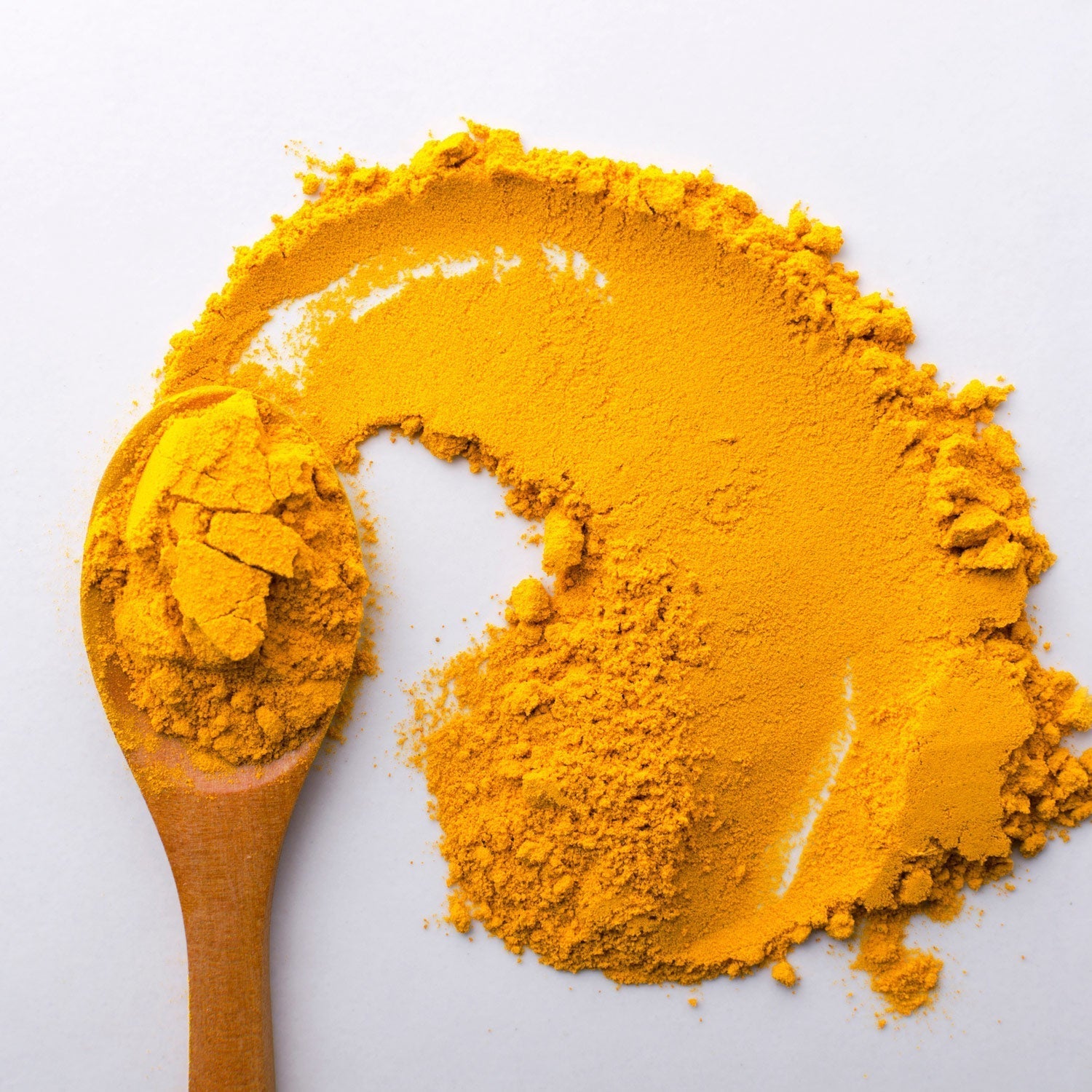
Spirulina is a superfood rich in proteins, amino acids, and micronutrients. In powder, capsules, or tablets, it supports a routine for thin and brittle hair. It readily combines with biotin and zinc. This approach is suitable for those who want a hair growth supplement while also improving shine.
Seasonal or chronic hair loss
Amino acids are associated with biotin, zinc, and sometimes plant extracts to combat hair loss. This combination can support a gradual anti-hair loss approach. It is advisable to adapt the routine to sensitive periods: postpartum, seasons, etc. In cases of persistent female hair loss, medical advice is recommended.
Slow growth, lack of density
Brewer's yeast is rich in B vitamins and proteins. It works well with a hair growth supplement and promotes a routine for thin and brittle hair. Combined with hair keratin and zinc, it helps strengthen density over the weeks.
Oily hair, imbalanced scalp
Stinging nettle is remineralizing and is often used in hair programs. It can be combined with biotin and selenium in cases of excessive sebum. This approach does not claim to "cure" but helps rebalance the scalp ecosystem while pursuing the anti-hair loss goal.
How to choose your hair supplement well?
- Read labels: Opt for hydrolyzed keratin and the presence of sulfur amino acids. These choices facilitate assimilation. This is a key criterion when comparing the best hair supplement.
- Avoid controversial additives: Look for short ingredient lists. Biocyte formulas are committed to quality and traceability, an important point for those who want a reliable hair growth supplement.
- Prefer products manufactured in France: Manufacturing and control contribute to trust. An asset when aiming for a routine for thin and brittle hair.
- Check the % of NRVs (Nutrient Reference Values): Ideally 100% NRV for biotin and zinc, unless otherwise recommended by a healthcare professional. NRVs help objectify the best hair supplement for your profile.
- Combine with a balanced diet and water (1.5 L/day): Proper hydration and daily protein intake support hair keratin. Hair loss vitamins are only effective if the dietary foundation is solid.
If you have very fine hair, choose a fine hair supplement designed for density. If you notice nascent silver strands, a gray hair supplement can accompany your beauty routine without claiming to color or treat.
Which form of supplement should you choose?
The format of a food supplement plays a key role in the effectiveness and regularity of the treatment. Between capsules, powders, ampoules, or gummies, each form offers specific advantages depending on your needs, lifestyle, and consumption preferences.
- Capsules or tablets: practical, dosed, easy to carry. The right choice for structuring an anti-hair loss or hair growth supplement.
- Powder: ideal for spirulina or nettle. To be mixed in a drink. Good support for a routine for thin and brittle hair.
- Ampoules: drinkable format appreciated for rapid bioavailability. To be integrated occasionally during seasonal peaks.
- Gummies: suitable for those reluctant to take capsules. They facilitate adherence and regularity, essential when testing the best hair supplement.
FAQ - Best hair loss supplement
What is the best food supplement for hair loss?
A complex combining biotin, zinc, and rocket is often chosen. It is part of a progressive anti-hair loss strategy.
What is the most effective vitamin for hair?
Vitamin B8 (biotin) is a benchmark. It contributes to the maintenance of normal hair and supports keratin synthesis for hair.
When should you do a hair routine?
Preferably in spring and autumn, or after a period of stress, pregnancy, or significant fatigue. A seasonal routine for fine and brittle hair is good practice.
How long does a routine last?
Ideally 3 months, to be adjusted according to how you feel. Regularity is the number one factor in evaluating the best hair supplement.
Is there a vegetarian food supplement?
Yes. Spirulina- or brewer's yeast-based options are often suitable. Biocyte offers alternatives adapted to dietary preferences.
Sources
- Barel A., Calomme M., Timchenko A., et al. Effect of oral intake of choline-stabilized orthosilicic acid on hair tensile strength and morphology in women with fine hair. Arch Dermatol Res. 2005;297(4):147-153
- Le Floc’h C., Cheniti A., Connétable S., Piccardi N., Vincenzi C., Tosti A. Effect of a nutritional supplement on hair loss in women. J Cosmet Dermatol. 2015;14(1):76-82
- Trüeb R.M. Serum Biotin Levels in Women Complaining of Hair Loss. Int J Trichology. 2016;8(2):73-77
- Rushton D.H., Norris M.J., Dover R., Busuttil N. Causes of hair loss and the developments in hair rejuvenation. Int J Cosmet Sci. 2002;24(1):17-23
- Almohanna H.M., Ahmed A.A., Tsatalis J.P., Tosti A. The Role of Vitamins and Minerals in Hair Loss: A Review. Dermatol Ther (Heidelb). 2019;9(1):51-70