What is tendinitis?
Tendinitis refers toan irritation or pain in the tendon, the dense fibrous cord that connects muscle to bone and transmits the mechanical forces generated during each movement. Contrary to what its name suggests, it is not always a purely inflammatory phenomenon: chronic forms often result from a progressive degeneration of the collagen fibers that make up the tendon, a process that specialists refer to as tendinopathy. This nuance is important because it determines the nutritional approach to adopt.
Tendons are poorly vascularized structures, meaning they receive fewer nutrients than muscles or bones, and their cellular turnover is naturally slow. This biological characteristic explains why tendon pain can develop gradually and persist despite stopping activity. Tendon tissue is composed of approximately 70% collagen, mainly type I, organized into parallel fibers that give it strength and elasticity. Any alteration to this architecture results in a loss of tendon flexibility and increased vulnerability to repeated microtraumas.
Why do tendinitis occur?
Tendinitis most often occursas a result of excessive or repeated mechanical stress, without allowing the tendon time to regenerate between efforts. Athletes are particularly exposed, especially in disciplines involving repetitive movements or frequent changes of direction, such as running, tennis, swimming, and cycling. However, tendinitis also affects sedentary individuals whose tendons, being rarely stressed, adapt poorly to sudden exertion. Shoulder tendinitis, elbow tendinitis, knee tendinitis, and Achilles tendinitis are among the most common locations.
Other factors besides pure mechanics come into play. Diet, nutritional deficiencies, tissue aging, or even muscle imbalance can weaken tendons in the long term. Oxidative stress generated by intense effort accelerates the degradation of collagen fibers and slows down their renewal. It is precisely at this level that nutritional supplementation can play a supporting role, by providing the necessary substrates for the synthesis and maintenance of connective tissues.
What nutrients are often sought for tendon comfort?
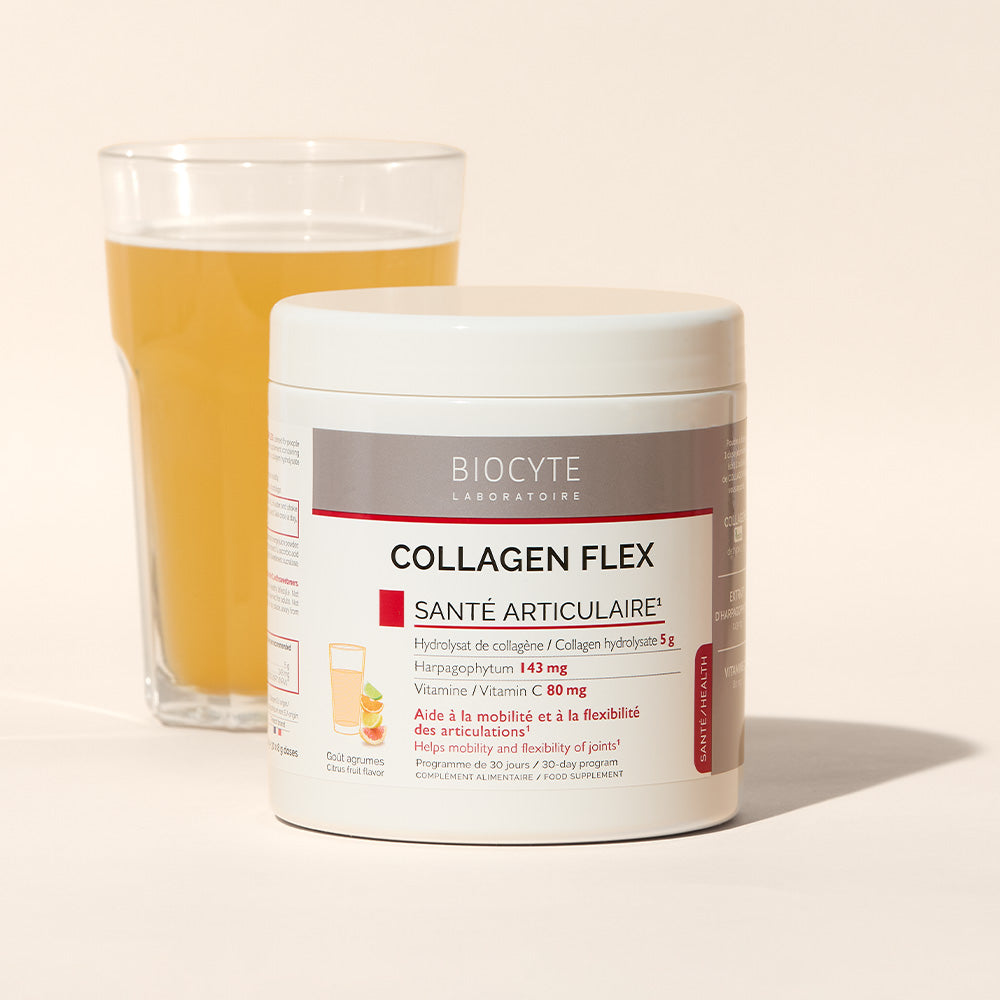
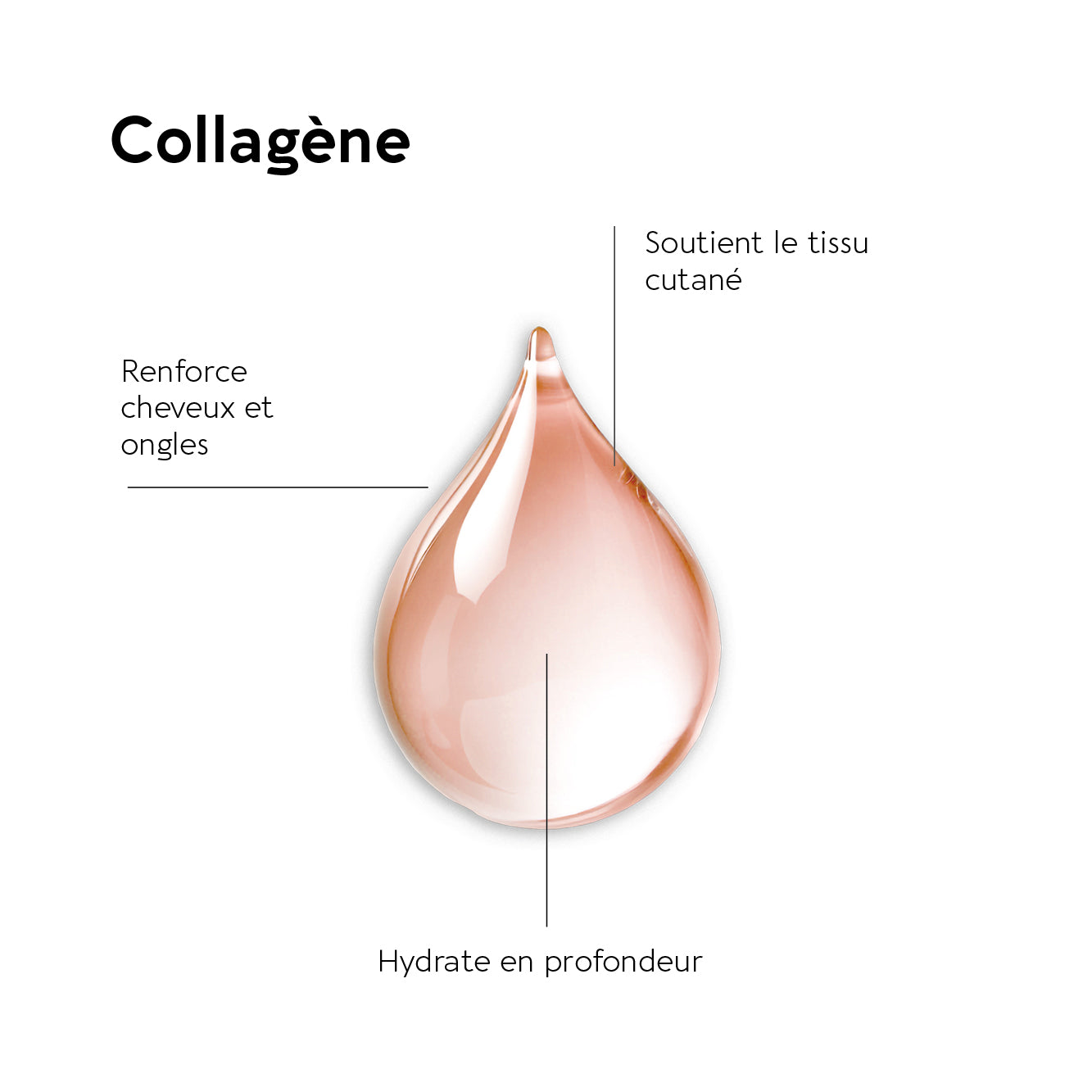
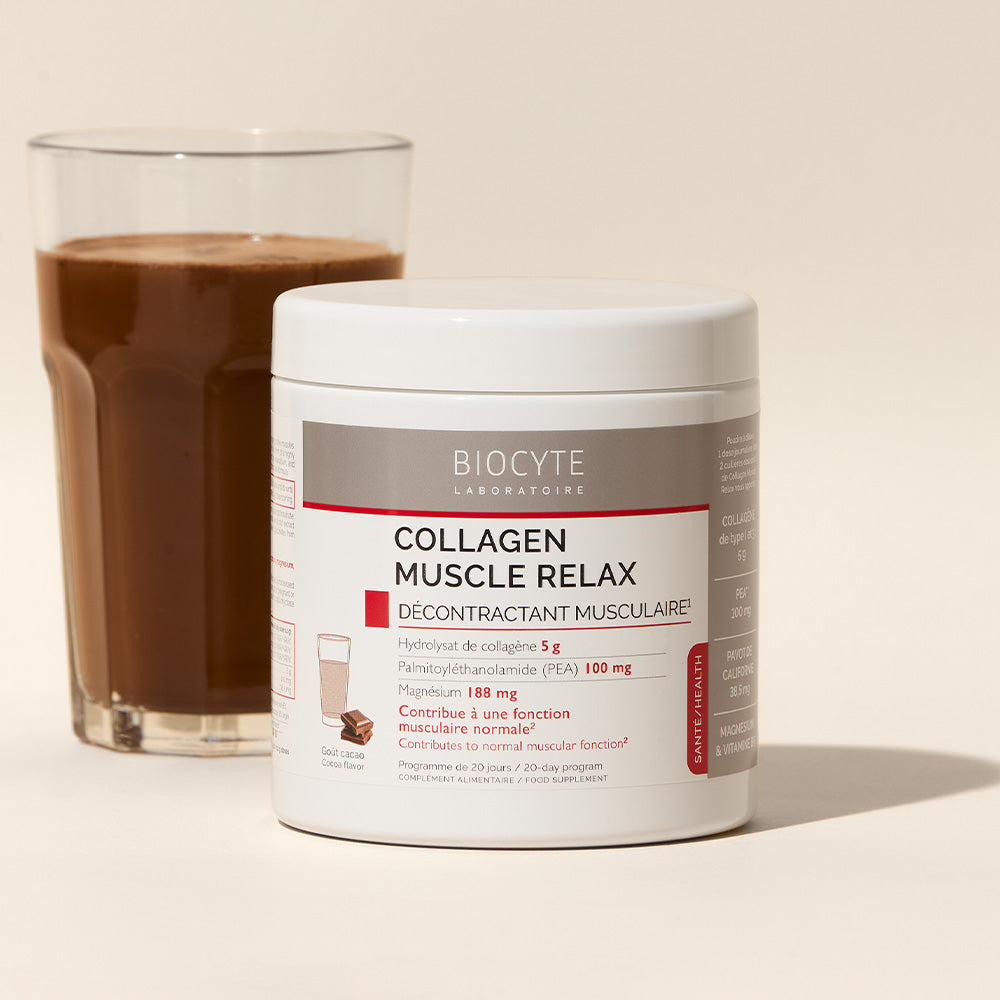
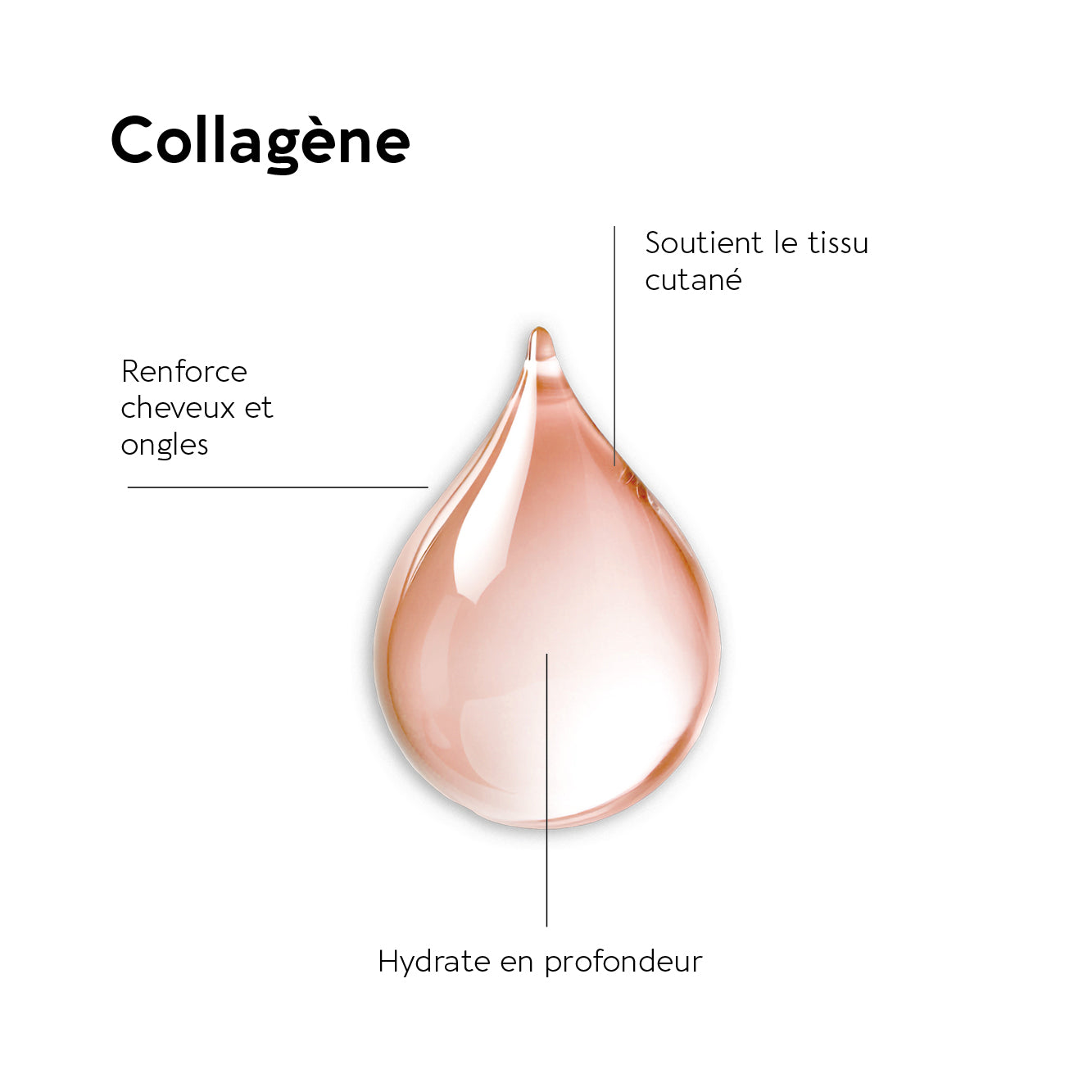
Among the nutrients most often associated with tendon comfort, collagen plays a central role. As the major component of the tendon, it represents the essential structural substrate for fiber integrity. Hydrolyzed collagen peptides, obtained by enzymatic fractionation of collagen proteins, have high bioavailability and are capable of reaching connective tissues after intestinal absorption. Several clinical studies have evaluated their interest in sports recovery and the maintenance of tendon health, with encouraging results on the reduction of tendon pain and functional improvement.
Vitamin C is an essential cofactor for collagen biosynthesis: it is involved in the hydroxylation of proline and lysine, two enzymatic steps without which collagen fibers cannot stabilize properly. Other active ingredients such as MSM (methylsulfonylmethane), glucosamine, chondroitin, and turmeric are frequently combined in formulas dedicated to joints and tendons, due to their complementary properties on connective tissue and functional comfort.
Which food supplements to choose for tendinitis?
The choice of a food supplement for tendinitis must be based on several objective criteria: the quality and form of the active ingredients, clinically studied dosages, and the consistency of the formulation with regard to the biological mechanisms involved. A relevant tendinitis food supplement generally combines hydrolyzed collagen peptides with synthesis cofactors,vitamin Cbeing paramount, and complementary active ingredients targeting the functional comfort of tendons and joints.
It is also important to distinguish between sport-oriented formulas, designed to support post-exertion recovery, and maintenance-oriented formulas, suitable for daily use in the context of recurrent tendon pain or prevention of recurrence. In both cases, the duration of intake is a key parameter: since tendons are slow-renewing tissues, the effects of supplementation usually do not manifest before several weeks of regular intake.
Is collagen beneficial for tendons?
Collagen is undoubtedly the most documented active ingredient in the context of tendon health. Since tendons are predominantly composed of type I collagen, the exogenous intake of hydrolyzed collagen peptides aims to provide tenocytes, the tendon cells, with the amino acids necessary for the synthesis of new fibers. Studies conducted on athletes have shown that taking hydrolyzed collagen combined with vitamin C, in the hours before or after exercise, was associated with an improvement in collagen synthesis markers and a reduction in tendon pain during exertion.
The question ofmarine collagenversus other sources often arises. It should be emphasized here that the relevance of a collagen peptide does not depend solely on its origin, but on the quality of the hydrolysis process and the degree of purity of the final product. Well-hydrolyzed marine collagen has an amino acid profile rich in glycine, proline, and hydroxyproline, particularly suitable for supporting connective tissues. Biocyte, a pioneer of oral collagen in France, formulates its active ingredients according to rigorous bioavailability standards, with clinical evidence to support it.
What role do vitamins and minerals play in maintaining connective tissues?
Beyond collagen, several micronutrients play a structural role in maintaining connective tissues. Vitamin C is the most documented: its role as an enzymatic cofactor in collagen synthesis makes it an essential active ingredient in any formula dedicated to tendons. A vitamin C deficiency, moreover, leads to a weakening of connective tissues, illustrating how much this micronutrient conditions tendon integrity.
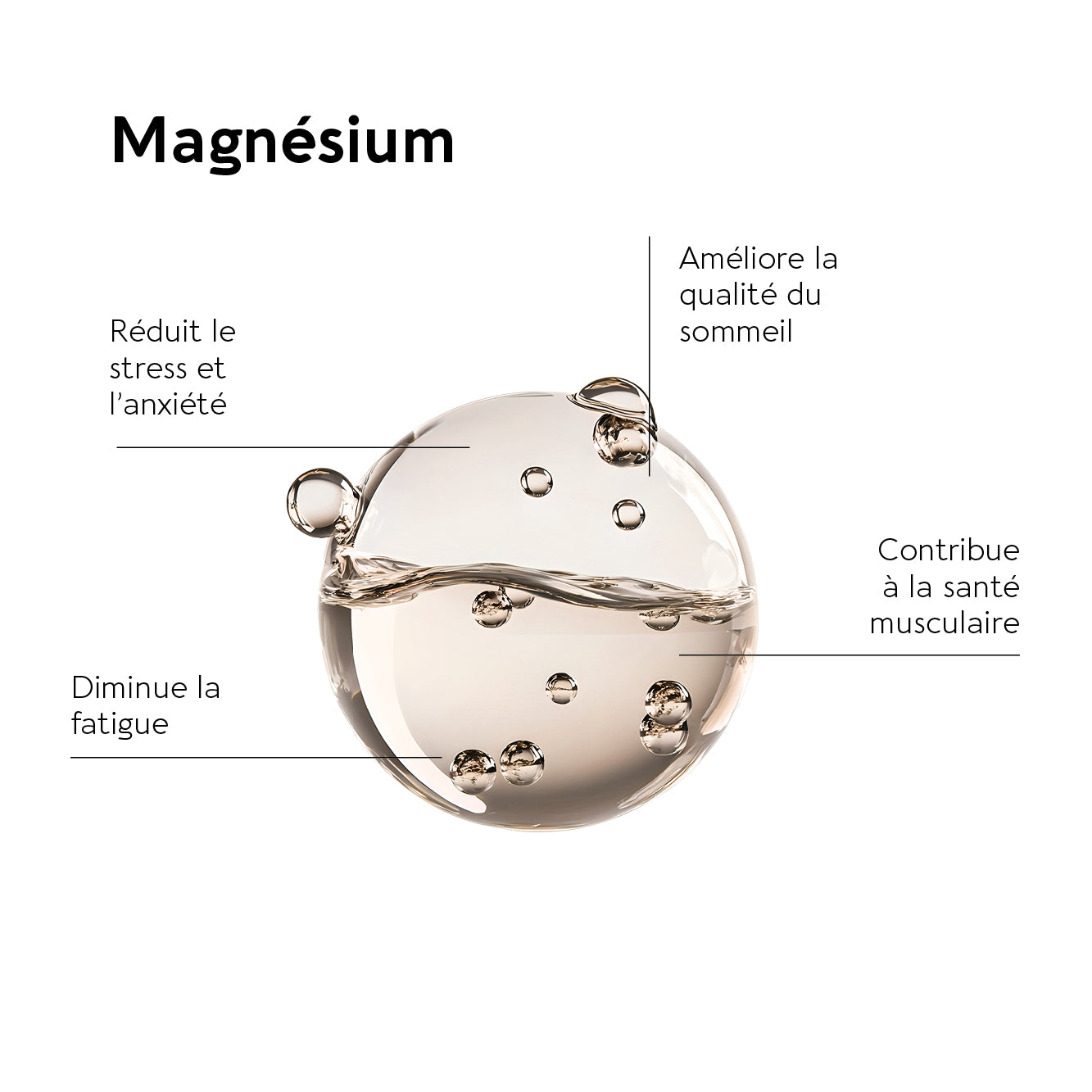
Zinc and manganese also participate in the regulation of matrix metalloproteinases, enzymes involved in connective tissue remodeling. Magnesium, for its part, is involved in neuromuscular function and helps limit excessive mechanical stress on tendons. Finally, organic sulfur provided by MSM is a substrate for the synthesis of glycosaminoglycans, essential components of the extracellular matrix surrounding collagen fibers.
Why combine several active ingredients in a food supplement for tendons?
Tendon health relies on complex biology that simultaneously involves several mechanisms: synthesis of collagen fibers, regulation of oxidative stress, maintenance of the extracellular matrix, and functional response to mechanical stress. No single active ingredient can act on all these processes, which justifies the interest of a multi-active approach in the formulation of a tendinitis food supplement.
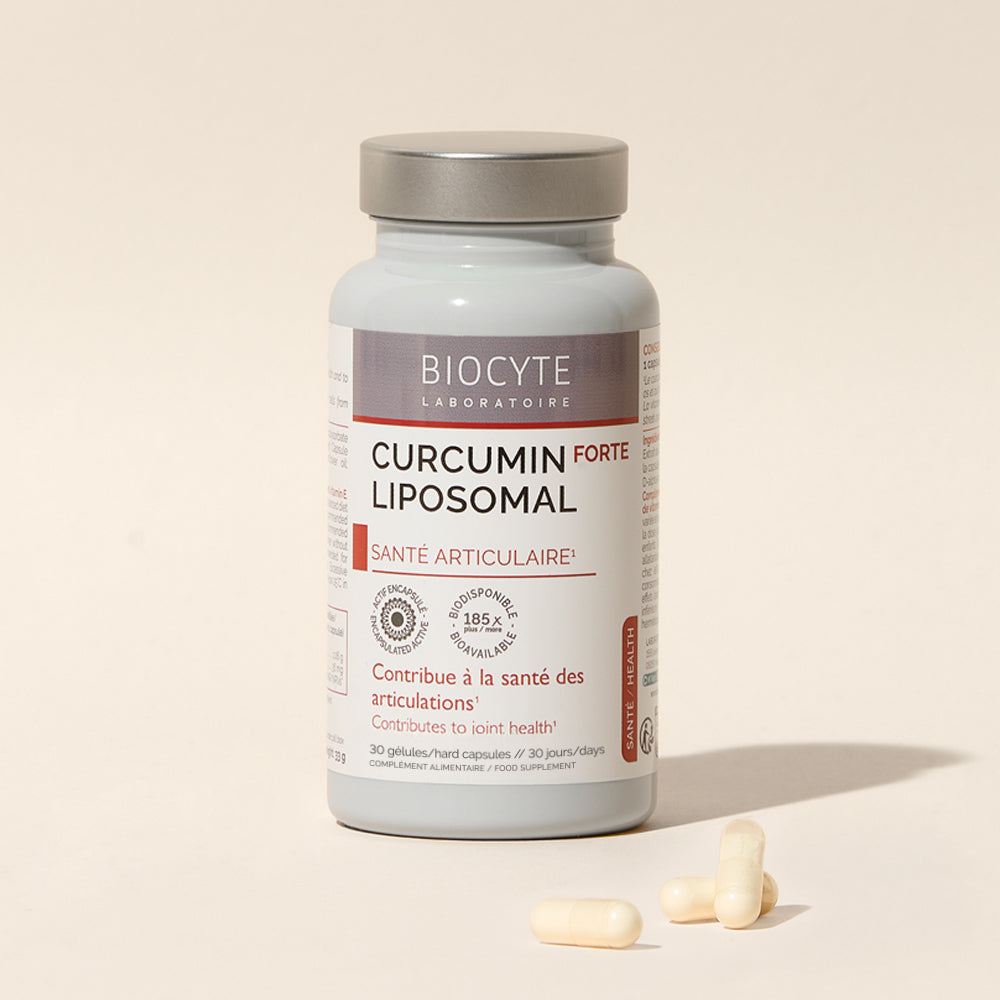
The synergy between collagen peptides and vitamin C is the best documented, but it is further enhanced when combined with active ingredients like turmeric, whose functional properties on joint and tendon comfort are now supported by numerous studies, or glucosamine and chondroitin, which participate in the maintenance of adjacent cartilage tissue. This holistic approach, designed based on biological mechanisms rather than by stacking active ingredients, is characteristic of expert formulations developed by brands with scientific legitimacy.
Who are food supplements for tendinitis for?
Food supplements for tendinitis are primarily intended for people facingrecurrent tendon painor a recovery phase after an acute episode, as part of a global management plan combining relative rest, physiotherapy, and, if necessary, medical follow-up. They concern both regular athletes subjected to significant mechanical stress and sedentary individuals whose tendons are exposed to occasional overexertion.
A second profile of users concerns people wishing toadopt a preventive approach to tendon pain, particularly in the context of returning to sports, tissue aging, or physically demanding professional activity. In this case, the food supplement is part of a strategy to maintain tendon capital in the long term, rather than a curative approach. Joint mobility and tendon flexibility are two functional markers directly concerned by this approach.
How to integrate a food supplement into a tendon routine?
The effectiveness of a food supplement for tendons largely depends on the regularity and duration of intake. Given the slow renewal of tendon tissues, daily intake over aminimum period of 8 to 12 weeksis generally recommended to observe measurable functional effects. Premature discontinuation, often observed in the first few weeks due to lack of immediate results, compromises the effectiveness of the approach.
In practical terms, some studies suggest that taking collagen peptides combined with vitamin C within 30 to 60 minutes before physical exertion optimizes the availability of amino acids in the tendon tissue at the time when metabolic demand is highest. This intake window, although not universally validated, is consistent with biological mechanisms of collagen synthesis. Supplementation with a sports food supplement should be considered as a support to a global routine including progressive warm-up, eccentric muscle strengthening, and active recovery.
What criteria to consider when choosing a tendinitis food supplement?
Choosing a tendinitis food supplement is not limited to comparing ingredient lists. The pharmaceutical form, dosages, quality of raw materials, and traceability of the manufacturing process are equally decisive parameters. A product displaying an active ingredient at the top of the formula but at a sub-clinical dose does not offer the same guarantees as a formula whose dosages are aligned with available studies.
The clarity of the composition is a sign of quality in itself: a short, well-dosed formula where each active ingredient plays an identifiable role in tendon biology is preferable to a stack of ingredients without functional coherence. It is also important to ensure that the product is manufactured in compliance with good manufacturing practices, and that the brand relies on transparent clinical data rather than purely marketing arguments. Recommendation by a healthcare professional, pharmacist, sports physician, physiotherapist, remains the best filter for an informed choice.
FAQ: Tendinitis Food Supplement
What is the best food supplement for tendinitis?
There is no single formula valid for all profiles and all locations; shoulder tendinitis, elbow tendinitis, knee tendinitis, or Achilles tendinitis do not all involve exactly the same tendon repair mechanisms. Formulas combining hydrolyzed collagen peptides, vitamin C, and complementary active ingredients such as MSM orturmerichave the most documented level of evidence to date. The decisive criterion remains the quality of the dosages and the consistency of the formulation with the biological mechanisms of the tendon tissue.
Does collagen help support tendons?
Yes, provided you choose a well-hydrolyzed collagen, dosed in a clinically relevant way, and combined with vitamin C. Collagen peptides provide tenocytes with the amino acids necessary for the synthesis of new fibers and have shown, in several controlled studies, a positive effect on tendon comfort and sports recovery.
What vitamins and minerals are useful for tendons?
Vitamin C is the micronutrient most directly involved in collagen synthesis in tendons. Zinc, manganese, and magnesium also play a role in connective tissue remodeling and neuromuscular function. Their combination with structural active ingredients such as collagen peptides reinforces the functional coherence of the formula.
How long does it take to feel the effects of a food supplement?
Since tendons are poorly vascularized tissues with slow renewal, the first functional effects are generally noticeable after 6 to 12 weeks of regular intake. Discontinuous or too short an intake does not allow reaching the biological thresholds necessary for a measurable improvement in tendon comfort.
Can food supplements be taken during chronic tendinitis?
Yes, nutritional supplementation is fully integrated into the management of chronic tendinitis, in addition to appropriate medical or paramedical follow-up. It aims to support the renewal of collagen fibers and maintain the structural quality of tendon tissue, without replacing rehabilitation exercises or other prescribed therapies.
Can athletes use tendon supplements?
Tendon supplementation is particularly relevant for athletes, whose tendons are subjected to repeated mechanical stress that promotes microtraumas and inflammation of the tendons. A sports food supplement integrating hydrolyzed collagen, vitamin C, and functional active ingredients can be part of a structured sports recovery routine, supporting a progressive training program.
What is the difference between marine collagen and type II collagen?
Marine collagen is type I collagen extracted from fish, particularly rich in glycine and proline, suitable for supporting dense connective tissues such as tendons and ligaments. Type II collagen is derived from cartilage, often bovine or avian, and more specifically targets articular cartilage tissue. Both forms are of interest in the context of tendon pain, but their mechanisms of action and tissue targets differ.
Can several food supplements be combined for tendons?
The combination of several food supplements is possible, provided that dosage overlaps are avoided and the compatibility of the active ingredients is ensured. In practice, a well-designed multi-active formula generally covers most of the nutritional needs related to tendon health, without requiring the addition of supplementary products. In case of doubt, the advice of a healthcare professional is recommended.
Do food supplements replace rehabilitation exercises?
No. Food supplements for tendinitis act on the biological substrate of the tendon but cannot replace the mechanical work necessary for its structural reorganization. Rehabilitation, particularly through eccentric exercises, remains the cornerstone of tendinopathy management. Supplementation supports this work by optimizing the biological conditions for tendon repair.
How to prevent tendinitis recurrence through diet and supplementation?
Preventing recurrence relies on a diet sufficiently rich in quality proteins, substrates for collagen synthesis, combined with an adequate intake of vitamin C and essential micronutrients for connective tissue. Long-term supplementation with tendon collagen peptides, combined with a progressive muscle strengthening program and respect for recovery phases, constitutes a coherent strategy to limit tendon vulnerability over time.


 Skin
Skin Hair & Nails
 Sun Care
 Slimming
 Health